

Building sites right across the country are compromised by a hidden but expensive problem: soil erosion. When left unaddressed, soil degradation, runoff, and sediment movement can stop projects dead in their tracks, drive costs up, and damage the environment. Every contractor wants effective erosion control solutions and soil erosion prevention systems to protect their land and stay in compliance.
Whether it is how to prevent soil erosion on a construction site, the ability to prevent soil from eroding is important in silt fence installation, till vegetation preservation.
This article covers leading advances in sediment control, runoff management, and smart environmental monitoring technologies that help Australian builders protect topsoils, water quality, and prevent costly delays, all while staying on the right side of the law.
We will reveal
- What Is Soil Erosion and Why Does It Matter on Construction Sites?
- What Are the Main Types of Soil Erosion on Construction Sites?
- Why Is Soil Erosion a Critical Problem for Australian Builders?
- How to Plan for Erosion Control Before Construction Begins?
- What Are the Most Effective Erosion Control Methods During Construction?
- How Do Drainage Solutions Prevent Construction Site Erosion?
- What Role Does Construction Phasing Play in Erosion Prevention?
- How to Implement Permanent Erosion Control Solutions?
- What Are Common Mistakes to Avoid in Erosion Control?
- How Does Smart Technology Transform Erosion Monitoring?
- What Are Australian Compliance Requirements for Erosion Control?
- How to Maintain and Monitor Erosion Control Systems?
- FAQs About Soil Erosion on a Construction Site
What Is Soil Erosion and Why Does It Matter on Construction Sites?
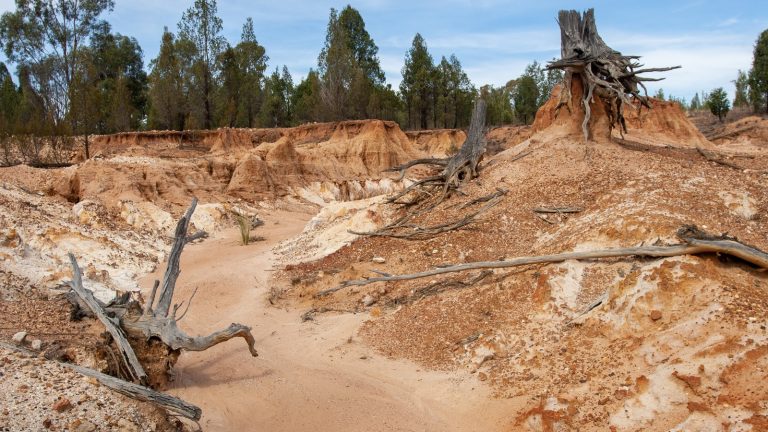
Soil erosion is the movement of topsoil away from its original location by wind, water, or human activity. The potential for soil erosion is a risk when it comes to performance, the environment, and water quality, the supervision of which should be paramount on any job. Let’s break down how this works.
Key Takeaways
- Soil erosion on construction sites causes environmental damage, project delays, and costly compliance risks.
- Effective erosion control starts with early planning and proper site preparation.
- Combining physical controls, vegetation, and smart monitoring significantly reduces erosion risks.
- Ongoing inspections and regulatory compliance are critical for long-term site sustainability.
Understanding Soil Erosion and Its Environmental Impact
Soil erosion is what happens when topsoil is shifted by wind, water, or human activities, resulting in soil degradation and loss of nutrients, on a construction site that can cause sediment-laden runoff , which will negatively affect local streams and therefore stream health.
With the unpredictable Australian weather, the cost of damage to an uncontrolled construction site can be astronomical due to environmental damage and project complications such as delays.
Types of Erosion Affecting Construction Projects in Australia
Australian construction sites may experience a range of erosion, including runoff erosion, shear and rill erosion, channeling gullies, and splash erosion. Everything mentioned affects the stability of slopes, sediment yield, and runoff control.
This is why it is important to develop site-specific erosion control measures. Identification of such categories enables the construction to take appropriate measures for the control and protection of topsoil as well as immersive ecosystems.
Legal and Regulatory Consequences of Poor Erosion Control
If you fail to control erosion, it can result in fines, a stop-work order, and damage claims. The Australian government regulates erosion prevention, including sediment control, storm water runoff, and site overflow, to prevent misuse of the projects.
At this point, constructors need to include an erosion-prevention strategy to avoid costly lawsuits.
What Are the Main Types of Soil Erosion on Construction Sites?
Rain splash, rill, sheet, and gully erosion are the main types of soil erosion. Categorising types of erosion on a construction site project allows builders to apply the appropriate soil erosion control methods more effectively.
Rain Splash Erosion from Exposed Soil Surfaces
Rain splash refers to the direct impact of raindrops on open soil, displacing particles and causing soil breakdown. This type of erosion adds sediment to runoff, which can impair water quality and encourage surfaces to shift.
In such a context, mulching and vegetative cover can help to suppress rain splash, which is essential in terms of soil erosion at construction site steps.
Sheet Erosion and Rill Erosion from Water Runoff
Sheet erosion is the even removal of soil in a thin layer by the action of rainfall and runoff, while rill erosion occurs when runoff concentrates into small channels as it travels down a slope. Both are responsible for soil fertility decline, and managing the slope becomes more difficult.
This is where you can utilise various types of sediment control methods, such as silt fence installation, erosion mats, and erosion prevention methods, to control these problems.
Gully Erosion and Streambank Erosion Challenges
Gully erosion occurs when water runoff creates large, flowing channels in a variety of shapes and sizes that deepen over time, especially near streams or drainage areas. Stream bank erosion is also a threat to both infrastructure and water quality.
In the construction industry, drainage solutions, riprap, and check dam installation work are among the best soil erosion control construction site practices to undertake in order to fulfill your regulatory obligations.
Why Is Soil Erosion a Critical Problem for Australian Builders?
Water quality degradation, loss of topsoil, nutrient depletion, and project delays can occur due to soil erosion. This is where understanding erosion control measures becomes vital for builders.
Loss of Topsoil and Nutrient Depletion
We have observed that erosion paves the way for the loss of topsoil protection, depleting nutrients that are necessary for vegetation and slope stability. Builders’ risk increased soil degradation, making soil erosion control methods and vegetation preservation strategies essential to sustain soil fertility and maintain the structural integrity of construction sites.
Water Pollution and Turbidity in Waterways
High sediment loads from construction runoff can increase turbidity, thereby affecting both aquatic resources and water quality. Best sediment controls, such as silt fence products and sediment control barriers, minimise pollution.
This assists Australian contractors with managing site water pollution while also meeting environmental standards and establishing cost-effective erosion control methods.
Project Delays and Increased Compliance Costs
Uncontrolled soil erosion can stop construction, resulting in expensive penalties and detention. By the use of adequate erosion control plans and other drainage systems, it is possible to reduce delays in construction while maintaining good compliance with Australian regulatory requirements.
How to Plan for Erosion Control Before Construction Begins?
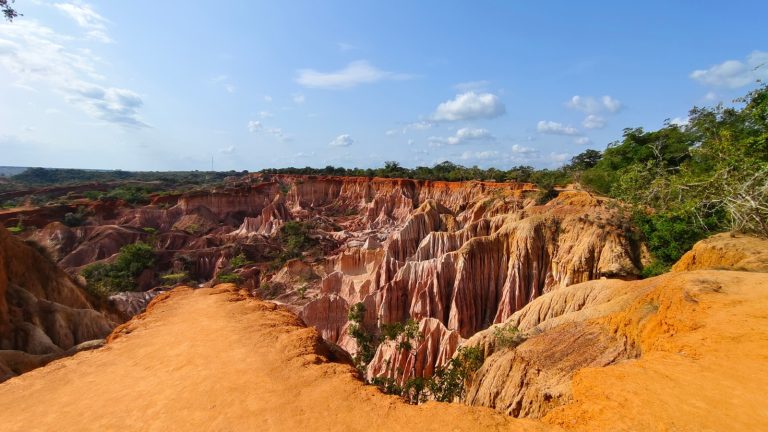
Conducting comprehensive site and soil analysis, preserving existing vegetation, and implementing the Erosion and Sediment Control Plan (ESCP) from day one is how you plan to avoid soil erosion on a construction site. Let’s explore them deeply.
Conducting Comprehensive Site Assessments and Soil Analysis
Get started by performing thorough site assessments and soil tests that provide information on the slope, type of soil, and rainfall. It helps determine best practices for sediment control.
This contributes to erosion control plans and lets you know where drainage solutions and silt fence go out on the construction site.
Preserving Existing Vegetation Wherever Possible
Maintain trees, shrubs, and ground cover: This helps reduce ‘rain splash’ and slow runoff, resulting in the natural stabilisation of soil. Forest conservation practices are also important for protecting the construction site from soil erosion.
This helps preserve the topsoil, stabilising slopes and supplementing measures adopted to control erosion on a work site.
Developing an Erosion and Sediment Control Plan (ESCP)
The integrated erosion plan defines the kind of soil erosion control, sediment barrier, or drainage practices that make sense on each site. Appropriate ESCP integration can achieve the regulation requirement, water quality protection, and lay the foundations for erosion prevention measures in construction.
What Are the Most Effective Erosion Control Methods During Construction?
Installing silt fences and sediment barriers, utilising erosion-control mats and blankets on slopes, and applying mulch and temporary seeding for soil are the most effective erosion-control methods. Let’s explore how using established construction soil-erosion control measures preserves topsoil, improves runoff control, and provides long-term erosion prevention guidelines.
- Installing Silt Fences and Sediment Barriers Strategically
Silt fence installation and sediment barriers contain displaced soil, which would otherwise erode into water bodies. Strategically placing barriers along hillsides and downstream of drainages makes sediment control as efficient as possible.
This is a fundamental part of the construction site implication and compliance with legislative requirements.
- Using Erosion Control Mats and Blankets on Slopes
Erosion mats and blankets help protect exposed slopes from sheet erosion and rain splash, which stabilises soil disintegration during construction. They work with soil erosion prevention techniques to keep a cover of vegetation established.
However, in turn, they ensure Australian builders are able to effectively utilise topsoil protection methods.
- Applying Mulch and Temporary Seeding for Soil Stabilisation
Mulching techniques and temporary seeding stabilise topsoil, stop water from running off, and minimise turbidity control problems. These soil erosion controls improve the protection of the topsoil and reduce sheet and rill erosion.
The point is that these are crucial for Australian construction sites that need to adapt to unpredictable rainfall events.
How Do Drainage Solutions Prevent Construction Site Erosion?
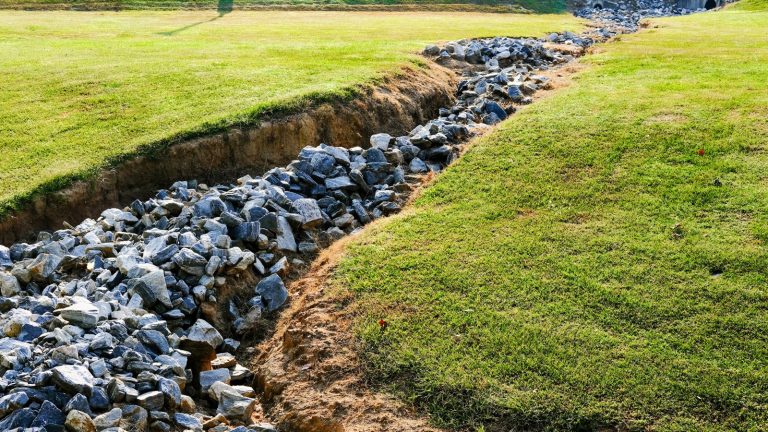
By implementing French drains, creating ditches and diversions to control water flow, and installing check dams, drainage solutions can prevent erosion at construction sites. It is time to discover how proper drainage solutions become the key to successful runoff management, maintaining topsoil, and using erosion prevention effectively on your property.
Implementing French Drains for Subsurface Water Management
French drains lead the groundwater away and decrease soil saturation , which causes sheet erosion and rill (gully) erosion. Builders who pair drainage solutions with erosion control plans can better manage runoff.
They can preserve the stability of their slopes and enforce compliance, all while efficiently preventing soil erosion at the construction site.
Creating Ditches and Diversions for Controlled Water Flow
Ditches and diversion channels divert rainwater away from bare soils, minimising the risk of gullying erosion and turbidity control. Appropriate planning incorporates best practice sediment control, maintaining water quality.
They assist with domestic construction work by making effective use of erosion prevention.
Installing Check Dams to Slow Down Runoff Velocity
Check dams are small stops along the flow of water that help prevent soil erosion and manage sediment. They collaborate in the design of sediment barriers and riprap to protect the topsoil, to assist with runoff management, and for successful soil erosion control on a construction site.
What Role Does Construction Phasing Play in Erosion Prevention?
Construction phasing minimises exposed soil, and this is the best management of runoff. In the section below, we explain how it provides step-by-step erosion control throughout a development.
Breaking Projects into Phases to Limit Exposed Soil
Breaking construction into smaller phases minimises the amount of bare soil present at any time, which reduces sheet erosion and rain splash. This is to support soil erosion control practices and protect the topsoil.
Then, this strategy makes it easier to ensure effective sediment control measures during construction.
Timing Earthworks to Avoid Heavy Rainfall Periods
Avoiding large-scale earth movements in times of high rainfall reduces runoff and gully erosion, helping to maintain water quality as well as reducing soil loss. This time frame works well with erosion control techniques, keeping Australian builders ahead of compliance requirements and allowing stabilised slopes.
Progressive Stabilisation as Construction Advances
Progressive stabilisation works to stabilise the exposed formations using methods such as temporary seeding, mulching, and erosion mats. This step-by-step process protects topsoil and enhances stormwater control.
This approach is easily included as part of an erosion control plan to prevent soil erosion at construction site tactics.
How to Implement Permanent Erosion Control Solutions?
By installing riprap, earth walls and soil nails are permanent erosion control solutions. It is no secret that permanent practices protect the slope and topsoil and manage runoff for the life of the site.
Riprap Installation for Long-Term Slope Protection
Riprap is a construction installation that allows rocks or concrete to prevent soil erosion and reduce natural features from being washed out. Paired alongside erosion control sediment solutions, rip rap is an affordable way of protecting the topsoil on site.
It is one of the most versatile soil erosion control approaches on Australian construction sites.
Earth Walls and Concrete Blocks for Soil Retention
Building earth walls or concrete block castings on susceptible slopes improves them and reduces sheet erosion and resource management issues. Such structures support erosion-control methods and work with sediment-control best management practices, while also protecting topsoil during long-term construction or post-construction phases.
Soil Nails for Reinforcing Unstable Ground
Soil nails reinforce relatively soft soil formations and stabilise slopes that experience rill and gully erosion. Combining these into an erosion control plan serves to improve soil erosion control practices, prevent damage to the land, and protect site integrity while offering a long-term solution for the prevention of erosion.
What Are Common Mistakes to Avoid in Erosion Control?
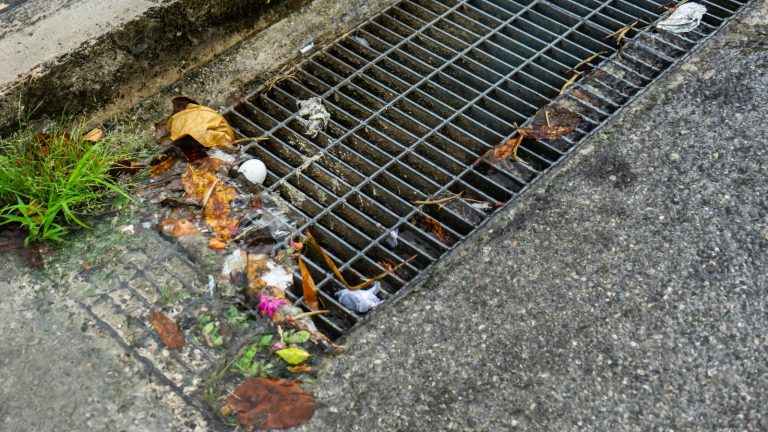
Poor slope management, inadequate grading, incorrect silt fence installation, and overexposing soil without protective cover are common mistakes to avoid in erosion control. Avoiding mistakes in soil erosion control methods is vital to prevent topsoil protection failures and costly project setbacks.
Poor Slope Management and Inadequate Grading
Incorrect grading techniques and mismanaged slopes increase sheet erosion and rill erosion, destabilising the site. This is where the proper slope design and vegetation cover implementation are essential erosion prevention techniques.
This approach ensures that soil erosion construction site strategies remain effective while protecting topsoil and maintaining regulatory compliance.
Incorrect Silt Fence Placement Blocking Drainage Paths
Improper silt fence installation can block natural drainage, causing water pooling and soil degradation. Strategic placement in line with drainage solutions ensures efficient runoff management.
It supports best practices for sediment control and strengthens erosion-prevention techniques on construction sites.
Overexposing Soil Without Protective Cover
Exposing large areas of soil without erosion mats, mulching techniques, or vegetation cover accelerates rain splash and sheet erosion. Minimising bare soil is a key soil erosion control method, helping builders prevent soil erosion on the construction site.
This maintains topsoil protection and water quality.
How Does Smart Technology Transform Erosion Monitoring?
Collecting real-time data via sensor networks, predictive erosion management using AI-powered analytics, and comprehensive site monitoring through drones and remote sensing are the new developments in how smart technology can transform erosion monitoring.
Implementing Robust Sensor Networks for Real-Time Data
Sensor networks provide instant information on soil moisture, slope movement, and rainfall patterns. This enables quick responses to sheet erosion or rill erosion.
These tools enhance soil erosion control methods and optimise erosion prevention techniques, allowing Australian builders to maintain topsoil protection efficiently.
AI-Powered Analytics for Predictive Erosion Management
AI analytics processes sensor data to forecast potential soil degradation, gully erosion, or sediment transport. Integrating these insights into an erosion control plan supports the prevention of soil erosion on construction site strategies.
This technology improves runoff management, topsoil protection, and compliance with regulatory standards.
Drones and Remote Sensing for Comprehensive Site Monitoring
Drones provide aerial imagery, mapping exposed soil, slope stability, and stormwater management challenges. Remote sensing data enhances erosion prevention techniques, aids in sediment control best practices, and complements smart environmental monitoring.
Not to mention that this allows builders to respond proactively to soil erosion risks across the construction site.
What Are Australian Compliance Requirements for Erosion Control?
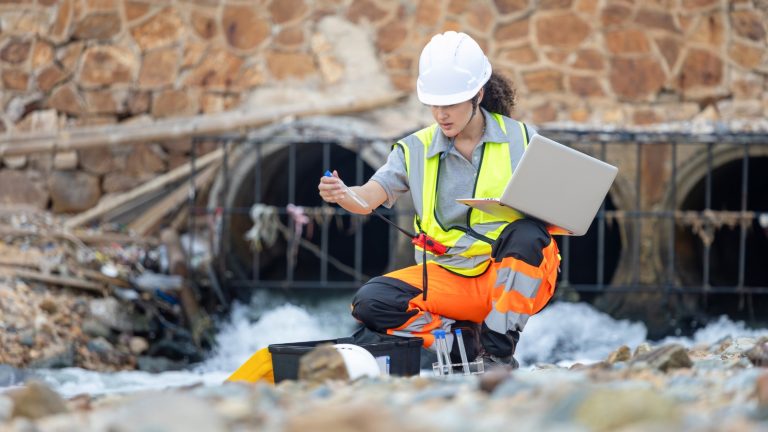
Australian builders must follow strict state and territory environmental regulations, EPA requirements, IECA, and other industry standards when preventing erosion control.
Understanding State and Territory Environmental Regulations
Each Australian state and territory enforces unique erosion prevention techniques to manage sheet erosion, rill erosion, and gully erosion. Builders must understand local environmental laws and incorporate erosion control plans and sediment barriers into construction activities to ensure soil erosion prevention at the construction site compliance.
EPA Requirements for Sediment and Drainage Management Plans
The EPA mandates sediment control best practices, including sediment barriers, drainage solutions, and stormwater management.
Complying ensures minimal soil degradation, protects water quality, and supports topsoil protection, reinforcing effective soil erosion control methods on construction sites.
Best Practice Guidelines from IECA and Industry Standards
The IECA provides guidance on erosion mats, riprap installation, silt fence installation, and mulching techniques. Following these standards ensures erosion prevention techniques are consistent and protects topsoil.
They guarantee Australian builders meet regulatory compliance while minimising sediment and water pollution risks.
How to Maintain and Monitor Erosion Control Systems?
Regular maintenance and monitoring ensure soil erosion control methods remain effective, protecting topsoil and ensuring long-term erosion prevention techniques.
Regular Inspection Protocols Before and After Rainfall
Frequent inspections before and after rain events detect issues with silt fence installation, erosion mats, or sediment barriers. Monitoring these systems allows timely repairs, enhances runoff management, and supports Australian builders in their efforts to prevent soil erosion on construction sites.
Maintaining Sediment Control Tools for Optimal Performance
Cleaning and repairing sediment barriers, riprap installations, and erosion mats ensures efficient soil erosion control methods.
Proper upkeep maintains topsoil protection, reduces turbidity, and strengthens overall erosion prevention techniques on construction sites while ensuring regulatory compliance.
Adjusting Controls Based on Changing Site Conditions
Dynamic site conditions like altered slopes or rainfall patterns require adapting erosion control plans. Adjusting drainage solutions, relocating silt fence installations, and reinforcing vegetation cover maintain runoff management, topsoil protection, and overall effectiveness of soil erosion control methods during construction activities.
Why Choose Tigernix for Environmental Monitoring Solutions?
Tigernix offers advanced Smart Transportation Asset Software to help builders prevent soil erosion at construction sites efficiently and sustainably.
AI-Powered Sensor Networks for Real-Time Erosion Tracking
Tigernix sensor networks monitor soil moisture, slope stability, and rainfall patterns in real time. This technology enhances soil erosion control methods, improves runoff management, and supports erosion prevention techniques, allowing builders to maintain topsoil protection and minimise soil degradation on construction sites.
Smart Environmental Compliance and Reporting Tools
Tigernix solutions generate real-time reports for regulatory compliance, tracking sediment barriers, drainage solutions, and stormwater management. These tools simplify environmental reporting, enforce erosion control plans, and provide actionable insights for sustainable soil erosion control methods during construction activities.
Proven Expertise in Australian Environmental Regulations
With deep knowledge of EPA requirements, IECA guidelines, and state regulations, Tigernix ensures builders meet regulatory compliance standards. Leveraging smart environmental monitoring, projects maintain topsoil protection, manage turbidity, and implement reliable erosion prevention techniques throughout the construction lifecycle.
Ready to Protect Your Construction Site from Soil Erosion?
Take proactive steps with smart environmental monitoring and advanced erosion prevention techniques to safeguard your construction site.
Consult with Tigernix Environmental Monitoring Experts
Engage Tigernix specialists to design tailored erosion-control plans that address sheet, rill, and gully erosion. Expert guidance ensures your site implements soil erosion control methods effectively, maximises topsoil protection, and maintains regulatory compliance throughout all construction activities.
Discover How Smart Sensors Can Reduce Erosion Risks by 70%
Advanced sensor networks monitor soil moisture, slope stability, and rainfall patterns, enabling timely interventions. This technology supports runoff management, minimises turbidity control, and allows Australian builders to achieve measurable erosion prevention techniques while maintaining soil erosion control methods on construction sites.
Call for a free demo.
Tigernix- Implement Cutting-Edge Erosion Control with AI Technology
FAQs About Soil Erosion on a Construction Site
Soil erosion on a construction site is mainly caused by exposed soil, heavy rainfall, poor drainage, steep slopes, and unprotected earthworks. Construction activities disturb natural ground cover, allowing water runoff and wind to easily carry sediment away from the site.
Soil erosion increases sediment runoff, pollutes nearby waterways, causes topsoil loss, and leads to regulatory penalties. It can also delay construction schedules, raise remediation costs, and damage site stability, making erosion control essential for environmental protection and project efficiency.
Soil erosion can be prevented by installing silt fences, using erosion control mats, managing runoff with proper drainage, preserving vegetation, and applying mulch or temporary seeding. Planning earthworks in phases and monitoring erosion controls regularly also reduces erosion risks significantly.
The most effective erosion control methods include silt fences, sediment basins, erosion blankets, check dams, proper grading, and drainage systems. Combining physical controls with vegetation cover and routine inspections helps stabilise soil and limit sediment movement during construction.
Yes, Australian construction sites must follow state and EPA regulations requiring erosion and sediment control measures. Builders must implement approved erosion control plans, manage stormwater runoff, protect water quality, and maintain compliance to avoid fines, stop-work notices, and environmental penalties.