
Industrial processes drive modern economies, but uncontrolled pollution jeopardises ecosystems, public health, and corporate sustainability. Accelerating with pollution from the air emissions to the wastewater discharges and hazardous solid waste, companies come under increasing pressure to implement a comprehensive approach. This is where it becomes a business necessity to know how the process of industrial pollution control methods works.
With the help of advanced technologies, AI analytics, and smart monitoring companies, authorities and governments can not only reduce environmental regulatory challenges but also add value to their operations, cutting operational costs and resource consumption.
This article shares innovative approaches to strategic pollution control, best practices, and new tools to accelerate industry efforts to supercharge productivity, remain competitive, and ensure environmental compliance.
We will explore
- What Is Industrial Pollution and Why Does It Require Strategic Control?
- What Are the Main Types of Industrial Pollution Control Methods?
- How Do Air Pollution Control Technologies Work?
- What Advanced Wastewater Treatment Methods Control Industrial Pollution?
- How Can Industries Implement Effective Solid Waste Management?
- What Role Does Pollution Prevention Play in Industrial Strategy?
- How to Develop a Comprehensive Pollution Control Strategy?
- What Are Australian Regulatory Requirements for Industrial Pollution?
- How Does Smart Technology Transform Pollution Monitoring?
- What Are the Benefits of AI-Driven Pollution Control Systems?
- How to Measure and Report Industrial Pollution Control Effectiveness?
- What Common Challenges Arise in Industrial Pollution Management?
- FAQs About Industrial Pollution Control
What Is Industrial Pollution and Why Does It Require Strategic Control?
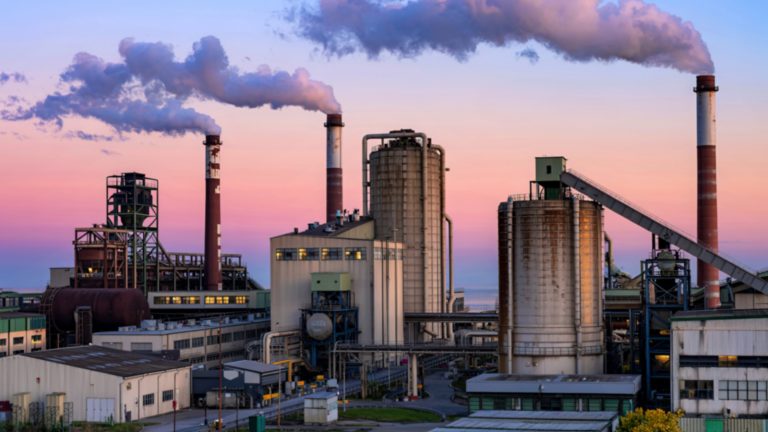
Industrial pollution is the contamination of the environment (air, water, and soil) with waste, harmful chemicals, and hazardous byproducts and emissions resulting from industrial processes, factories, and manufacturing activities.
Industrial pollutants occur from various production processes that discharge noxious substances into the air, water, and soil. This makes it critically important to adopt strategic methods for industrial pollution controls for the protection of the environment and compliance with the regulatory requirements in today’s world.
Key Takeaways
- Strategic industrial pollution control methods help industries reduce environmental impact while improving operational efficiency and regulatory compliance.
- Advanced wastewater treatment systems and air pollution control technology are critical for managing industrial emissions and discharges effectively.
- AI-driven monitoring and real-time data enable predictive control, faster response, and smarter pollution prevention decisions.
- A structured pollution control strategy supports sustainability goals, cost optimization, and long-term industrial resilience.
Understanding Industrial Pollution Sources and Environmental Impacts
Industrial pollution comes from factories, treatment plants, and other energy-intensive activities emitting air pollutants, greenhouse gases, particulates, and VOC controls. Strategic evaluation of these sources is essential for the effective monitoring of pollution, prevention of environmental damage, and preservation of ecosystems, public health, and long-term process sustainability.
Types of Industrial Pollution Affecting Air, Water, and Soil
The industrial sector is the main source of air, wastewater, and solid waste. The main issues are gas emission control, sewage treatment with respect to liquid waste, and management of toxic and dangerous solids.
Characterisation of such categories is useful in the development of efficient pollution prevention strategies and promoting sustainable manufacturing technologies.
The Business Case for Proactive Pollution Control Strategies
Industrial pollution control techniques contribute to better utilisation of resources, lower regulatory compliance costs, and a stronger brand image. The proactive adoption of air pollution control technology, wastewater treatment systems, and management of industrial waste not only saves costs but also establishes companies as market leaders in sustainable operations.
What Are the Main Types of Industrial Pollution Control Methods?
Air pollution control technology, wastewater treatment systems, and industrial waste management are the main types of industrial pollution control methods that focus on minimising environmental damage and ensuring environmental compliance.
Air Pollution Control Technologies and Emission Management
Industries use air pollution control technology like scrubber systems, thermal oxidizers, and filtration technology to capture particulate matter and VOC emissions.
These systems integrate with emission monitoring solutions to continuously track air quality, ensuring compliance with environmental regulations and reducing corporate carbon footprints.
Wastewater Treatment Systems and Effluent Quality Control
Wastewater treatment systems manage liquid industrial waste, using treatment plants, membrane bioreactors, and advanced oxidation processes to meet discharge standards. Strategic control ensures high-quality effluent, reduces environmental impact, and aligns with environmental protection goals for sustainable manufacturing practices.
Solid Waste Management and Hazardous Material Disposal
Effective industrial waste management involves waste segregation, recycling, and hazardous waste disposal. Industries implement pollution prevention techniques to reduce landfill use, comply with environmental regulations, and integrate resource efficiency strategies.
This contributes to a circular economy and more sustainable operations.
How Do Air Pollution Control Technologies Work?
Air pollution control technologies remove harmful gases, VOCs, and particulate matter using scrubbers, thermal oxidisers, catalytic converters, electrostatic precipitators, and baghouse filters, and are coupled with measurement and monitoring solutions to minimise emissions from industrial processes and ensure compliance with emission regulations.
- Scrubber Systems for Gas and Particulate Removal
Scrubber systems incorporate liquids or chemical sprays to clean out toxic gases and pollution from industrial waste gas streams. These systems are crucial for emissions control in order to comply with environmental standards, refine air quality management, and aid sustainable manufacturing processes.
- Thermal Oxidisers and Catalytic Converters for VOC Destruction
Thermal oxidisers and catalytic converters eliminate volatile organic compounds (VOCs) from industrial emissions. They not only help to improve the protection measures for air pollution, data monitoring, and other aspects of production and life processing, but also enable real-time recording of environmental information.
- Electrostatic Precipitators and Baghouse Filters for Dust Control
Airborne particulate matter is collected in electrostatic precipitators and baghouse filters by the action of electrical charge or by fabric filtration. These are capable of enhancing air quality regulations, reducing greenhouse gas emissions, and connecting with pollution monitoring networks for efficient industrial pollution control procedures.
What Advanced Wastewater Treatment Methods Control Industrial Pollution?
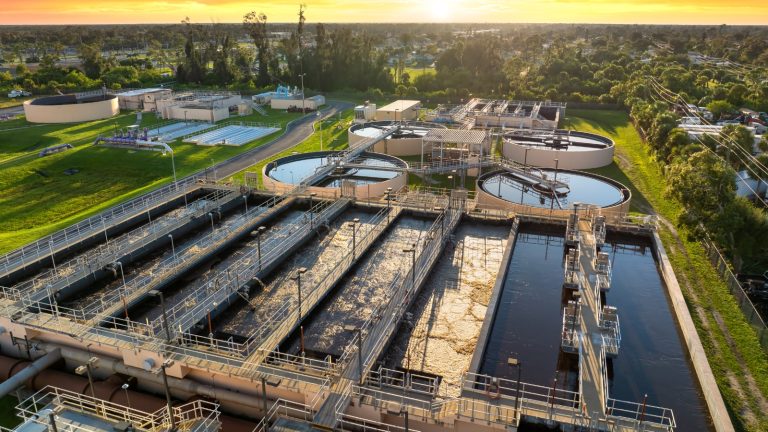
Biological treatment, activated sludge systems, membrane bioreactors, and oxidation processes are the most commonly used advanced wastewater treatment methods that control industrial pollution. According to this approach, advanced levels of wastewater treatment are necessary for managing industrial emissions and achieving discharge criteria, and, hence, effective methods for controlling industrial pollution.
Biological Treatment Processes and Activated Sludge Systems
Biological waste treatment methods, such as activated sludge systems, rely upon the use of microorganisms in order to decompose organic pollutants within industrial wastewater. These approaches contribute to the treatment of effluent, the need to meet environmental and sustainability in manufacturing by minimising pollutants prior to discharge.
Membrane Bioreactors for High-Quality Effluent Production
Membrane bioreactor (MBR) systems integrate biological treatment with membrane separation, thereby achieving high-quality effluent that can be reclaimed.
The improved wastewater treatment system aims at promoting the pollution prevention approach, reducing environmental burden, and attaining resource utilisation and cleaner production.
Advanced Oxidation Processes for Persistent Contaminant Removal
Advanced oxidation processes (AOPs) consist of a series of processes that destroy recalcitrant organic pollutants from industrial effluents. With treatment plants connected for real-time monitoring and AI analytics, industries realise more efficient effluent treatment, enabling compliance with discharge regulations while contributing to sustainable business.
How Can Industries Implement Effective Solid Waste Management?
By waste segregation, recycling programme development, industrial composting, material recovery, safe and risk-free waste handling and disposal protocol implementation, industries can implement effective solid waste management. Efficient disposal of industrial waste minimises the environmental impact, complies with the legal rules and regulations, and improves pollution control practices.
Waste Segregation and Recycling Programme Development
Industries are able to segregate their recyclable, hazardous, and non-recyclable materials with the introduction of waste segregation and recycling initiatives. Such a method can promote the effective utilisation of resources.
Further, it can encourage the circular economy and sustainable operation to minimise costs and improve industrial pollution control measures based on an economically feasible standard.
Industrial Composting and Material Recovery Facilities
Industrial composting and MRFs upcycle organic waste and recyclables into a very useful commodity. In this way, an environmentally strong industrial ecosystem is optimised through reduced land disposal and the fullest application of pollution prevention practices.
Safe Hazardous Waste Handling and Disposal Protocols
Due process for hazardous waste management and disposal safeguards against poisoned soil and water. Industrial methods of pollution control serve to advise how new technology can be used in a way that does not contaminate the surrounding environment.
What Role Does Pollution Prevention Play in Industrial Strategy?
Pollution prevention plays a strategic approach to industrial operations, which focuses on cleaner production processes, renewable energy adoption, and process optimisation that result in reduced waste and emissions, increased resource efficiency, reduced operating costs, and sustainable industrial development in the long run.
Cleaner Production Processes and Resource Efficiency
Cleaner production technologies are more efficient and limit waste, saving on energy and greenhouse gas emissions. Through the use of pollution prevention technologies and resource-efficiency practices, industrial plants receive cost savings by reducing what they spend on utilities and raw materials.
This helps to safeguard our environment for future generations.
Renewable Energy Adoption for Reduced Emissions
Renewable energy resources, such as solar or wind, diminish the use of fossil fuels and carbon footprints. Combining pollution prevention methods with sustainable operations also costs industries less in emission control, energy use, and environmental protection.
Process Optimisation and Waste Minimisation Techniques
Optimisation of the process leads to a reduction in the consumption of raw materials, minimising effluent generation and reducing industrial waste management liabilities. Through the reduction and clean production measures, it is possible to improve resource utilisation efficiency, reduce costs, and improve industrial pollution control technology.
How to Develop a Comprehensive Pollution Control Strategy?
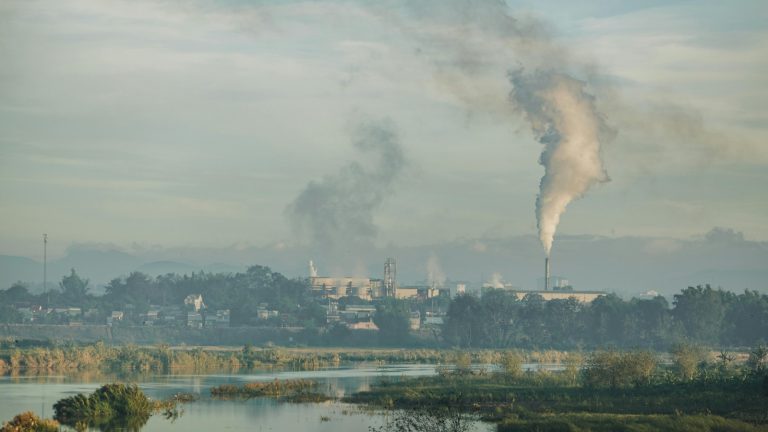
By conducting environmental audits and pollution assessments, setting measurable pollution-reduction targets and KPIs, and creating implementation roadmaps and phased approaches, you can develop a comprehensive pollution control strategy. The construction of a formal industrial pollution control system enables an industry to better implement industrial pollution control measures, comply with environmental standards, and improve operational sustainability.
Conducting Environmental Audits and Pollution Assessments
Environmental audits reveal sources of emissions, sections of poor wastewater, and other dangerous waste. Industries can obtain practical guidance on industrial emission control technology, air pollution solutions, and the reduction of toxic emissions by performing comprehensive pollution surveys.
Setting Measurable Pollution Reduction Targets and KPIs
By setting clear pollution reduction targets and KPIs, we could monitor the efficiency of industrial pollution control methods. Use of real-time data, AI analytics, and emissions monitoring is driving ‘industrial sustainability’ that can be systematically measured in the fight against climate change.
Not to mention that this is a part of resource-efficient operations to comply with environmental legislation.
Creating Implementation Roadmaps with Phased Approaches
It is a good approach to have phased implementation programmes for industries to progressively implement air pollution control technology, wastewater treatment systems, and industrial waste management.
This step-by-step system maximises pollution prevention methods and helps ensure continued operations while going green. It also enhances overall environmental compliance efforts.
What Are Australian Regulatory Requirements for Industrial Pollution?
The industries in Australia also have to adhere to regulations such as EPA licensing, environmental protection obligations, National Pollutant Inventory reporting (NPI), and state and territory-specific compliance frameworks. Let’s break them down now.
EPA Licensing and Environmental Protection Obligations
Australian industries must obtain EPA licences in order to operate legally and follow all environmental protection standards. They must follow laws and regulations, which are the foundation of effective industrial pollution control measures, as well as meet national environmental standards that require factories to monitor emissions, wastewater treatment plants, and disposal of hazardous waste.
National Pollutant Inventory Reporting Requirements
The National Pollutant Inventory (NPI) requires outflows or chemical discharges to be reported. Industries must achieve compliance, improve air quality management , and ensure sustainable production by combining emissions monitoring technology with real-time reporting systems in Australia.
State and Territory Specific Compliance Frameworks
Discharge standards, effluent treatment, and control of hazardous waste are mandatory in each Australian state and territory. The industrial world needs to adjust environmental compliance and resource requirements locally, while preserving business competitiveness and profitability.
How Does Smart Technology Transform Pollution Monitoring?
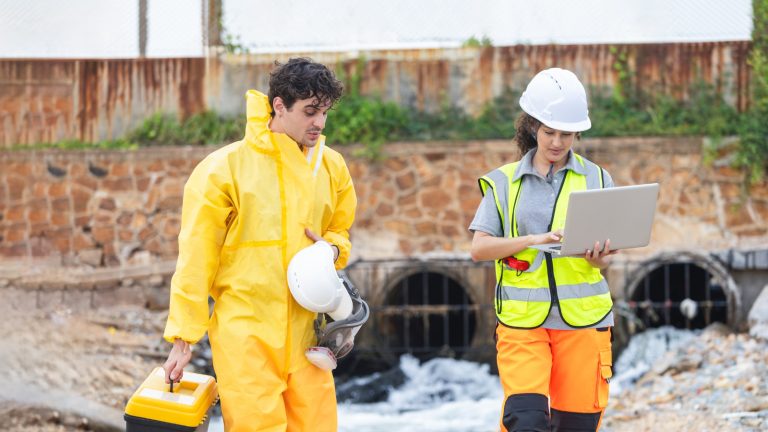
Intelligent technology, such as IoT sensors and AI analytics, is the key to a new era of industrial pollution control through accurate, real-time pollutant monitoring and data-driven decision-making.
Real-Time Air Quality Sensors and Continuous Emission Monitoring
Continuous Emissions Monitoring systems (CEMS) and real-time air quality monitoring stations help deliver instantaneous information to control local air pollution technologies. These products facilitate industrial pollution control, predictive monitoring, and compliance with environmental regulations while reducing greenhouse gas emissions.
AI-Powered Predictive Analytics for Pollution Prevention
The AI analytics uses past and present ecological information to project potential industrial pollution events. When predictive monitoring works in partnership with emission monitoring systems, industries maximise the ability to prevent pollution, minimise operational risk, and enhance sustainable industrial performance.
IoT Sensor Networks for Comprehensive Environmental Tracking
IoT sensor networks integrate air, water, and soil monitoring to provide complete pollution monitoring coverage. These systems enhance industrial pollution control methods, improve resource efficiency, and support digital transformation initiatives for smarter, sustainable operations.
What Are the Benefits of AI-Driven Pollution Control Systems?
Early detection of pollution events and system anomalies, predictive maintenance, data-focused optimisation of treatment processes are the main benefits of AI-driven pollution control systems.
Early Detection of Pollution Events and System Anomalies
Artificial intelligence systems will detect industrial pollution incidents early by processing data from real-time sensor networks. It enables rapid monitoring and indication of concentration changes, which is crucial for intervention timing, environmental impact reduction, air quality management optimisation, and industrial pollution control procedures to ensure safety and legal compliance.
Predictive Maintenance: Preventing Equipment Failures
Predictive monitoring and AI analytics can help industries predict the failure of wastewater treatment systems or scrubber sand emission control systems. This preventive maintenance minimises downtime, keeps industrial air pollution control systems operating effectively, and promotes environmentally friendly manufacturing.
Data-Driven Optimisation of Treatment Processes
Artificial intelligence systems improve industrial and wastewater treatment processes by using operational data for real-time operational control. Such findings contribute to better pollution abatement practices, advanced effluent treatment strategies, and resource conservation in industries toward an environmentally friendly operation.
How to Measure and Report Industrial Pollution Control Effectiveness?
By monitoring and reporting, it is possible to evaluate the success of industrial pollution control measures, ensure environmental compliance initiatives, and demonstrate sustainable operation philosophies.
Key Performance Indicators for Pollution Reduction
Key performance indicators (KPIs) such as emissions, effluent quality, and reduction levels for waste in industries are being monitored to determine the efficiency of industrial pollution control methods.
Combining pollution monitoring, real-time, and AI analytics results in accurate tracking, which paves the way for better decisions and compliance with environmental standards.
Environmental Reporting Frameworks and Sustainability Metrics
Industrial plants use environmental reporting requirements to report on their performance in air quality management, wastewater treatment facilities, and hazardous waste management. Sustainability indicators can also be used by industries to demonstrate their pollution prevention measures, such as treatment and resource efficiency, based on open industrial pollution control.
Third-Party Verification and Compliance Auditing
Third-party tools and onsite audits, in support of industrial pollution control techniques is an integral part of credibility and regulatory adherence. Independent reviews of emissions monitoring systems, treatment facilities, and waste management processes provide customers with confidence in performance and ensure compliance with environmental standards.
What Common Challenges Arise in Industrial Pollution Management?
- Balancing Pollution Control Costs With Operational Budgets
- Managing Regulatory Changes and Compliance Complexity
- Integrating Legacy Systems With Modern Monitoring Technology
Why Choose Tigernix for Industrial Environmental Monitoring?
With Tigernix Smart Wastewater Asset Solution, you can now work smarter. We provide intelligent AI-based industrial pollution control and emission monitoring submodules to keep the wastewater industry in Australia in compliance and deliver sustainable operations.
AI-Powered Wastewater and Air Quality Monitoring Solutions
Tigernix suite also incorporates AI analytics into wastewater treatment and air pollution control technology to monitor for anomalies, predict pollution events, and provide optimal treatment. This guarantees efficient industrial pollution control techniques and environmental code compliance.
Real-Time Sensor Networks With Predictive Analytics
With real-time data from IoT sensors and predictive monitoring, not only wastewater, but a variety of industries will have instantaneous insight into emissions or effluent quality. Tigernix applications facilitate preventing pollution, help with air quality control, and contribute to more effective industrial waste management capabilities.
Comprehensive Compliance and Reporting Capabilities for Australian Industries
Tigernix solution helps fulfill environmental regulations in Australia, such as NPI reporting and various state compliance regimes for industry. Emission control systems, water treatment facilities, and pollution monitoring are all integrated to comply with the regulations and allow for the sustainable operation of efficient industrial processes for air pollution prevention.
Ready to Transform Your Industrial Pollution Control Strategy?
With AI analytics and smart monitoring, and industrial pollution control solutions that underpin the end-to-end process, environmental results and operational efficiencies can be significantly enhanced.
Schedule a Consultation With Tigernix Environmental Experts
Get in touch with Tigernix experts to assess your industrial processes and wastewater treatment plant. Our expert advisors will ensure we use pollution prevention techniques for your specific site, best practices for environmental management, and help you align with the most efficient industrial pollution control technology for your needs.
Call for a free demo.
Discover How Smart Monitoring Can Reduce Pollution by 60%
Through the installation of our Tigernix solution that comes with IoT sensors, real-time information, and emissions monitoring cameras, you can reduce greenhouse gas emissions, optimise industrial waste management strategies, all while delivering quantifiable pollution reduction, ultimately powering sustainability in operations to be consistent with environmental regulatory requirements.
Tigernix- Cutting-Edge AI-Driven Environmental Management At Your Doorstep.
FAQs About Industrial Pollution Control
Industrial pollution control refers to strategies, technologies, and processes used to reduce or eliminate harmful emissions, wastewater discharges, and solid waste from industrial activities. It focuses on protecting air, water, and soil while ensuring regulatory compliance and sustainable industrial operations.
Industrial pollution control is important because it helps industries meet environmental laws, reduce health risks, and prevent ecosystem damage. Effective control also lowers long-term operational costs, improves brand credibility, and supports sustainable manufacturing by minimizing waste, emissions, and resource inefficiencies.
The main methods of industrial pollution control include air emission treatment systems, advanced wastewater treatment processes, solid and hazardous waste management, and pollution prevention techniques. These methods work together to reduce environmental impact across industrial air, water, and waste streams.
Industrial pollution control supports regulatory compliance by continuously monitoring emissions, effluent quality, and waste disposal practices. Industries use control systems and reporting tools to meet environmental standards, avoid penalties, and demonstrate accountability to regulators, stakeholders, and surrounding communities.
Technology improves industrial pollution control through real-time monitoring, automation, and AI-driven analytics. Smart sensors and data platforms detect pollution early, optimize treatment performance, and enable predictive maintenance, helping industries reduce emissions, wastewater contamination, and operational risks more efficiently.