
Did you know that more than 25 countries, with more than one quarter of the world’s people, are ‘extremely water-stressed’ every year, using up to 80% of their available renewable water supply? Freshwater scarcity is not a future problem but a global challenge of today. Due to the quick population explosion, climate change, urbanisation, and industrial development have strained the traditional sources of fresh water.
Among these facilities are ‘Desalination Plants’, as a source of fresh water from sea or brackish unpotable water. Today, more and more governments, cities, and industries are turning to desalination to secure their water supplies in the face of changing climates and new demand structures.
In this article, we reveal everything you need to know about Desalination Plants and their role in water supply.
We will explore
- What Are Desalination Plants and How Do They Work?
- Types of Desalination Plants Based on Technology
- Desalination Plant Design and Infrastructure Components
- Applications of Desalination Plants Across Industries
- Desalination Plant Cost, Energy Consumption, and Economics
- Environmental Impact and Sustainability of Desalination Plants
- Digital Transformation and Smart Desalination Plants
- FAQs About Desalination Plants
What Are Desalination Plants and How Do They Work?
To learn about high-tech solutions and sustainability considerations, we must first understand what desalination is all about. This section outlines how desalination plants operate, the science of salt removal from water, and what makes raw seawater drinkable or fit for industrial use.
Key Takeaways
- Desalination plants play a critical role in addressing global water scarcity by converting seawater and brackish water into safe, usable freshwater for municipal and industrial needs.
- Advances in technology, energy efficiency, sustainability practices, and digital transformation, such as AI, automation, and renewable integration, are significantly reducing costs and environmental impact.
- As water demand rises and climate pressures intensify, smart and sustainable desalination is becoming a cornerstone of future water security.
Understanding the Desalination Plant Process Step by Step
The desalination plant process starts with the intake of saline water, which is commonly found in oceans or underground. This water first travels through pretreatment units, which eliminate debris, suspended solids, and biological contaminants.
The next stage, the core desalination process, is where salts and minerals are removed from water, either by membranes or by heat.
Finally, post-treatment analyses mineral levels and disinfects the water before delivering it to customers, meeting quality guidelines.
Desalination Plant Working Principle Explained Simply
The desalination plant working principle revolves around dividing dissolved salts from water molecules. In membrane mechanisms, pressure drives the water through semipermeable membranes that exclude salts.
Further, in thermal systems, heat separates from water and, as its own phase evaporates, salt is removed. Then, the water vapor that has condensed during the cooling process turns into freshwater.
The common goal remains to produce clear water efficiently.
Difference Between Seawater and Brackish Water Sources
Desalination, however, is not always about ocean water. Brackish water desalination process tackles water less saline than seawater, which is abundant in underground aquifers or estuaries.
Also, brackish water is not as salty as seawater, so processing it is equally affordable and does not in need of much energy or facilities.
That makes it a reasonable alternative source of freshwater in inland areas that have freshwater issues.
Desalinated Water Treatment Before Distribution
Desalinated water treatment after salting out is necessary for sterilised and clean drinking water. These include remineralisation, which adds back essential minerals; pH correction, which limits corrosion; and disinfection, which kills pathogens.
This is where the correct treatment, through follow-up, ensures that the water is potable or can be used for agriculture or in industrial processes.
Types of Desalination Plants Based on Technology
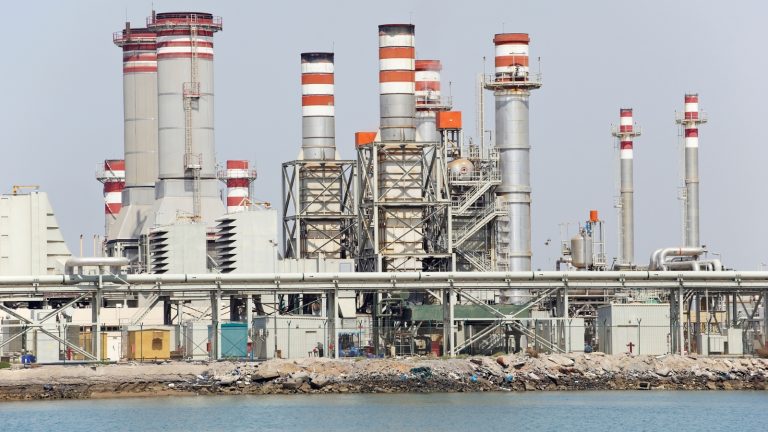
It is evident that current desalination methods take many forms, each reflecting the particular scale, source of water, and energy availability. Awareness of these technologies assists decision-makers in selecting the most cost-effective and environmentally friendly alternative.
Reverse Osmosis Desalination Plants and Their Dominance
Reverse osmosis desalination plants stand out as the most implemented systems worldwide. Why is that?
These plants press seawater through salt-rejecting membranes under high pressure, a technology known as seawater reverse osmosis (SWRO). Their efficiency, modular design, and reduced energy requirement as compared to temperature-based treatment make them particularly suitable for municipal and industrial systems.
Membrane-Based Systems and Their Efficiency
At the core of current desalination is membrane filtration technology. High-salt rejection, high reuse ability, and low-E-environmental impact are all key focus points of designing new membranes.
The best part is that the ongoing development of membrane materials has dramatically decreased operating costs. This is where the desalination has become more attractive to areas or countries hindered by high energy costs.
Thermal Desalination Methods Used Worldwide
Although the popularity decreased after the 1980s, thermal desalination methods are still in use, especially in areas with a high availability of heat or energy.
These systems are driven by heat, which is used to evaporate saline water and then condense the resulting vapour into freshwater. Thermal power stations are very common, serving those areas where it is economical to deliver coal.
Multi-Stage Flash Distillation (MSF) in Large Facilities
Multi-stage flash distillation (MSF) is a well-established thermal process for large-scale desalination plants. In this context, water is heated, and then there is a series of pressure drop evaporation chambers.
Moreover, MSF technology is sturdy, reliable, and can produce large quantities of drinking water and remain feasible for mega-scale plants.
Multi-Effect Distillation (MED) for Energy Optimisation
In Multi-effect distillation (MED), efficiency is improved by using the heat over several evaporation levels.
However, MED has better thermal performance, lower power requirements compared to MSF, and is the favoured technology if sustainability as well as OPEX savings are a priority.
Desalination Plant Design and Infrastructure Components
Did you know that desalination plant design is an important point due to the importance of plant performance, cost, and environmental impact? From feed to final discharge, everything must be designed with the utmost care.
Intake and Outfall Systems for Seawater Desalination
If you wonder what these are, the intake and outfall system are systems that govern the way seawater enters and leaves seawater desalination plants.
Optimum intake designs reduce impacts on marine life, while well-designed outfall systems result in the controlled and safe spread of treated brine. Also, these plants are essential to ensure the protection of air quality and compliance with regulations.
Pretreatment Units and Filtration Stages
Pretreatment is the separation of sediment, organic matter, and microorganisms before desalination. This protects membranes and thermal equipment from fouling and scaling, extending system life while maintaining high performance.
Core Treatment and Separation Units
The core parts of the machines do the actual desalination, whether it is done with membranes or by thermal evaporation. Their architecture dictates water-collection efficiency, energy efficiency, and operational stability.
Post-Treatment, Storage, and Distribution Systems
Desalinated water is stabilised, stored, and transmitted by pipelines. Post-treatment must be compatible with the infrastructure and end-use requirements, especially for desalination plants for drinking water.
Applications of Desalination Plants Across Industries
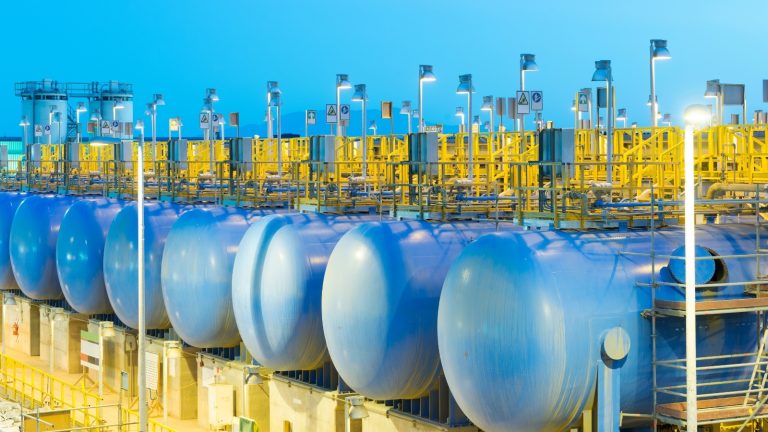
Thanks to the concept and technology of desalination, seawater may no longer be off limits. It is not limited to the water supply of coastal cities. Its uses span multiple industries and help foster economic growth and resilience.
Municipal Desalination Plants for Urban Water Supply
As you can see, municipal desalination plants are supplying increasingly burgeoning cities with a reliable drinking water source.
They also relieve the need for rainfall and rivers, providing a reliable supply even in drought years.
Industrial Desalination Plants for Manufacturing and Energy
Industrial desalination plants serve the power generation, manufacturing, and oil and gas industries.
In such contexts, cooling, processing, and steam generation require high-quality water; therefore, desalination becomes a vital asset.
Desalination Plants in Water Scarcity Regions
Desalination plants in water scarcity regions also provide for security of supply in arid and semiarid regions where traditional sources of freshwater are unavailable.
Desalination Plants for Drinking Water Safety
The main advantage of well-designed and operated desalination plants for drinking water supply is that they produce safe, high-quality potable water that meets internationally recognised health standards.
Desalination Plant Cost, Energy Consumption, and Economics
If you expect to assess the desalination feasibility and sustainability, it is important to consider financial and energy-related aspects.
Capital and Operational Desalination Plant Cost
The desalination plant cost is made up of several capital costs, such as civil works, membranes or thermal units, pumps and pipes, land acquisition, and intake–outfall infrastructure.
Moreover, its operating costs include energy, chemicals, membrane change-out, labour, and maintenance. It is true that the initial capital cost is high, but its increased levels of automation, the use of energy recovery devices, and more efficient plant design are lowering long-term OPEX and lifecycle costs.
Desalination Plants Energy Consumption Explained
For large-scale plants, desalination plants’ energy consumption continues to be one of the most significant economic and environmental considerations. In such applications, energy is needed, principally for high-pressure pumping or thermal heating.
Further, advanced membranes, variable-speed drives, and energy recovery systems mean these plants consume substantially less electricity per cubic metre of water produced.
Cost Comparison Across Technologies
If you compare, you will notice that reverse osmosis systems usually have lower running costs than thermal desalination processes, because of the low power input. However, the economics of energy production overall do depend on water salinity and plant size, and on energy prices as well as waste heat.
With lower-cost energy, thermal options may still be attractive in some areas, with membrane designs shown to dominate when cost and sustainability are key drivers.
Role of Solar-Powered Desalination Plants
Solar-powered desalination plants use photovoltaic or solar thermal energy to offset energy from the grid, reducing carbon emissions. They work particularly well in sunny areas with poor grid power or if the cost of electricity is high.
For operators, the bundling of renewables means cost predictability, more attractive sustainability performance, and long-term energy cost protection.
Environmental Impact and Sustainability of Desalination Plants
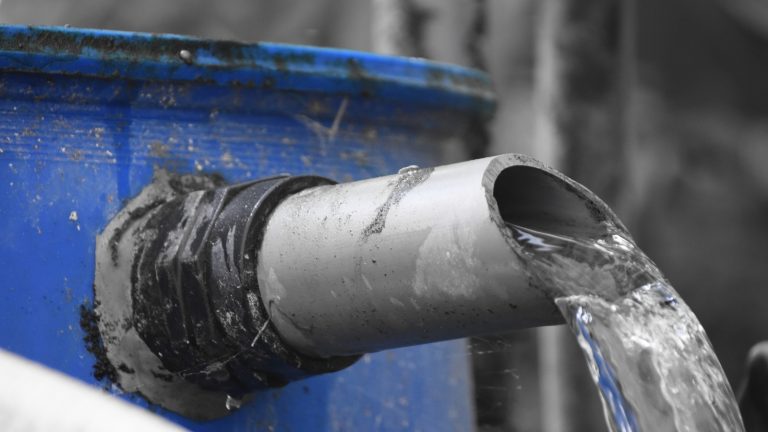
As desalination expands around the world, have you noticed that sustainability is becoming an increasing priority? It is necessary to consider the environment in order to gain popularity for the long term.
Brine Disposal Management and Marine Protection
Effective brine disposal management is fundamental in order to maintain the health of marine ecosystems as desalination becomes more widespread. If not released properly, very salty brine can raise salinity and harm marine life.
Also, modern plants have introduced diffusers, deep-sea outfalls, and real-time monitoring to guarantee rapid dilution. Emerging approaches also emphasise the reuse of brines for mineral extraction and industrial applications, further reducing ocean discharge volume and environmental performance.
Carbon Footprint of Desalination Plants
The carbon footprint of desalination plants is primarily driven by electricity use and the energy sources used. Fossil-fueled power plants create more greenhouse gas emissions, a sustainability concern.
To mitigate this, many of the new desalination plants now under development are incorporating renewable energy, energy recovery systems, and low-pressure membranes. As you can see, carbon accounting and ESG frameworks are being implemented by governments and operators to quantify emissions and ensure desalination operations complement global climate objectives.
Energy Optimisation Strategies
Energy efficiency is critical to lessen the environmental burden of desalination. Sophisticated energy recovery systems now extract and recycle pressure energy contained in the brine streams, resulting in a massive reduction of power demand.
This is where enhanced membrane materials, smart process control, and system-level optimisation further minimise energy waste. Since 2025, these optimisation approaches have more and more incorporated automation, AI-based analytics, and hybrids for renewables to reach even lower OPEX with greater sustainability.
Desalination Plant Sustainability Initiatives
Desalination plant sustainability is about managing our water security and maintaining the environment, while also making a social difference.
Such solutions include ‘green’ desalination powered by renewables, environmentally responsible intake system designs, sustainable brine disposal, and minimising chemical use. In addition, the strategy for sustainability also includes community participation, regulatory openness, and impact throughout the product’s life.
With ESG adherence becoming a regulatory necessity in so many locations, sustainability is no longer an optional consideration but a fundamental component for the long-term approval and financing of desalination projects.
Regulatory and Environmental Compliance
We all know that compliance with regulations and the environment is necessary for desalination operations to conform to the national as well as international environmental requirements. EPA regulates intake methods, discharge salinity levels, treatment chemical use, and discharges to protect aquatic life and human health.
Over the past years, there has been an increased demand for compliance and some areas with strict monitoring and reporting. Following such requirements not only mitigates environmental risk, but it can also increase public acceptance and long-term operational stability.
Digital Transformation and Smart Desalination Plants
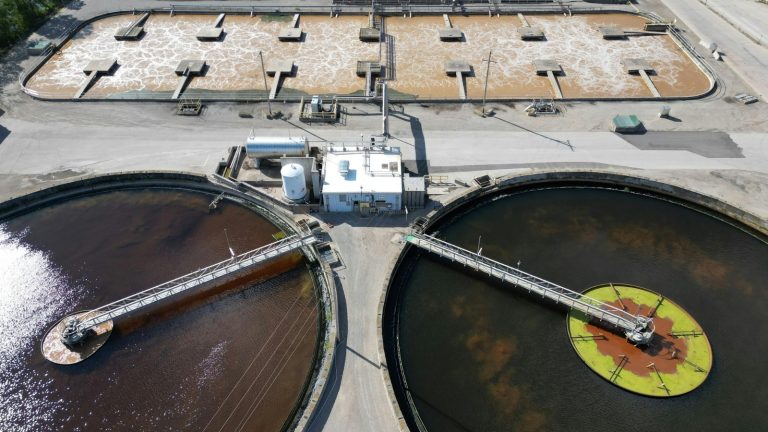
The digital age is changing the way desalination plants are planned, managed, and maintained. Intelligent solutions ensure increased efficiency and reduced downtime for sustainable results.
With automation, real-time monitoring, and data-driven intelligence now integrated in contemporary plants, desalination facilities can adapt to fluctuations in demand for water as well as fluctuating energy prices and can maximise system resilience. The plants can minimise costs in the dynamic environment of today’s water industry.
Desalination Plant Automation for Efficiency
Desalination plant automation opens the way to limit human intervention and error. In this realm, automated control systems are used to control pressure, flow rates, and chemical dosing accurately, enhancing uniformity and security.
Further, automation allows quicker response to variances in operations, minimising downtime and maintenance costs.
Desalination Plant Monitoring Systems
Contemporary desalination plant monitoring systems offer a real-time look at system performance, water quality, energy consumption, and equipment condition. Sensors, dashboards, and cloud-based platforms enable operators to detect anomalies at the earliest opportunity and continuously optimise operations.
Advanced monitoring ensures regulatory compliance, predictive maintenance, and optimised energy use. Monitoring systems are getting smarter and working cooperatively with other monitoring systems, and are in demand for large-scale, massive capacity, critical-to-mission reverse osmosis desalination plants.
AI in Desalination Plants
AI in desalination plants is where predictive analytics, combined with intelligence-based decision-making, is changing the way operations are conducted. Data-driven machine learning algorithms use historical and live data to forecast membrane fouling, optimise energy consumption, and generate a forecast of water demand.
Here is the point at which AI-powered guidance enables operators to minimise costs, extend the life of assets, and ensure reliability. As data is available and computing power continues to grow, AI increasingly plays a critical role in enabling smarter, more sustainable desalination.
Digital Twin for Desalination Plants
A digital twin for desalination plants creates a virtual copy of the physical assets and processes that support advanced simulation and optimisation. With this technology in hand, operators can simulate scenarios, review design changes, and forecast performance under different conditions without interrupting actual operations.
At this juncture, digital twins are increasingly applied for commissioning, operator training, and life-time planning. In the next few years, we will witness that they act as a driving tool for efficiency, resilience, and sustainability in complex desalination systems.
Are Desalination Plants the Future of Water Security?
With climate change, population growth, and densification of urban areas, water resources around the world are under pressure. As you can see, many governments see a desalination plant as a scalable solution. Desalination is increasingly growing among the sustainable pillars for global water utilities, given its technological advances and renewability, as well as side-by-side with digital intelligence.
The Tigernix Water Asset Solution, Industry 4.0 enabled, supports desalination plants in streamlining operations by providing them with real-time tracking ability along with predictive maintenance and intelligent asset management capabilities.
Utilising data-driven insights, automation, and digital twins, Tigernix Water Asset Solution lowers energy usage, reduces downtime, extends asset life, and cuts operating and maintenance expenses by a significant amount.
Call for a free demo today.
Tigernix-The Best Solution in The Quest for Water Protection.
FAQs About Desalination Plants
The main purpose of desalination plants is to convert seawater or brackish water into freshwater suitable for human consumption, industrial use, and agriculture. They provide a dependable water source in regions where natural freshwater supplies are scarce or unreliable.
Yes, desalination plants are safe for drinking water when properly operated. Advanced filtration, desalination, remineralisation, and disinfection processes ensure the water meets international drinking water quality and public health standards before distribution.
Desalination plants are capital-intensive, with costs varying by size, technology, energy source, and location. While construction costs are high, operational expenses are decreasing due to energy-efficient systems, advanced membranes, automation, and renewable energy integration.
Desalination plants can impact the environment through energy use and brine discharge. However, sustainable plant design, renewable energy adoption, controlled brine disposal, and strict environmental regulations significantly reduce ecological risks and long-term environmental impact.
Desalination is most widely used in arid and coastal regions with limited freshwater resources, including the Middle East, North Africa, island nations, Australia, and parts of the United States, where conventional surface and groundwater supplies are insufficient.