

Worldwide, communities confront economic water scarcity cause even in areas with available physical water. This guide talks about why millions of people still do not have safe water and safe drinking water while they are living near rivers, lakes, or underground sources. The environmental water scarcity driver arises when infrastructure, governance, and investment processes are unable to convert available water resources into accessible water.
The global water crisis is worsening, and with water scarcity identified as a critical developmental issue, tackling the economic water scarcity cause is an imperative for public health, resilience, and longer-term economic development. Addressing this problem is the responsibility and opportunity of water technology and infrastructure providers.
We will reveal
- What Is Economic Water Scarcity?
- Economic Water Scarcity vs Physical Water Scarcity
- Main Causes of Economic Water Scarcity
- Impacts of Economic Water Scarcity
- Why Infrastructure Matters in Solving Economic Water Scarcity
- Role of Technology in Addressing Economic Water Scarcity
- FAQs About Economic Water Scarcity
What Is Economic Water Scarcity?

Economic water scarcity is a term describing people who may live in water-scarce conditions, requiring the water that they need, even though there may be freshwater resources in their region for all other purposes. This part discusses the understanding and reasons behind the fact that infrastructure is the core of economic water scarcity cause.
Key Takeaways
- Economic water scarcity usually arises from a lack of infrastructure and investment in water, or if the necessary institutions are not in place to use existing resources effectively.
- Key causes are insufficient water distribution, poor water management, underinvestment, rapid urbanisation, and technology shortfalls.
- These have vast effects on public health, agriculture, industrial development, and the environment, leading to increasing water stress, lack of access to clean drinking water, and more water-related diseases.
- With modern water infrastructure, intelligent technology, and integrated water stewardship, utilities can maximise the life of their assets while providing safe and efficient water services.
Definition of Economic Water Scarcity
Economic water scarcity is a condition in which freshwater resources physically exist in a region, but communities cannot access them due to a lack of infrastructure, insufficient investment, poor governance, or institutional failures. Water is present — in rivers, lakes, or aquifers — but the systems required to treat it, distribute it, and make it safe for use have not been built, maintained, or equitably managed.
The FAO defines economic water scarcity as “a situation caused by a lack of investment in water, or a lack of human capacity to satisfy the demand for water.” The IPCC further notes that economic water scarcity can occur even when infrastructure exists, if “water distribution is inequitable” — meaning some communities are excluded from access even where water systems serve adjacent areas.
Note on spelling: The correct term is “economic water scarcity” (relating to economic systems and investment). The variant “economical water scarcity” is a common misspelling but refers to the same concept.
Scale: The FAO estimates that more than 1.6 billion people currently face economic water scarcity — a figure that includes much of sub-Saharan Africa, parts of South and Southeast Asia, and communities in Latin America and the Pacific, including remote and Indigenous communities in Australia.
Symptoms of Economic Water Scarcity
When economic water scarcity is present, the effects are visible across communities, public health, agriculture, and economic output. The key symptoms are:
Waterborne disease prevalence:
Communities without access to treated, piped water rely on surface water sources — rivers, ponds, and unprotected wells — that are prone to contamination. Cholera, typhoid, dysentery, and diarrhoeal diseases are direct symptoms of economic water scarcity. The World Health Organization estimates that 80% of diseases in developing countries are linked to inadequate water and sanitation.
Time burden of water collection:
Where piped water infrastructure is absent, collecting water becomes a daily task consuming hours of time — predominantly falling on women and children. This time cost directly reduces school attendance, productive work hours, and economic opportunity. In sub-Saharan Africa, women and children collectively spend an estimated 40 billion hours per year collecting water.
Food insecurity and agricultural failure:
Farmers without access to reliable irrigation infrastructure face crop failure during dry periods even in regions where groundwater is present but inaccessible. Economic water scarcity in agricultural areas drives food price volatility and nutrition deficits.
Urban-rural access inequality:
One of the clearest symptoms of economic water scarcity is the gap between urban and rural water access within the same country or region. Cities may have functioning water treatment and distribution systems while nearby rural communities access untreated surface water — a gap that reflects infrastructure investment priorities, not water availability.
Stunted industrial and economic development:
Industries that require consistent water supply — manufacturing, food processing, energy generation — cannot establish or expand in areas with unreliable water infrastructure. This creates a cycle in which economic water scarcity directly suppresses the economic activity that would generate the investment needed to solve it.
Informal water market exploitation:
When formal water infrastructure fails, informal water markets emerge — tanker trucks, bottled water vendors, and private suppliers who charge prices far above what a functioning municipal system would cost. Communities experiencing economic water scarcity frequently pay 10 to 20 times more per litre of water than households with piped connections.
Economic Water Scarcity vs Physical Water Scarcity
Differentiating between economic and physical water scarcity enables decision-makers to design specific solutions that address immediate risks while mitigating long-term water risks.
What Is Physical Water Scarcity?
Physical water scarcity occurs when there is not enough natural freshwater to meet demand. Water scarcity is severe in regions with low precipitation, limited renewable freshwater resources or protracted periods of drought, which leads to severe water scarcity.
In such places, groundwater drops away, rivers shrink, and ecosystems wilt. Climate variability, floods, and ineffective flood control exacerbate extreme water stress, which means that communities face an acute water availability even when relying on infrastructure solutions.
Economic Water Scarcity vs Physical Water Scarcity: Key Differences
The fundamental distinction is availability versus access.
| Physical Water Scarcity | Economic Water Scarcity | |
|---|---|---|
| Core problem | Not enough water exists naturally | Water exists but cannot be accessed |
| Cause | Geographic, climatic, ecological | Infrastructure gaps, underinvestment, poor governance |
| Nature | Natural constraint | Man-made, systemic failure |
| Example regions | Middle East, North Africa, arid Central Asia | Sub-Saharan Africa, rural South Asia, remote Pacific |
| Solution pathway | Desalination, water transfer, demand management | Infrastructure investment, governance reform, technology |
| Can coexist? | Yes — regions can face both simultaneously | Yes — overlapping in many developing regions |
The critical insight is that the same community can face both types. Southeast Australia experiences physical water scarcity from low rainfall and drought cycles; simultaneously, remote and Indigenous communities in Australia’s interior may experience economic water scarcity — water sources exist, but the infrastructure to deliver safe, treated water at scale has not been built or maintained to the same standard as urban systems.
Main Causes of Economic Water Scarcity
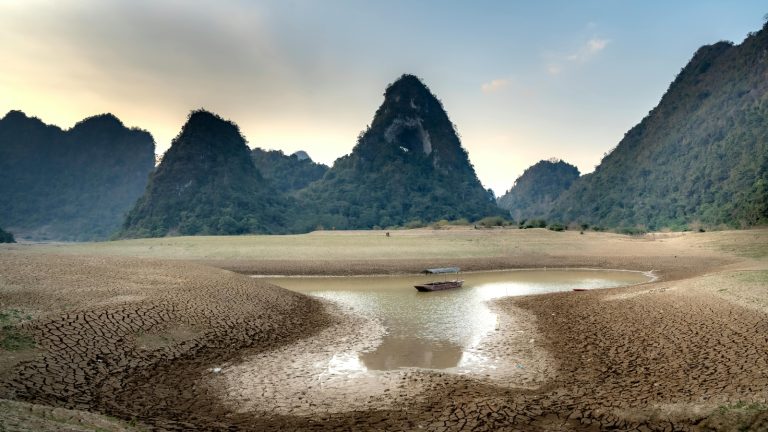
As it is visible, economic water scarcity mainly stems from the interconnected structural issues. Each factor compounds the others, while paving the way for persistent water shortage conditions.
Lack of Water Infrastructure
One of the major factors that can cause economic water scarcity is a lack of potable water, which is exacerbated by the depletion of water resources and an ageing population. Leaking pipes, inadequate water storage, and insufficient treatment plants reduce usable water supplies before they reach homes.
This lack of attention to the infrastructure weakens resistance to floods and droughts. This means that the whole communities are left without basic water.
As you can see, the human density and urbanisation are rising, and infrastructure gaps are increasing, which makes economic water scarcity more severe.
Poor Water Governance and Policy Failures
Low-quality government is another important economic water scarcity cause. A fragmented institutional responsibility and poorly enforced regulations weaken integrated water resources management and result in inefficient water withdrawals.
Poorly coordinated policies in many locations result in deterioration of groundwater quality from pollution and uneven access due to unfair pricing and allocation. It means that in the absence of accountability, water is scarce across communities, even where no such scarcity should exist.
Insufficient Investment in Water Systems
Economic water scarcity further perpetuates the chronic underinvestment. Utilities cannot afford to upgrade water filtration, increase treatment capacity, or maintain wells.
This leads to unsafe drinking water and rising water-borne disease and health costs. Further, unchecked infrastructure leads to economic decline, and well-planned investment provides long-term economic gains and preparedness for future water stress.
Rapid Urbanisation and Population Growth
Accelerated urban expansion exacerbates economic water scarcity through pressure on existing water infrastructure. When cities grow faster than infrastructure, household access to water diminishes, and informal settlements are not equipped with safe water connection points.
Residents struggle with the time-consuming water collection, while utilities are severely stressed by high-demand periods. These circumstances illustrate how planning failures, rather than absolute scarcity of water, induce economic scarcity.
Technology Gaps in Water Management
The technology available to us today is outdated, which restricts visibility of leaks, values, stress on water, and contamination. Utilities have no tools to monitor, let alone manage, terrestrial water storage, over-scaled pollution, or the preservation of clean freshwater.
This is where contemporary digital infrastructure empowers water utilities to combat economic water scarcity by maximising operational efficiency and leveraging data-informed investment decisions.
Causes of Water Scarcity in Australia
Australia faces a complex combination of both physical and economic water scarcity. These challenges often occur simultaneously and affect regions differently across the country.
Physical Drivers
Australia is the driest inhabited continent on Earth, making water availability a constant national concern. Climate change has intensified this pressure through reduced rainfall, rising temperatures, and higher evaporation rates.
The Murray-Darling Basin, which supports around 40% of Australia’s agricultural production, has experienced major declines in average water inflows over the past two decades. Reduced rainfall and prolonged drought conditions have placed increasing strain on rivers, reservoirs, and irrigation systems.
Southern Australia has also experienced a long-term drying trend. In Perth, dam catchment areas have received 50–60% less rainfall compared to historical averages recorded before the 1970s. These declining water supplies continue to challenge both urban and agricultural water security.
Economic Drivers
Although Australia has advanced urban water infrastructure, economic water scarcity remains a serious issue in many regional, rural, and remote communities.
Several factors contribute to this challenge:
- Ageing infrastructure in regional towns where water treatment and distribution systems have not kept pace with population growth or changing water quality conditions.
- Groundwater-dependent communities in remote areas where treatment and supply infrastructure remains underfunded.
- Limited infrastructure investment in some remote Indigenous communities, creating ongoing gaps in access to safe and reliable water services compared to urban regions.
In many cases, water resources may physically exist nearby, but communities still struggle to access safe and treated water consistently.
Governance Challenges
Australia’s water management system is divided across federal, state, and territory governments. This creates additional complexity in planning, funding, and regulating water infrastructure.
Water trading markets, irrigation rights, and environmental flow allocations under the Murray-Darling Basin Plan further complicate decision-making processes. As a result, some communities fall between overlapping governance responsibilities and fail to receive adequate infrastructure investment.
These coordination gaps can contribute directly to economic water scarcity, particularly in smaller or geographically isolated communities.
Economic Water Scarcity: Real-World Examples
Democratic Republic of Congo — Water Abundance, Infrastructure Absence
The Democratic Republic of the Congo is one of the most cited examples of economic water scarcity at a national scale.
The DRC holds approximately 52% of Africa’s surface water — the Congo River is the world’s second largest by discharge volume. Despite this extraordinary water abundance, less than 1% of the DRC’s rural population has access to on-premises piped water.
The cause is not drought, rainfall deficit, or geological scarcity — it is decades of underinvestment in water infrastructure, combined with conflict-related damage to existing facilities.
Communities live kilometres from rivers containing abundant freshwater while collecting water from unprotected, contaminated sources. This is economic water scarcity in its most direct form: the resource exists; the system to deliver it does not.
Flint, Michigan, USA — Infrastructure Failure in a Developed Economy
Economic water scarcity is not exclusive to developing nations. The Flint, Michigan water crisis (2014–2019) demonstrated that infrastructure failure and governance breakdown can create economic water scarcity even in high-income countries.
Cost-cutting decisions by city administrators switched Flint’s water source from treated Lake Huron water to the Flint River without applying corrosion control treatment.
The result was lead leaching from ageing pipes into the drinking water supply of approximately 100,000 residents. The failure was not a shortage of water — the Flint River contained ample freshwater.
It was an infrastructure and governance failure that made available water unsafe to use, illustrating how economic water scarcity can manifest in any context where investment and institutional quality are insufficient.
Australia — Remote and Indigenous Community Water Access
Within Australia, economic water scarcity affects remote and Indigenous communities despite the country’s sophisticated urban water infrastructure.
Many remote communities — particularly in outback Queensland, Western Australia, the Northern Territory, and South Australia — rely on groundwater sources that require treatment for safe consumption, but where treatment infrastructure is limited, ageing, or absent.
The National Centre for Groundwater Research and Training has documented that water quality in many remote Indigenous communities does not meet Australian Drinking Water Guidelines, not because suitable water resources are unavailable, but because the investment in treatment and distribution infrastructure has not been maintained at the same standard as urban systems.
This internal water access inequality — within a high-income country — reflects the economic water scarcity pattern: resources exist, but the systems to make them safe and accessible have not been equitably built.
Impacts of Economic Water Scarcity
If you look into the impacts of economic water scarcity, you will notice that they extend across various industries such as economies, health, and ecosystems. They pose a systemic development risk.
Social and Public Health Impacts
Unreliable water availability is a major cause of waterborne diseases such as cholera. The quality and scarcity of water, sanitation, and hygiene are harnessed in a discriminatory manner.
They not only put vulnerable people at a disadvantage, but also seal off their fate. Education and economic returns might drop in areas with poor water and sanitation services.
This type of effect shows how the economic water scarcity cause reduces human welfare immediately.
Economic and Industrial Consequences
Businesses rely on a consistent water supply to operate. If water is short, costs rise, and production becomes irregular or is put out of service, fewer jobs are available.
On a nationwide basis, economic water scarcity causes a holdup in economic recovery and makes new investment difficult. Also, durable infrastructure releases supply chain constraints by opening up economic enclosures.
Agricultural and Food Security Risks
Agriculture accounts for the bulk of global water withdrawals and is vulnerable to water stress as a result. Thirsty crops, inefficient irrigation, and poorly designed irrigation systems put new pressure on freshwater resources.
If rural farmers are short of water, food prices rise.
Environmental Degradation
River ecosystems are damaged by water bodies contaminated with human sewage, and over time, such pollution leads to a loss of biodiversity. The long-term water risks keep growing with time.
Why Infrastructure Matters in Solving Economic Water Scarcity
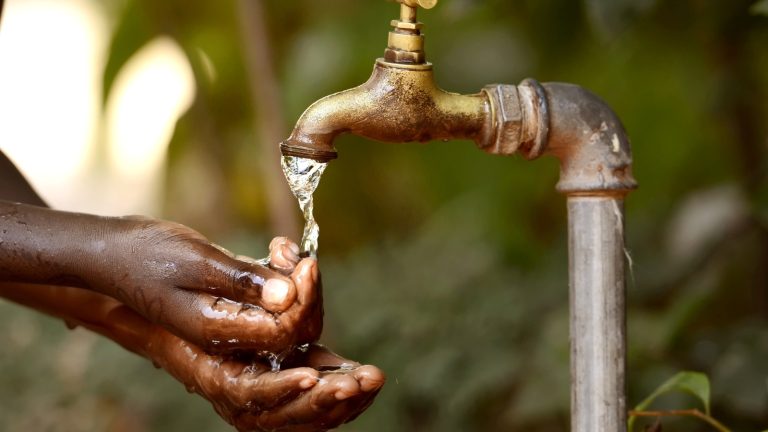
Pragmatic action on infrastructure is what will make water available when it is accessible.
Water Storage, Treatment, and Distribution Systems
Reservoirs, modern water treatment plants, and water supply networks guarantee the safety of your drinking water in floods or drought. This buffer against the perils of seasonal variation has small reservoirs for storing water.
Further, advanced processing plants achieve non-natural levels of treatment of household drinking water quality. It is in these kinds of ways that smarter infrastructure can directly avoid pests or diseases that result from water shortages.
Smart Water Infrastructure and Digital Monitoring
Smart infrastructure, with sensors and analytics to monitor flows and curtail losses. Digital platforms support local water utility managers to ensure safe wastewater reuse and quickly respond to the impacts of drought.
They are in direct response to the economic water scarcity, as it is this which improvement of reliability will address.
Reducing Water Loss and Non-Revenue Water
A decrease in non-revenue water replaces fresh water reserves with no new withdrawal. Leak detection and pressure management serve to safeguard limited water supplies and increase water security in water-stressed areas.
Role of Technology in Addressing Economic Water Scarcity
Technology can address the economic water scarcity cause on a scalable, long-term basis.
Smart Water Management Systems
Centralised systems are platforms where treatment plants and water collection points’ data are combined. These tools facilitate the equitable distribution of water and combat situations that create water scarcity and misuse.
AI, IoT, and Digital Twins in Water Infrastructure
Sophisticated tools model the impact of river basins, predict failures, and optimise water systems. These solutions reduce high water vulnerability and build resilience.
Data-Driven Policy and Planning
Credible information drives collaboration with entities such as UN-Water, WaterAid, and work underway on the ‘ceo water Mandate’, robust efforts to promote strong international water stewardship.
How Tigernix Smart Water Asset Solution Addresses Economic Water Scarcity
Tigernix Smart Water Asset Solution is a fully-integrated, all-digital platform to address the causes of economic water scarcity by increasing control and visibility over water infrastructure. By integrating real-time data, analytics, and asset intelligence, Tigernix’s solution enables utilities to transform available water resources into the reliable delivery of safe, affordable water.
Optimising Water Infrastructure and Asset Performance
Tigernix provides utilities with the ability to track water assets in real time, gain insights from early leak detection, lower non-revenue water, and lengthen asset lives. This will directly target the problem of economic water scarcity, as existing schemes will be optimised to deliver both service and security in terms of water delivery.
Enabling Data-Driven Water Management and Planning
Enabling proactive maintenance, informed investment planning, and optimal water distribution through centralised dashboards and predictive analytics, Tigernix smart solution helps utilities bridge the governance and operational divides that are contributing to economic water scarcity.
Call for a free demo now.
Tigernix-Every Drop of Water is Safe with Us.
Smart Infrastructure Is the Missing Link in Water Access
The underlying reason for economic water scarcity demonstrates that global water scarcity is a systems problem and not only a natural problem. By increasing investment in resilient infrastructure, smart technology, and water protection, we can protect freshwater resources, decrease water stress, and ensure safe water for all future generations.
FAQs About Economic Water Scarcity
Economic water scarcity is a condition in which freshwater resources physically exist in a region, but communities cannot access them due to a lack of infrastructure, insufficient investment, poor governance, or institutional failures. The FAO defines it as “a situation caused by a lack of investment in water, or a lack of human capacity to satisfy the demand for water.” More than 1.6 billion people globally are affected.
Physical water scarcity occurs when there is genuinely not enough natural freshwater to meet demand — due to low rainfall, drought, or geographical conditions. Economic water scarcity occurs when water physically exists but cannot be accessed because the infrastructure, investment, or governance needed to deliver it is absent or inadequate. A community next to a river can face economic water scarcity if no treatment plant or distribution system exists to make that water safe and accessible.
The main symptoms of economic water scarcity include high rates of waterborne disease (cholera, typhoid, dysentery), significant time burden on women and children collecting water from distant or unprotected sources, food insecurity from unreliable agricultural water access, inequality between urban and rural water access within the same region, suppressed industrial and economic development, and exploitation by informal water markets charging prices far above what piped infrastructure would cost.
The Democratic Republic of the Congo is the most cited example — it holds 52% of Africa’s surface water yet less than 1% of its rural population has piped water access. The Flint, Michigan crisis (2014–2019) showed economic water scarcity in a high-income country, where infrastructure failure and governance breakdown made safe water inaccessible. In Australia, remote and Indigenous communities in outback areas face economic water scarcity despite adequate groundwater resources, due to underinvestment in treatment and distribution infrastructure.
In Australia, economic water scarcity is caused by a combination of ageing regional infrastructure, underinvestment in water systems serving remote and Indigenous communities, jurisdictional complexity in water governance across federal and state levels, and the particular gap between urban infrastructure standards and those in outback and rural areas. While Australia has sophisticated urban water systems, significant inequalities in water access quality exist in remote communities.
Yes — “economical water scarcity” is a common misspelling or variant of the correct term “economic water scarcity.” Both refer to the same condition: freshwater is physically available but cannot be accessed due to infrastructure gaps, underinvestment, or poor governance. The correct technical and academic term is “economic water scarcity.”