

Would you believe that today, it is possible to adequately treat wastewater such that it no longer requires huge clarifiers, and you can reuse the water? Membrane Bioreactor (MBR) is rapidly establishing itself as the technology of choice for cities, industries and communities in order to meet more rigorous water treatment standards: it is a smarter way to do things.
With increased global water scarcity and more stringent environmental restrictions, MBR systems have become a leading technology for producing high-quality effluent consistently out of a smaller footprint in an easy-to-operate, sustainable system.
This article discusses what MBR technology is, how it functions, the global appeal of this emerging trend and why it is considered one of the most exciting developments in wastewater treatment.
What is MBR?
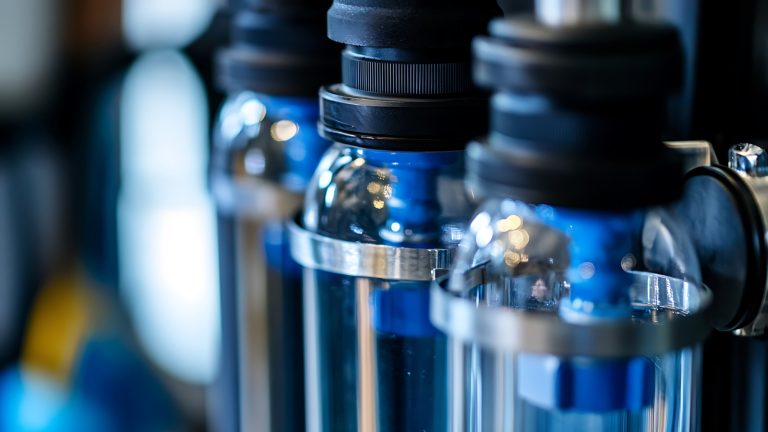
Membrane Bioreactor (MBR) is a state-of-the-art wastewater treatment technology that combines the traditional biological treatment with membrane filtration.
Let us explain how it differs from conventional methods. Just like the regular activated sludge system, an MBR can utilise microorganisms to break down and eliminate organic pollutants while also achieving robust biological degradation.
However, rather than relying on massive clarifiers to separate treated water from the settled solids, MBR systems rely on high-precision membranes that act as a physical barrier.
They reject suspended solids, pathogens, and other contaminants, and in turn, these membranes generate effluent that is significantly clearer and of higher quality.
Membrane bioreactor (MBR) technology has become increasingly attractive for both municipal and industrial wastewater treatment due to its small footprint, low energy usage and ability to perform consistently with highly variable loading conditions.
This wide-spectrum application covers municipal treatment plants, industrial complexes, and commercial buildings, as well as decentralised treatment units.
The flexibility and scalability of the technology are equally compelling, with both small community systems providing immediate and local treatment.
Plus, it works well for large, complex treatment, providing a new experience with effluent available for reuse and discharge of superior quality.
Key Takeaways
- Membrane bioreactor (MBR) technology integrates biological treatment with membrane filtration to provide excellent solids, pathogens, and microcontaminants removal from wastewater effluents.
- This method is often able to achieve >90–99% contaminant removal
- By getting rid of secondary clarifiers, MBR systems have a smaller footprint and modular scalability and fit a variety of municipal, industrial, or decentralised wastewater treatment scenarios.
Benefits of MBR Technology
Efficient Treatment and Quality Effluent
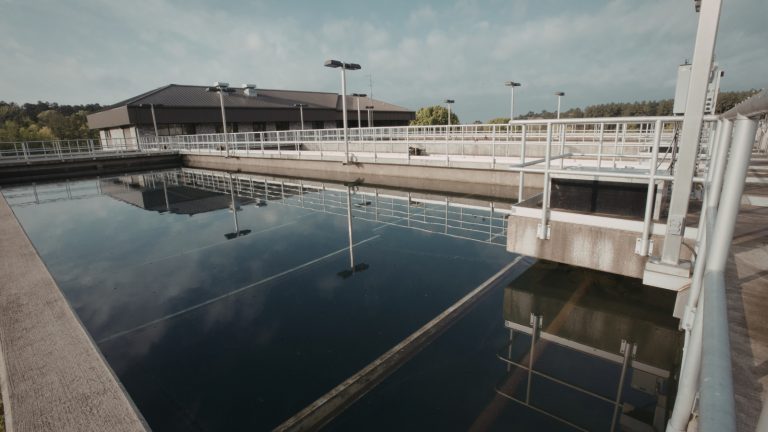
You may be aware of the fact that MBR systems offer consistently high treatment efficiency with biological degradation coupled with accurate membrane separation. Yes, these membranes serve as an impervious physical obstacle against suspended solids, pathogenic and harmful contaminants, leading to consistently high levels of effluent clarity.
The two-step purification greatly improves contaminant removal compared to legacy technologies. Plus, MBRs offer stable performance even at variable loads of wastewater, and operators find it easy to hit stringent regulatory limits.
As you can see, MBR is not only a dependable wastewater treatment option for municipal as well as industrial applications but also produces desired effluent quality that is suitable for high-end reuse applications. It not only ensures water safety and sustainability but also protects the environment from the weary wastewater generation and its microbial challenges accordingly.
Space Optimisation and Adaptability
One of the defining strengths of MBR technology is its compact footprint.
What does this mean?
MBR systems, which do not require large secondary clarifiers, significantly reduce land requirements, making them well-suited for urban areas or sites with land constraints. The modular design enables plants to increase capacity by inserting additional membrane modules with no significant structural change.
Flexibility is particularly beneficial for expanding communities or industries experiencing or expecting variable wastewater loads. It makes MBRs second in none for flexibility in layout and design.
This allows operators to maximise their available footprint whilst still achieving high performance, slack and future-proofed expandability- whether for retrofitting of existing facilities or the pursuit of new ones.
Sustainable Operation
MBR processes promote sustainable wastewater treatment because of their lower sludge production and reduced need for chemical-dependent processes.
If you look into it deeper, you will notice that the chemical usage is lower, as many traditional processes, such as those necessary for clarification or disinfection, are replaced by membranes.
This reduces OPEX and carbon footprint. This also leads to lower volumes of sludge that need to be disposed of or treated, alleviating the load on disposal or treatment facilities by minimising transportation and handling needs.
The eco-friendly operation, combined with better process management, provides sustainable environmental and economic benefits. As a whole, temporal capacity resources and energy conservation abilities of MBRs back up greener treatment strategies by resource optimisation and waste minimisation.
It leads to cleaner and sustainable municipal and industrial wastewater management.
Resourceful Water Reuse
One of the main benefits of MBR technology is that it can create very high-quality effluent that is suitable for water reuse programs.
The water receiving advanced treatment can be used for irrigation, industrial applications, toilet flushing, landscaping, and more, which allows organisations to lessen their reliance on fresh water.
In advanced use, MBR effluent can even constitute a very good input for DPR (Direct Portable Reuse) systems, in combination with downstream purification steps.
This makes MBRs a new required technology in regions with water shortages.
These MBR systems, on one hand, facilitate cost-effective and safe reuse of treated wastewater; on the other hand, they simply bolster sustainable water management. As the obvious result, it enables communities to increase their resilience to future water stresses.
Consistent Performance and Environmental Compatibility
These systems are designed to overcome variations in influent quality, and the treatment performance remains stable.
Their membrane barrier allows the effluent quality to meet critical regulations, and its reliability is such that even in municipal and industrial applications (where public inspections are held), it performs beyond satisfactory. Plants using MBR generally generate less smell and noise thanks to enclosed, compact processes, which are strangely ubiquitous among just these MBA styles.
In this sense, it wastes no resources or any other negative factors on nearby communities.
Simply by using fewer chemicals and having a smaller ecological footprint, they help to provide a cleaner, safer environment to receive treatment.
It is also visible that MBRs are community-friendly, very reliable, fit-for-purpose treatment solutions that are consistent with many of the current environmental compliance and sustainability objectives. Will you agree?
How Does an MBR System Work?
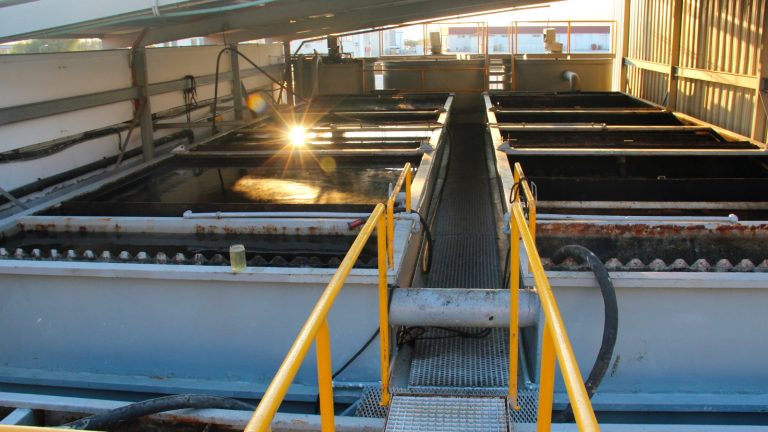
The MBR process starts at the pretreatment stage, targeting the minimisation of membrane fouling. Then, inside the MBR tank, the aerobic microorganisms break down organic matter in the MBR tank.
Since it is a must to keep the bacteria alive, there is an aeration system to deliver air bubbles to the tank. This is where they break down organic pollutants.
Then comes the pumping system. Its main responsibility is to mix water in the bioreactor tank and make it move through a module. Then, inside that, semipermeable membranes can filter out suspended solids and microorganisms. If you are curious, MBR membranes come in the form of fibres or flat sheets made of polyethene or polyvinylidene fluoride.
In the next stage, chemical or backwash cleaning systems come into play as they have the ability to minimise biofilm fouling of the membrane, and they support performance and long life. To save water, the operators need to use a backwash recovery system to collect and recover the cleaning backwash water.
Automated operation control systems collect information from sensors during the process. At the same time, control systems adjust operational settings within real time in order to optimise treatment.
Because an MBR processes biological effluent, it generates sludges (waste materials). For this reason, systems are in place there to divide and treat any excess sludge generated further so that the waste is otherwise disposed of; this way, everything becomes cleaner.
Eventually, the resulting permeate is directed through a system of membranes and collected.
MBR Applications
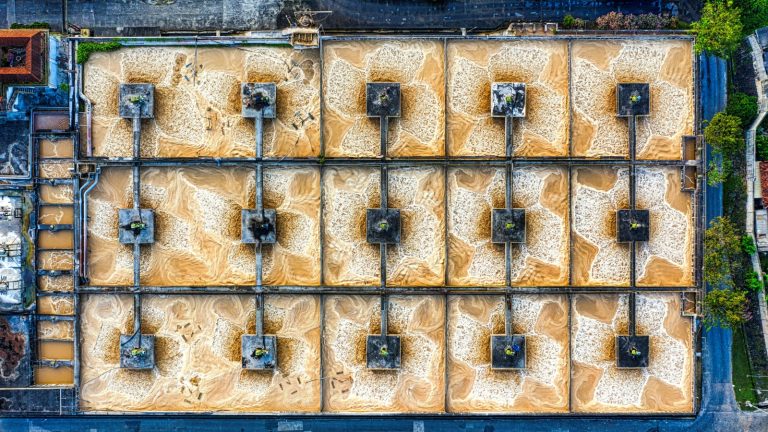
Membane-based Reactor system provides water which is so pure that you can directly discharge it into the surrounding environment with no risk of pollution, no risk of causing eutrophication, and preventing any harm to the surrounding ecosystem.
Set your mind at ease about pathogens or chemical micropollutants. This does not only mean that this water is okay for all nonpotable uses; it is actually also good for direct potable reuse. It does not pose a risk to public health.
Where actually does all this recycled water go? This is how companies and communities use it:
Agriculture: From irrigation on crops to cities using reclaimed water to water parks, golf courses and sports fields, none of that takes the resources of precious freshwater resources from the aquifer. This water can make our gardens bloom and agriculture that saves money and resources.
Industrial and cooling: Power plants and factories fuel their cooling towers with recycled water. It is also useful for production and cleaning, but pure water is not required for production and cleaning.
Toilet flushing: Recycled water for use in buildings to flush toilets, day after day, year after year, reduces the demand for fresh water.
Firefighting: Fire departments partially fill hydrants and trucks with recycled water. It gets the job done perfectly and does not deplete the main water source.
Construction: Construction teams use recycled water for dust control, compacting soil, and other site requirements, leaving the fresh water for where it is needed most.
Wetland and ecosystem support: Recycled water maintains wetlands and natural habitats in drought-stricken areas, providing a much-needed decrease in stress on local ecosystems.
Recharge of aquifers: Treated water percolates through soil to replenish aquifers. Residents use this groundwater for everything from irrigation to drinking water.
Direct Potable Reuse (DPR): Treated water is poured directly into the drinking water system with no detour via a lake or river. Safe and effective, and continues to meet the high standards for public health.
Challenges in MBR
Higher Initial Cost
The major disadvantage of MBR reactors is that their initial capital and long-term operating and maintenance costs are generally more expensive than traditional systems.
In areas that are sufficiently served by traditional technologies or where land costs are not a major issue, MBR may be an unnecessary cost. That is only if the environmental quality standards are being met accordingly.
Requirement for Pretreatment
Membrane fouling also clogs the microscopic pores of MBR membranes. If a wastewater stream contains free oil, either vegetable or mineral, it may be problematic for membranes, and they may require pretreatment with a different plate separation or dissolved air flotation stage.
This is to protect the membranes against fouling.
On the flip side, more stages may translate to a higher cost that cancels out MBR’s footprint advantage. Membranes for replacements can be quite expensive.
High Energy Requirements
There are a few reasons that contribute to MBRs having high energy requirements. The energy-intensive air compression is needed for the fine-bubble diffusions, which provide the dissolved oxygen to the heterotrophic bacteria.
They need high energy to pump sludge within the process and to pump the permeate (treated water).
Energy costs are also incurred from the heating and pumping of backflush and cleaning agents, process control equipment, and the operation of their respective instruments.
Need for Expert Involvement
MBR is a complicated and technically challenging process, and therefore, the economics and operational feasibility of MBR for the circumstance should be assessed with subjective input.
Further, you will have to get reviews from experienced wastewater treatment professionals and MBR experts.
How Tigernix Smart Wastewater Solution Accelerates Membrane Bioreactor Process with Industry 4.0 Power
Maximised MBR Usage with AI and IIoT
With Tigernix Wastewater Smart Asset Solution, and its embedded AI and IIoT-fuelled technologies, you can monitor MBR functions in real-time.
Now it is possible to predict membrane fouling, manipulate aeration, and optimise biological processes to improve effluent quality as well. This way, you ensure that your system never comes down from its optimal performance range.
Predictive Maintenance and Operational Efficiency
Equipped with the innovation capabilities of Industry 4.0, Tigernix predictive maintenance assists MBR solutions with less unplanned downtime, reduced operating costs, and enhanced life of membranes.
This is all while being powered through advanced analytics, delivering actionable insights to help you with smarter, data-driven decision-making for better wastewater management.
Call for a free demo.
Tigernix for All Types of Wastewater Processes
FAQ about Membrane Bioreactors
Membrane Bioreactors (MBRs) are highly effective in eliminating contaminants from wastewater. According to a 2022 study in the Journal of Environmental Management, MBRs achieved over 99% removal of total suspended solids and more than 91% reduction in chemical oxygen demand, while effectively removing a wide range of microcontaminants, with efficiencies ranging from 68.3% to 99.7%.
The retention time in MBR systems, including hydraulic retention time (HRT) and solids retention time (SRT), is generally longer than in conventional activated sludge systems. It typically spans several days to a few weeks, enhancing treatment stability.
The main distinction is in solids separation. MBRs use advanced membrane filtration instead of large secondary clarifiers, making the system more compact and efficient while producing higher-quality effluent compared to traditional activated sludge processes.
A report by the United States Environmental Protection Agency indicates that MBR technology generally achieves over 90% removal of key water quality contaminants, and in many instances, the removal efficiency exceeds 99%.