

Have you ever wondered what happens to the water that goes down your drains or comes out of industrial factories? But only 38% of industrial water is treated! Managing water efficiently is the top priority when it comes to public health, environmental protection, and industrial compliance.
There is a broad spectrum of wastewater treatment systems that are designed to handle various types of wastewater. This varies from industrial wastewater to domestic sewage.
Understanding these types of wastewater management systems is the first solid step to ensure that your water management company and your city’s municipal council can safely treat, reuse, or dispose of water while adhering to dynamic and strict regulations.
What Are Wastewater Treatment Systems?
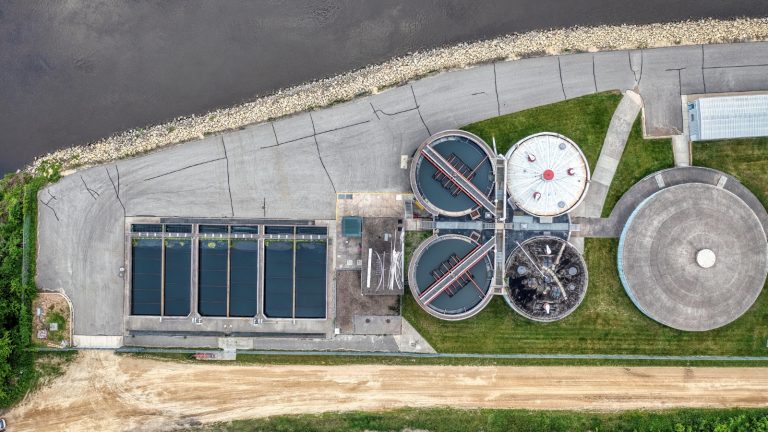
Wastewater Treatment Systems come as several processes and a network of infrastructure. They are specifically designed to remove contaminants from water before it flows back into the environment or in the context of getting reused.
These systems mainly rely on chemical, physical, and biological methods to keep away the pollutants. They are essential for a number of industries, such as the manufacturing industry, chemical industry, and pharmaceutical industry, as well as for domestic wastewater treatment plants that fulfil the water needs of households and commercial properties.
The primary purpose of any wastewater treatment system is to turn toxic and potentially dangerous water into clean water that may be reused or returned to the environment.
Depending on the system, treatment could involve pollutant removal, bacterial breakdown, wastewater straining, or industrial wastewater purification.
Main Types of Wastewater Treatment Systems
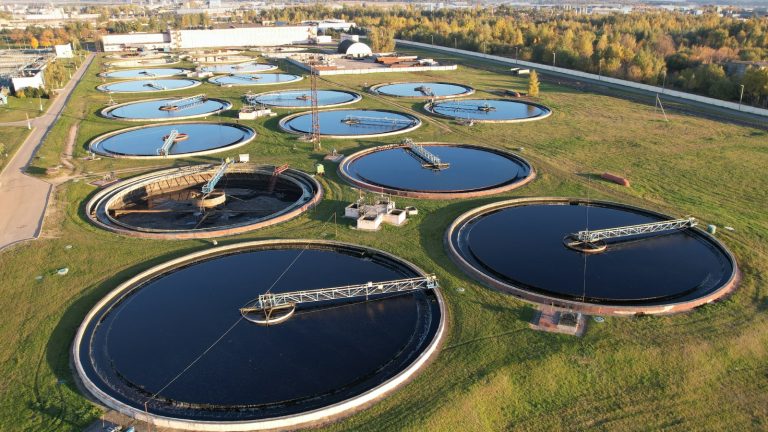
Effluent Treatment Plants (ETPs)
In the water treatment context, authorities use effluent treatment plants for industrial wastewater management. Effluent from dynamic industries such as chemicals, textiles, chemicals, and medicines contains both toxic and non-toxic compounds.
If you discharge this water without treatment, it would be harmful to the environment.
An ETP cleans water by using physical, chemical, and biological characteristics.
Sedimentation, filtration, and chemical neutralisation are some of the possible processes. The end result is clean water that may frequently be safely reused, conserving the environment and guaranteeing regulatory compliance.
Sewage Treatment Plants (STPs)
Sewage treatment plants’ main responsibility is to manage both domestic sewage systems and commercial properties.
To break down sewage, STPs basically rely on bacterial growth that is stimulated by flowing air. Physical, chemical, and biological processes eliminate contaminants, resulting in eco-friendly effluent.
A domestic wastewater treatment facility processes household sewage to generate safe water for reuse, removing hazardous items and impurities. However, these systems range in size, from local community plants to huge municipal facilities.
Common and Combined Effluent Treatment Plants (CETPs)
The wastewater industry has designed common and combined effluent treatment plants targeting small-scale industries.
The main reason for this is that they cannot afford individual treatment systems due to some economical or space constraints.
These systems have the potential to collect, treat, and dispose of industrial wastewater and domestic sewage in one facility.
Industrial estates are where the CETPs are typically established, as there are multiple polluting industries operating in clusters. When they share a singular centralised treatment plant, small industries get the ability to manage wastewater efficiently without high costs.
Activated Sludge Treatment Systems
People use the activated sludge process all the time to treat wastewater, or in other words, wastewater management, whether it is from factories or whole cities. Did you know this?
It starts with raw, unsettled sewage, which means nothing fancy, just aerated so oxygen can break down solids and boost the bacterial activity that does the real cleaning.
Inside the activated sludge chamber, the miracle occurs. Dead bacteria rise to the surface, but the live bacteria sink. The system keeps recycling those live bacteria to keep things running smoothly.
Once the water is treated, it flows out into a soak-away or a stream, coming out clean and helping the whole biological cycle keep going.
Anaerobic Wastewater Treatment Systems
Anaerobic systems are there to handle industrial wastewater without any oxygen.
Instead, they rely on anaerobic bacteria to break down all that organic stuff. One interesting fact about this is that they pump out biogas as a by-product, so you actually get some energy back.
They work best with really strong and high-strength organic waste, cutting down on sludge and showing up more and more in sustainable wastewater projects.
Membrane Bioreactor (MBR) Systems
MBR systems use a mix of biological treatment and membrane filtration to create really clean water—good enough to reuse.
You will find them in all sorts of places, from factories to city water plants. They keep water quality steady and help cut down on environmental damage.
Reverse Osmosis (RO) Wastewater Treatment Systems
RO systems take things a step further. They use special membrane filtration to strip out nearly every dissolved solid from wastewater.
Industries rely on RO when they need to facilitate industrial wastewater recycle workflow for uses that demand extra purity. This process makes the water safe, even for sensitive jobs.
Sequencing Batch Reactors (SBRs)
SBR systems clean wastewater in batches. They switch between aerating, letting things settle, and draining the water, so they can handle changes in how much wastewater comes in.
That is why they work well for industrial or municipal applications where the flow is not always steady. With this setup, operators can really dial in each treatment step.
These systems do not just manage regular wastewater—they take on tough, high-strength industrial stuff too, getting rid of solids and organic pollutants and turning out water that meets the rules.
Their design works for brand-new plants or for updating older ones, giving industries a flexible, efficient way to manage wastewater.
Trickling Filter Systems
You may be aware of the fact that trickling filters basically rely on biofilm microbes to break down organic pollutants in wastewater.
The good thing is that they do not use much energy, so they work well for small towns or places with steady, low amounts of wastewater.
Further, you do not need a lot of space or fancy infrastructure, and the whole setup is pretty affordable and easy on the environment. As the wastewater flows over the filter media, microbes get to work eating up the contaminants, leaving behind cleaner water that is safe to release.
There is another plus point: trickling filters are low-maintenance.
This signifies that, unlike some other systems, they do not need a lot of attention. This quality makes them perfect if you need something reliable for the long haul but do not want high operating costs or complicated technical support.
Yes, they are a solid choice for both communities and industries that want a simple, effective way to treat wastewater.
Constructed Wetland Treatment Systems
Constructed wetlands work like nature’s own water filters. They use plants, gravel, and all sorts of tiny microbes to clean up wastewater.
You will often find them in the countryside or anywhere nearby communities want a treatment system that does not need much fuss or constant attention. Basically, these wetlands copy what happens in the wild, breaking down waste, soaking up nutrients, and even giving birds and other animals a place to hang out.
They are also efficient. Unlike the usual wastewater treatment plants that burn through energy, wetlands keep things simple and green.
People use them for everything from small town sewage to water from factories.
If you set them up right, they can handle changes in water flow and different types of pollution, and they still turn out water that is clean enough to reuse or safely return to nature.
How to Choose the Right Wastewater Treatment System
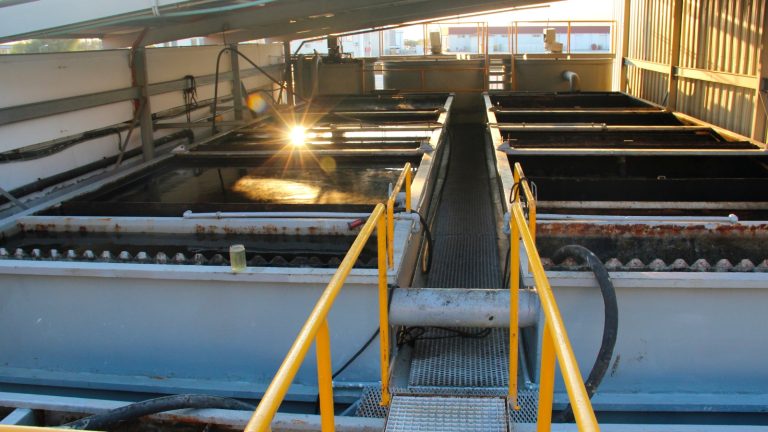
- Volume of wastewater
- Level of contamination
- Industry type (manufacturing industry, chemical industry, pharmaceutical industry)
- Cost and space constraints
- Operational expertise required
Benefits of Using the Right Wastewater Treatment System

Protects the Environment by Reducing Pollution
A good wastewater treatment system acts as a high-rate pollutant abatement, and it facilitates swift mitigation of toxic compounds, contributing to sustainable wastewater management practices for homes and factories and keeps our ecosystems safe.
Ensures Regulatory Compliance
When municipalities and industries use the right wastewater treatment setup, the systematic adherence to legislative mandates ensures operational legality while minimising exposure to fiscal and regulatory repercussions. Plus, they make sure the water they release maintains ecological equilibrium and discharges environmentally friendly effluent.
Produces Clean Water for Reuse
With advanced treatment methods, you get water that is clean enough for businesses, factories, or even domestic reuse. This helps us use less fresh water, which makes everything a bit more sustainable.
Reduces Long-Term Operational Costs
Strategically engineered wastewater management frameworks yield significant reductions in operational and capital expenditures. The latter preserves effective wastewater treatment system operations by reducing maintenance, energy consumption, and chemical costs.
Improves Industrial and Domestic Wastewater Management
Implementing a context-specific wastewater treatment system augments process precision and mitigates variability in contaminant removal over residential and commercial sewage systems. This guarantees secure, dependable, and efficient treatment procedures.
Future Trends in Wastewater Treatment Systems

AI-Driven Monitoring Systems for Optimised Treatment
With the emergence of AI-enabled sensors and analytics, the wastewater industry can improve its wastewater management efficiency. It is also possible to detect issues early and optimise treatment processes for both industrial and municipal systems.
Zero Liquid Discharge (ZLD) for Sustainable Water Use
ZLD systems come as the best trend for recycling all wastewater. This leaves no discharge, and it conserves water. This is ideal to promote sustainability in water-intensive industries.
Smart and Eco-Friendly Technologies like Constructed Wetlands
Natural and energy-efficient solutions, such as wetlands, have the potential to utilise plants and microbes to purify water. In one way, the latter reduces operational costs, and in another way, this decreases environmental impact.
Innovations to Handle Industrial Wastewater and Domestic Sewage Systems Efficiently
Advanced processes, equipment, and system designs are now in the market to enable faster and cost-effective treatment of both industrial wastewater and domestic sewage. This is followed by higher water recovery.
How Tigernix Smart Wastewater Asset Solution Enhance the Efficiency of Your Wastewater Treatment Systems
Tigernix Smart Wastewater Asset Solution is the number one software solution for all your wastewater treatment processes today. Our solution works smoothly with all types of systems, such as Effluent Treatment Plants, Sewage Treatment Plants, CETPs, and Activated Sludge Systems, etc., and it gives you real-time monitoring and analytics. With this accessibility, therefore, you can manage wastewater more efficiently, fine-tune your chemical and biological processes, and cut down on operational risks up to 100%.
Since it is powered by Industry 4.0 capabilities, the Tigernix suite uses AI insights and predictive maintenance to boost system performance. The latter can cut down your plant’s energy use and keep equipment running longer. In return, you can supply clean water, easier compliance with regulations, and lower treatment costs. It is truly a smarter, greener, and more cost-effective way to run things in your wastewater facility.
Tigernix brings all your industrial and domestic wastewater management into one place. You get a single platform that lets you control multiple treatment sites without the usual hassle. The dashboards are straightforward, so making decisions gets easier, and you can spot ways to boost efficiency right away. Plus, you know your effluent meets environmental standards every time.
If you want a smarter way to manage wastewater, it is time to switch to Tigernix. Call for a free demo today.
Tigernix-For All Types of Wastewater Treatment Systems