
Sanitary systems are the backbone of urban sanitation, but issues that can go wrong with them continue to be among the top concerns facing municipalities, utilities , and industry. Lapses can result in public health disasters, expensive repairs, and environmental harm. In a day and age where urbanisation, industrial effluent and extreme weather are on the rise, ensuring you know how to prevent sewage system failures is more important than ever.
Is it possible to utilise new technology to shift from responses in reaction to proactive wastewater network predictive maintenance, which leads to enhanced system reliability and operational efficiency?
If you look into the answers, this is a must-read guide.
The article explores
- What Causes Sewage System Failures?
- How Do Traditional Sewage Monitoring Methods Fall Short?
- What Technologies Enable Sewage System Failure Prevention?
- How to Implement Predictive Maintenance for Sewage Systems?
- How to Ensure Data Accuracy and Reliability?
- How Can Organisations Prepare for Sewage Emergencies?
- How to Integrate Sewage Monitoring with Asset Management Systems?
- How to Collaborate Across Teams for Effective Sewage Management?
- How to Measure the Effectiveness of Sewage System Strategies?
- FAQ About Preventing Sewage System Failures
What Causes Sewage System Failures?
Did you know that a study of 1,000+ failure alerts from 46 pumping stations showed pumps fail relatively often due to sewage composition and discontinuous operation? In order to know how sewage system collapses can be avoided, you should first understand the causes of it.
Failures are not random; they occur due to a combination of technical problems, environmental factors and operational errors. Knowing these triggers in advance can allow for preventive maintenance strategies for sewers that will save you time, money and avoid any environmental disaster.
Key Takeaways
- You can avoid sewage system downtimes if you employ sensors for your IoT on the sewer network, SCADA for wastewater control and a digital twin to manage efficiently the assets related to wastewater.
- With the right strategies, 24/7 monitoring of real-time sewage becomes possible and predictive maintenance is enabled for your wastewater network.
- Predictive maintenance analytics, early warning alerts and preventative maintenance tactics for sewer systems that will work proactively to prevent downtime – reduce expensive repairs by maintaining your sewage pump station early and preventing sewer blockages.
Common Causes: Blockages, Pump Failures, Pipe Corrosion
Do you know what the major sewage system trouble causes are? Grease, root penetration, foreign objects and other blockages prevent sewage from moving freely through piping to result in overflows and back-ups rather rapidly.
In the same fashion, pump breakdowns at sewage stations disturb flow and then affect the complete wastewater grid. The infrastructure is corroded over time, as well, and it becomes weak with leaking points and risks of collapse.
Prevention is better than cure, as we all know; routine maintenance of your sewage pump station, prevention of sewer blockages and scheduled CCTV pipe inspection are all imperative to ensure efficient plumbing in Melbourne and other states of Australia.
Ignoring these spaces leads not only to inefficiency but also to higher costs for emergency repairs. Ask yourself- Can you afford to stay put until such a system lands on its face and cannot recover?
Impact of Heavy Rainfall, Urbanisation, and Industrial Discharge
Torrential rain, aggressive urbanisation and indiscriminate industrial effluent take a heavy toll on sewage systems. This is when the infiltration and inflow control of stormwater can overload the network, leading to overflows and pollution.
Industrial wastes may enhance corrosion of the pipe and block the flow. Planning and prevention programmes of wastewater system capacity where grease accumulation is an issue are necessary to alleviate these impacts.
By knowing the balance of these external factors, you can plan sewer main rehabilitation programs and infiltration and inflow control strategies to mitigate the risk for system failures before they happen.
Operational Errors and Lack of Preventive Maintenance
Sometimes the weakest link is not infrastructure but human frailty. Staff with inadequate training, failure to inspect your sewage system correctly or in time or not servicing your sewage ejector pump regularly can also cause trouble.
In the absence of a sewer preventive maintenance program, small problems inevitably grow larger. Do your teams have the tools to understand wastewater asset performance dashboards?
You can minimise the noise with staff education on dashboards and alerting, understanding what predictive analytics can do for you – fix potential failures before they become customer-impacting.
How Do Traditional Sewage Monitoring Methods Fall Short?
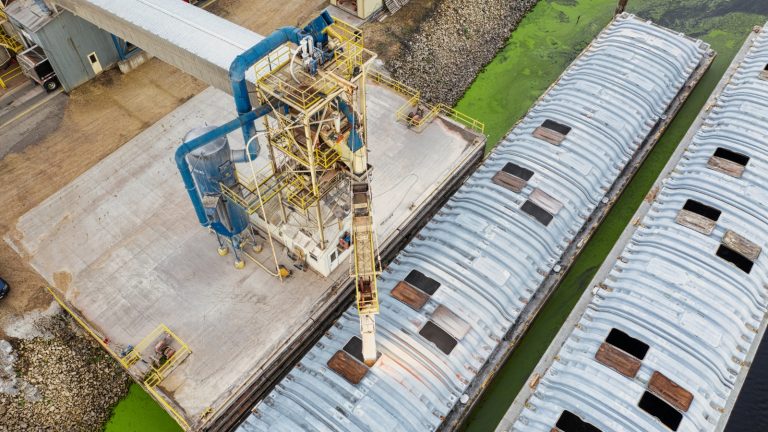
Conventional monitoring techniques – such as manual checks, site visits and periodic sampling – were known to be flawed. They are most commonly designed for retrograde reporting and will not inform the operator of a current issue.
You may have understood that scattered data gathering and disjointed reporting systems are a barrier to monitoring the health of large networks like wastewater infrastructure asset management, right?
The knowledge of these limitations is the first requirement for implementing real-time monitoring of sewage systems to improve their operation and reliability.
Manual Inspections and Delayed Reporting
Depending only on human inspections enables you to observe problems only after they happen. Failure to notice pump failures or clogs delays sewage system performance metrics. This is where utilising intelligent sensor application and IIoT remote monitoring enables ongoing oversight, which decreases the reliance on slow, reactive checks.
If you cannot catch early indications of failure means it is going to limit wastewater process optimisation results, in addition to the cost for repairs. Is it not better to have had a failure risk assessment than to respond in an emergency?
Limited Sensor Coverage and Fragmented Data
Even when sensor-based solutions are used, there are still some places where they will not work as needed. Reading inconsistencies, lost/broken sensor data and disjointed monitoring all contribute to incomplete assessments of wastewater system capabilities.
Incomplete information does not allow a comprehensive decision-making and auditing of the wastewater compliance. When integrated with wastewater network telemetry, IoT sewage sensors provide all-encompassing surveillance and true-to-reality reporting from scattered data points to informative action.
Challenges in Multi-Asset Monitoring and Coordination
Not to mention that wastewater systems are intricate systems of pumps, pipes, valves and treatment plants. Keeping an eye on so many assets by hand is cumbersome and slow.
Lack of critical asset tagging and maintaining a central sewerage asset registry management results in ad-hoc maintenance scheduling and managing failure responses by the operations team.
Advanced solutions such as SCADA for wastewater infrastructure and wastewater asset performance dashboards enable you to monitor all assets immediately, increasing responsiveness and minimising downtime.
What Technologies Enable Sewage System Failure Prevention?
Fortunately, technology can be your companion in finding out how to keep sewage systems from failing. From IoT monitoring for sewer networks to a digital twin for wastewater facilities, state-of-the-art tools are driving predictive maintenance, early warning and operational efficiency.
When utilising these technologies, you can turn reactive management into proactive, data-informed engagement.
IoT Sensors for Flow, Pressure, and Pump Performance
The flow rate, pump performance and the pressure in the pipe of sewage systems are measured continuously by sensors for IoT. Such sensors can also identify problems before they reach critical points. Therefore, you can address them early.
Paired with blockage early warning systems and root intrusion detection, these keep your wastewater treatment plant running smoothly. If that is the case, why are you still checking it from time to time when IIoT remote monitoring can notify you at the moment?
The installation of sensors at key points minimises the potential for overflow and lowers the cost to maintain infrastructure.
AI and Machine Learning for Anomaly Detection
Artificial intelligence analytics and predictive maintenance analytics process sensor data, and it becomes meaningful information. By analysing patterns from pump performance, flow or pressure, machine learning models are capable of recognising abnormal activities and predicting failures before they happen.
This comes forward for more proactive pumping and pipe failure prevention and enables further wastewater process optimisation. It works this way: you could save all money by avoiding a pump failure in your sewage pump station maintenance schedule with a real-time alert – this is how AI and ML revolutionise asset management.
Digital Twin Simulations for Predictive Maintenance
If you could build a digital twin of wastewater assets, you could simulate network behaviour in different circumstances. You can also simulate scenarios such as heavy rainfall, system busy or pumps malfunction without any real-world consequences.
The digital twin is one of the solutions in conducting sewage system root cause analysis, sewage overflow abatement and risk for failure estimation, which will provide a proper action for preventive maintenance on the sewer systems.
How many times have you been surprised by random system problems? The great thing about digital twins is that they allow you to see them coming.
GIS Mapping for Risk Visualisation
Geospatial maps or GIS maps show network risk and identify at-risk assets. With the use of GIS and sewage system monitoring, you can risk rank inspection resources.
Wastewater infrastructure lifecycle management and consideration of wastewater system capacity planning are informed by GIS mapping. It also improves communication between field teams and decision-makers, making emergency response planning quicker and more precise.
SCADA Systems for Real-Time Monitoring
Wastewater SCADA allows the centralised control of all assets, including pumps to valves. Real-time monitoring lets you warn for your sewer system in good time, find sources of anomalies and help prevent their effects.
Further, combined with wastewater network telemetry and the wastewater asset performance dashboards, SCADA makes operations smoother. The latter also minimises downtime and enhances the efficiency of wastewater treatment at every level in the network.
How to Implement Predictive Maintenance for Sewage Systems?
Preventive maintenance is key to stopping sewage system failures. It integrates real-time data, analytics and operational workflows to resolve issues before they turn critical.
Continuous Monitoring of Pumps, Pipes, and Valves
You can maximise uptime through real-time monitoring with the installation of smart sensors, supported by IIoT remote monitoring at all pumps and valves. Early identification of anomalies is useful for wastewater pump failure analysis, identifying root intrusion and preventing grease buildup.
Moreover, up-to-date performance indicators on sewage systems allow you to plan interventions proactively, instead of reactively, minimising emergency events. However, you will require an uninterrupted flow of digital data for practical wastewater infrastructure asset management.
Scheduling Preventive Actions Based on Predictive Alerts
When predictive analytics highlight potential problems, go with sewer line cleaning procedures, preventive maintenance and septic tank desludging schedule. Early interventions avoid system failures and reduce repair costs, as well as secure the collection of waste.
The inclusion of these measures in the blockage alert systems means both low and high-frequency problems can be attenuated quickly.
Integrating Predictive Insights with Maintenance and ERP Systems
When you combine predictive alerts with your maintenance work orders and ERP systems, execution becomes a breeze. Using real-time intelligence from digital twins for wastewater assets and predictive maintenance analytics, water teams are directed to the most important tasks that need attention and help to cut out human error.
This configuration facilitates vital asset identification, optimises the operation methodology of sewerage schemes and increases the wastewater processing cost reduction.
How to Ensure Data Accuracy and Reliability?
Accurate data underpins wastewater infrastructure asset management. Without precise measurements, predictive maintenance and operation decisions may lead to sewage system failure.
Maintaining the integrity of your data becomes vital here for wastewater process control and regulatory reporting.
Sensor Calibration and Fault Detection
Frequent sensor calibration means your IoT sensors for sewage application will provide a true reading of flow, pressure or pump performance. Sensor failures, or sensors that have become misaligned, can cause false alarms or the failure to facilitate pipe failure prevention.
This is when the use of smart sensor deployment and real-time telemetry on the wastewater network also assists in the early identification of faults.
Can you trust your sensors, or will misinformation affect the efficiency of wastewater treatment? These ensure that the risk of sewage overflow abatement is reduced, and thus, accurate predictive maintenance is possible.
Handling Missing or Inconsistent Readings
We all know that absent or inaccurate data can undermine asset performance dashboards for wastewater and result in poor decisions. Using IIoT-based remote monitoring with automated gap detection and validation ensures your inputs are always reliable.
Wastewater capacity planning addresses trend data needs in order to plan the capacity of a wastewater system, while data for trend analysis is required on an ongoing basis. By blending anomaly detection and predictive maintenance analytics, you can keep your network healthy even when readings are missing.
One thing you must keep in mind here is, you must not allow missing data to cover up potential risks, such as root intrusion detection or grease buildup prevention.
Standardising Datasets Across the Network
This data approach means that easier comparison, analysis and reporting can be made across your sewage network. Consistent datasets also make auditing of wastewater compliance more efficient and ease the sewage system inspection protocols.
By embedding CCTV pipe inspection and wastewater surveillance technology into a common framework, every node in your system generates actionable intelligence. This is how your teams can make intelligent decisions when data formats are not uniform across assets.
Further, standardisation also assists emergency response planning, as a uniform view of system health reduces the chance that sewer blockage prevention measures will fail.
How Can Organisations Prepare for Sewage Emergencies?

Crises such as overflows, pump failures or blockages can spiral out of control fast. Anticipating such events minimises their ecological consequences, service interruptions, and economic impacts.
Along with the early warning of sewers, real-time monitoring, and tactical planning, an organisation can be proactive instead of reactive.
Early Warning Alerts for Overflow or Blockage
The use of early warning blockage detection systems allows operators to catch problems before they become severe. Together with the real-time monitoring of wastewater and IIoT remote monitoring, you can discover potential overflow scenarios and take action in time.
Are you prepared to intervene before sewage gets into our communities? Early warnings help flush root cause analysis, and so may aid in preventing sewage overflows that threaten infrastructure and public health.
Emergency Response Planning and Resource Allocation
Appropriate response planning should include defined processes, resource orchestration and inter-team coordination. By integrating data from wastewater network telemetry and digital twin for wastewater assets, companies are able to simulate contingent events by planning interventions.
The alignment of crews and assets results in key asset tagging and rapid deployment. This way, your operations teams clearly see what should be done when alarms go off.
While strategic planning shortens the response time while maintaining sewage system customer standards.
Coordinating with Municipal and Operational Teams
Sewage system breakdowns frequently cross jurisdictions and teams. Municipality coordination and collaboration with E&I departments enhances operative sewerage scheme operation protocols as well as emergency and efficiency.
Real-time communication is enhanced by combined dashboards with wastewater asset performance dashboards and wastewater surveillance technology. The partnership also enhances the assessment of the risk of failure, and maintains ongoing service in accordance with matters such as INI control, sewer main rehabilitation.
How to Integrate Sewage Monitoring with Asset Management Systems?
The hinge concept takes monitoring the sewage system from observation to action, which leads toward proactive asset management. Painless integration clearly shows that predictive analytics can drive both operational and strategic decisions. Let’s see how this is possible.
Linking Sensor Data to Dashboards and Maintenance Workflows
Sewage network IoT sensors’ real-time data can be streamed into wastewater asset performance dashboards to deliver operators actionable intelligence. The association of this data with maintenance workflows provides us with an overview of which we can act and undertake interventions. The latter also analyses failure in wastewater pumps or collects them.
What is more, you can track performance metrics and wastewater treatment efficiency via dashboards for a complete picture of your network health.
Prioritising High-Risk Assets for Inspection and Repair
Not all assets need the same degree of attention. With risk-based failure assessment and predictive maintenance analytics, companies will be able to tag high-risk assets for inspection, corrective actions or preventative maintenance.
This is where pertinent, critical asset tagging and sewerage asset registry management enable effective monitoring of these assets. Using your resources well, you can improve blockage prevention and prolong the life of pumps, valves and pipes.
Aligning Alerts with Operational Decision-Making
Predictive system alerts should guide operational decision-making. Connecting sewer early warning and blockage early warning with team workflows accelerates the reaction rate.
Additionally, combining this with wastewater compliance auditing and emergency response planning provides the best of both, prevention and reaction. Likewise, your organisation will be able to turn early warning signals into on-the-ground action.
Alignment also promotes better management of wastewater assets and less expensive processing of wastewater.
How to Collaborate Across Teams for Effective Sewage Management?
You know very well that the optimised management of your sewage system is a team effort between engineers, operations managers and IT. Systematising these efforts facilitates turning predictive intelligence into actionable preventative maintenance and emergency response.
Coordination Between Engineering, Operations, and IT Teams
It is really helpful to work together, as that bond leads to stability of the system and lower downtimes. Teams can collaborate with the enhanced functionality for linking wastewater network telemetry and digital twins of wastewater assets.
They can share insights on wastewater treatment plant operation, pump efficiency and network health. Coordination guarantees sewage system examination and procedure coordination. You can depend on that as it makes sure that inspection of the sewage system is conducted as due protocol dictates, and anomalies are resolved promptly.
Furthermore, sewage ejector pump servicing happens when it is actually supposed to.
Governance and Decision-Making for Predictive Insights
Service management, prioritisation, accountability, and compliance are managed by governance structures. Predictive maintenance analytics enables companies to assign responsibility and monitoring intervention, as well as sewer root cause analysis.
Ensuring the predictive capabilities and gut knowledge levels are in sync with the standards of sewage system customers will allow informed maintenance decisions that comply with operations and regulations.
Good governance underpins long-term planning for sewage infrastructure, resulting in increased asset reliability and sustainability.
Staff Training on Dashboards and Alert Interpretation
Without staff that has been trained on them, even the finest of dashboards are useless. Training staff on wastewater asset performance dashboards, IIoT remote monitoring and waterborne surveillance technologies enables alerts to become proactive responses.
Staff members can easily understand blockage early warning systems and maintain sewer line cleaning systematically, as well as establish emergency response plans effectively. Well-trained crews minimise the cost of wastewater treatment and the efficiency of processing at stations throughout the system.
How to Measure the Effectiveness of Sewage System Strategies?
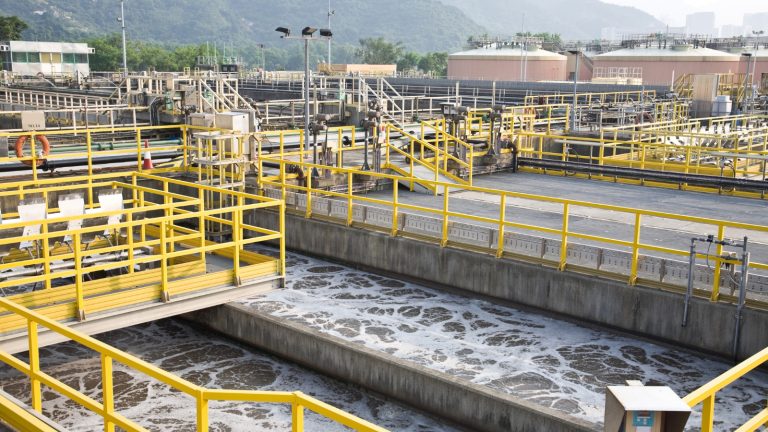
Tracking your preventive and predictive performance is something to push beyond mere performance tracking. Following the right KPIs, dashboard usage and historical data analysis fosters improvement for sure.
KPIs: Incident Frequency, Downtime Reduction, Maintenance Efficiency
Key performance indicators, such as system effectiveness demonstrated by the number of blockages, pump failures and downtime, are also available. By tracking capacity planning for wastewater systems, sewer main rehabilitation and analysis of wastewater pump failures, you can then change the preventative maintenance program in those regions surrounding sewers.
This might be the point where your KPIs are leading to decreased risk and increased reliability. Uniform measurement builds strong cultures of preventative maintenance and operations discipline.
Dashboards and Reporting for Decision-Makers
Dashboards combine monitoring of real-time sewage with predictive analytics and digital twin for wastewater assets, to provide a one-source as yet unachieved in the history of wastewater management, where everything is visible on demand.
Reporting makes decision makers more accountable and supports the planning of interventions such as overflow/ grease prevention. Dashboards also allow the completion of a wastewater compliance audit, ensuring your network is compliant as well as running efficiently.
Continuous Improvement Based on Historical Data Analysis
Information from historical wastewater network telemetry, CCTV pipe inspection and optimisation of the wastewater process is used as an input to make decisions for the future. Trend analysis of root intrusion detection, pump reliability and sewage system inspection practices improves preventive maintenance and customers’ levels of service in the sewage systems.
Fact to remember: Fresh water is not only a limited resource, but treating wastewater in the first place accounts for 1% of energy consumption globally.
How Tigernix Smart Asset Solutions Help Prevent Sewage System Failures
State-of-the-art systems such as Tigernix Smart Wastewater Asset Software are changing the paradigm of arousing of how to avoid sewage failure from dream to reality. Through integration of real-life monitoring, predictive insights and smart simulations, Tigernix enables organisations to safeguard their critical assets and optimise the wastewater networks.
Real-Time Monitoring of Sewage Assets
Tigernix software suite delivers IoT sensors for sewage systems and SCADA for wastewater management to support real-time sewage monitoring, offering constant monitoring of pumps, pipes and valves.
Operators will be equipped with direct feedback of the actual performance and thus early warning of blockage, minimising emergency calls via our Industry 4.0 capabilities.
AI-Driven Predictive Maintenance and Early Warning
AI-empowered insights for predictive maintenance analytics enable early identification of pump and pipe failure prevention. Tigernix solution’s embedded alarms aid in sewage pump station upkeep, wastewater treatment operations and prompt sewage ejector pump service, which mitigates breakdowns and lengthens asset life.
Digital Twin Simulations for Scenario Planning
Leveraging a water and wastewater asset digital twin, Tigernix models potential failure modes, provides capacity planning analysis of the wastewater system, and optimises sewer main rehabilitation strategies. Scenario planning makes it possible to perform a proactive risk assessment of the failure for optimising wastewater treatment processes.
Integrated Dashboards for Operational and Emergency Decisions
Tigernix combines wastewater asset performance dashboards, IIoT remote monitoring and wastewater surveillance technology in an all-in-one interface. Task forces can work together on emergency planning, reports of performance indicators for sewage systems can be monitored, and operating protocols of sewerage systems can be operated effectively. The result is less downtime, cost-saving and more reliable management of the lifecycle of wastewater infrastructure.
Call for a free demo from our Industry 4.0 experts.
Tigernix-From Smart Technologies to Smart Wastewater Realm.
FAQ About Preventing Sewage System Failures
You can prevent sewage system failures by implementing real-time sewage monitoring, wastewater network predictive maintenance, and preventive maintenance strategies for sewers. Combining IoT sensors for sewage systems with AI and a digital twin for wastewater assets ensures early detection and proactive interventions.
Common causes include blockages, pump and pipe failures, corrosion, heavy rainfall, urbanisation, and industrial discharge. Operational errors and neglected sewage pump station maintenance or sewer line cleaning procedures also significantly increase failure risks in wastewater networks.
IoT sensors for sewage systems and AI enable continuous monitoring, anomaly detection, and predictive maintenance analytics. Integrated with SCADA for wastewater management and digital twin for wastewater assets, they improve sewer blockage prevention and operational efficiency.
Emergency preparedness involves early warning for sewer systems, blockage early warning systems, and coordinated emergency response planning. Organisations should align operational teams using wastewater asset performance dashboards and maintain proper sewage system inspection protocols for timely interventions.
Predictive maintenance leverages wastewater network telemetry, AI insights, and digital twin for wastewater assets to schedule sewage pump station maintenance, anticipate pump and pipe failures, and optimise wastewater process optimisation, significantly reducing system downtime and repair costs.