

TL;DR
- BOD measures how much oxygen microbes need to decompose organic pollution in wastewater.
- High BOD in effluent lowers dissolved oxygen in rivers and can seriously damage aquatic life.
- BOD generally increases with higher organic load and suspended solids entering the treatment plant.
- Primary, secondary, and tertiary processes work together to remove solids and organics, reducing BOD.
- Biological treatment using active microbial communities is the main mechanism for lowering BOD levels.
- Routine BOD monitoring helps optimise plant operations, ensure compliance, and protect downstream environments.
Wastewater may look harmless after basic treatment, but what truly determines its environmental safety is how much oxygen it consumes once released into nature. That hidden factor is BOD in wastewater treatment, a critical parameter used worldwide to evaluate pollution strength and treatment performance.
When organic waste enters water bodies, microorganisms begin consuming oxygen rapidly, threatening aquatic survival. Understanding how BOD works helps operators prevent ecosystem damage, optimise plant efficiency, and meet strict regulations.
This article explains the science, testing, impacts, and smart management approaches behind BOD, and why mastering it is essential for modern wastewater operations.
We will cover
- What Is BOD And Why Does It Matter In Wastewater Management?
- How Do Microorganisms Create Biochemical Oxygen Demand?
- What Is The Difference Between BOD, COD, And Other Water Quality Metrics?
- What Are The Two Types Of BOD: Carbonaceous And Nitrogenous?
- How Is BOD5 Measured In The Laboratory?
- What Sample Preparation Steps Ensure Accurate BOD Testing?
- What Are Australian BOD Discharge Standards And Regulations?
- How Does High BOD Impact Receiving Water Bodies?
- What Treatment Processes Effectively Reduce BOD Levels?
- How Does Activated Sludge Optimisation Lower BOD?
- What Operational Factors Influence BOD Removal Efficiency?
- How Can Smart Technology Optimise BOD Monitoring And Control?
- How To Troubleshoot Common BOD Testing And Treatment Issues?
- FAQs About BOD In Wastewater Treatment
What Is BOD And Why Does It Matter In Wastewater Management?
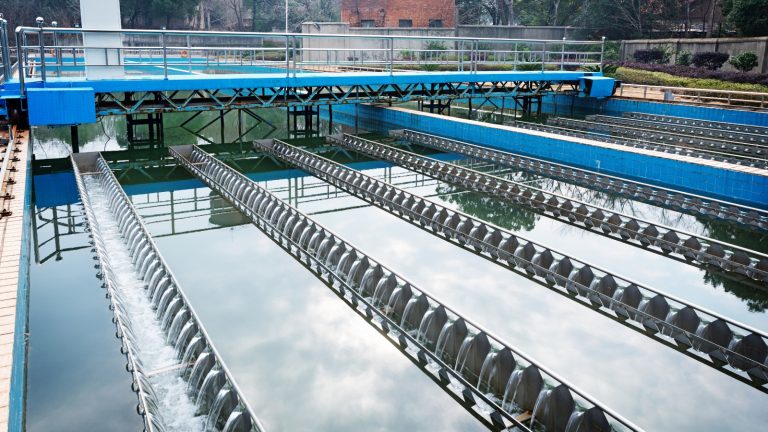
BOD measures the amount of oxygen microorganisms require to break down organic pollutants in wastewater, making it one of the most important wastewater quality indicators for treatment performance and environmental protection.
Key Takeaways
- BOD in wastewater treatment is the most important indicator used to measure organic pollution and biological treatment performance.
- High BOD levels cause oxygen depletion that threatens aquatic ecosystems and environmental sustainability.
- Effective biological processes and operational optimisation significantly improve BOD removal efficiency.
- Smart monitoring and predictive technologies enable real-time control and reliable wastewater compliance.
Defining BOD As Microbial Oxygen Consumption During Organic Decomposition
Biochemical Oxygen Demand represents microbial oxygen consumption occurring during organic matter decomposition in wastewater systems.
In this case, microorganisms metabolise biodegradable pollutants and consume oxygen while stabilising waste. Higher BOD levels indicate heavier organic contamination loads, signalling increased treatment demand and potential environmental risk if untreated effluent enters natural receiving waters.
The Relationship Between Organic Pollution Levels And BOD Values
BOD concentration directly reflects the amount of biodegradable organics present within wastewater streams. Industrial discharge, food waste, and sewage significantly increase pollution levels, raising oxygen demand.
As you see, engineers rely on BOD values. That is because they need them to estimate pollution load, determine treatment sizing requirements, and perform accurate water quality assessment across municipal and industrial treatment facilities.
Why BOD Is The Primary Wastewater Treatment Performance Indicator
Among all monitoring parameters, BOD in wastewater treatment remains the most reliable indicator of biological process success. Do you know the reason for this?
Operators evaluate removal performance by comparing influent and effluent values to determine treatment efficiency. Consistent BOD reduction demonstrates stable microbial activity, regulatory compliance, and effective organic pollutant removal throughout treatment stages.
How Do Microorganisms Create Biochemical Oxygen Demand?
Microorganisms create BOD by consuming oxygen while breaking down organic waste through biological metabolism in wastewater environments.
Aerobic Bacteria Breaking Down Biodegradable Organic Matter
During treatment, aerobic bacteria metabolise dissolved and suspended organic compounds using oxygen as an energy source. This biological oxidation converts waste into carbon dioxide, water, and new microbial biomass.
Moreover, the process forms the foundation of biological treatment systems. The latter directly contributes to measurable BOD in wastewater treatment performance outcomes.
The Oxygen Depletion Process In Natural And Engineered Systems
When untreated wastewater enters rivers or treatment reactors, oxygen consumption accelerates, causing dissolved oxygen depletion.
In this context, natural streams struggle to replenish oxygen fast enough under heavy loading conditions. Engineered treatment systems control this process through aeration, ensuring microbial degradation occurs safely without damaging downstream environments.
Understanding Dissolved Oxygen’s Critical Role In Aquatic Ecosystems
Healthy waterways depend on stable dissolved oxygen DO concentrations to sustain aquatic organisms. Fish, algae, and microorganisms rely on oxygen availability for respiration.
Excessive oxygen demand from wastewater discharge reduces survival conditions. It also disrupts ecological balance and threatens long-term aquatic ecosystem health across rivers, lakes, and coastal environments.
What Is The Difference Between BOD, COD, And Other Water Quality Metrics?
BOD measures biodegradable pollution, while COD, chemical oxygen demand, measures total oxidisable substances, helping operators evaluate overall wastewater strength.
BOD Measuring Biodegradable Organics Vs COD Measuring Total Oxidisable Matter
BOD evaluates biologically degradable pollutants, whereas COD, chemical oxygen demand, quantifies both biodegradable and non-biodegradable compounds using chemical oxidation.
Also, COD testing provides faster results, but BOD better reflects biological treatment behaviour. Together, these parameters support comprehensive effluent monitoring and process optimisation decisions.
When To Use BOD5 Vs Ultimate BOD (UBOD) Measurements
Standard BOD5 measurement methods estimate oxygen demand over a controlled five-day incubation period, representing typical biological degradation rates.
Ultimate BOD extends measurement until decomposition completes. Engineers select testing approaches depending on treatment design, modelling requirements, or long-term discharge impact analysis.
The Relationship Between BOD, TSS, And Overall Treatment Efficiency
Organic particles measured as TSS total suspended solids contribute significantly to oxygen demand during decomposition. Effective solids removal reduces particulate BOD entering biological systems.
Monitoring both parameters together helps operators optimise settling performance and improve BOD in wastewater treatment outcomes across primary and biological processes.
What Are The Two Types Of BOD: Carbonaceous And Nitrogenous?

BOD consists of carbonaceous oxygen demand from organic carbon breakdown and nitrogenous oxygen demand from ammonia oxidation processes.
Carbonaceous BOD (CBOD): Oxygen Consumed by Decomposing Organic Carbon
Carbonaceous BOD represents oxygen required to oxidise organic carbon compounds, also known as carbonaceous demand.
This stage dominates early biological degradation and forms the primary focus of treatment design. Understanding carbonaceous vs nitrogenous BOD helps operators isolate organic pollution impacts during performance evaluations.
Nitrogenous BOD (NBOD): Oxygen Consumed Oxidising Ammonia And Nitrogen
Nitrogenous BOD occurs when microorganisms oxidise ammonia into nitrate, creating additional oxygen consumption called nitrogenous demand. This process typically begins after carbon degradation slows.
This is when NBOD becomes critical in advanced nutrient removal facilities managing ammonia-rich wastewater streams requiring stricter discharge control.
Why Nitrification Inhibition Is Essential For Accurate BOD5 Testing
Laboratories apply nitrification inhibition chemicals during testing to prevent nitrogen oxidation from inflating results.
This ensures measurements represent only organic carbon degradation. Accurate separation of biological processes allows engineers to properly assess biological loading and optimise BOD in wastewater treatment performance monitoring.
How Is BOD5 Measured In The Laboratory?
BOD5 is measured by comparing dissolved oxygen levels before and after a controlled five-day incubation of wastewater samples under standardised laboratory conditions.
The Standard Methods 5210B Five-Day Incubation Protocol
The globally accepted testing approach follows EPA Method 5210B, where wastewater samples are incubated under controlled laboratory environments. This standardised procedure within biochemical oxygen demand testing ensures consistency across facilities.
Oxygen consumption occurring during microbial degradation over five days represents the measurable biological oxygen demand value.
Sample Preparation: Dilution Ratios For Different Wastewater Strengths
Wastewater samples must be diluted carefully using prepared dilution water to prevent oxygen depletion before testing completion. Strong industrial wastewater requires higher dilution ratios, while municipal samples need minimal adjustment.
Proper dilution ensures measurable oxygen consumption without exhausting available oxygen during laboratory incubation.
Temperature Control at 20°C and Dissolved Oxygen Measurement Techniques
Maintaining samples at 20°C ensures stable microbial metabolism throughout testing.
Precise measurement instruments track oxygen concentration changes before and after incubation. Accurate monitoring prevents analytical errors and guarantees reliable BOD in wastewater treatment evaluations used for operational decision-making and compliance reporting.
Calculating BOD5: Initial DO Minus Final DO, Adjusted For Dilution Factor
BOD5 values are calculated by subtracting the final oxygen concentration from initial readings and applying dilution correction factors.
This calculation reflects biological oxygen usage during the testing period. Reliable computation methods form the backbone of performance tracking across treatment plants managing organic wastewater loads.
What Sample Preparation Steps Ensure Accurate BOD Testing?
Accurate BOD testing requires chlorine removal, pH stabilisation, microbial seeding, and properly prepared dilution water to support biological activity.
- Chlorine Neutralisation Using Sodium Sulfite Before Testing
Residual disinfectants can kill microorganisms responsible for oxygen consumption. Laboratories neutralise chlorine using sodium sulfite before analysis to protect microbial activity.
Without this step, oxygen demand readings may appear artificially low, leading to incorrect treatment performance conclusions.
- PH Adjustment To Optimal 6–8 Range For Microbial Activity
Microorganisms function best within neutral pH conditions between 6 and 8. Samples outside this range inhibit biological reactions and distort results. Adjusting pH ensures stable metabolic processes, allowing accurate representation of organic degradation during testing procedures.
- Seeding Requirements For Industrial Wastewater Samples
Industrial wastewater often lacks sufficient microbial populations required for degradation.
Laboratories introduce acclimated seed microorganisms to initiate biological reactions. Proper seeding guarantees measurable oxygen consumption and prevents underestimation of organic pollution strength in specialised industrial discharges.
- Dilution Water Quality Standards And Buffer Preparation
High-quality dilution solutions must contain nutrients, buffering agents, and oxygen saturation levels suitable for microbial growth.
Carefully prepared dilution media maintain stable environmental conditions throughout testing, ensuring consistent analytical accuracy across laboratories conducting BOD assessments.
What Are Australian BOD Discharge Standards And Regulations?
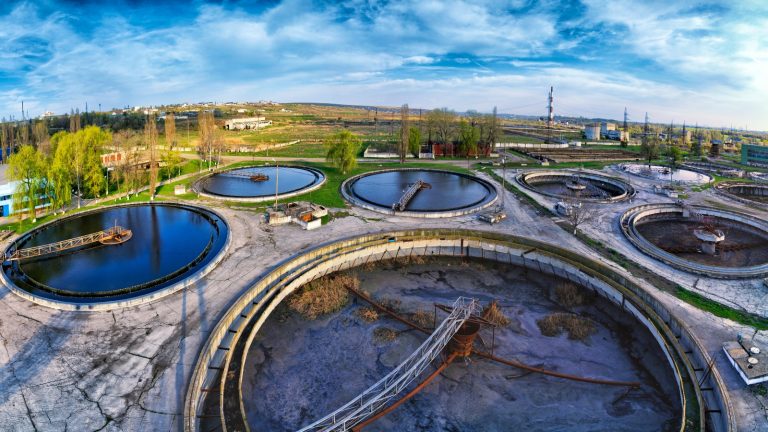
Australian wastewater regulations define allowable BOD discharge levels to protect waterways and maintain environmental compliance across treatment facilities.
National Water Quality Management Strategy BOD Guidelines
Australia’s national framework establishes baseline limits for wastewater discharge under recognised Australian discharge standards.
These guidelines ensure treated effluent protects receiving environments while supporting sustainable water reuse practices aligned with national environmental objectives.
State EPA Requirements: NSW, VIC, QLD, WA, SA Discharge Limits
Individual state environmental authorities define localised discharge limits depending on the receiving water sensitivity.
Facilities must demonstrate environmental compliance through continuous monitoring programmes and operational reporting aligned with regional licensing conditions and environmental protection policies.
Population Equivalent Calculations: Determining Permit Thresholds
Regulators calculate treatment capacity using population equivalent values representing organic load contributions per person.
This method allows authorities to scale regulatory requirements according to facility size, industrial contribution, and expected organic loading entering wastewater infrastructure systems.
Typical Australian Standards: 10–20 Mg/L For Environmental Discharge
Most treated effluent must achieve BOD concentrations between 10 and 20 mg/L before discharge into natural waterways.
These limits safeguard ecosystems from oxygen depletion while ensuring wastewater facilities operate responsibly within approved environmental protection frameworks.
How Does High BOD Impact Receiving Water Bodies?
High BOD reduces dissolved oxygen levels in receiving waters, threatening aquatic organisms and destabilising ecosystems.
Dissolved Oxygen Depletion Threatening Aquatic Life Survival
Elevated organic loading accelerates microbial respiration, leading to severe oxygen reduction in rivers and lakes. This dissolved oxygen depletion restricts respiration for aquatic organisms and creates stressful environmental conditions that reduce biodiversity and ecological resilience.
Fish Mortality Thresholds: Below 5 Mg/L DO Kills Sensitive Species
Many fish species require oxygen concentrations above 5 mg/L to survive.
When wastewater discharge increases oxygen demand, sensitive species experience rapid mortality.
Sustained low oxygen conditions disrupt breeding cycles and permanently alter aquatic population structures.
Eutrophication Cascades From Excessive Organic Loading
High organic discharge stimulates microbial and algal growth, triggering nutrient enrichment cycles known as eutrophication.
Excess biomass further consumes oxygen during decomposition, worsening environmental stress and accelerating water quality deterioration across affected ecosystems.
Long-Term Ecosystem Degradation And Biodiversity Loss
Persistent oxygen stress weakens ecological stability over time. Habitat degradation, species migration, and food-chain disruption reduce ecosystem recovery capacity.
Effective BOD in wastewater treatment management remains essential for protecting long-term environmental sustainability.
What Treatment Processes Effectively Reduce BOD Levels?
Wastewater treatment reduces BOD through physical removal, biological degradation, and advanced polishing technologies.
Primary Treatment: TSS Removal, Reducing Particulate BOD by 30–40%
Primary clarification removes settleable solids that contribute to significant particulate oxygen demand.
Sedimentation tanks eliminate suspended organic matter before biological processing, improving downstream performance and supporting efficient BOD reduction strategies across treatment facilities.
Secondary Biological Treatment: Activated Sludge Achieving 85–95% BOD Reduction
Biological treatment using activated sludge systems represents the most effective stage for organic removal. Microbial communities metabolise dissolved pollutants during secondary treatment, significantly lowering oxygen demand before final discharge or advanced polishing processes.
Tertiary Treatment: Polishing Effluent To Meet Strict Discharge Standards
Tertiary processes further refine treated water through filtration, nutrient removal, or disinfection technologies.
These polishing stages ensure effluent consistently meets stringent regulatory requirements while supporting safe environmental discharge or water reuse initiatives.
Advanced Oxidation Processes For Recalcitrant Organic Compounds
Advanced oxidation technologies apply chemical reactions to degrade persistent organic pollutants resistant to biological treatment. These systems enhance overall removal efficiency and support facilities managing complex industrial wastewater streams containing difficult-to-degrade contaminants.
How Does Activated Sludge Optimisation Lower BOD?

Optimising biological treatment conditions such as oxygen supply, sludge age, and microbial balance significantly improves organic removal efficiency.
Maintaining Optimal Dissolved Oxygen Levels In Aeration Basins (2–4 Mg/L)
Maintaining a stable oxygen concentration inside aeration basins ensures microorganisms efficiently degrade organic pollutants.
Insufficient oxygen slows biological activity, while excessive aeration increases energy consumption. Maintaining optimal oxygen ranges improves biological stability and strengthens BOD in wastewater treatment performance across continuously operating facilities.
Sludge Age (SRT) Control: Ensuring Adequate Microbial Populations
Sludge Retention Time regulates microbial growth and biomass concentration within treatment reactors. Proper sludge age allows microorganisms enough time to adapt and degrade complex pollutants effectively.
Balanced SRT prevents biomass washout and maintains consistent biological treatment performance under fluctuating wastewater loads.
Food-To-Microorganism Ratio (F/M) Balancing Treatment Efficiency
The food-to-microorganism ratio determines how efficiently bacteria consume incoming organic matter. Excess food overloads microbial populations, while insufficient loading causes starvation. Maintaining balanced conditions stabilises treatment processes.
Plus, the latter enhances organic removal effectiveness within biological reactors.
Temperature Management: 20–35°C Optimal Range for Bacterial Activity
Biological treatment efficiency strongly depends on temperature conditions.
Microbial metabolism accelerates within optimal temperature ranges, improving degradation rates. Cold temperatures slow reactions, while excessive heat stresses microorganisms, making temperature management essential for stable plant performance year-round.
What Operational Factors Influence BOD Removal Efficiency?
Operational conditions such as aeration intensity, retention time, toxicity, and seasonal variation directly affect biological treatment performance.
Aeration Rates And Energy: Balancing Oxygen Supply With Cost
Aeration systems represent the largest energy consumer in treatment plants. Operators must balance oxygen supply with operational cost efficiency.
Proper airflow management supports microbial respiration while preventing unnecessary power consumption during biological processing.
Hydraulic Retention Time: Adequate Contact Between Bacteria And Organics
Hydraulic retention time determines how long wastewater remains within treatment reactors. Adequate contact duration allows microorganisms to fully degrade organic pollutants.
Short retention periods reduce removal efficiency, while optimised timing improves overall BOD in wastewater treatment stability.
Toxic Shock Loads: Industrial Discharges Disrupting Biological Processes
Sudden industrial discharges containing toxic chemicals can damage microbial communities. These shock loads interrupt biological degradation processes and cause performance failures. Continuous monitoring helps operators detect disturbances early and protect treatment system stability.
Seasonal Temperature Variations Affecting Microbial Metabolism
Seasonal temperature shifts influence microbial growth rates and oxygen demand patterns. Cold climates reduce biological reaction speed, while warmer conditions accelerate metabolism.
Adaptive operational control strategies help maintain consistent treatment performance throughout changing environmental conditions.
How Can Smart Technology Optimise BOD Monitoring And Control?
Smart wastewater technologies use automation, analytics, and AI systems to continuously monitor and predict BOD levels for optimised treatment control.
Real-Time BOD Sensors Vs Traditional Five-Day Laboratory Testing
Traditional testing delays decision-making because results require several days.
Modern real-time sensors estimate organic loading instantly, enabling operators to respond proactively. Continuous monitoring improves process visibility and minimises operational risks associated with delayed laboratory feedback.
SCADA Integration For Continuous Dissolved Oxygen Monitoring
Advanced SCADA monitoring platforms integrate plant instrumentation into centralised dashboards. Operators can observe oxygen trends, equipment performance, and process stability in real time.
Automation improves operational awareness. Plus, it supports faster corrective actions during changing influent conditions.
Predictive Analytics Forecasting BOD Trends From Influent Characteristics
Modern wastewater facilities increasingly adopt predictive analytics tools that analyse influent data patterns.
Machine learning models forecast organic loading variations before process disturbances occur, allowing treatment plants to adjust aeration and biological control strategies proactively.
AI-Powered Aeration Control Optimising Energy While Maintaining Compliance
Artificial intelligence systems automatically regulate aeration intensity based on process demand.
These intelligent controls maintain regulatory performance while reducing energy consumption. Smart optimisation improves sustainability outcomes and strengthens long-term BOD in wastewater treatment operational efficiency.
How To Troubleshoot Common BOD Testing And Treatment Issues?
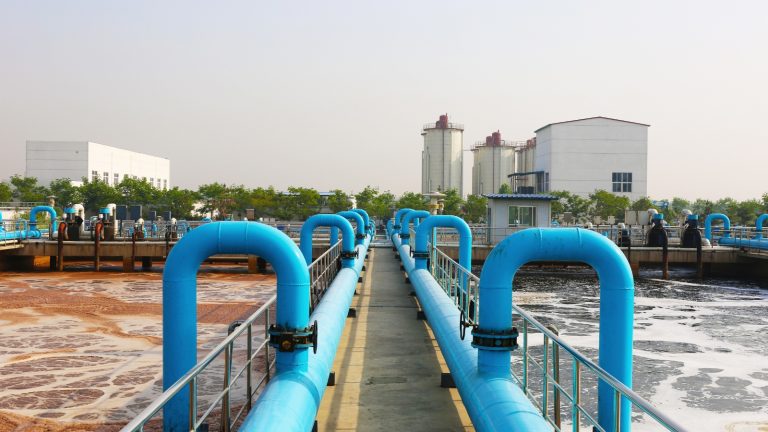
Common BOD problems arise from testing errors, microbial imbalance, and treatment process disturbances requiring systematic troubleshooting.
Low Blank Water Quality Causing Unreliable Results
Poor laboratory blank quality introduces background oxygen demand, distorting measurements. Maintaining clean preparation standards ensures analytical accuracy and prevents misleading results that may incorrectly indicate treatment performance issues.
Nitrification Interference In Secondary Effluent Samples
Biological oxidation of ammonia during testing can inflate measured oxygen demand.
Applying nitrification inhibition prevents nitrogen reactions from affecting carbon-based measurements. It will ensure reliable evaluation of organic treatment performance.
Insufficient Microbial Seeding For Low-Strength Industrial Wastewaters
Low-strength wastewater may lack active microbial populations required for degradation. Proper seeding introduces acclimated microorganisms, enabling accurate biological reactions and preventing underestimated oxygen demand values during laboratory analysis.
Sudden BOD Spikes Indicating Treatment Process Upsets
Unexpected increases in influent organic loading often signal upstream operational failures or industrial discharge events.
Rapid detection allows operators to implement corrective measures before compliance violations or biological system instability occurs.
Why Choose Tigernix For Intelligent Wastewater Treatment Management?
Tigernix provides AI-driven wastewater management platforms, such as the Smart Wastewater Asset Solution, that optimise monitoring, compliance, and operational efficiency.
AI-Powered Wastewater Monitoring With Real-Time BOD Prediction
Tigernix Solutions analyses operational data continuously to forecast organic loading conditions. Intelligent monitoring systems help operators anticipate changes rather than react to failures, improving plant reliability and treatment predictability.
Predictive Analytics Optimising Aeration And Biological Treatment
Advanced digital platforms dynamically adjust treatment parameters using performance analytics. Automated optimisation improves biological stability, reduces operational costs, and ensures consistent pollutant removal across complex wastewater environments.
Comprehensive Treatment Asset Management For Australian Facilities
Tigernix solution’s integrated management tools track equipment performance, maintenance schedules, and operational efficiency. Centralised visibility helps utilities manage assets proactively while supporting regulatory reporting aligned with national wastewater standards.
Regulatory Compliance Automation For BOD Reporting Requirements
Automated compliance systems simplify reporting processes by collecting operational data continuously. Digital reporting reduces administrative workload while ensuring accurate documentation required by environmental authorities.
Ready To Optimise Your Wastewater BOD Management?
Smart monitoring and predictive control solutions help wastewater facilities reduce costs while maintaining reliable discharge compliance.
Schedule Consultation With Tigernix Wastewater Specialists
Expert consultation enables facilities to evaluate treatment challenges and identify optimisation opportunities. Our tailored implementation strategies help utilities modernise monitoring systems and improve operational performance using intelligent wastewater technologies.
Call for a free demo now.
Tigernix- Predictive BOD Control For Consistent Discharge Compliance.
FAQs About BOD In Wastewater Treatment
BOD in wastewater treatment measures how much oxygen microorganisms need to break down organic pollutants in water. It helps operators evaluate treatment performance, prevent environmental damage, and ensure that discharged effluent does not reduce oxygen levels required for aquatic life survival.
BOD5 measures oxygen consumed by biological processes, while COD, chemical oxygen demand, measures total oxidisable substances using chemical reactions. BOD reflects biodegradable pollution levels more accurately, making it essential for biological treatment monitoring and long-term wastewater process optimisation decisions.
High BOD levels occur when wastewater contains excessive organic waste such as sewage, food residues, or industrial discharge. Increased organic loading raises microbial activity, leading to rapid oxygen consumption that may cause dissolved oxygen depletion in receiving water bodies if untreated.
Treatment plants reduce BOD through primary settling, biological degradation, and advanced polishing processes. Systems like activated sludge enhance microbial breakdown of pollutants, while optimised aeration and monitoring strategies improve removal efficiency and ensure compliance with environmental discharge requirements.
Standard BOD5 measurement methods require a five-day incubation period to simulate natural biological degradation under controlled conditions. This duration allows microorganisms enough time to consume oxygen while decomposing organic matter, providing accurate estimates of wastewater pollution strength and treatment performance.