

How to prevent dam failures is a central question when it comes to Australia’s strategy for the safety of its water. When you consider that there are over 490 large dams , each exceeding 15m in height, recorded on the ANCOLD register, the responsibility is phenomenal, right?
Queensland uses 2,924 flood warning gauges of all types, including stream and rain to combined units, which gather a huge swathe of data. But conventional monitoring techniques can be slow to address the changes, creating holes in dam-safety programs. Smart asset tracking transmutes this problem into an advantage. Through a mix of IoT sensors, AI and predictive analytics, engineers can identify leaks, stress points or abnormal flows before they become more serious.
This anticipatory early warning not only ensures operational efficiency but also protects downstream communities. In this guide, we will find the answer to the pressing question of ‘how to prevent dam failures’, understanding how technology facilitates prevention while upgrading their ability to make real-time decisions and prepare for emergencies.
We will look into
- What Causes Dam Failures and Structural Risks?
- How Do Traditional Dam Monitoring Methods Fall Short?
- What Technologies Enable Dam Failure Prevention?
- How to Implement Predictive Maintenance for Dams?
- How to Ensure Data Accuracy and Reliability?
- How Can Organisations Prepare for Dam Emergencies?
- How to Integrate Dam Monitoring with Asset Management Systems?
- How to Collaborate Across Teams for Effective Dam Safety?
- How to Measure the Effectiveness of Dam Safety Strategies?
- FAQ About Preventing Dam Failures
What Causes Dam Failures and Structural Risks?
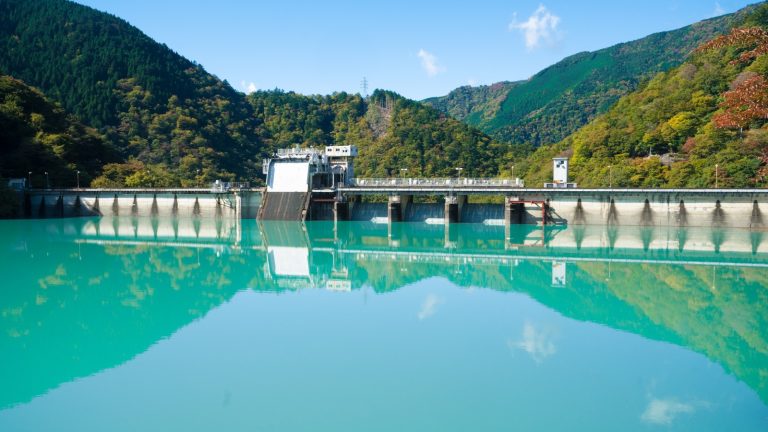
Common Causes: Overtopping, Seepage, Structural Cracks
Knowing how to prevent dam failures is all about identifying what the major structural risks are. Most dam collapses are the result of overtopping, when water exceeds a dam’s capacity and spills over the top due to unforeseen rainfall or poor spillway management.
Seepage flow measurement weirs are used to detect early seepage of water into the base of a dam, which not only weakens it. A symptom of structural cracks, which can sometimes be measured by crack meter deformation monitoring, is a loss of dam integrity.
It does not mean that you cannot achieve long-term dam safety. You can fulfil this requirement through monitoring of these vulnerabilities, and you can design dam structural health monitoring strategies accordingly.
One simple question: Have you ever pondered how tiny, unnoticed leaks turn into catastrophic failures?
Key Takeaways
- Dam failures prevention must be proactive, involving continuous monitoring, predictive maintenance and real-time analytics.
- The intelligent asset monitoring is based on IoT, artificial intelligence and digital twin simulation to identify early signs of potential failures and the most efficient maintenance programmes.
- Integration between engineering, operations and IT personnel results in improved dam safety risk management and facilitates timely decision making.
Impact of Extreme Weather and Climate Change
You may have seen that climate change makes dams much riskier. Overtopping and embankment erosion can occur due to severe weather events, such as torrential rainfalls or extended rainy periods.
Monitoring of water resources is of utmost importance to monitor the changes in reservoir levels. By integrating climate forecasts with the digital twin for dam infrastructure, you are able to enable the testing of hypothetical extreme scenarios and evaluate the adequacy of spillway capacities and predict potential weak spots.
Application of dam safety risk management principles derived from these findings can result in human life and property damage savings. This is what leads to the answer to ‘how to prevent dam failures’ in the end.
Operational Errors and Maintenance Lapses
Humans play an equally big role in dam safety. It could be any or all of us from municipalities, water boards, water facilities, etc. Operational errors, such as inappropriate handling of a gate or delay in conducting maintenance, could escalate risk.
Predictive maintenance for dams also assists in organising a time to get these repairs done before they become too serious. Real-time dam analytics can be key in detecting trends or outliers in structure performance and help to avoid mistakes.
Furthermore, there are dam maintenance guidelines as well as rigorous inspection lists with built-in accountability. This is where you need to question yourself as a responsible party, whether or not current maintenance is actually preventing potential failures or reacting after the events have occurred.
How Do Traditional Dam Monitoring Methods Fall Short?
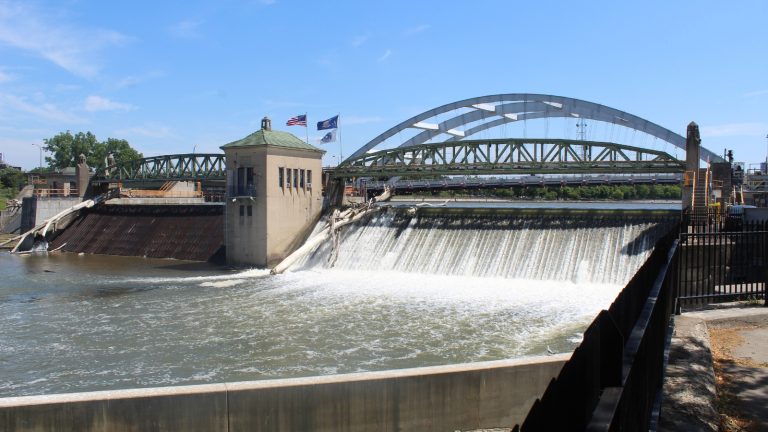
Manual Inspections and Delayed Reporting
We all know that periodic manual inspections are the conventional methods for monitoring dams. These are critical but provide snapshots of stagnation, frequently ignoring the first signs of distress.
Traditional dam safety monitoring systems, where instrumentation data is manually observed, may not be the best approach, as it can lead to delayed reporting, causing a higher risk. Automatic instruments like dam monitoring systems give online feedback, which improves early identification.
When such monitoring is absent from your safety strategy, you will not have a proper idea of the potential loss of life estimation, dam foundation integrity, etc.
Limited Sensor Coverage and Data Gaps
Traditional sensors have limited coverage, and therefore, they may leave areas of significance unscrutinised. Let’s take an example: alerts that monitor displacements from an inclinometer may never be triggered if data from embankment sensors is missing and does not indicate the stability of the structure.
New low-power embedded systems used by dam monitoring devices enable broader coverage and the ability to access data on water pressure, vibration, and seepage over larger areas of dams using IoT.
Such a comprehensive perspective enhances the assessment of dam structural integrity and the supporting dam safety management programme. The key question here is: How much do you trust your system to identify every single loophole?
Challenges in Integrating Multiple Asset Data Sources
Combining data from various sources SCADA, manual logs, and third-party weather feeds, is usually tedious. Do you agree?
When you utilise remote telemetry data loggings, you can simplify, consolidate and give way to central dashboards that can facilitate risk visualisation. The use of new software guarantees that all readings, including piezometer pore pressure measurement, enter the same model and improves both methodology and decision-making efficiency in dam risk assessment.
This means that right integration turns fragmented insights into business-altering intelligence
What Technologies Enable Dam Failure Prevention?
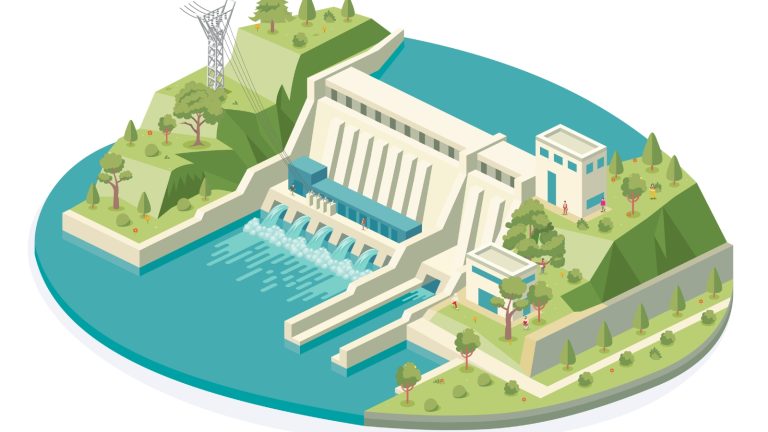
IoT Sensors for Water Levels, Pressure, and Vibration
- Early detection of structural weaknesses
- Reduced human inspection errors
- Real-time risk assessment
AI and Machine Learning for Anomaly Detection
AI algorithms process sensor data, and they detect abnormal behaviour. AI-enabled live dam statistics can foretell potential failures by accounting for contemporary conditions relative to historical patterns.
This allows for predictive maintenance of a dam, letting you plan repairs before damage progresses. Machine learning also helps prioritise dam safety upgrade priorities cost-effectively as an optimisation job.
Digital Twin Modelling for Scenario Simulations
The dam infrastructure virtual twin replicates physical assets in the cloud. You can mimic extreme weather, operational mistakes and structural stresses to see results.
This provides an improved basis for dam safety management frameworks to assess interventions without the potential for real-life consequences. They enable spillway and valve monitoring, scheduling and determination of the best response option, enhancing systems’ resilience.
GIS Mapping for Risk Visualisation
Geospatial software provides a refined image of dams, their environs and also potential hazard zones. It also helps population at risk analysis to make sure the communities are well-informed.
In other words, GIS combines sensor data with historical performance to identify potential failure points, in support of dam safety compliance audits and in dam safety risk management plans. Through mapping, you will have a better understanding of what areas need immediate attention.
SCADA Systems for Real-Time Monitoring
SCADA (Supervisory Control and Data Acquisition) systems monitor the status of dams on an ongoing basis. They are also the controller of sensors that execute automatic control, trigger actions and emergency API protocols based on threshold exceedances.
You can monitor spillways, gates and reservoirs dynamically with SCADA to enhance dam inspection checklists and emergency preparation. Keep actionable information at hand and mobile-friendly.
How to Implement Predictive Maintenance for Dams?
Monitoring Structural Health Continuously
This concept is the basis of predictive maintenance for ongoing dam health monitoring. Sensors record vibrations, water pressure and embankment movement, supposedly feeding real-time data to digital twin models of dams.
It helps us keep an eye on problems like cracks or seepage because we can catch them before they cause a dam relicensing to fail. Real-time monitoring means less downtime and more effective safety inspection checks.
Scheduling Proactive Maintenance Based on Predictive Alerts
Artificial intelligence-based warnings help dictate dam maintenance procedures by advising when they are needed. Even before equipment wear or spillway capacity adequacy becomes a problem, you can avert operational failures.
You can ensure that proactive maintenance scheduling minimises unplanned downtime and maintains accurate total pressure cell installation. Let’s reveal a practical approach:
- Prioritise high-risk assets.
- Service to the predictable stress points.
- Minimise disruption to water management.
Integration with Existing Maintenance and ERP Systems
Integration of the predictive maintenance tool with ERP systems allows for effective work orders, inventory and reporting. Further, integration offers visibility across teams that is critical to dam safety management plans and dam safety upgrade investment decisions.
Live data, when integrated with ERP processes, incredibly improves resource utilisation and compliance verification.
How to Ensure Data Accuracy and Reliability?
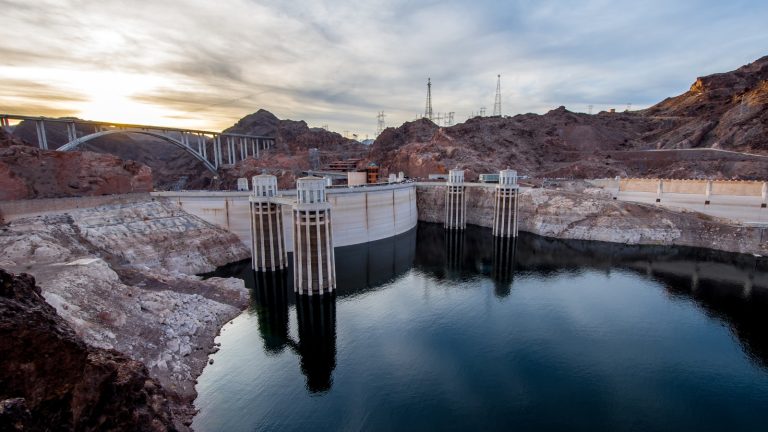
Sensor Calibration and Fault Detection
Regular calibration ensures sensor accuracy. There is a probability that the mispositioned sensors will provide errant estimates of reservoir water level gages, and thus information on dam structural integrity.
Automatic vibration-based structure health monitoring identifies the sensor failures, alarm makes false alarms to avoid and enhance its belongingness to the dam safety conformity audit.
Handling Missing or Inconsistent Readings
There are gaps in the data that can conceal important risks. Redundancy and AI-based interpolation have been used to make the remote data logging telemetry a non-stop source of intelligence.
It spots anomalies to refine dam risk assessment methodologies and justify the application of as low as reasonably practicable (ALARP) safety concepts.
Standardising Datasets for Analysis
Homogeneous and consistent data sets across equipment create a more effective dam safety management infrastructure.
Standardisation facilitates trend analysis, comparisons and the ability to integrate into dam inspection checklists to enhance decision making and evaluations of dam foundation integrity.
How Can Organisations Prepare for Dam Emergencies?
Early Warning Systems for Communities and Authorities
Early-warning systems alert residents and authorities whenever there are high-risk levels. Combining automated dam monitoring alerts with population at risk analysis allows more rapid response with potential savings of life.
They can send alerts through multi-platform: SMS, sirens and app notifications.
Emergency Response Planning and Simulations
Drills and the digital twin for dam infrastructure simulations ensure that your teams are ready for all kinds of failure modes. That way, you can ensure your emergency action plan considers the real-world limitations.
The scenario exercises impart the how-to knowledge, regarding both operations and risk.
Resource Allocation and Operational Readiness
You will need trucks and emergency teams to speed up the response. Dam emergency response plans also aid in the prioritisation of resources.
Efficient preparedness further improves the effectiveness of spillway and monitoring valve interventions as well as overall safety performance.
How to Integrate Dam Monitoring with Asset Management Systems?
Linking Sensors to Operational Dashboards
A dam monitoring IoT devices are connected to dashboards combining dosing valves and alarm chains on the same platform, offering a centralised view of the state of the dams. As an experienced player in the water asset management industry, trust us when we say that the visualisation of stability values in a dam embankment and water levels enhances the understanding of risk and can assist with prompt decision-making.
Furthermore, shared dashboards enable your teams to prioritise work orders, monitor sensor health and identify early indications of stress driving operational excellence across the assets.
Connecting Alerts to Maintenance Workflows
The construction consolidation guarantees predictive maintenance of dams, leading to immediate maintenance requests. It also provides workflow linkage to prioritise dam safety upgrade, with the right teams alerted to take quick action.
Automated alerts enable asset managers to monitor response times, better schedule responses, and ensure compliance with dam safety management or oversight programs to reduce the likelihood of failure and help optimise resource allocation.
Prioritising High-Risk Assets for Inspections
You can use risk scores and real-time monitoring for targeted inspection. They are dam safety monitoring indicators that simultaneously consider dam integrity, spillway capacity, and inclinometer displacement monitoring-recommended zones, which can effectively use various resources.
This procedure allows the water plants’ staff to recognise possible hazards at an early stage. They can produce a list for priority inspections and maintenance and schedule maintenance intelligently in a manner that augments general dam safety as well as operational dependability.
How to Collaborate Across Teams for Effective Dam Safety?

Coordination Between Engineering, Operations, and IT Teams
Successful risk management of dam safety needs to be interdisciplinary. Engineers, operators and IT personnel must share their insights, knowledge and data to ensure that the safety management of dams can work properly.
Structured communication systems that aid in real-time updates, coordination of decisions, and the ability to take rapid action create an environment where safety and operational excellence thrive.
Governance and Decision-Making for Predictive Insights
Use governance mechanisms to review safety audits and artificial intelligence alerts on dam compliance. Transparent decision-making allows dam inspection checklists and safety review procedures to be consistently implemented, assessed, and updated.
With timely and effective maintenance decisions, you can drive accountability to ensure predictive insights and minimise the risk on all dam assets.
Training Staff on Monitoring Dashboards and Alerts
By training your staff to read and analyse live dam analytics dashboards, you can make it possible to understand real-time and efficient instrumentation for dam monitoring.
Ongoing training increases dam operators’ emergency scenario competency, which in turn supports their ability to make evidence-based decisions and respond quickly when unfortunate events occur.
How to Measure the Effectiveness of Dam Safety Strategies?
KPIs: Incident Frequency, Prediction Accuracy, Maintenance Completion
Monitoring performance in terms of KPIs such as incident rate, dam overtopping protection success and predictive alert accuracy keeps a check on accountability.
Measuring completion of dam maintenance protocols allows your organisations in Australia to quantify improved performance, to identify gaps and adjust the preventative approach to find the right answer for the challenge ‘how to prevent dam failures’.
The latter increases the overall safety and operational efficiency of all dam infrastructure.
Dashboards and Reporting for Decision-Makers
Your dashboards indicate the real-time dam analytics and trending patterns for management decision-making. Visual inspection provides stakeholders with continuous monitoring of the health of dam embankment stability.
Detailed reporting also helps to promote transparency and encourage compliance, so you can make necessary adjustments for public safety and operational planning.
Continuous Improvement Based on Historical Data and Simulations
Through digital twin and historic incident data of dam infrastructure, your water-related organisations evolve the programmes for dam safety management. Iterative learning yields benefits for the integrity of the dam’s foundation, and this can reduce exposure to risk and increase resilience.
You have the power to learn from the past and prevent it with better fore planning this way.
How Tigernix Smart Asset Solutions Help Prevent Dam Failures
Tigernix Smart Water Asset Solution is an all-in-one software platform for all asset management chores in the water industry. Both water asset monitoring and cloud-based smart dam monitoring systems enable constant supervision. With our smart software solution, your plant’s operators gain actionable insights in real-time to improve dam structural integrity and operational effectiveness. Your maintenance teams can also take action on alerts faster for better preventative care.
AI-Driven Predictive Maintenance
Tigernix Smart Water Asset Solution comes with artificial intelligence, and it recognises patterns, enabling predictive maintenance of dams. Early warning modules will help you minimise downtime, while supporting risk control and improving dam safety risk management.
Call for a free demo today.
Tigernix-Ensure All Dams are Safe!
FAQ About Preventing Dam Failures
Dam failures can be prevented through continuous structural monitoring, real-time sensor data, predictive maintenance, and regular inspections. Combining IoT, AI analytics, and digital twins allows early risk detection, timely interventions, and informed decision-making.
Technology enables real-time monitoring of water levels, pressure, seepage, and structural movement. AI-driven analytics identify anomalies early, while digital twin simulations help operators test scenarios, plan maintenance, and reduce the likelihood of unexpected dam failures.
Predictive maintenance identifies potential issues before they escalate into failures. Analysing historical and real-time data helps schedule proactive repairs, reduce emergency incidents, optimise maintenance resources, and extend the operational life of dam infrastructure.
Early warning systems alert authorities and communities when abnormal conditions are detected. Automated alerts based on sensor thresholds provide critical response time, enabling evacuation, operational adjustments, and emergency actions to minimise damage and loss of life.
Preventing dam failures is a shared responsibility among dam owners, operators, engineers, regulators, and emergency agencies. Effective collaboration, compliance with safety standards, and the use of smart monitoring technologies are essential for long-term dam safety.