

Did you know that global utilities spend billions annually managing leaks and inefficiencies in water distribution systems, with losses exceeding 120 billion cubic metres of water each year? Behind every tap lies a vast and complex water distribution network responsible for delivering safe drinking water.
A modern water distribution system is more than pipes; it is a dynamic infrastructure combining water supply networks, storage reservoirs, and pressure-controlled systems that ensure steady water flow. However, poorly designed distribution systems can lead to water stagnation, reduced water quality, and frequent disruptions.
Understanding the types of water distribution systems helps uncover how cities maintain efficient municipal water distribution. As urbanisation accelerates, building smarter and more efficient water systems is key to securing a reliable water supply for future generations.
This article covers
- What Is a Water Distribution System and Why Does It Matter in Modern Water Systems
- What Are the Main Types of Water Distribution System Used Today
- Key Components of Municipal Water Distribution Including Pipes, Pumps, and Storage
- What Factors Influence the Design of Efficient Water Distribution Systems
- What Is the Future of Water Distribution Systems in Smart Water Systems
- FAQs About Water Distribution System
What Is a Water Distribution System and Why Does It Matter in Modern Water Systems

A water distribution system is the backbone of any modern water system, ensuring that treated water reaches homes, industries, and commercial users efficiently. In simple terms, it is a complex network of pipes, pumps, and storage infrastructure designed to supply water safely and reliably.
Today’s water distribution systems play a critical role in supporting urban growth, industrial operations, and public health.
From a broader perspective, the term water distribution refers to the movement of potable water from water treatment plants to end users through interconnected water distribution networks. These water distribution network structures include water mains, sub-mains, and service pipelines that ensure drinking water distribution systems function effectively.
Modern cities depend heavily on a well-designed water supply system and water supply network to deliver clean drinking water while maintaining water quality and preventing issues such as water stagnation and pollution.
Organisations in each region and county set standards to ensure safe drinking water and maintain overall water quality.
Furthermore, municipal water distribution systems are essential for maintaining an adequate water supply across residential and industrial zones. These systems also help regulate water pressure, manage water flow, and ensure consistent water availability even during peak demand.
Key Takeaways
- Choosing the right water distribution system ensures a reliable, efficient, and safe water supply.
- Different types of water distribution systems suit different terrains, demand levels, and infrastructure needs.
- Maintaining water quality, pressure, and flow is critical for effective water distribution systems.
- Smart technologies and Industry 4.0 are transforming municipal water distribution and reducing losses.
What Are the Main Types of Water Distribution Systems Used Today
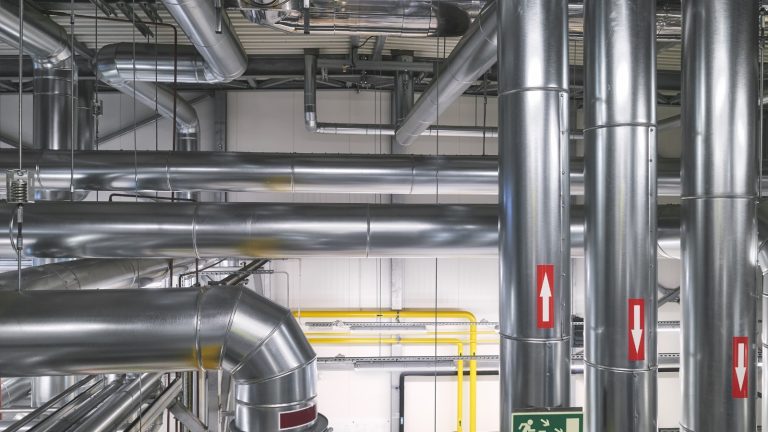
Understanding the types of water distribution system is essential for engineers, planners, and utilities. These systems are designed based on geography, population density, and water distribution needs.
Gravity Water Distribution System: Structure, Benefits, and Limitations
A gravity-fed water distribution system relies on elevation differences to move water from a water reservoir or elevated water tank to consumers.
In this setup, water travels naturally from higher elevations, reducing reliance on pumps and lowering operational costs.
Typically, water storage is achieved through water towers, elevated storage tank, or service reservoirs, which provide sufficient water pressure to supply distribution areas. This method is widely used in regions with natural elevation advantages and minimal hydraulic complexity.
However, challenges arise when managing water quality deterioration or ensuring reliable water availability during fluctuating demand. Additionally, limited water discharge and uneven water flow can impact system performance.
Pumped Water Distribution System: How Pressure-Driven Water Systems Operate
In contrast, a pumped water system uses mechanical energy to move water through pipe systems. Pumps ensure consistent water pressure across distribution systems, making them suitable for flat terrains or densely populated areas.
These systems often rely on ground storage reservoirs, underground storage reservoirs, or surface reservoir facilities to maintain a water supply.
Water treatment plant outputs are stored in storage tanks or open storage tanks, ensuring continuous water circulation.
Despite their advantages, pumped systems require careful monitoring of hydraulic performance, energy consumption, and water quality behaviour. Poor management can lead to hydraulic deterioration, increased operational costs, and even water supply interruptions.
Combined Water Distribution Systems: Balancing Efficiency and Reliability
A combined approach integrates both gravity and pumping mechanisms, creating an efficient system capable of handling complex water distribution challenges.
This is especially useful in large cities with varying topography and bulk water consumers.
Such systems often incorporate finished water reservoirs, elevated water reservoirs, and distribution reservoirs to balance supply and demand. The integration of hydraulic factors ensures optimal flow, minimises losses, and supports water safety.
How Do Municipal Water Distribution Systems Work in Real-World Water Systems
Municipal water distribution systems work by transporting treated water from water treatment plants through a connected water distribution network of pipes, pumps, and storage facilities. These water systems maintain consistent water pressure, regulate water flow, and ensure safe drinking water distribution to homes, businesses, and industries.
Key Components of Municipal Water Distribution Including Pipes, Pumps, and Storage
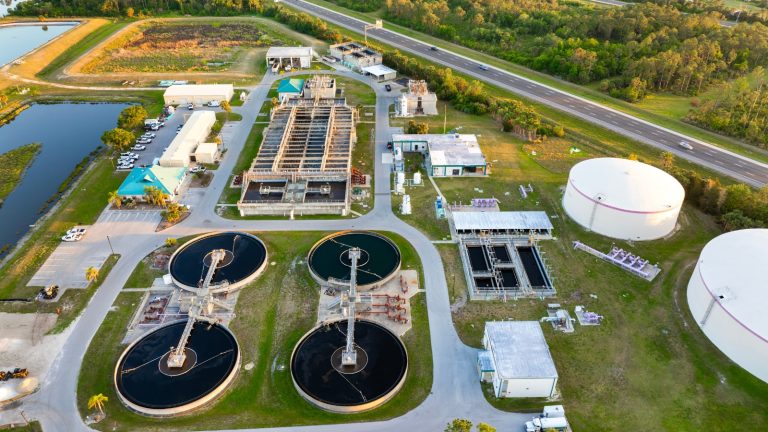
A municipal water distribution system consists of interconnected infrastructures designed to transport water efficiently.
Core components include water mains, main water line, feeders, and sub-mains, which distribute finished water across various areas.
Storage plays a crucial role, with facilities such as water tank, ground storage tank, elevated water tower, and hydropillar structures ensuring a steady supply. These storage facilities act as buffers during peak demand or emergencies.
Additionally, hydrants, used for firefighting, ensure that hydrant supplies water effectively across urban zones. Regular hydrant flushing helps maintain water quality and prevent red water caused by pipe corrosion.
Flow Management, Pressure Zones, and Network Design in Water Distribution Systems
Effective distribution network design ensures smooth water flow across different distribution areas. Engineers divide cities into small distribution zones to maintain consistent, adequate water pressure and minimise losses.
Different distribution methods such as the grid system, radial water system, and ring water system, are used depending on urban layouts.
For example, gridiron water distribution and gridiron water systems provide multiple pathways, improving reliability.
Meanwhile, the tree distribution system and circular distribution system are simpler but may lead to water stagnation if not properly maintained. Advanced water installation systems and water installation system designs help optimise water circulation and prevent contamination.
What Factors Influence the Design of Efficient Water Distribution Systems
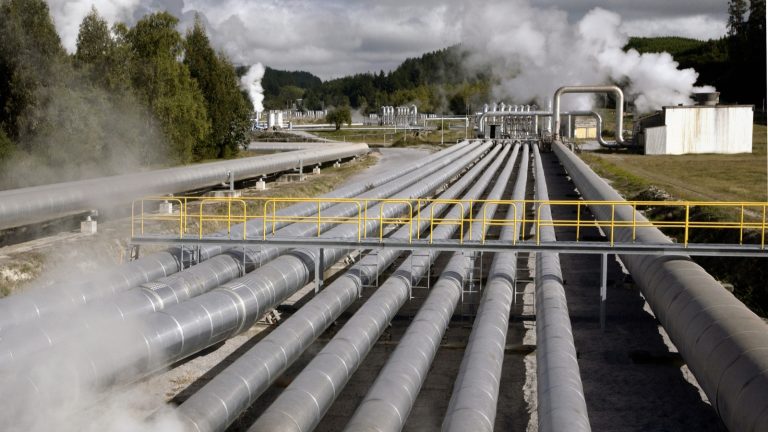
The design of efficient water distribution systems depends on factors like population growth, demand patterns, infrastructure planning, and water quality requirements. Engineers also consider water pressure, water flow, energy efficiency, and water availability to ensure a reliable water supply and sustainable performance across modern water systems.
Population Growth and Its Impact on Water Distribution Systems
Rapid population growth places increasing pressure on existing water distribution systems and overall water supply system infrastructure.
As cities expand, the demand for water supply, drinking water, and adequate water supply rises significantly. The latter requires utilities to upgrade water distribution networks and expand distribution systems.
In densely populated areas, ageing water mains and old water mains may struggle to support growing consumption, leading to inefficiencies and water supply interruptions.
To address this, authorities must invest in scalable water systems, larger reservoirs, and improved storage facilities such as elevated water tanks and ground storage tank solutions. Managing water availability becomes critical, especially where surface water and groundwater resources are limited.
Ultimately, population growth demands smarter municipal water distribution strategies that ensure consistent water flow, maintain water pressure, and deliver clean drinking water to expanding urban populations.
Demand Variability and Its Influence on Water Distribution Efficiency
Demand variability is a key challenge in managing water distribution effectively.
Daily fluctuations in water usage, seasonal changes, and industrial requirements from bulk water consumers create uneven stress across the water distribution network. During peak periods, maintaining adequate water pressure and stable water flow becomes difficult, particularly in complex distribution networks.
To overcome this, engineers design systems with distribution reservoirs, service reservoirs, and storage tanks that act as buffers.
These structures help balance supply and demand while preventing water stagnation and maintaining water quality. Advanced monitoring of water flow, flows, and hydraulic performance also ensures that distribution methods remain efficient.
By understanding demand patterns, utilities can optimise water circulation, minimise losses, and improve overall water distribution system reliability.
Urban Planning and Infrastructure Design in Modern Water Systems
Effective urban planning plays a crucial role in shaping efficient water distribution systems and ensuring sustainable water supply network development. Well-planned cities incorporate structured distribution areas, optimised grid system layouts, and modern water installation systems to improve efficiency.
Designs such as gridiron water distribution, radial water system, and ring water system are selected based on city layouts to ensure reliable water distribution and prevent inefficiencies.
Urban planners must also account for infrastructures, zoning requirements, and long-term water distribution needs when designing systems. Integrating water storage solutions like service reservoirs, finished water reservoirs, and elevated water reservoirs helps ensure a continuous supply.
Additionally, modern water utility strategies focus on reducing pollution, maintaining water safety, and ensuring consistent quality water delivery. As cities grow smarter, urban planning must align with advanced water systems to ensure resilience, efficiency, and sustainability.
Water Quality Management in Water Distribution Systems
Maintaining high water quality is essential in any water distribution system, as it directly impacts public health and the reliability of drinking water distribution systems.
Challenges such as lead contamination in drinking water, groundwater intrusion, and water quality degradation can occur if systems are not properly managed. To prevent this, utilities rely on advanced water treatment process operations carried out in water treatment plants using specialised water treatment chemicals.
Moreover, ensuring safe drinking water requires continuous monitoring of water quality behaviour across the water distribution network. Issues like water stagnation, pollution, and red water can degrade the quality of water, especially in ageing water mains and poorly maintained pipe system infrastructure.
This is where regular maintenance, flushing, and upgrades help preserve overall water quality and deliver clean drinking water to all water users.
Water Pressure Requirements and Flow Optimisation in Distribution Networks
Maintaining consistent water pressure is a fundamental requirement for efficient water distribution systems. Proper pressure ensures that water flow reaches all distribution areas, including high-rise buildings and remote zones, without interruptions.
Insufficient pressure can lead to uneven supply, while excessive pressure may damage water mains, sub-mains, and other distribution system components.
To manage this, engineers design pressure zones within the water distribution network, using infrastructure such as elevated water tanks, water towers, and service reservoirs.
These systems help maintain adequate water pressure and stabilise flows across the network. Additionally, optimising water circulation reduces the risk of water stagnation and improves system reliability.
A well-balanced approach ensures that water distribution remains efficient, consistent, and capable of meeting dynamic demand.
Energy Efficiency and Hydraulic Performance in Modern Water Systems
Energy efficiency plays a critical role in the sustainability of modern water systems, particularly in pumped water distribution systems. These systems depend heavily on energy to maintain water flow and pressure, making it essential to optimise hydraulic performance and reduce hydraulic deterioration over time.
Efficient system design considers hydraulic factors, pipe sizing, and layout to minimise energy losses and improve overall performance.
Advanced monitoring tools help maintain hydraulic integrity, ensuring that the water distribution system operates as an efficient system.
Reducing inefficiencies also helps prevent water supply interruptions and supports long-term water availability.
As utilities today focus on sustainability, integrating energy-efficient technologies into water supply systems is becoming a priority. This not only lowers operational costs but also ensures reliable and environmentally responsible water distribution.
What Is the Future of Water Distribution Systems in Smart Water Systems
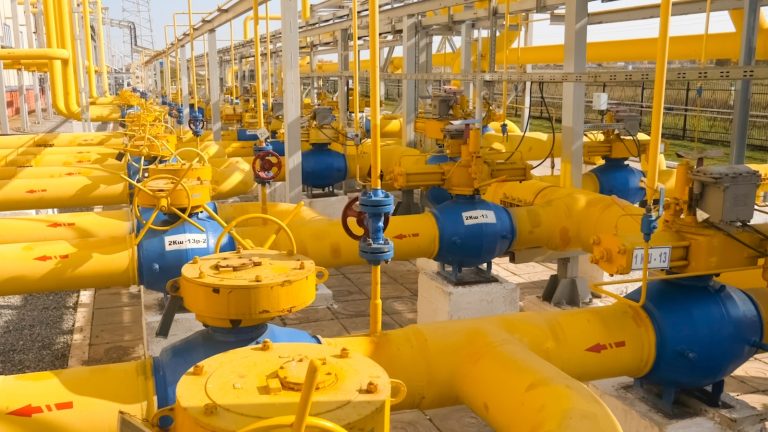
The future of water distribution systems lies in smart technologies that use sensors, data analytics, and automation to monitor water flow, water pressure, and water quality in real time. These advanced water systems improve efficiency, reduce losses, and ensure a reliable water supply in modern municipal water distribution networks.
The Role of Smart Technologies and IoT in Modern Water Distribution Systems
- The future of water distribution systems lies in smart technologies and digital transformation.
- Advanced sensors and IoT devices enable real-time monitoring of water flow, water pressure, and water quality behaviour.
- Modern utilities today are adopting digital platforms to track water online, predict failures, and optimise water distribution networks.
- These innovations help prevent water supply interruptions, improve efficiency, and ensure safe drinking water delivery.
- Smart systems also support contingency water storage, automate temporary water bypass, and enhance overall system resilience.
- As water science evolves, these technologies will redefine how water systems operate.
Transforming Water Distribution Systems With Tigernix’s Industry 4.0 Intelligence
Tigernix Water Distribution Asset Solution empowers any type of water distribution system with advanced Industry 4.0 capabilities, enabling real-time monitoring, predictive analytics, and intelligent asset management.
Our robust platform drastically reduces Non-Revenue Water (NRW) by detecting leaks, minimising losses, and optimising network performance.
As the software solution improves operational efficiency and prevents failures, it drives significant cost reduction while ensuring reliable, high-quality water distribution across modern utilities.
Call for a free demo.
Tigernix-Save Water With Digitalisation
Why Choosing the Right Water Distribution System Is Critical for Sustainable Water Systems
You may understand that selecting the right types of water distribution systems is essential for ensuring efficient, reliable, and sustainable water distribution. Whether using gravity-fed water distribution, pumped systems, or hybrid approaches, each method must align with local conditions and water distribution needs.
As cities grow and water systems become more complex, investing in modern water supply systems, advanced monitoring, and resilient infrastructure is no longer optional. Ultimately, the goal is to deliver safe drinking water, maintain overall water quality, and ensure long-term water availability for all water users.
FAQs About the Water Distribution System
The main types of water distribution systems include gravity, pumped, and combined systems. Gravity systems use elevation, pumped systems use mechanical pressure, and combined systems use both. Each type is selected based on terrain, demand, and infrastructure requirements in modern water distribution systems.
A water distribution system works by transporting treated water from water treatment plants through pipes, pumps, and storage facilities. It maintains water pressure, regulates water flow, and ensures safe drinking water distribution to homes, businesses, and industries across a water supply network.
The most efficient type of water distribution system depends on location and demand. Gravity systems are energy-efficient, while pumped systems offer flexibility. Combined systems are often the most reliable, as they balance cost, efficiency, and performance in complex water distribution networks.
The design of water distribution systems depends on population growth, demand variability, infrastructure layout, and water quality requirements. Engineers also consider water pressure, energy use, and water availability to ensure an efficient and reliable water supply in urban and industrial areas.
Water distribution is essential because it delivers safe and reliable drinking water to communities. Efficient water distribution systems support public health, economic activity, and urban growth by ensuring a consistent water supply, maintaining water quality, and preventing shortages or system failures.