

Modern cities do not fail because of a lack of roads; they fail because of poor traffic management. As urban populations surge and urban areas expand, the pressure on transportation systems, roads, and infrastructure intensifies. Without effective traffic management, we can see that cities face rising traffic congestion, declining road safety, and inefficient traffic flow.
Smart cities solve this by transforming how they manage traffic flow, using data, systems, and planning to create seamless, safe, and efficient mobility ecosystems. As reported, smart traffic management is accelerating rapidly as urbanisation and sustainability push the market toward $20 billion by 2027.
This broader shift is often described in the industry as Intelligent Transportation Systems (ITS), the umbrella term covering everything from adaptive signals to full traffic management solutions.
The article covers everything about traffic management and its importance for smart cities.
We will explore
- What Is Traffic Management In Modern Urban Environments?
- Why Traffic Management Matters For Smart Cities
- What Are The Core Components Of Traffic Management Systems?
- What Types Of Traffic Are Managed In Smart Cities?
- What Causes Traffic Congestion In Urban Areas?
- What Are The Key Traffic Management Techniques Used Today?
- How Does Traffic Management Improve Road Safety And Efficiency?
- The Role Of Technology In Smart Traffic Management Systems
- How Traffic Management Supports Smart City Planning
- Challenges In Traffic Management For Growing Cities
- Future Trends In Traffic Management For Smart Cities
- FAQs About Traffic Management
What Is Traffic Management In Modern Urban Environments?
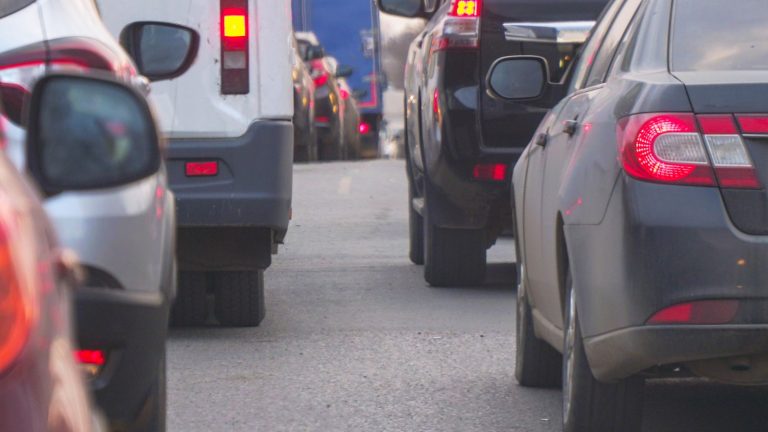
Traffic management refers to the coordinated use of systems, policies, and infrastructure to optimise traffic flow and safety across urban areas.
Key Takeaways
- Traffic management is the backbone of smart cities, enabling smoother traffic flow, reduced congestion, and efficient urban mobility.
- Data-driven traffic management systems transform decision-making, using real-time traffic monitoring and smart control strategies to optimise performance.
- Effective traffic management improves road safety and reduces risks, minimising accidents, violations, and delays across urban transportation networks.
- Technology and sustainability are shaping the future of traffic management, helping cities reduce vehicle emissions while creating smarter, more connected transportation systems.
Defining Traffic Management And Its Core Scope
Traffic management is the coordinated process of directing vehicles, pedestrians and public transport across roads, highways and intersections. It combines signal control, monitoring and regulation into one system, so a city’s roads work as a connected network rather than isolated intersections.
Modern traffic management systems go further than basic signal timing. They factor in real traffic volumes and daily demand patterns, adjusting flow across an entire road network rather than one junction at a time.
How Traffic Management Differs From Basic Traffic Control
Traffic control is the equipment layer: signals, signs and road markings. Traffic management sits above it, using monitoring data and traffic studies to decide how that equipment should behave.
In practice, this means adjusting lane use, coordinating signal timing across multiple intersections, and syncing private vehicle movement with public transport schedules, rather than treating each junction as a separate problem. A well-designed traffic control system ties these individual pieces together into one coordinated network.
Why Traffic Management Matters For Smart Cities
Traffic management is essential for reducing congestion, improving safety, and enhancing overall transportation efficiency in smart cities.
Impact On Traffic Congestion And Urban Efficiency
Without effective traffic management, congestion compounds quickly. Limited road capacity, poor lane design and inefficient routing create bottlenecks that ripple across a city during peak hours.
Smart traffic management systems address this with real-time data, shortening queue lengths and keeping traffic moving smoothly across arterial roads, freeways and busy interchanges.
Role In Road Safety And Accident Reduction
Road safety is one of the clearest returns on effective traffic management. Enforcement, clear signage and driver education work together to cut violations, accidents and near-misses.
These measures matter most where risk is highest: intersections, work zones and construction areas, where drivers, cyclists and pedestrians share limited space.
What Are The Core Components Of Traffic Management Systems?
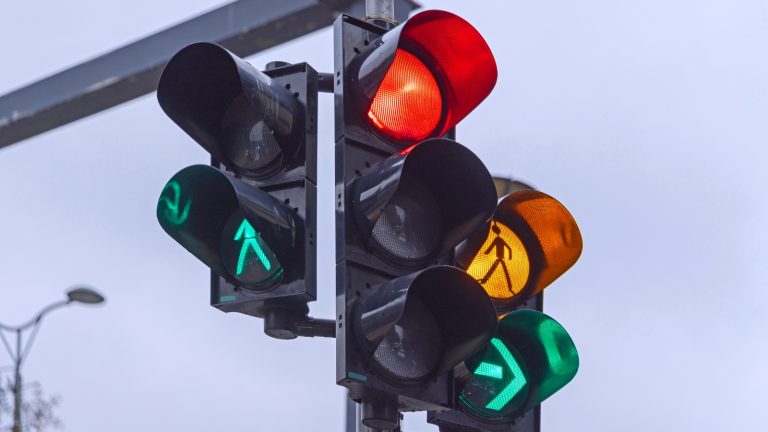
Traffic management systems consist of monitoring, control, infrastructure, and enforcement components working together to optimise traffic flow.
1. Traffic Flow Monitoring And Real-Time Management
Modern systems rely on sensors and connected networks to track traffic volumes in real time, from individual lanes up to entire arterial roads.
This live data is what allows a city to react to a slow-forming jam before it becomes gridlock, rather than adjusting signal timing after the fact.
2. Traffic Control Systems And Signal Coordination
Signal coordination is the most visible part of traffic control. Adaptive signal systems adjust light timing based on actual traffic volume rather than a fixed schedule, while dynamic lane control can open or close lanes depending on demand.
Coordinated well, these tools reduce the stop-start pattern that causes most urban queuing, particularly along corridors with several closely spaced intersections.
3. Infrastructure And Roadway Systems
Efficient infrastructure is essential for traffic management. This includes roads, roadway, highways, road construction, and roadway lighting.
Features such as intersections, parking facilities, parking lots, and busy interchanges support transportation systems.
As we can see, continuous infrastructure improvements and road inventory tracking ensure cities maintain optimal performance across urban operation environments.
4. Enforcement And Regulatory Frameworks
Enforcement keeps the system honest. Speed limits, inspections and permit compliance are backed by consistent monitoring, which together reduce violations and keep roads safer for everyone using them
Real-World Results Cities Are Already Seeing
Cities that have adopted smart traffic management systems are already showing measurable gains. AI-driven traffic systems in cities like Los Angeles and Pittsburgh have cut travel times by up to 25 percent, and researchers estimate cities worldwide could save as much as $277 billion by 2025 through reduced congestion and emissions.
The market reflects this momentum too. Industry forecasts put the intelligent traffic management system market at close to $20 billion by 2028, growing at more than 10 percent a year, as more councils move from pilot projects to full deployment.
What Types Of Traffic Are Managed In Smart Cities?
- Road Traffic And Vehicle Management
Strategies include high-occupancy vehicle (HOV) lanes, lane access, and dynamic shoulder lanes. Cities also manage certain vehicles, optimise road capacity, and ensure efficient movement for drivers.
- Rail Traffic And Public Transportation Systems
These systems reduce pressure on roads and support sustainable urban planning through reliable alternatives to private vehicle use.
- Pedestrian And Urban Mobility Traffic
Safe pedestrian facilities, road signs, and signage ensure smooth movement in urban area environments. Integrating pedestrian flows into traffic management purposes enhances accessibility and improves the overall transportation experience.
What Causes Traffic Congestion In Urban Areas?
Traffic congestion is caused by infrastructure limitations, poor planning, and unpredictable traffic incidents.
Infrastructure Limitations And Capacity Issues
Congestion often starts with infrastructure that hasn’t kept pace with growth. Limited road capacity and outdated lane design turn ordinary traffic volumes into daily bottlenecks, especially on older arterial roads never built for today’s population.
Poor Traffic Management Techniques
Weak coordination between systems makes congestion worse than it needs to be. Cities without a clear traffic management strategy end up reacting to problems instead of preventing them.
Traffic Incidents And Unpredictable Conditions
Accidents, roadworks and unplanned closures disrupt flow fast. Without real-time incident detection and rerouting, a single blocked lane can cascade into congestion across an entire district.
What Are The Key Traffic Management Techniques Used Today?
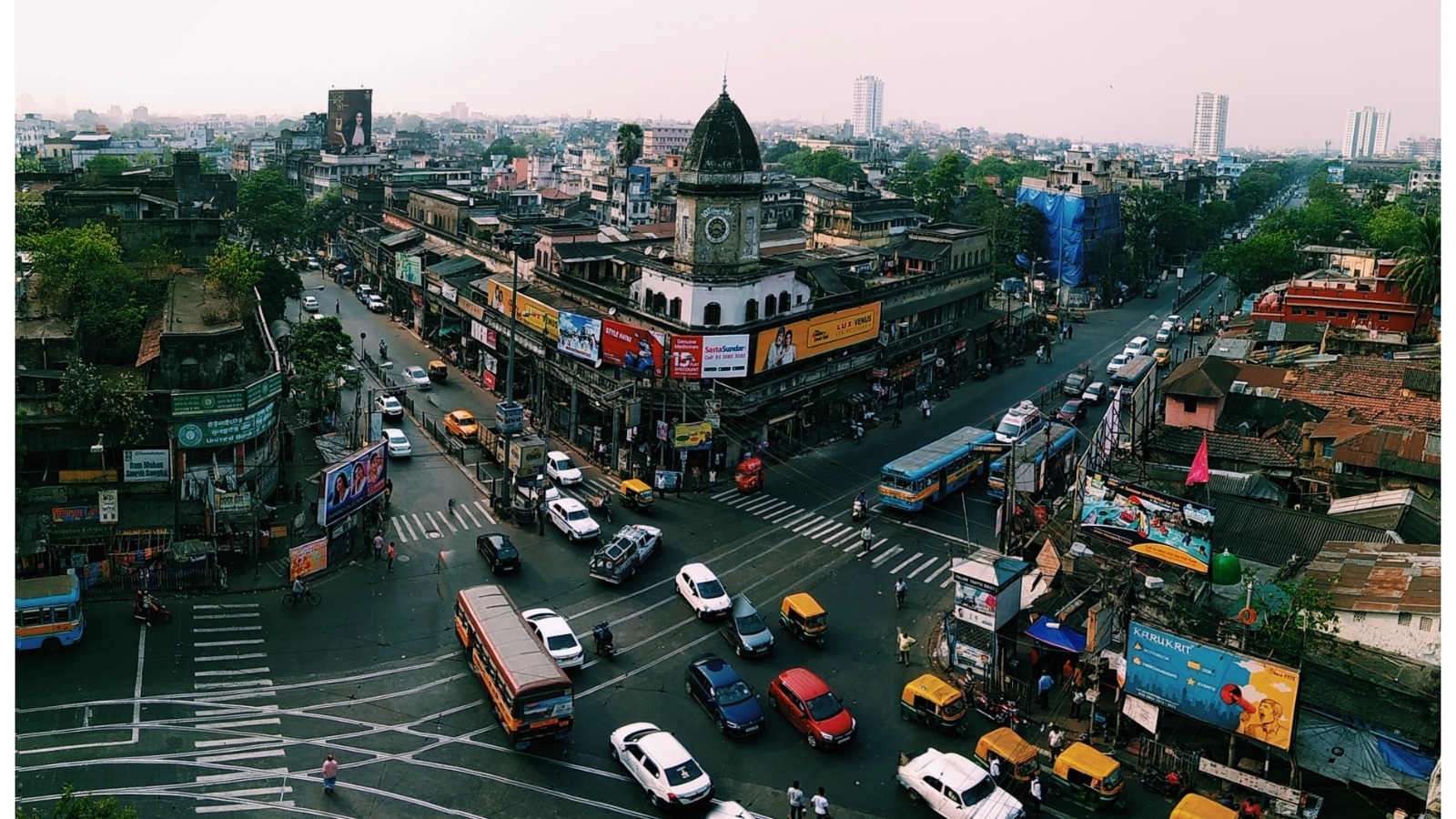
Modern traffic management techniques combine monitoring, dynamic control, and demand management strategies.
Traffic Monitoring And Data-Driven Decision Making
Using traffic monitoring systems and traffic economics, cities make data-driven business decisions.
Analysing traffic demands, traffic times, and traffic studies helps optimise operations and improve overall transportation efficiency.
Dynamic Traffic Control And Smart Systems
Technologies like dynamic lane control, dynamic shoulder lanes, and adaptive signal systems improve traffic flow. These systems enable real-time traffic adjustments, reduce queue lengths, and support uncongested traffic system goals.
Travel Demand Management Strategies
Travel demand management reduces peak-hour congestion by encouraging public transportation options, optimising routes, and managing vehicle entry.
These strategies balance demand across transportation systems and improve the overall transportation experience.
How Does Traffic Management Improve Road Safety And Efficiency?
Traffic management improves safety and efficiency by reducing violations, enhancing monitoring, and optimising traffic systems.
Effective traffic management reduces traffic violations, improves road safety, and ensures safer work zones and safe work zone environments. Through safety processes, clear signage, and strict enforcement, cities protect road users, drivers, and pedestrians.
Additionally, improved traffic flow and reduced congestion enhance the overall transportation experience for customers, businesses, and the public.
The Role Of Technology In Smart Traffic Management Systems
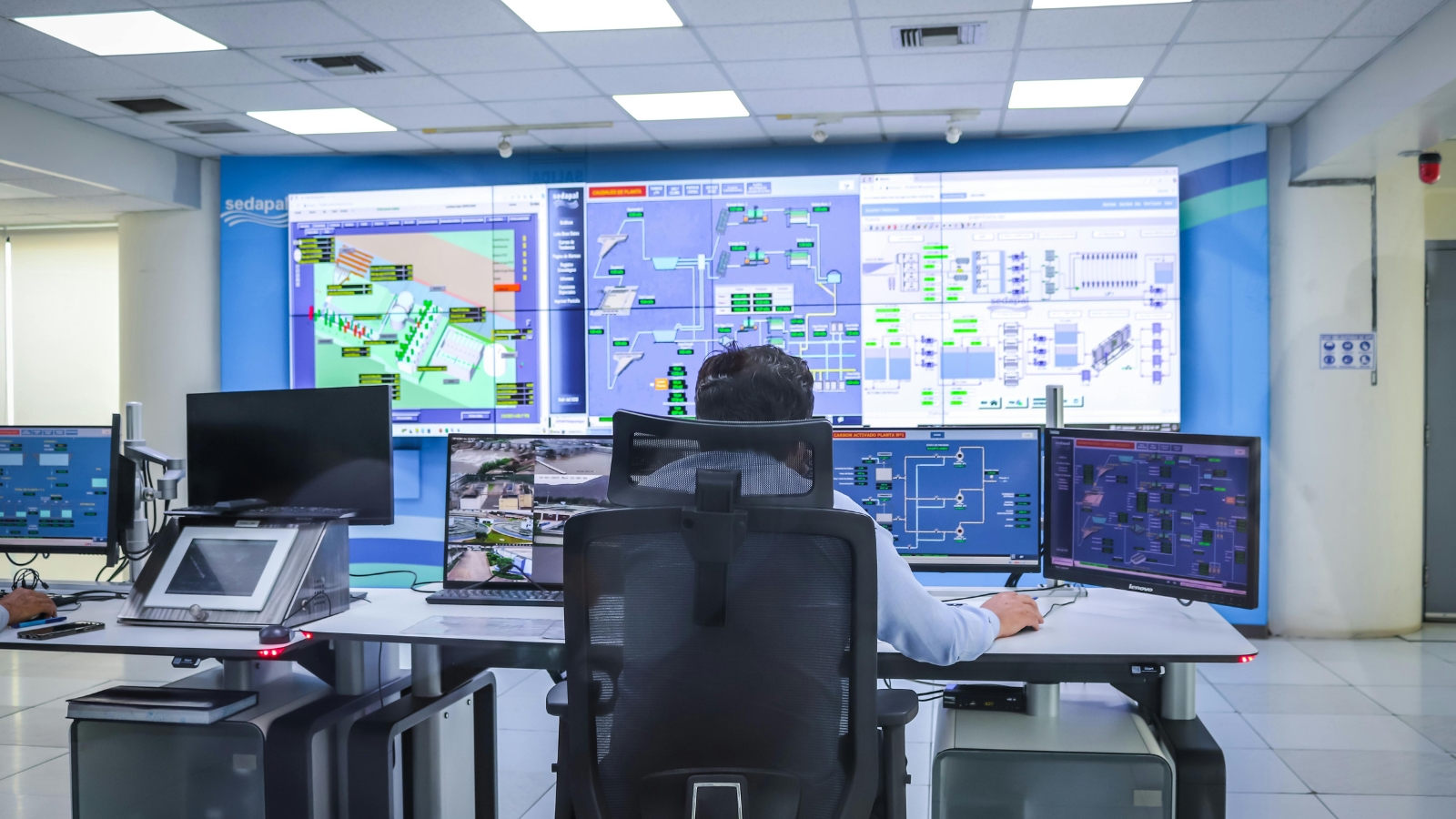
Technology enables real-time monitoring, predictive insights, and automated control in modern traffic management systems.
Intelligent Systems And Smart Infrastructure
Advanced systems, networks, and infrastructure enable seamless traffic management.
These systems integrate traffic facilities and service platforms to improve efficiency across urban operation environments.
IoT, Sensors, And Signal Optimisation
Smart sensors optimise traffic signals, improve signal locations, and enable adaptive signal timing.
These technologies enhance traffic flow considerations and reduce delays across intersections and lanes.
Predictive And Future Traffic Management
Using predictive analytics, cities anticipate future traffic, optimise traffic moving, and reduce congestion.
These tools support long-term planning and improve resilience across transportation systems.
How Traffic Management Supports Smart City Planning
Traffic management supports smart city planning by improving infrastructure, mobility, and sustainability.
A comprehensive transportation strategy integrates traffic management, urban planning, and infrastructure improvements. It enhances overall transportation efficiency, supports business growth, and improves mobility across the city.
By aligning management schemes, operations, and industry needs, cities create sustainable and efficient urban ecosystems.
Challenges In Traffic Management For Growing Cities
Did you know that traffic management faces challenges such as increasing demand, system complexity, and enforcement limitations?
Rapid urbanisation increases traffic demands, strains infrastructure, and complicates management. Coordinating multiple systems, facilities, and processes across networks is complex.
That is why ensuring compliance through law enforcement, regulations, and inspection remains a persistent challenge.
Future Trends In Traffic Management For Smart Cities

Future traffic management is evolving rapidly with automation, real-time systems, and sustainability shaping how cities optimise mobility and safety.
How Real-Time Traffic And Smart Systems Are Transforming Urban Mobility
Emerging trends highlight the growing importance of real-time traffic, smarter systems, and advanced traffic monitoring capabilities.
Cities are increasingly using integrated platforms to analyse live conditions and respond instantly to disruptions. These innovations enable authorities to optimise traffic flow, reduce delays, and improve coordination across transportation systems.
As a result, urban mobility becomes more adaptive, efficient, and responsive to changing conditions.
Why Uncongested Traffic System Design Is A Key Priority For Smart Cities
Modern cities are prioritising uncongested traffic system designs to minimise bottlenecks and enhance movement across dense urban areas. By redesigning infrastructure and improving planning strategies, cities aim to reduce pressure on existing networks.
This approach not only improves traffic flow but also supports better resource allocation and long-term urban sustainability.
Ultimately, it creates a more seamless and efficient transportation experience for all users.
How Sustainability And Reduced Vehicle Emissions Shape Future Traffic Management
Sustainability is becoming central to future traffic management, with a strong focus on reducing vehicle emissions and environmental impact.
Cities are implementing cleaner technologies and promoting alternative mobility solutions to reduce reliance on traditional vehicles. These efforts contribute to healthier urban environments while improving roadway conditions and public well-being.
Plus, sustainable strategies align with broader smart city goals, ensuring long-term resilience and efficiency.
How Innovation Continues To Enhance Safety And Transportation Systems
Ongoing innovations are transforming transportation systems, improving safety, and enhancing overall efficiency.
This is where advanced technologies enable better monitoring, predictive insights, and faster response times to potential risks. These improvements not only optimise traffic flow but also reduce accidents and enhance the travel experience.
As cities continue to adopt new solutions, the future of traffic management will become increasingly intelligent, safe, and user-focused.
How Tigernix Smart Transportation Asset Software Enhances Traffic Management
Tigernix offers the best software solution in Australia that enables smart cities to manage traffic systems, infrastructure, and operations efficiently through a flexible platform.
Tigernix Smart Transportation Asset Software centralises traffic management, infrastructure, and operations on a single platform. Our software suite enables real-time traffic monitoring, incident management, and traffic control, helping municipalities reduce the city’s traffic congestion and improve road safety.
With advanced analytics and flexible configuration, Tigernix’s Industry 4.0-driven platform supports data-driven business decisions, optimises traffic flow, and enhances overall transportation efficiency across smart city environments.
Call for a customised demo.
Tigernix-Be Smart Today
Driving Smarter Cities Through Intelligent Traffic Management
In today’s rapidly evolving urban landscape, traffic management is no longer just about controlling vehicles; it is about creating intelligent, responsive, and sustainable mobility ecosystems.
As smart cities continue to grow, the ability to optimise traffic flow, manage road traffic, and support diverse transportation systems becomes a defining factor of urban success. With the integration of real-time data, smarter infrastructure, and strategic planning, cities can transform everyday mobility into a seamless experience for road users, businesses, and the public. After all, effective traffic management is the foundation for safer, cleaner, and more connected urban futures.
FAQs About Traffic Management
Traffic management is the process of controlling and optimising traffic flow using monitoring, systems, and coordinated strategies. It works by analysing real-time conditions, adjusting traffic signals, and managing movement across roads, highways, and urban areas to ensure safer and more efficient transportation.
Traffic management is important because it reduces traffic congestion, improves road safety, and enhances overall transportation efficiency. In smart cities, it helps optimise mobility, minimise delays, and create safer environments for road users, supporting sustainable and efficient urban development.
The main components of traffic management systems include traffic monitoring, traffic control, infrastructure, and enforcement. These elements work together to track conditions, regulate movement, maintain safety standards, and ensure efficient traffic operations across urban and transportation networks.
Traffic management reduces traffic congestion by using real-time traffic monitoring, adaptive traffic signals, and dynamic control strategies. These methods optimise traffic flow, minimise delays, and efficiently distribute vehicles across available routes and lanes.
Modern traffic management systems use technologies such as smart sensors, traffic signals, predictive analytics, and integrated platforms. These tools enable real-time monitoring, data-driven decisions, and automated control to improve traffic flow, safety, and overall transportation performance.