

Did you know that temperature is the most monitored variable in industrial systems worldwide? That is why industrial temperature sensors are at the core of modern operations. With Industry 4.0 accelerating, the demand for advanced temperature sensors is expected to grow at over 8% annually. These intelligent sensors enable precise temperature measurement, ensuring stability across critical industrial processes.
From managing high temperatures in industrial processes to maintaining controlled conditions in freezing installations, every industrial temperature sensor plays a vital role. Integrated with industrial IoT, these systems provide real-time monitoring and predictive insights. Using technologies like thermocouple, RTD sensors, and infrared pyrometers, industries achieve unmatched precision. In a data-driven world, accurate temperature control defines operational success.
Let’s explore what industrial temperature sensors are and what they can do.
The article covers
- Introduction To Industrial Temperature Sensors In Modern Industry
- What Is An Industrial Temperature Sensor?
- How Does An Industrial Temperature Sensor Work?
- What Are The Main Types Of Industrial Temperature Sensors?
- Key Components Of Industrial Temperature Sensor Systems
- Applications Of Industrial Temperature Sensors Across Industries
- Benefits Of Using Industrial Temperature Sensors
- Common Sensing Methods And Technologies Used
- Challenges In Industrial Temperature Measurement
- How To Choose The Right Industrial Temperature Sensor
- The Future Of Industrial Temperature Sensors In Smart Industry
- FAQs About Industrial Temperature Sensors
Introduction To Industrial Temperature Sensors In Modern Industry
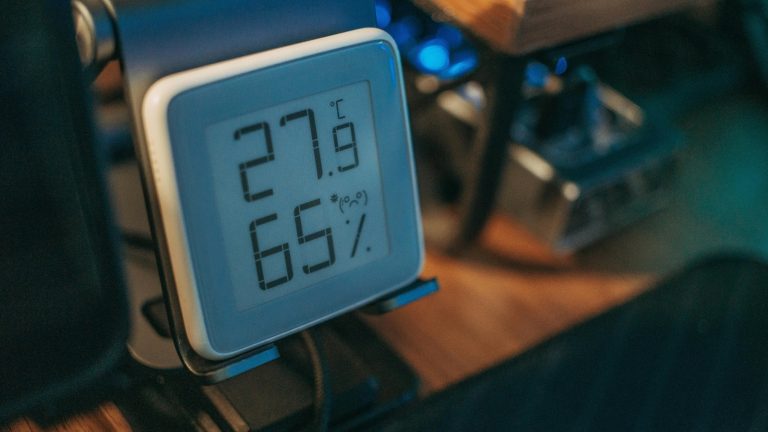
In today’s data-driven landscape, temperature sensors play a critical role in ensuring accuracy across industrial processes. Every industrial temperature sensor enables continuous monitoring, allowing industries to control heat, avoid non-accurate temperatures, and optimise operations.
From industrial automation to industrial IoT applications, these systems depend on advanced sensing and measurement capabilities.
Whether it is managing high temperatures, freezing installations, or energy measurement, the importance of accurate temperature control cannot be overstated in modern industrial applications.
Key Takeaways
- Industrial temperature sensors enable accurate temperature measurement and real-time monitoring across critical industrial processes.
- Different sensor types, like thermocouple, RTD sensors, and infrared pyrometers, serve specific industrial applications.
- Integration with industrial IoT enhances predictive maintenance, efficiency, and data-driven decision-making.
- Choosing the right sensor improves temperature control, reduces errors, and ensures long-term operational reliability.
What Is An Industrial Temperature Sensor?
An industrial temperature sensor is a device that detects and converts temperature into measurable signals for monitoring and control systems.
Definition Of Industrial Temperature Sensor And Temperature Sensor Types
An industrial temperature sensor is a specialised sensor designed to detect temperature changes and convert them into usable data.
However, different temperature sensor type categories fall under common sensor types, including thermocouple, RTD sensors, and infrared pyrometers. These sensors are used for precise temperature measurement in harsh industrial-grade environments.
How are they different from each other? Unlike basic thermometers, these systems enable accurate measurement and integrate with industrial automation applications.
The evolution of technologies has expanded the capabilities of temperature sensors beyond simple readings.
Difference Between Standard Sensors And Industrial-Grade Sensors
While standard sensors measure room temperature or standard temperature, industrial-grade solutions are built for durability and accuracy. Heavy-duty sensors, special sensors, and non-IP sensors are designed for extreme industrial processes.
These include resistance-based devices like resistance thermometers.
Furthermore, industrial variants often use a stainless steel body and advanced insulation for protection. Compared to standard temperature sensors, industrial models ensure reliability even under high temperatures or freezing conditions.
Role Of Temperature Sensors In Industrial Automation Applications
In modern industrial automation, temperature sensors are essential for controlling workflows and maintaining efficiency. These systems support industrial automation applications by providing real-time sensor signals for decision-making.
Through monitoring applications, industries achieve simple temperature monitoring and advanced control simultaneously.
Plus, integration with industrial IoT enables smarter operations, improving productivity and reducing downtime across industrial applications.
How Does An Industrial Temperature Sensor Work?
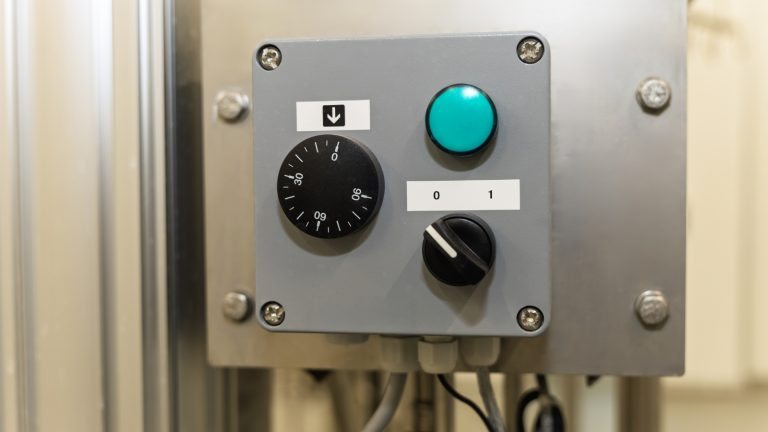
Industrial temperature sensors work by detecting temperature changes and converting them into electrical signals for monitoring systems.
Core Principles Of Temperature Measurement And Sensing
The working principle of temperature measurement involves detecting variations in heat and translating them into readable outputs. Did you know this?
Devices analyses measured temperature and compare it with the actual temperature for precision. Whether using thermocouple wire or resistance-based elements, these systems rely on common sensing methods to deliver consistent results.
Also, measurement accuracy is critical to avoid errors in industrial processes, especially where accurate measurement determines operational success.
Conversion Of Temperature Into Sensor Signals
Once the temperature is detected, it is converted into sensor signals through a temperature transmitter or analog temperature transmitters.
These signals enable real-time monitoring and control systems to respond effectively.
Advanced temperature transmitters ensure that energy measurement and performance tracking are seamless. This conversion process enhances sensor accuracy, preventing fluctuations caused by non-accurate temperatures.
Wireless And Network-Based Sensing Technologies
Modern technologies incorporate wireless sensor networks that operate on frequencies like 900 MHz and MHz ranges. Protocols such as SNMP enable seamless communication across industrial IoT applications.
These non-power sensors can function in remote environments, making them ideal for industrial battery-powered systems. Such innovations are transforming industrial IoT, enabling real-time data-driven insights.
What Are The Main Types Of Industrial Temperature Sensors?
Industrial temperature sensors come in various types, each designed for specific environments and measurement needs.
1. Thermocouple Sensors And Thermocouple Assemblies
A thermocouple measures temperature using voltage differences generated by thermocouple wire when exposed to varying heat levels. These systems are ideal for high temperatures and harsh industrial processes, where durability and fast response are critical.
Thermocouple assemblies are widely used in manufacturing due to their rugged design and ability to withstand extreme environments.
As you can see, their capability to handle intense heat and rapid fluctuations makes them one of the most reliable temperature sensors for continuous monitoring in industrial settings.
2. Resistance Temperature Devices And RTD Sensors
Resistance temperature devices and RTD sensors operate by measuring changes in electrical resistance as temperature varies.
These include resistance thermometer assemblies, which provide exceptional sensor accuracy and stability over time.
Compared to other temperature sensor type options, they offer higher precision, making them ideal for sensitive industrial applications where accurate control is essential. Their consistent performance across different temperatures ensures reliable temperature measurement, especially in environments that demand precise monitoring and minimal deviation.
3. Infrared Sensors And Pyrometers For Non-Contact Sensing
Infrared pyrometers and pyrometers enable non-contact sensing by detecting the infrared radiation level emitted by objects.
These sensors are used in environments where direct contact is not possible, such as monitoring exhaust gas temperature or moving machinery. This approach ensures accurate measurement without interfering with the process or equipment.
Their ability to function in extreme heat and hazardous conditions makes them essential for industries that require safe and efficient temperature measurement without physical interaction.
4. Thermometers And Basic Temperature Measurement Tools
Traditional thermometers and thermometer-embedded devices are still used for basic temperature measurement in less demanding environments.
While limited compared to advanced sensors, they remain effective for monitoring room temperature and standard temperature conditions.
These tools are commonly used in laboratories and simple industrial setups where high precision is not critical. Despite technological advancements, they continue to play a role in providing quick and accessible measurement of everyday temperatures.
Key Components Of Industrial Temperature Sensor Systems
Industrial temperature sensor systems combine multiple components that work together to deliver accurate, durable, and efficient performance in demanding environments.
- Sensor Construction And Materials Used
The sensor construction of industrial devices usually includes any sort of stainless steel, part of stainless steel body, and high-quality insulation to withstand harsh conditions.
These materials ensure long-term durability in industrial-grade environments exposed to heat, moisture, and pressure.
A well-designed stainless-steel probe enhances reliability while protecting internal components. Proper construction also supports consistent temperature measurement, ensuring stable performance even in extreme temperatures commonly found across demanding industrial processes.
- Temperature Probes And Mounting Configurations
Temperature probes and mountable sensor designs allow flexible installation across various systems. Options such as compact temperature sensor, flexible temperature sensor, and heavy-duty temperature sensor provide adaptability for different industrial applications.
These configurations ensure accurate positioning for capturing measured temperature and maintaining precise temperature control.
Additionally, heavy-duty sensors are designed for rugged environments, ensuring reliability and durability. Proper mounting improves monitoring efficiency and enhances overall system performance.
- Supporting Hardware And Transmitters
Supporting components include temperature transmitters, sensor mbt, and analog temperature transmitters, which play a vital role in converting readings into usable data. These systems improve sensor accuracy and ensure reliable measurement across complex setups.
By transmitting sensor signals efficiently, they enable seamless integration with control systems.
Advanced temperature transmitters also support real-time monitoring applications, ensuring accurate data flow across interconnected industrial systems.
Applications Of Industrial Temperature Sensors Across Industries
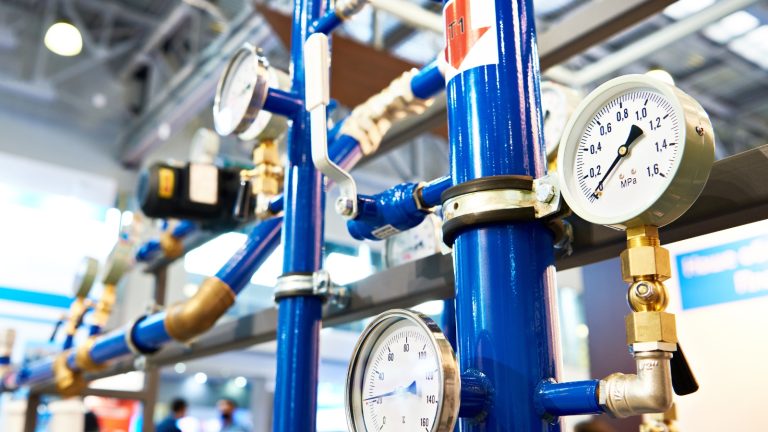
Industrial temperature sensors are widely used across industries to ensure operational efficiency, safety, and precise control in diverse environments.
Manufacturing And Industrial Automation Applications
In manufacturing, temperature sensors are essential for efficient industrial automation applications, enabling precise temperature control throughout production lines. They support continuous monitoring and ensure consistent product quality by maintaining optimal conditions.
These systems are deeply integrated into industrial automation, allowing real-time adjustments in industrial processes.
In this scenario, accurate temperature measurement helps reduce errors. The latter also improves efficiency and maintains high standards across modern industrial applications.
Energy, Exhaust Systems, And High-Temperature Environments
Industries rely on advanced sensors to monitor exhaust gas temperature and perform accurate energy measurement in critical systems.
These devices operate effectively in high temperatures, ensuring safe and efficient operations. Their ability to withstand extreme heat makes them essential for power plants and heavy industries.
Reliable temperature measurement in such environments prevents equipment failure and enhances system performance.
Freezing, Refrigeration, And Environmental Monitoring
In cold environments, temperature sensors support freezing processes and freezing installations by providing continuous monitoring applications. These systems ensure stable conditions and prevent fluctuations that could damage products or equipment.
Accurate measurement of low temperatures is critical in industries like food storage and pharmaceuticals. Effective sensing in these environments improves efficiency and maintains product integrity.
Marine, Wireless, And Remote Monitoring Systems
Applications such as series marine temperature monitoring rely on advanced wireless sensor networks for real-time data collection.
These systems operate using industrial IoT applications, enabling remote monitoring in challenging environments.
Communication technologies like 900 MHz and MHz frequencies support seamless data transfer.
This approach enhances operational visibility and ensures accurate temperature measurement even in isolated or harsh marine conditions.
Benefits Of Using Industrial Temperature Sensors
Industrial temperature sensors enhance operational accuracy, efficiency, and reliability across modern industrial environments.
Improving Accuracy And Reducing Non-Accurate Temperatures
By improving sensor accuracy, industries can eliminate non-accurate temperatures and achieve consistent accurate measurement across operations. Reliable temperature measurement ensures that systems operate within defined limits, reducing errors and improving product quality.
Advanced sensors provide stable readings of measured temperature and actual temperature, helping maintain precision in critical processes.
This level of accuracy enhances overall performance and ensures dependable outcomes in complex industrial applications.
Enhancing Process Efficiency And Temperature Control
Effective temperature control plays a key role in improving efficiency across industrial processes.
When they use advanced temperature sensors, industries can optimise energy usage and minimise waste caused by inefficient heating or cooling.
Continuous monitoring allows systems to adjust in real time, ensuring stable conditions. This results in better resource utilisation, reduced downtime, and improved operational performance across a wide range of industrial automation applications.
Supporting Industrial IoT And Smart Technologies
Integration with industrial IoT enables advanced monitoring applications and data-driven decision-making. This is where modern technologies allow wireless sensor systems to transmit real-time data, improving visibility across operations.
These connected systems enhance automation and enable predictive maintenance, reducing unexpected failures. If they leverage industrial IoT applications, businesses can transform traditional workflows into smart, efficient systems that adapt dynamically to changing conditions.
Common Sensing Methods And Technologies Used
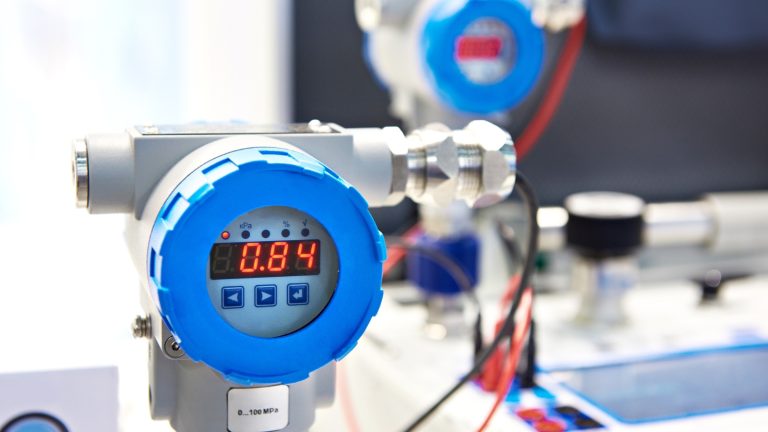
Different sensing methods and technologies define how temperature data is captured, processed, and utilised in industrial systems.
Contact Vs Non-Contact Sensing Methods
Common sensing methods include direct contact and non-contact sensing, each suited for specific environments.
Contact methods rely on physical interaction to measure temperature, while non-contact sensing uses technologies like infrared pyrometers to detect the infrared radiation level.
These approaches ensure accurate measurement across different industrial applications, whether dealing with solid surfaces or moving objects in extreme conditions.
Analog And Digital Measurement Technologies
Analog temperature transmitters and digital systems play a crucial role in converting readings into usable data.
These technologies ensure precise measurement and efficient communication of sensor signals across control systems. By integrating with advanced platforms, they enable real-time monitoring and improve overall system responsiveness.
This combination of analog and digital solutions enhances accuracy and reliability in modern industrial environments.
Emerging Sensor Technologies In Industrial Environments
Advancements in technologies continue to improve the performance of temperature sensors in industrial settings. Innovations in industrial IoT, wireless communication, and smart sensing systems are enabling faster and more accurate data collection.
These developments enhance efficiency, reduce manual intervention, and support predictive maintenance strategies. As new solutions emerge, industries can achieve greater precision and reliability in temperature measurement.
Challenges In Industrial Temperature Measurement
Industrial temperature measurement involves several challenges that impact accuracy, durability, and system performance.
Environmental Conditions And Insulation Issues
Extreme heat, moisture, and poor insulation can significantly affect sensor performance. Harsh environments may lead to inaccurate readings or system failures if sensors are not properly protected.
Using durable materials like stainless steel and high-quality insulation helps maintain stability.
Proper environmental management ensures reliable temperature measurement even under challenging conditions.
Sensor Durability And Maintenance
Maintaining heavy-duty sensors is essential for long-term reliability in demanding environments.
Continuous exposure to industrial processes can cause wear and tear, requiring regular inspection and maintenance. Durable designs and proper handling help extend lifespan, ensuring consistent performance.
Moreover, regular upkeep supports accurate monitoring and reduces the risk of unexpected system failures.
Signal Accuracy And Calibration Challenges
Ensuring the accuracy of sensor signals is critical for reliable operations. Calibration issues can lead to incorrect readings, affecting overall temperature control and decision-making.
Regular calibration and validation processes help maintain sensor accuracy and ensure consistent results.
Addressing these challenges is essential for achieving precise measurement in complex industrial systems.
How To Choose The Right Industrial Temperature Sensor
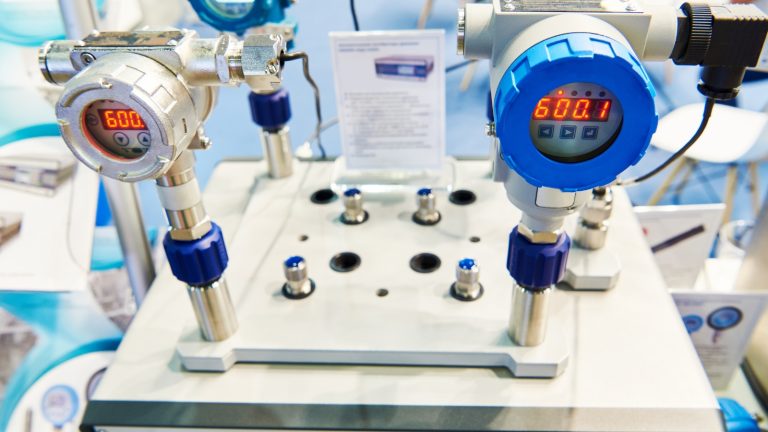
Choosing the right industrial temperature sensor depends on the environment, accuracy requirements, and application needs.
Key Factors: Temperature Range, Environment, And Accuracy
Selecting the right temperature sensor type requires evaluating operating conditions such as high temperatures or freezing environments.
Further, factors like required sensor accuracy, environmental exposure, and process demands influence performance. Proper selection ensures reliable temperature measurement and optimal efficiency in various industrial settings.
Selecting Between Thermocouples, RTDs, And Infrared Sensors
Choosing between thermocouples, RTD sensors, and infrared pyrometers depends on the application’s requirements.
Thermocouple systems are ideal for extreme conditions, while RTD sensors offer higher precision. Infrared pyrometers support non-contact sensing, making them suitable for hazardous or moving environments requiring accurate readings.
Importance Of Custom-Designed Quality Temperature Solutions
Custom-designed quality temperature solutions provide flexibility for unique industrial applications. Tailored designs improve sensor construction, enhance durability, and ensure precise temperature measurement.
These solutions help address specific operational challenges while ensuring optimal performance across different environments and improving overall system efficiency.
The Future Of Industrial Temperature Sensors In Smart Industry
The future of industrial temperature sensors lies in smart technologies, automation, and advanced connectivity.
Integration With Industrial IoT And Wireless Systems
Future systems will rely heavily on industrial IoT applications and wireless sensor networks to enable real-time data sharing.
These technologies enhance monitoring capabilities and improve decision-making. Integration allows seamless communication across systems, increasing efficiency and enabling smarter industrial operations.
Advancements In Sensor Technologies And Automation
Continuous innovation in technologies is enhancing industrial automation capabilities and improving sensor performance. Modern systems offer higher precision, faster response times, and better durability.
These advancements support efficient temperature measurement and help industries adapt to evolving operational demands.
Role In Predictive Monitoring And Smart Manufacturing
Advanced monitoring applications enable predictive maintenance by identifying issues before failures occur.
This approach improves efficiency and reduces downtime in industrial processes. By leveraging smart systems and real-time data, industries can optimise performance and maintain consistent temperature control across operations.
Ensure Sensor Reliability with Tigernix Smart Asset Management
Tigernix offers a wide range of Smart Asset Management Software solutions that ensure industrial sensors in water and wastewater systems remain safe and healthy through advanced Industry 4.0 capabilities.
By combining real-time monitoring, predictive maintenance, and IoT-driven analytics, our smart platforms detect failures early, optimise sensor accuracy, and extend asset lifespan.
With integrated dashboards and automated alerts, Tigernix solutions enhance operational visibility, reduce downtime, and support reliable performance across critical infrastructure environments.
Call for a free demo.
Tigernix-Upscale Your Processes With Digital Tools
Why Industrial Temperature Sensors Are Critical For Modern Industrial Processes
From temperature measurement to advanced industrial IoT integration, industrial temperature sensors are transforming how industries operate. Their ability to provide accurate measurement, enable monitoring applications, and support industrial automation makes them indispensable.
As technologies evolve, these sensors will continue to drive innovation and efficiency in modern industrial processes.
FAQs About Industrial Temperature Sensors
An industrial temperature sensor is a device that measures temperature in industrial environments and converts it into data. It helps with monitoring and temperature control, ensuring safe operations, preventing overheating, and maintaining efficiency across industrial processes and automated systems.
Industrial temperature sensors measure temperature using technologies like thermocouples, RTD sensors, and infrared pyrometers. These devices detect changes in heat and convert them into sensor signals, enabling accurate temperature measurement and reliable real-time monitoring in industrial systems.
The main types of industrial temperature sensors include thermocouples, resistance temperature devices, and infrared pyrometers. Each temperature sensor type is designed for specific conditions, such as high temperatures, precision measurement, or non-contact sensing in hazardous environments.
Industrial temperature sensors are used in manufacturing, energy systems, marine environments, and industrial automation applications. They support real-time monitoring, ensure accurate temperature control, and improve efficiency across a wide range of industrial applications and processes.
To choose the right industrial temperature sensor, consider the temperature range, required sensor accuracy, and operating environment. Select the appropriate temperature sensor type, such as thermocouple, RTD sensors, or infrared pyrometers, based on your application and measurement needs.