

Did you know that poorly managed stormwater drainage infrastructure accounts for billions of dollars worth of damage every year? In a world where urbanisation is happening faster than ever, and the climate is more unpredictable than ever. This is where the stormwater drainage systems come in.
Stormwater drainage is one of the most important systems to prevent flooding, protect our infrastructure, and reduce environmental imbalances. However, a lot of systems that are supposed to last for decades are abandoned prematurely as a result of poor planning and design, and a lack of upkeep.
This article covers the best practices for the design, implementation, and maintenance of stormwater drainage systems that can perform in the long term. From city planner to engineer to infrastructure manager, this article will show how you can optimise efficiency while minimising risk and ensuring your drainage strategy is future-proof.
We will explore
- What Are Stormwater Drainage Systems, And Why Do They Matter?
- Key Components of Stormwater Drainage Systems
- Best Practices For Designing Stormwater Drainage Systems
- Maintenance Strategies For Long-Term Performance
- Common Challenges in Stormwater Drainage Systems
- The Role Of Smart Technology In Modern Drainage Systems
- Future Trends in Stormwater Drainage Systems
- FAQs About Stormwater Drainage Systems
What Are Stormwater Drainage Systems, and Why Do They Matter?
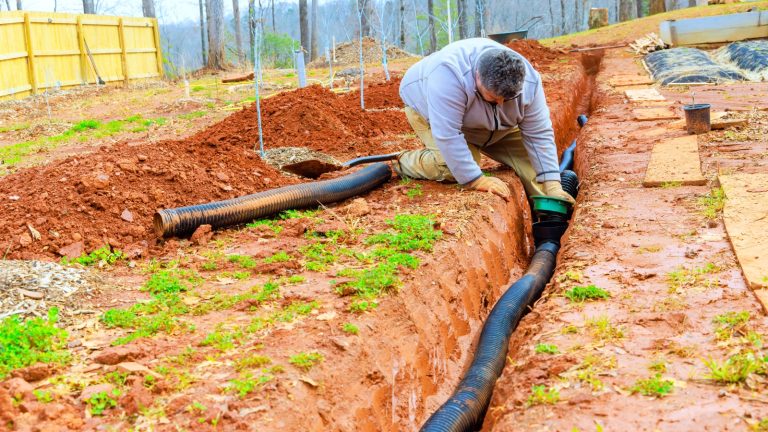
Stormwater drainage systems are man-made hydraulic networks that are specifically designed to collect, transport, store, and treat rainwater runoff from urban and rural catchments.
These systems usually consist of surface intakes, open ditches, pipe culverts, detention basins, retention basins, and water treatment units. They are designed based on hydrological-hydraulic principles, taking into account rainfall intensity, catchment area, runoff coefficients, and time of concentration for flow capacity and system sizing.
To be able to simulate system performances at various storm conditions, an advanced modeling tool like SWMM (Storm Water Management Model) is often used.
Moreover, stormwater drainage systems are essential for maintaining peak discharge rates and minimising flood risk, which is why these systems reduce soil erosion, prevent the transport of sediment, and protect critical infrastructure, including roads, bridges, and buildings, by controlling the velocity and volume of runoff.
Modern drainage systems also include water quality management provisions that eliminate contaminants such as heavy metals, oil, and sediments prior to discharge to protect waters from receiving polluted stormwater runoff and to comply with environmental standards.
Urbanisation also modifies a catchment area, replacing natural vegetation with impervious surfaces, including roofs, pavements, concrete, and bitumen, which can lead to almost 90% of potential runoff in highly urbanised areas, and restricts natural infiltration.
As a result, peak flows are higher and lag times are shorter, leading to a greater risk of flash flooding. Thus, efficient stormwater revolution drainage systems play a significant role in conserving urban form to variations in climate, while in addition. The latter supports and augments natural recharge of groundwater, and at the same time supports sustainable planning of urban form.
Key Takeaways
- Stormwater drainage systems are essential for preventing flooding and protecting urban infrastructure.
- Effective design depends on accurate site analysis, capacity planning, and flow optimisation.
- Sustainable drainage solutions reduce runoff and support environmental conservation.
- Regular maintenance is critical to ensure long-term system performance and reliability.
Key Components of Stormwater Drainage Systems
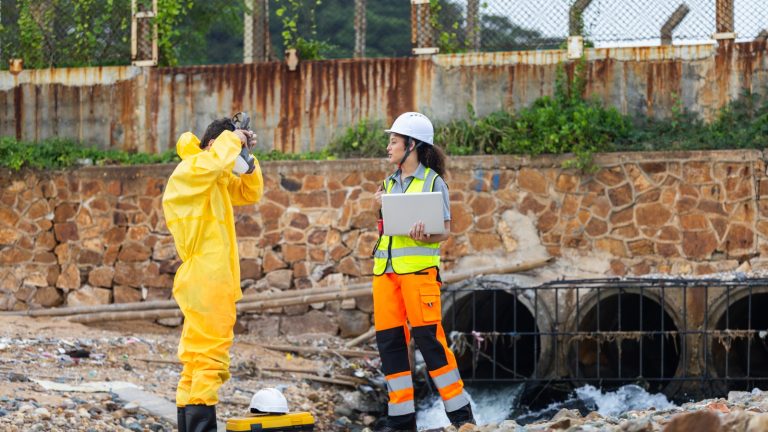
Stormwater drainage systems include the collection of runoff through a connected system composed of elements that transport, store, and sometimes treat stormwater runoff for progressive and even water management and considerable flood control.
Surface Drainage Systems
Examples of such surface drainage systems are the use of gutters, drains, swales, and open channels to directly collect rainwater from the roads, pavements, and other exposed areas.
They are called first-flush systems, and they intercept runoff in most cases before it even enters the drainage network. Besides, it is important to design it properly and maintain it on a regular basis to avoid clogging and ensure smooth work.
Subsurface Drainage Systems
These are underground systems consisting of buried pipes, culverts, and storm sewers that carry collected stormwater away from urban areas. These systems are essential in keeping the flow of water efficient and preventing water from accumulating on the surface.
Well-sized pipes, gradient, and good materials prevent the system from ceasing to function.
Retention And Detention Basins
Retention and detention basins are land types that can hold excess stormwater during extreme weather events.
A retention basin is one that holds water permanently, and a detention basin is one that releases water over the course of days. This helps in attenuating peak flow rates, limiting flooding risk, and providing protection to downstream infrastructure.
These practices also enhance groundwater recharge and the overall efficiency of water management.
Outfall Structures
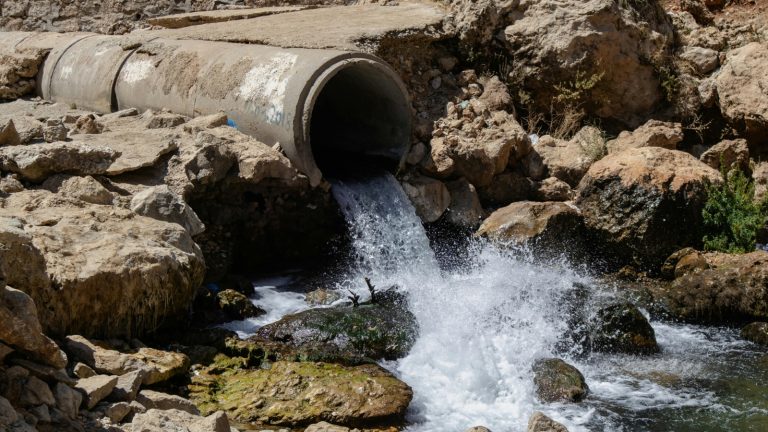
Outfall structure is the point where the stormwater finally outflows into natural water bodies such as rivers, lakes, and the ocean. These structures are strategically constructed to mitigate flow velocity and avert erosion and environmental degradation.
Discharged water flows through these plants and soils in such a manner that they will meet the regulatory requirements to not harm an ecosystem.
Filtration And Treatment Systems
These are the components that enhance stormwater quality prior to a site release through filtration and treatment systems.
These systems filter, separate, or use biological action to remove pollutants, sediments, and debris. They are ensuring that the environment is safe, water bodies are protected, and stormwater drainage systems are managed sustainably.
Best Practices For Designing Stormwater Drainage Systems
The stormwater drainage systems need to be designed in a data-driven, sustainable, and resilient manner, delivering efficiency of flow, flood protection, and long-term performance of infrastructure.
Conduct Comprehensive Site Analysis
As we design stormwater drainage systems, it is important to perform a detailed site analysis to know how water behaves in a particular environment.
Some of these factors that the engineers have to consider are topography, slope gradients, soil permeability, rainfall intensity, and land use patterns. These factors exert a direct influence on the volume and direction of flow of runoff.
Further, storm events can be simulated using hydrological and hydraulic modelling tools in order to assess the performance of a system under a range of potential scenarios. The identification of zones subject to flooding, the presence of natural drainage courses, and existing infrastructure prevent conflicts in the designs.
A site assessment helps make sure that the drainage system is not only effective but also caters to environmental conditions and long-term urban development plans.
Prioritise Sustainable Design
In particular, drainage systems play a major role in sustainable design in the stormwater environment, especially for urban environments with significant impermeable surfaces. The use of green infrastructures, such as permeable pavements, green roofs, rain gardens, and bioswales, maintains the natural infiltration and preserves green field runoff.
These solutions not only assist in groundwater recharge but also filter pollutants and help in improving the water quality. Sustainable drainage systems (SuDS) are environmentally friendly and cost-effective in the long run, compared to traditional systems, as they mimic the natural hydrological processes.
Plus, sustainable designs lower maintenance costs and improve resilience against extreme weather conditions by relying less on traditional pipe-based systems.
Ensure Adequate Capacity Planning
This is always a problem when we think about climate change, though, for perfectly good reasons: some climate change forecasts suggest that some areas will get way more rainfall than they used to, while others will get way less.
Engineering systems are designed to endure peak storm events and will have to refer to design rainfall based on historical observations blended with rainfall estimates derived from climate change projections. Too small of a system will flood, and too big of a system will be a higher cost that does not need to be applied.
The aspect to be kept in mind is to maintain a balance by adding safety margins and a scalable infrastructure. In times when there is heavy rain, detention basins, along with retention basins, are capable of controlling surfeit water.
Adequate capacity planning not only ensures that no system is over-designed but also improves the robustness and longevity of the drainage system.
Optimise Flow Efficiency
Stormwater drainage system performance depends on the free flow of water.
This indicates pipe diameters, gradients, and alignments have to be designed. This way, they are very low resistance, and nothing can settle in them.
With poorly designed systems, sediment buildup, obstructions, and backflow problems may occur. This incorporates modeling tools and hydraulic calculations to guarantee an optimal flow velocity across the whole system.
Efficient performance also depends on well-designed junctions and smooth transitions between component sections. This removes the stormwater from sensitive areas more rapidly and safely, which lowers the possibility of flooding and reduces the necessity for regular servicing by optimising the flow through the drainage systems.
Integrate Redundancy And Backup Systems
Stormwater drainage systems should be designed with redundancy to ensure their functionality in extreme weather events or the failure of another system. The use of backup drainage routes when the main system is overwhelmed, as well as overflow channels or emergency spillways, can redirect water flow to mitigate further flooding.
This avoids overloading the system and decreases the chance of runaway flooding.
One of the key aspects of this is redundancy, and it becomes a vital aspect in urban areas with dense infrastructure. Resilience and reliability come through multiple layers of design. Engineers use this principle when designing drainage systems, allowing them to function properly even in less-than-optimal conditions.
Maintenance Strategies For Long-Term Performance
Maintenance is essential for the sustainability of stormwater drainage systems. Even the best systems fall apart after enough time without maintenance.
Regular Inspection And Monitoring
Regular inspections identify problems like clogs, cracks, and sediment buildup before they become a serious issue. State-of-the-art methods, such as visual inspections or CCTV surveys, and even sensor-based monitoring systems, deliver customised real-time insights for the systems.
Failures have a very clear probability curve, which ends up benefiting the maintenance teams.
Sediment And Debris Removal
Drainage failure most often occurs as a result of sediment accumulation and debris. The flow can be blocked by leaves, plastic waste, and soil, reducing the capacity of the system.
Having routine cleaning schedules will help avoid drain channels and pipes from becoming clogged.
Mechanical cleaning equipment and automated systems have a great ability to enhance efficiency and reduce manual work.
Structural Repairs And Rehabilitation
Drains and drainage systems wear down due to traffic and the surrounding elements. Things like cracks, corrosion, and joint failures can impact the integrity of the systems.
Hence, if they can be repaired on time, relined, or the structure reinforced, stormwater drainage systems can, in theory, last indefinitely.
Planned maintenance or preventive plans are less expensive than reactive repairs.
Vegetation And Landscape Management
Wild vegetation growth can impede the drainage channels and impact the performance of the systems.
Roots may grow into pipes and burst them open. By designing your landscaping and vegetation properly, plants will help increase, rather than decrease, drainage efficiency.
Sustainable drainage systems also require maintenance of the green infrastructure elements.
Data-Driven Maintenance Planning
Data analytics and predictive maintenance have their advantages in the modern stormwater drainage systems.
Analysing both historic information and live inputs, organisations can predict possible failures and optimise maintenance schedules. Such an approach saves time, lowers expenses in the long run, and guarantees seamless function of the system.
Common Challenges in Stormwater Drainage Systems
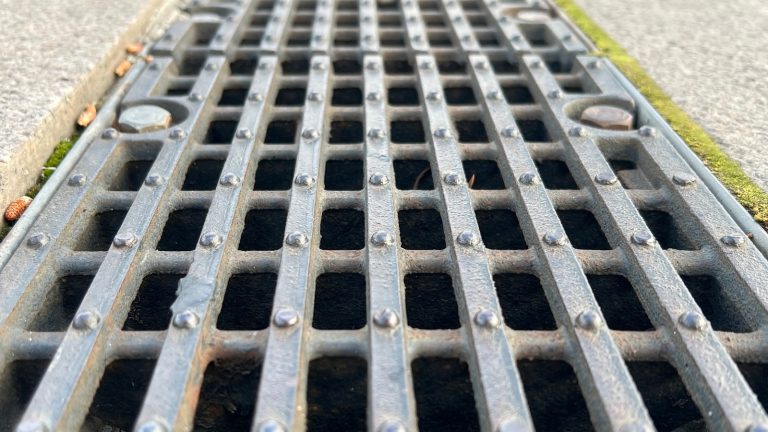
While technology advances, there are many challenges in stormwater drainage systems affecting their performance.
One significant factor is urbanisation, which decreases permeable surfaces and increases runoff volume. Existing drains are under strain from this.
The other biggest challenge is climate change, which has caused variations in rainfall and extreme weather conditions. Most classical systems are not built with that level of variability in mind.
System failures are also caused by poor maintenance practices. We do not find instances of obstructions, build-up of silt and soil, or even damage to a structure until clear problems emerge.
Furthermore, urban runoff can pollute water bodies, which makes filtration and good water purification essential parts of modern drainage systems.
The Role Of Smart Technology In Modern Drainage Systems
As you can see, advanced technology is changing the way stormwater drainage networks are operated and maintained.
IoT sensors can track the water level, flow rate, and functionality status of the system in real-time. This enables issues to be detected early and responded to swiftly.
Digital twins help to model the intricate operations of the drainage systems in the virtual world, allowing for the simulation and optimisation of how they will operate under various scenarios.
Predictive Maintenance Automation and AI-driven analytics reduce frequency and duration of downtimes, thereby increasing efficiency.
Not only will these technologies increase the reliability of the systems, but they will also help in sustainable urban development by optimising system usage.
Future Trends in Stormwater Drainage Systems
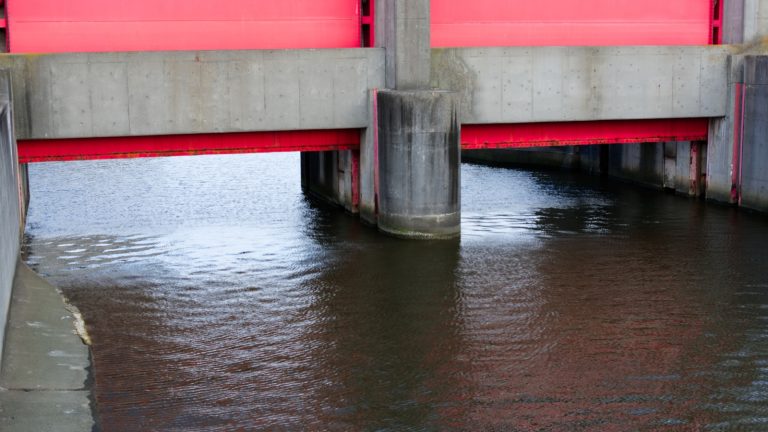
We must agree that sustainable, innovative, resilient stormwater drainage systems are the future.
In this context, green infrastructure is a best practice, outpacing traditional engineering with natural solutions. On the other hand, eco-friendly city designs are the new thing as cities are trying to have less impact on the environment.
Cities are gradually coming up with smarter solutions, and this will allow the city to have a framework where each component is intelligent enough to perform its tasks with real-time adaptations to conditions, with the help of technology-based smart solutions for drainage.
Also, climate-resilient designs have started to become a focus of ongoing designs and reviews, emphasising flexibility and adaptability to extreme weather events.
Alongside this, the existence of regulatory frameworks is changing to enforce greater standards, which necessitates new drainage solutions.
How Tigernix Smart Wastewater Asset Software Enhances Stormwater Drainage Systems
Water boards, municipalities, and wastewater facilities will need a sophisticated digital intelligence system like Tigernix Smart Wastewater Asset Software that empowers you to optimise these stormwater drainage systems using real-time management of assets.
Using advanced IoT sensors and predictive analytics, our platform monitors flow rates, detects obstructions, and predicts failures before they occur. Remove all slurry where it is to operate, whose centralised dashboard offers complete visibility across full drainage networks and rapid decision making and scheduling of maintenance with this digital platform.
Tigernix solution is Industry 4.0-ready, scalable to any infrastructure, and helps to reduce downtime, prevent or mitigate floods, and operating costs. Since you can convert reactive maintenance into proactive management, the stormwater drainage systems will perform better for longer, be more resilient, and sustainable in the long term.
Call for a free demo.
Tigernix-Ensure Stormwater Drainage Systems Work In Full Force
Building Resilient Stormwater Drainage Systems For The Future
This article brought us to the subject of stormwater drainage systems and their importance to the safety, survivability, and integrity of current infrastructure. With environmental challenges becoming more acute, it is time to step into best practice in design, maintenance, a nd technology.
Through smart strategic planning, innovative technologies, and sustainability, organisations will see performance and resilience for the long term. Cultivating smarter, safer, and more sustainable communities starts with investing in advanced stormwater drainage systems that pay dividends today and reduce risks tomorrow.
FAQs About Stormwater Drainage Systems
Stormwater drainage systems are engineered networks that collect, transport, and manage rainwater runoff from surfaces like roads and buildings. They prevent flooding, reduce water accumulation, and safely discharge or treat stormwater to protect infrastructure and the environment.
Stormwater drainage systems are important because they prevent flooding, protect infrastructure, reduce soil erosion, and control water pollution. They ensure excess rainwater is safely managed, especially in urban areas where impermeable surfaces increase runoff and flood risks.
Stormwater drainage systems work by collecting rainwater through surface drains, transporting it via underground pipes or channels, and storing or treating it in basins. The water is then gradually released into natural water bodies to prevent flooding and environmental damage.
Common problems in stormwater drainage systems include blockages from debris, sediment buildup, pipe damage, and insufficient capacity. These issues can reduce flow efficiency, cause water overflow, and increase the risk of flooding, especially during heavy rainfall events.
Stormwater drainage systems can be improved through regular maintenance, proper design, and smart technology integration. Using sustainable solutions like permeable surfaces and monitoring systems helps enhance performance, reduce flooding risks, and ensure long-term efficiency.