
It is not a secret that Australia loses billions of litres of water every year due to ageing infrastructure. In fact, industry estimates show that utilities experience around 12.7 water main breaks per 100 km annually. This highlights the urgent need for condition-based water main renewal instead of outdated replacement methods.
This article explores how Australian utilities can shift from reactive repairs to smarter, data-driven, and condition-based renewal strategies that reduce costs, improve reliability, and extend asset life.
We will cover
- Why Condition-Based Renewal Matters
- Australia’s Pipe Asset Landscape
- How to Conduct a Pipe Condition Assessment
- Building a Risk-Based Prioritisation Framework
- What Renewal Methods Are Available?
- How Predictive Analytics Strengthens Renewal Planning
- How Digital Twin Technology Supports Renewal Decisions
- How GIS and Satellite Technology Map Renewal Risk
- How IIoT Sensors Enable Continuous Monitoring
- Common Mistakes That Undermine Renewal Programmes
- Building a Long-Term Renewal Programme
- FAQs About Condition-Based Water Main Renewal
Why Condition-Based Renewal Matters
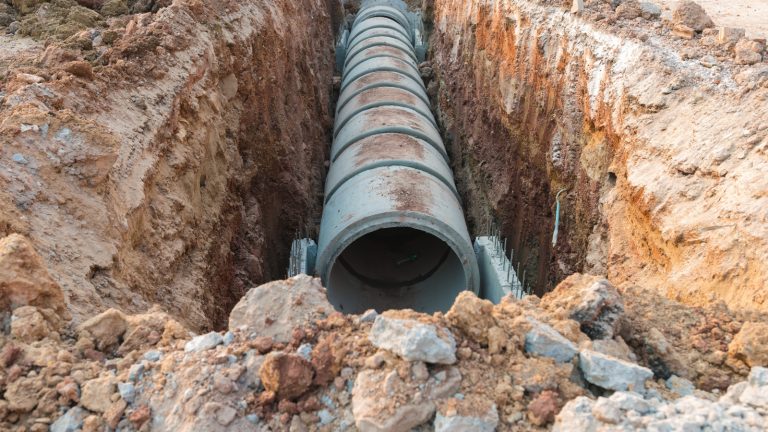
Condition-driven strategies are changing how utilities manage buried assets. Instead of relying on assumptions, they use real-world data to make smarter decisions faster.
Key Takeaways
- Condition-based water main renewal replaces guesswork with real data, improving decision accuracy and reducing unnecessary pipe replacements.
- Advanced tools like sensors, analytics, and digital models help utilities detect risks early and prevent costly failures.
- A risk-based approach ensures limited budgets are spent on the most critical and high-risk pipe segments first.
- Long-term planning with continuous monitoring improves reliability, reduces water loss, and extends infrastructure lifespan.
The Limits of Age-Based Renewal Across Variable Pipe Materials and Soil Types
Relying only on age often leads to poor decisions. Pipes made from different materials behave differently under stress.
For example, asbestos cement pipe, cast iron pipe, ductile iron pipe, and PVC pipe all degrade at different rates depending on the environment. Soil conditions and load factors further complicate this.
As a result, replacing pipes based on age alone often wastes resources and ignores actual condition.
How 12.7 Main Breaks per 100 km Signal the Need for Data-Driven Renewal
Frequent failures show that traditional planning methods are no longer effective.
Each water main break or pipe burst increases repair costs, disrupts communities, and wastes water. These failure rates clearly demonstrate the need for condition-based water main renewal, where decisions are guided by real performance data rather than outdated schedules.
Why Actual Pipe Risk Must Replace Assumed Lifespan in Renewal Decisions
Pipes rarely fail exactly when expected. Instead of guessing lifespan, utilities must evaluate actual risk using factors such as corrosion rate, environmental conditions, and load conditions.
This approach shifts focus from assumptions to evidence. It allows better planning and improved service reliability across networks.
The Financial Case for Proactive Renewal Over Reactive Emergency Repairs
We all know that reactive maintenance is expensive. Emergency repairs often cost multiple times more than planned interventions.
By focusing on condition-based water main renewal, utilities reduce unexpected failures, optimise budgets, and avoid unnecessary capital expenditure. Over time, this approach supports a more sustainable infrastructure lifecycle.
Australia’s Pipe Asset Landscape
Australia’s water networks are vast and ageing. Understanding the asset base is the first step toward smarter renewal.
1960s–70s Networks Built From Asbestos Cement and Cast Iron Nearing Failure
Many pipelines installed decades ago are now reaching critical condition. Materials like asbestos cement and cast iron are particularly vulnerable to cracking and corrosion.
As these assets age, failure rates increase rapidly, making them a high priority for renewal programmes.
How Pipe Material, Soil Type, Pressure, and Climate Influence Deterioration
Pipe deterioration depends on multiple interacting factors. High soil corrosivity, fluctuating temperatures, and heavy traffic loads can accelerate damage.
Additionally, sudden pressure changes, known as a pressure transient, can weaken pipe walls over time. When the experts understand these factors, it helps utilities predict failures more accurately.
Why Reticulation Networks Spanning Thousands of Kilometres Need Smarter Management
Australian distribution systems cover vast distances.
However, managing such large networks manually is inefficient. Utilities must adopt smart water asset management approaches that combine data, automation, and analytics to monitor and maintain infrastructure effectively.
The Role of Asset Registers in Enabling Condition-Based Renewal Programmes
A complete asset register provides the foundation for renewal planning. It stores key information such as installation date, material type, and maintenance history.
This data supports better analysis and enables a structured distribution network renewal strategy.
How to Conduct a Pipe Condition Assessment
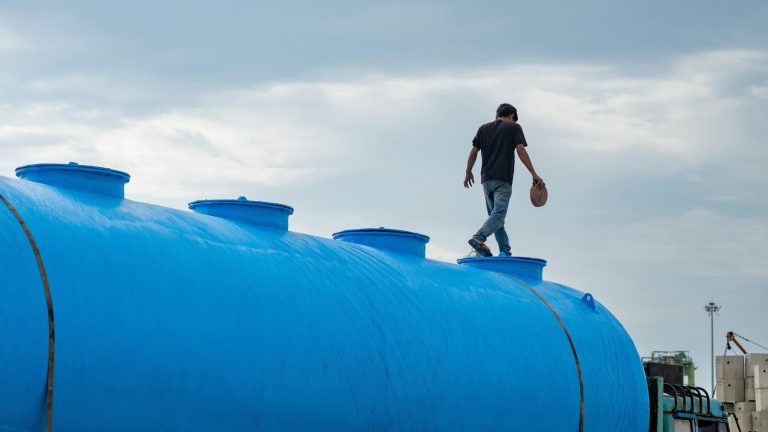
Accurate condition data is the backbone of effective renewal planning. A structured pipe condition assessment Australia approach helps utilities identify risks early.
- Risk Prioritisation to Focus Inspection Resources on High-Risk Pipe Segments
Inspection budgets are limited, so utilities must focus on high-risk areas first. Using pipe risk prioritisation, they can identify segments with the highest likelihood of failure and allocate resources efficiently.
This ensures critical issues are addressed before they escalate.
- Acoustic Surveys and Leak Noise Correlation for Non-Invasive Defect Detection
Modern techniques like acoustic leak detection allow utilities to identify hidden leaks without excavation. By analysing sound patterns, engineers can locate weak points and prevent failures before they occur.
This method is cost-effective and minimally disruptive.
- CCTV and Laser Inspection Confirming Cracks, Corrosion, and Joint Separation
Visual inspections remain essential for understanding internal pipe condition.
Tools like CCTV pipe inspection and laser scanning provide detailed images of cracks, corrosion, and joint defects. These insights help confirm whether pipes need repair or replacement.
- SmartBall and Tethered Inline Tools for Large-Diameter Main Assessment
Technologies like SmartBall inspection and other inline inspection tools are ideal for large pipelines. They travel inside the pipe.
That way, they can detect leaks and structural issues over long distances. These tools provide comprehensive data without requiring full system shutdowns.
- Wall Thickness Measurement to Quantify Remaining Structural Integrity
Measuring wall thickness loss helps determine how much strength a pipe has left.
This data directly supports calculations of the remaining useful life of the water main, enabling utilities to plan renewals before failures occur.
Building a Risk-Based Prioritisation Framework
A structured framework ensures that renewal investments deliver maximum impact.
Combining Pipe Age, Material, Failure History, and Soil Corrosivity Into a Risk Score
Utilities must combine multiple data points to create a reliable risk score.
Factors like age, material, and environmental conditions are analysed together to determine failure likelihood. This approach supports risk-based pipe prioritisation across the network.
Weighting Asset Criticality by Service Zone and Consequence of Failure
Not all pipes are equally important. High-impact areas, such as hospitals and industrial zones, require higher priority.
By evaluating asset criticality, utilities can ensure essential services remain uninterrupted.
Ranking Mains to Direct Limited Capital to the Highest-Risk Segments First
Budget constraints require careful planning.
Ranking assets based on risk ensures that funding is directed where it is needed most. This improves efficiency and reduces unnecessary spending.
Segmenting Networks Into District Metered Areas for Targeted Assessment
Dividing networks into a district metered area allows better monitoring and control. This segmentation improves data accuracy and helps identify localised issues quickly.
Balancing Failure Likelihood Against Consequence to Set Optimal Renewal Timing
Effective planning requires balancing risk and impact. Utilities must consider both the probability of failure and the consequences to determine the best time for intervention.
What Renewal Methods Are Available?
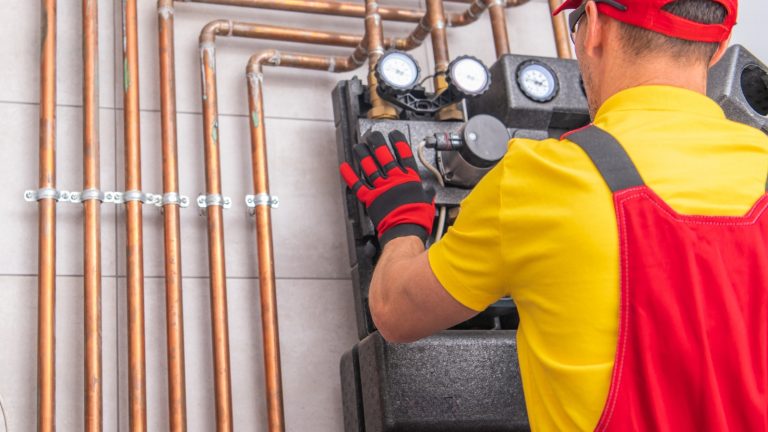
Utilities have multiple options depending on pipe condition, budget, and location.
- Full Pipe Replacement for Segments With Critically Low Remaining Useful Life
When pipes reach the end of their service life, full replacement is necessary. This ensures long-term reliability but requires significant investment and planning.
- Pipe Relining and Rehabilitation to Extend Lifespan Without Full Excavation
Relining offers a cost-effective alternative to replacement. It strengthens existing pipes and extends their lifespan, making it a key part of water main rehabilitation planning.
- Pressure Management to Reduce Stress and Defer Renewal on Borderline Assets
Managing pressure reduces strain on pipes and delays deterioration. This approach supports water main break prevention and extends asset life.
- Trenchless Methods Minimising Surface Disruption in Dense Urban Areas
Trenchless technologies allow pipe repairs without major excavation. This reduces disruption to traffic and communities while lowering overall project costs.
- Phased Renewal Programmes Spreading Capital Across Manageable Funding Cycles
Instead of large one-time investments, phased programmes spread costs over time. This approach improves financial planning and ensures consistent network upgrades.
How Predictive Analytics Strengthens Renewal Planning
Predictive tools help utilities move from reactive fixes to forward planning. These systems use historical and real-time data to forecast failures and optimise investment decisions.
AI and ML Models Calculating Failure Probability for Each Pipe Segment
Modern utilities now use AI pipe failure model systems powered by machine learning pipe techniques. These tools analyse historical data, environmental conditions, and operational stress to calculate pipe failure probability for each segment.
This enables precise targeting of weak assets and strengthens condition-based water main renewal by replacing guesswork with measurable risk insights.
Historical Failure Records Combined With Sensor Data to Find Deterioration Patterns
By combining past failure data with real-time sensor inputs, utilities can uncover hidden deterioration trends.
Patterns such as recurring leaks or pressure changes highlight vulnerable zones.
This approach strengthens predictive analytics capabilities and supports early intervention. Moreover, it helps utilities reduce unexpected disruptions and improve planning accuracy.
Predictive Models Flagging Pipes Likely to Fail Before the Next Inspection Cycle
Advanced models can now identify pipes that are likely to fail before the next scheduled inspection. This proactive approach ensures that high-risk assets are addressed early.
It also reduces reliance on routine inspections alone and improves efficiency in condition-based water main renewal programmes.
Prescriptive Analytics Recommending Optimal Renewal Timing and Method
While prediction identifies risks, prescriptive analytics goes a step further by recommending actions. It suggests the best time and method for renewal based on cost, risk, and performance data.
This ensures that utilities not only act early but also act wisely, improving long-term outcomes.
10-Year Investment Profiles Guiding Long-Term Capital Allocation Across the Network
Long-term planning is essential for sustainable infrastructure.
A 10-year investment profile helps utilities map out future spending, prioritise upgrades, and manage risks. This structured approach ensures that capital expenditure is aligned with network needs and supports continuous improvement.
How Digital Twin Technology Supports Renewal Decisions
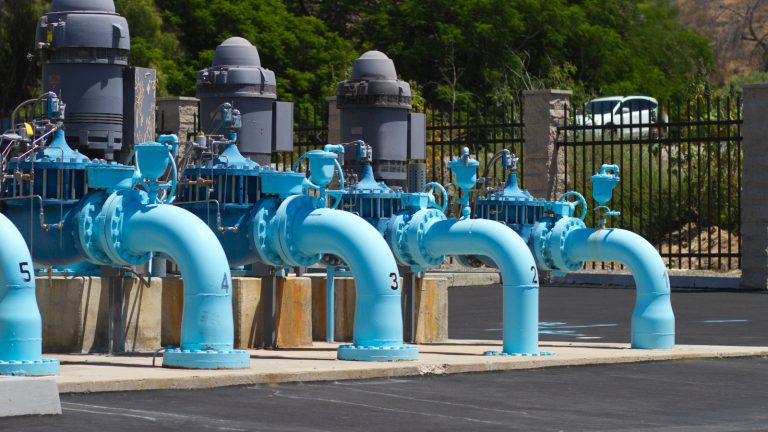
Digital replicas are transforming how utilities understand and manage their networks. They provide a safe environment to test decisions before implementation.
Digital Twin Replicating the Full Distribution Network in a 3D Virtual Model
A digital twin water system creates a detailed virtual replica of the entire network. This model includes pipe conditions, flow behaviour, and environmental factors.
It allows utilities to visualise infrastructure in real time and improves planning accuracy within condition-based water main renewal strategies.
Simulating Hydraulic Behaviour and Failure Scenarios Under Varying Conditions
Using hydraulic modelling, digital twins simulate how water flows under different conditions.
Utilities can test scenarios such as peak demand or system failures. This helps identify weak points and ensures that renewal decisions are based on realistic performance data.
Testing Renewal Options Virtually Before Committing Capital to Physical Works
Digital twins allow utilities to test multiple renewal strategies without physical intervention.
This reduces risk and ensures that investments deliver maximum value.
It also helps compare costs and benefits, leading to better decision-making.
Synchronising Digital Twin Data With Real-Time IIoT Feeds for Live Monitoring
By integrating IIoT pressure sensor data, digital twins provide real-time monitoring of network conditions. This continuous data flow ensures that models remain accurate and up to date, improving responsiveness to emerging issues.
Using Digital Twin Insights to Refine Prioritisation and Validate Investment Plans
Insights from digital twins help refine renewal prioritisation and validate investment strategies. Utilities can confidently allocate resources based on accurate simulations, reducing uncertainty and improving outcomes.
How GIS and Satellite Technology Map Renewal Risk
Spatial technologies provide a powerful way to visualise and manage infrastructure risks across large networks.
GIS Mapping Overlaying Pipe Condition, Soil Type, and Failure Clusters
With GIS pipe mapping, utilities can overlay multiple data layers, including condition, environment, and failure history.
This visual approach makes it easier to identify high-risk areas and supports better planning decisions.
Satellite Imagery Detecting Ground Movement Around Buried Mains
Satellite data can detect subtle ground movement that may indicate pipe stress or failure risk. These insights provide an additional layer of monitoring, especially in remote or hard-to-access areas.
Dynamic GIS Maps Highlighting High-Risk Zones and Urgent Renewal Needs
Dynamic maps update continuously as new data becomes available.
This ensures that utilities always have the latest information when making decisions about condition-based water main renewal.
Coordinating Renewal Works With Road and Utility Upgrade Programmes
GIS tools help align water main upgrades with other infrastructure projects. This reduces duplication, lowers costs, and minimises disruption to communities.
ArcGIS-Based Prioritisation Maps Guiding Field Crew Deployment
Advanced GIS platforms generate prioritisation maps that guide field teams. These maps ensure that crews focus on the most critical areas, improving efficiency and response times.
How IIoT Sensors Enable Continuous Monitoring
Sensors are the backbone of modern water networks. They provide continuous data that improves visibility and decision-making.
- Pressure and Flow Sensors Detecting Pipe Deterioration Anomalies in Real Time
Sensors track pressure and flow changes across the network. Sudden variations can signal leaks or structural issues.
This data enables faster response and supports proactive maintenance strategies.
- Acoustic Sensors Identifying Leak Signatures in Pressurised Mains Continuously
Acoustic monitoring systems listen for leak sounds within pipes. These tools enhance leakage detection capabilities and allow utilities to identify issues before they escalate into major failures.
- Smart Metres Flagging Non-Revenue Water Losses by Network Zone
Smart meters provide detailed usage data and help identify areas with high non-revenue water.
This allows utilities to focus efforts on reducing losses and improving efficiency.
- Automated Alerts When Pressure Transients or Abnormal Flows Are Detected
Automated systems generate alerts when unusual patterns occur.
Detecting a pressure transient early helps prevent damage and reduces the risk of sudden failures.
- Continuous Sensor Data Refining, Renewal Prioritisation Models Over Time
As more data is collected, models become more accurate.
Continuous monitoring improves decision-making and ensures that condition-based water main renewal strategies evolve with changing conditions.
Common Mistakes That Undermine Renewal Programmes
Even well-planned programmes can fail if key mistakes are not addressed. Avoiding these issues is critical for success.
Replacing Pipes by Age Alone Without Confirming Actual Condition
Relying solely on age-based renewal often leads to unnecessary replacements. Pipes may still be in good condition, while others fail earlier than expected. Condition data must guide decisions.
Inadequate Condition Data Leading to Unnecessary Renewal of Healthy Mains
Without accurate data, utilities risk replacing pipes that still have sufficient remaining useful life. This wastes resources and reduces overall efficiency.
Reactive Repair Cycles That Cost Far More Than Planned Intervention
Waiting for failures leads to higher costs and service disruptions. Emergency repairs are expensive and often less effective than planned upgrades.
Failing to Integrate Inspection Data Into a Central Asset Management Platform
Data silos limit visibility. Integrating inspection data into a central system improves coordination and supports better decision-making.
Underestimating Soil Corrosivity and Climate Factors in Renewal Timing
Ignoring environmental factors like soil corrosivity can lead to premature failures. These conditions must be included in planning models.
Building a Long-Term Renewal Programme
A sustainable renewal programme ensures consistent performance, regulatory compliance, and long-term cost control. It turns short-term fixes into a structured, future-ready system.
Establishing a Full Pipe Asset Register as the Baseline for Condition Tracking
A complete asset register is essential for tracking network health. It should include pipe material, installation date, inspection history, and performance data. This foundation supports accurate planning and enables utilities to monitor deterioration over time.
Without a strong baseline, condition-based water main renewal efforts lack direction and consistency.
Defining Renewal Triggers Based on Condition Grade and Criticality Score
Renewal decisions should be guided by clear triggers.
These include condition ratings, failure likelihood, and service importance. By combining these factors, utilities can create a structured approach to intervention.
This ensures that renewal actions are timely and aligned with actual risk levels.
Aligning Renewal Investment With Regulatory and Water Security Obligations
Water utilities must meet strict regulatory standards while ensuring supply reliability. Aligning renewal investments with these requirements ensures compliance and protects communities. It also strengthens long-term planning by linking infrastructure upgrades to broader water security goals.
Embedding Continuous Inspection Cycles So Condition Data Stays Current
Regular inspections ensure that asset data remains accurate. Continuous updates help utilities respond to changing conditions and avoid outdated assumptions. This approach improves decision-making and supports proactive maintenance strategies.
Communicating Renewal Plans Transparently to Regulators and Communities
Clear communication builds trust. Utilities should share renewal plans, timelines, and expected impacts with stakeholders.
Transparency helps manage expectations and demonstrates accountability, especially when large investments are involved.
Why Choose Tigernix for Water Main Renewal?
Choosing the right technology partner is critical for successful implementation. Tigernix provides integrated digital solutions designed specifically for modern water networks.
AI-Powered Pipe Condition Models Replacing Static Age-Based Degradation Schemas
Tigernix uses advanced analytics to replace outdated assumptions with real data. Its models assess pipe health based on multiple variables, enabling accurate forecasting. This approach improves decision-making and supports efficient renewal planning across complex networks.
CCTV and Laser Inspection Delivering Precise Health Data Across Expansive Networks
High-resolution inspection tools provide detailed insights into pipe condition. These technologies identify cracks, corrosion, and structural weaknesses with precision. Accurate data ensures that renewal decisions are based on actual conditions rather than estimates.
Digital Twin Simulating Hydraulic Performance and Renewal Scenarios Network-Wide
Tigernix platforms integrate simulation tools that model network behaviour under various conditions. These simulations help utilities test strategies before implementation, reducing risk and improving outcomes.
GIS and IIoT Integration Providing Full Asset Condition Visibility in Real Time
By combining spatial data and sensor inputs, Tigernix delivers complete network visibility. This integration enables faster decision-making and supports proactive maintenance strategies across large distribution systems.
10-Year Investment Profiling Tools Supporting Evidence-Based Renewal Planning
Tigernix offers planning tools that map long-term investment needs. These tools help utilities allocate budgets effectively, prioritise upgrades, and maintain system reliability over time.
Tigernix-Where Water Excellence Begins
Ready to Move From Reactive Repairs to Condition-Based Renewal?
Transitioning to a proactive model requires the right strategy, tools, and expertise. The shift delivers long-term savings, improved reliability, and better service outcomes.
Schedule a Consultation With Tigernix Water Asset Management Specialists
Engaging experts is the first step toward transformation. Tigernix specialists assess current systems, identify gaps, and recommend tailored solutions that align with operational goals.
Call for a free demo now.
Discover How Smart Condition Assessment Transforms Distribution Network Renewal
Modern assessment techniques provide deeper insights into asset health. These insights enable utilities to act early, reduce failures, and optimise maintenance strategies.
Implement Tigernix’s Digital Tools for Proactive Water Main Renewal Across Australia
With advanced platforms and integrated technologies, Tigernix enables utilities to fully adopt condition-based water main renewal. This shift reduces risks, improves efficiency, and ensures long-term sustainability for Australia’s water infrastructure.
FAQs About Condition-Based Water Main Renewal
Condition-based water main renewal is a strategy where pipes are repaired or replaced based on their actual condition rather than age. Utilities use inspection data, sensors, and analytics to identify deterioration and failure risks. This approach helps reduce unnecessary replacements, lowers costs, and improves network reliability by targeting only the pipes that truly need intervention.
Condition-based water main renewal works by collecting data from inspections, sensors, and historical records to assess pipe health. Utilities analyse this data to identify high-risk segments, prioritise them, and select the best renewal method. This process ensures timely intervention, prevents failures, and improves long-term asset performance.
Condition-based water main renewal is more effective than age-based methods because it focuses on real pipe condition instead of assumptions. Pipes do not deteriorate uniformly, so age alone is unreliable. By using actual data, utilities can avoid replacing healthy pipes and instead focus on high-risk assets, improving efficiency and reducing costs.
Condition-based water main renewal uses technologies such as acoustic sensors, CCTV inspections, inline tools, and predictive analytics. These tools help detect leaks, measure structural integrity, and forecast failures. Advanced systems like digital twins and GIS platforms also support better planning and decision-making.
Condition-based water main renewal helps utilities reduce water loss, prevent unexpected failures, and optimise maintenance budgets. It improves service reliability, extends asset lifespan, and supports data-driven decision-making. Over time, this approach leads to more sustainable and cost-effective water network management.