
Who would have imagined that Australia could lose over 20% of treated water in some regions, contributing to nearly 900,000 ML of water loss annually, largely due to ageing underground infrastructure? This growing challenge is pushing utilities toward smarter solutions like predictive analytics water main breaks, helping shift from reactive repairs to proactive prevention.
Instead of waiting for a water main break to disrupt communities, utilities can now predict failures before they happen. This surely saves water, money, and time.
In this article, we discover how predictive analytics can reduce water main breaks in Australian reticulation systems.
The article covers
- The Scale of Water Main Breaks in Australia
- What Makes Reticulation Systems Prone to Failure?
- What Is Predictive Analytics for Water Mains?
- How Predictive Models Are Built for Reticulation Networks
- How IIoT Sensors Feed Predictive Analytics
- How Prescriptive Analytics Goes Beyond Prediction
- How Digital Twin Simulation Supports Break Reduction
- How GIS Mapping Pinpoints High-Risk Zones
- How CCTV and Laser Inspection Validate Predictions
- How Predictive Analytics Reduces Non-Revenue Water
- What Financial Benefits Does Prediction Deliver?
- Common Mistakes Without Predictive Analytics
- FAQs on Predictive Analytics Water Main Breaks
The Scale of Water Main Breaks in Australia
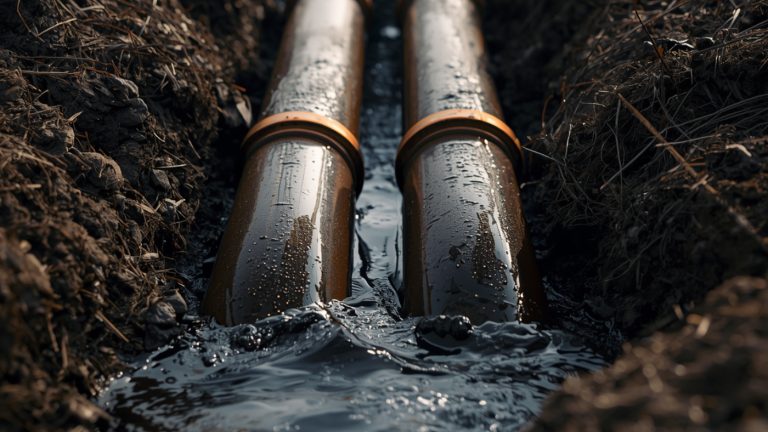
Australia’s water utilities face increasing pressure from ageing assets and environmental stress. The scale of failures highlights why water main break prevention Australia is no longer optional but essential.
Key Takeaways
- Predictive analytics water main breaks enables utilities to move from reactive repairs to proactive maintenance, reducing unexpected failures and service disruptions.
- Ageing infrastructure, environmental factors, and pressure fluctuations are the main causes of pipe failures in Australian reticulation systems.
- Combining historical data with real-time inputs from IIoT sensors improves accuracy in predicting pipe failure and leak risks.
- Technologies like GIS mapping, digital twins, and inspection tools help validate predictions and prioritise high-risk areas effectively.
Main Breaks Per 100 Km Annually
Across Australia, utilities report an average of 12.7 breaks per 100 km each year. This number may sound small, but when scaled across thousands of kilometres, it becomes a serious operational burden.
Each pipe burst leads to service disruptions, road damage, and emergency repairs.
Over time, these frequent failures weaken trust in infrastructure systems.
As a result, utilities are turning toward predictive analytics water main breaks to better anticipate where failures are most likely to occur and intervene early.
900,000ML Non-Revenue Water Lost Nationally
Water loss at this scale is alarming.
The country struggles with nearly 900,000 ML of water loss annually, much of it classified as non-revenue water. This includes leaks, bursts, and unaccounted consumption.
Such losses not only waste resources but also increase treatment and pumping costs. By applying predictive analytics, utilities can identify hidden leaks earlier, reduce wastage, and support non-revenue water reduction Australia goals in a measurable way.
Why Reactive Repairs Are Not Sustainable
Reactive maintenance means fixing problems only after they happen. While this approach may seem simple, it leads to higher long-term costs. Emergency excavation, traffic disruption, and repeated repairs strain budgets.
Worse, it ignores underlying causes such as corrosion rate or wall-thickness loss.
Utilities relying on reactive methods often miss early warning signs hidden in data. That is why many are moving toward water main asset management Australia strategies that prioritise prediction over reaction.
The Case for Predictive Intervention
Predictive intervention changes the entire approach. Instead of waiting for failure, utilities assess pipe failure probability and act beforehand.
This approach improves planning and reduces unexpected breakdowns. By combining data from sensors, historical records, and environmental conditions, predictive systems create a clearer picture of network health.
As a result, predictive analytics for water main breaks has become a key tool in modern infrastructure management, helping utilities maintain reliability while reducing costs.
What Makes Reticulation Systems Prone to Failure?
Reticulation systems fail due to a mix of age, environment, and operational stress. Understanding these factors is key to improving reticulation pipe failure prediction.
Ageing 1960s–70s Pipe Infrastructure
Many Australian networks still rely on 1960s pipe networks built using materials like cast iron pipe and asbestos cement pipe.
These materials degrade over time, becoming brittle and prone to cracks. As infrastructure ages, its remaining useful life decreases rapidly.
Without proper monitoring, utilities cannot accurately predict when failure will occur.
This ageing infrastructure is one of the strongest drivers behind adopting predictive analytics water main breaks solutions.
Soil Corrosivity and Ground Movement
Environmental conditions play a major role in pipe deterioration. High soil corrosivity accelerates metal decay, while ground movement creates stress on joints and connections.
Over time, this leads to structural weakness. Traditional inspection methods often fail to capture these hidden risks.
However, modern systems combine soil data with network performance, improving pipe condition assessment and helping utilities make smarter maintenance decisions.
Pressure Transients Causing Pipe Stress
Sudden changes in water pressure, known as pressure transients, create intense stress within pipes. These fluctuations may occur due to valve operations or pump failures. Repeated stress cycles weaken pipes, increasing the risk of rupture.
Advanced systems now use pressure transient monitoring and pipe stress analysis to detect these patterns early. This allows utilities to prevent failures before they escalate into major incidents.
Climate-Driven Deterioration Accelerating Failure
Climate change is adding another layer of complexity.
Extreme heat, drought, and heavy rainfall impact soil conditions and pipe materials. These factors accelerate deterioration, especially in older systems.
Utilities must now consider climate variables in their planning. By integrating environmental data, predictive tools improve reticulation network resilience and support long-term sustainability.
What Is Predictive Analytics for Water Mains?
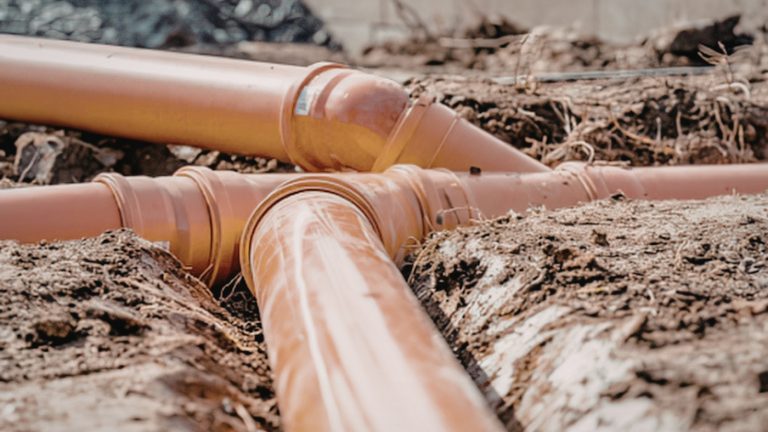
Predictive analytics uses data, algorithms, and AI to forecast failures in water infrastructure. It is the foundation of AI pipe burst prediction Australia strategies.
Using Historical and Real-Time Data Together
Predictive systems combine past records with live data streams. Historical break data reveals patterns, while real-time flow monitoring captures current behaviour.
Together, they create a complete picture of system health. This combination enables utilities to detect early warning signs that would otherwise go unnoticed.
It also strengthens anomaly detection, making predictions more accurate and reliable over time.
Statistical Models Forecasting Pipe Failure
At the core of predictive systems are advanced statistical models. These models analyse multiple variables, such as age, material, and usage, to estimate failure risk.
Known as a machine learning pipe failure model, these systems continuously improve as more data becomes available.
This allows utilities to refine predictions and reduce uncertainty in decision-making.
How AI Processes Pressure and Flow Data
Artificial intelligence plays a crucial role in analysing large datasets. By processing inputs from IIoT pressure sensor devices and flow meters, AI identifies subtle changes that indicate potential issues.
This includes detecting unusual pressure drops or flow inconsistencies. Over time, this capability enhances AI pipe burst prediction, helping utilities act before a failure occurs.
Near-100% Accuracy in Leak Probability Detection
Modern predictive tools can achieve near-perfect accuracy in identifying leak risks. By combining multiple data sources, they calculate precise probabilities for each pipe segment. This level of accuracy supports better planning and reduces guesswork.
As a result, utilities can prioritise high-risk areas and improve overall system performance through pipe leakage detection.
How Predictive Models Are Built for Reticulation Networks
Predictive models are built by combining asset data, environmental factors, and advanced algorithms. This approach enables accurate reticulation pipe failure prediction and supports long-term infrastructure planning.
Feeding Pipe Age, Material, and Break History
The foundation of any predictive model starts with core asset data. Utilities input details such as pipe age, material type, diameter, and past failure records.
This information helps identify patterns linked to deterioration. For example, older materials tend to fail more frequently under stress. By analysing historical break trends, models can estimate future risks more precisely.
This data-driven method strengthens predictive analytics water main breaks by ensuring predictions are based on real-world evidence rather than assumptions.
Including Soil, Climate, and Pressure Variables
Beyond asset data, predictive models incorporate environmental and operational variables.
Soil conditions, temperature changes, and pressure fluctuations all influence pipe health. For instance, high moisture levels may increase corrosion, while fluctuating pressure can weaken joints. By integrating these factors, models gain a deeper understanding of external risks.
This holistic view improves forecasting accuracy and supports better planning. It also enhances hydraulic modelling. It certainly allows utilities to simulate how conditions affect system performance over time.
Machine Learning Identifying Failure Patterns
Machine learning plays a key role in uncovering hidden relationships within data. Algorithms analyse large datasets to detect patterns that humans may overlook. These patterns reveal how different variables interact to cause failures.
Over time, the system learns and improves its predictions. This adaptive capability makes predictive models more reliable and efficient.
It also strengthens machine learning pipe capabilities, enabling smarter and faster decision-making across the network.
Generating Ranked Failure Probability Scores
Once data is processed, predictive models assign a risk score to each pipe segment. These scores rank assets based on their likelihood of failure.
Utilities can then focus on the highest-risk areas first, improving efficiency. This method supports asset criticality analysis by highlighting which pipes are most important to system performance.
As a result, decision-makers can allocate resources more effectively and reduce unexpected breakdowns.
How IIoT Sensors Feed Predictive Analytics
IIoT sensors provide real-time data that powers predictive systems. This continuous flow of information strengthens IIoT water main monitoring and improves decision accuracy.
Pressure Sensors Detecting Stress Anomalies
Pressure sensors are essential for monitoring internal pipe conditions. These devices track fluctuations that may indicate stress or weakness.
Sudden spikes or drops in pressure can signal potential issues. By capturing this data in real time, utilities can detect problems early. This improves anomaly detection and allows teams to take preventive action before damage occurs.
Over time, these insights enhance overall network reliability.
Flow Sensors Flagging Abnormal Loss Patterns
Flow sensors measure the movement of water through the network. When flow patterns deviate from normal levels, it may indicate leaks or blockages. These sensors help identify hidden losses that are not visible on the surface.
By analysing flow data, utilities can pinpoint areas where water is being lost. This supports water loss reduction efforts and ensures resources are used efficiently.
Acoustic Sensors Locating Active Pipe Leaks
Acoustic technology is widely used for detecting leaks. These sensors listen for sound patterns created by escaping water. Using acoustic leak detection, utilities can locate leaks with high precision, even underground.
This method reduces the need for extensive excavation and speeds up repair processes. It also improves accuracy when combined with predictive models.
Continuous Data Streams Refining Predictive Models
The value of IIoT lies in its ability to provide continuous data. This constant stream allows predictive models to update and improve in real time.
As new data is collected, models adjust their predictions, becoming more accurate over time. This dynamic process ensures that utilities always have the latest insights.
It also strengthens predictive analytics water main breaks by keeping predictions relevant and up to date.
How Prescriptive Analytics Goes Beyond Prediction

While prediction identifies risks, action is what prevents failures. Prescriptive analytics builds on insights to guide decisions, forming the backbone of prescriptive maintenance reticulation systems.
Recommending Optimal Maintenance Timing
Prescriptive systems analyse risk levels and suggest the best time for maintenance. Instead of following fixed schedules, utilities can act based on actual conditions.
This reduces unnecessary work while ensuring critical issues are addressed promptly.
By aligning maintenance with risk levels, utilities can extend asset life and improve efficiency. This approach is a natural extension of prescriptive analytics, turning insights into actionable plans.
Directing Crews to Highest-Risk Pipe Segments
Resource allocation becomes more efficient with prescriptive insights. Systems identify which pipe segments require immediate attention and guide crews accordingly. This targeted approach reduces travel time and improves productivity.
It also ensures that high-risk areas are addressed first, minimising the chances of failure.
Over time, this improves overall network performance and reliability.
Prescribing Repair vs Renewal Decisions
One of the biggest challenges utilities face is deciding whether to repair or replace assets. Prescriptive analytics provides clear recommendations based on data. By analysing remaining useful life and failure probability, systems suggest the most cost-effective option.
This reduces guesswork and supports better long-term planning. It also ensures that investments are directed where they will have the greatest impact.
Reducing Emergency Callouts and Unplanned Costs
Emergency repairs are costly and disruptive. By acting on prescriptive insights, utilities can prevent many of these incidents.
This reduces the need for urgent interventions and lowers operational costs. It also improves service reliability for customers. In the long run, fewer emergencies mean better financial stability and more predictable budgets.
How Digital Twin Simulation Supports Break Reduction
Digital twins create virtual models of physical systems, enabling advanced analysis and planning. This technology is central to modern digital twin water strategies.
Replicating Reticulation Networks Virtually
A digital twin replicates the entire water network in a virtual environment. This includes pipes, valves, and operational conditions. By creating a digital version of the system, utilities can analyse performance without affecting real-world operations.
This approach provides valuable insights into system behaviour and potential risks.
Simulating Pressure and Failure Scenarios
Simulation is one of the key strengths of digital twins.
Utilities can test different scenarios, such as pressure changes or equipment failures.
This helps identify weaknesses before they cause real problems. By understanding how the system reacts under stress, utilities can develop more effective strategies for prevention.
Testing Interventions Before Field Deployment
Before implementing changes in the field, utilities can test them in the digital twin. This reduces risk and ensures that solutions are effective.
Whether adjusting pressure settings or replacing components, simulations provide a safe environment for experimentation. This approach improves decision-making and reduces costly mistakes.
Live Sync With Real-Time Sensor Data
Modern digital twins are connected to real-time data sources. This allows them to update continuously, reflecting current conditions.
Since it is possible to sync with IIoT sensors, digital twins provide accurate and up-to-date insights. This integration enhances predictive capabilities and supports proactive maintenance strategies.
How GIS Mapping Pinpoints High-Risk Zones
GIS tools give utilities a visual way to understand network risk. By combining spatial data with asset insights, teams can quickly identify problem areas and improve response planning.
Overlaying Pipe Condition and Break History
GIS platforms allow utilities to layer multiple datasets on a single map.
This includes asset condition, age, and past break records. By visualising these together, patterns become easier to spot. For example, clusters of repeated failures may indicate deeper structural issues.
This spatial approach strengthens GIS pipe mapping and helps utilities move beyond isolated analysis.
It also improves planning by showing where interventions will have the greatest impact across the network.
Mapping Soil Corrosivity Across the Network
Soil conditions vary significantly across regions, and GIS makes it easier to track these variations. By mapping soil corrosivity, utilities can identify zones where pipes are more likely to degrade.
This information is especially valuable for long-term planning and maintenance scheduling. It allows teams to prioritise areas with higher environmental risk.
Over time, this targeted approach reduces unexpected failures and supports smarter infrastructure management.
Visualising Failure Clusters by District Zone
Breaking down the network into zones provides clearer insights into performance. Using district metered area mapping, utilities can monitor specific sections independently.
This makes it easier to detect abnormal behaviour and isolate issues quickly. Visualising failure clusters within these zones helps teams understand where problems are concentrated.
As a result, utilities can focus resources more effectively and reduce overall system risk.
Guiding Field Crew to Priority Locations
One of the biggest advantages of GIS is improved field coordination. Maps highlight high-risk areas, allowing crews to respond faster and more efficiently.
Instead of searching for issues, teams are guided directly to priority locations. This reduces downtime and improves repair accuracy. It also supports better communication between control centres and field staff, ensuring that everyone works with the same information.
How CCTV and Laser Inspection Validate Predictions
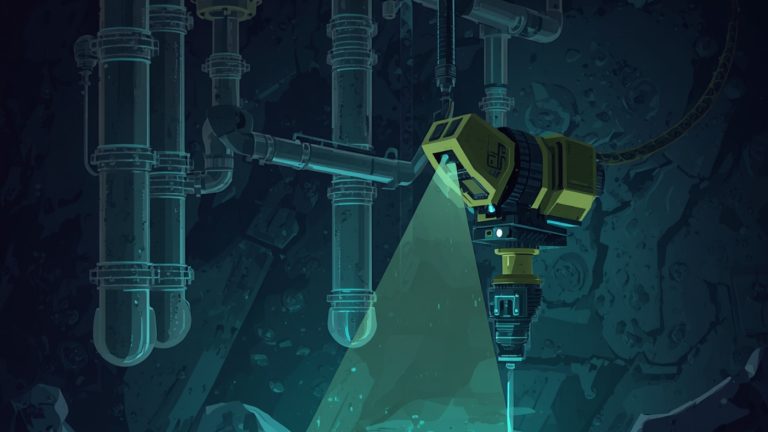
Inspection technologies play a critical role in confirming predictive insights. By combining visual and measurement tools, utilities can verify risks and improve decision-making.
Visual Footage of Cracks and Corrosion
CCTV systems provide real-time video of pipe interiors. This allows engineers to visually inspect conditions without excavation.
Cracks, corrosion, and blockages can be identified quickly and accurately.
Using CCTV pipe inspection, utilities gain direct evidence of asset condition. This helps confirm whether predictive models are correctly identifying high-risk areas. It also supports better planning for repairs and replacements.
Laser Readings of Pipe Structural Parameters
Laser technology adds another layer of precision. By conducting laser pipe inspection, utilities can measure pipe dimensions and detect structural changes.
This includes identifying deformation or internal wear. These measurements provide detailed data that complements visual inspections.
Together, they offer a more complete understanding of pipe health, improving confidence in maintenance decisions.
Remote Inspection Saving Time and Cost
Remote inspection methods reduce the need for manual entry and excavation. This saves both time and money while improving safety for workers. Utilities can inspect large sections of the network quickly, covering more ground with fewer resources.
This efficiency makes it easier to maintain regular inspection schedules and stay ahead of potential issues.
Combining Inspection Data With Predictive Models
The real value comes from integrating inspection results with predictive systems. Data from CCTV and laser tools is fed back into models, improving their accuracy.
This continuous feedback loop ensures that predictions remain reliable over time. It also helps refine risk assessments, leading to better prioritisation of maintenance activities.
How Predictive Analytics Reduces Non-Revenue Water
Reducing water loss is a major priority for utilities. Predictive systems play a key role in achieving non-revenue water reduction Australia by identifying issues early and improving response strategies.
Detecting Leaks Before They Become Bursts
Early detection is critical for preventing major failures. Predictive tools analyse data to identify small leaks before they escalate.
This proactive approach reduces the likelihood of large-scale disruptions. By focusing on prevention, utilities can maintain service continuity and avoid costly repairs.
It also supports efficient resource use across the network.
Targeting the Highest-Loss Pipe Segments First
Not all parts of the network contribute equally to water loss.
Predictive systems identify segments with the highest leakage rates, allowing utilities to focus efforts where they matter most. This targeted strategy improves efficiency and delivers faster results. It also ensures that limited resources are used effectively, maximising impact.
Reducing Emergency Repair Response Time
When issues are detected early, response times improve significantly. Crews can be dispatched before a situation becomes critical.
This reduces downtime and minimises disruption for customers. Faster response also means lower repair costs and less damage to surrounding infrastructure.
Driving NRW Below 10% Over Time
With consistent use of predictive tools, utilities can achieve significant reductions in water loss. Over time, this can bring NRW levels below 10%, aligning with global best practices. This improvement not only saves water but also reduces operational costs and supports sustainability goals.
What Financial Benefits Does Prediction Deliver?
Predictive strategies provide strong financial returns by reducing costs and improving efficiency. They are a key part of modern asset management approaches.
1. Lower Emergency Repair and Excavation Costs
Emergency repairs are expensive due to urgency and complexity. Predictive systems reduce the frequency of these events by addressing issues early. This lowers overall repair costs and minimises the need for disruptive excavation.
Over time, these savings add up significantly, improving financial performance.
2. Optimised Capital Investment via 10-Year Profiling
Long-term planning is essential for sustainable infrastructure management. Predictive tools support the creation of a 10-year investment profile, helping utilities plan upgrades and replacements strategically.
This ensures that funds are allocated based on actual risk rather than guesswork. It also improves transparency and accountability in decision-making.
3. Reduced Water Production Waste and Energy Use
Water loss leads to wasted energy and treatment costs. By reducing leaks and bursts, predictive systems lower the amount of water that needs to be produced and pumped.
This results in energy savings and a smaller environmental footprint.
It also supports broader sustainability goals for utilities.
4. Stronger Regulatory and Compliance Reporting
Regulatory bodies require accurate reporting on performance and risk management. Predictive systems provide detailed data that supports compliance efforts. This includes tracking improvements in efficiency and reliability.
Stronger reporting builds trust with regulators and stakeholders, ensuring continued support for infrastructure projects.
Common Mistakes Without Predictive Analytics
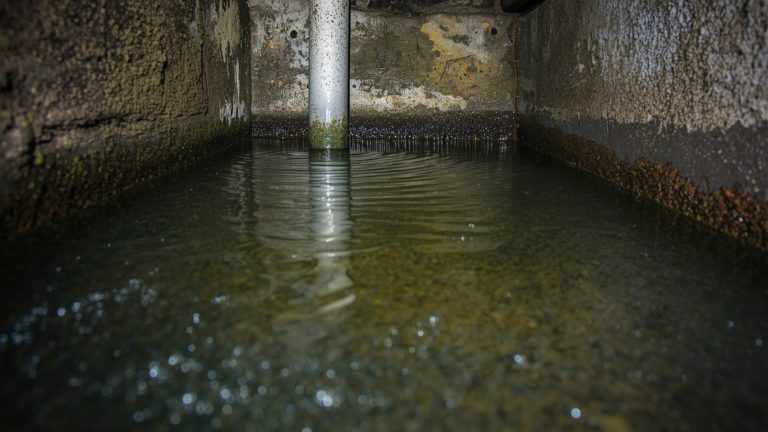
Many utilities still rely on outdated methods, which often lead to repeated failures and rising costs. Understanding these mistakes highlights the value of predictive analytics water main breaks in modern operations.
- Repairing Repeatedly Without Addressing Root Cause
A common issue is fixing the same pipe section multiple times without identifying why it keeps failing.
This short-term approach wastes resources and does not improve system reliability.
Problems such as internal corrosion or pressure imbalances remain hidden. Over time, repeated repairs weaken the surrounding infrastructure. Without deeper analysis, utilities risk entering a costly cycle of breakdown and repair, instead of solving the real issue at its source.
- Missing Early Deterioration Signals in Data
Water networks generate large amounts of data, but without proper tools, early warning signs are often missed. Subtle changes in pressure, flow, or condition may indicate future failure.
However, traditional systems cannot process this information effectively. This leads to delayed responses and unexpected breakdowns.
With advanced tools, utilities can capture these signals and act early, preventing major disruptions before they occur.
- Deploying Crews Reactively Rather Than Proactively
Reactive deployment means crews are sent only after a failure is reported. This approach increases response time and limits efficiency. It also leads to higher operational costs due to emergency work.
In contrast, proactive planning ensures crews are assigned based on risk levels. This improves productivity and reduces downtime. Moving away from reactive practices is essential for building a more resilient network.
- Underestimating Climate and Soil Risk Factors
Environmental conditions are often overlooked in traditional maintenance planning. Factors such as soil composition and weather patterns play a significant role in pipe deterioration. Ignoring these elements can lead to inaccurate risk assessments.
By incorporating environmental data, utilities can better understand how external conditions affect infrastructure. This results in more effective planning and fewer unexpected failures.
Why Choose Tigernix for Reticulation Predictive Analytics?
Choosing the right technology partner is critical for success. Tigernix offers a portfolio of advanced solutions designed to support predictive analytics water main breaks and improve overall network performance.
AI Models Predicting Burst and Leakage Events
Tigernix uses advanced AI models to forecast both bursts and leaks with high accuracy. These systems analyse multiple data points, including pressure, flow, and historical trends. By identifying patterns early, they help utilities take preventive action.
This capability reduces the likelihood of sudden failures and improves service reliability across the network.
IIoT Sensor Networks Across Full Reticulation Networks
A strong sensor network is essential for accurate predictions. Tigernix deploys comprehensive IIoT solutions that monitor the entire system.
These sensors collect real-time data, ensuring that predictive models always have up-to-date information. This continuous monitoring improves decision-making and helps utilities respond quickly to emerging issues.
Digital Twin for Failure Scenario Simulation
Tigernix integrates digital twin technology to simulate real-world conditions. Utilities can test different scenarios and evaluate potential outcomes before making decisions. This reduces risk and improves planning accuracy.
By understanding how the system behaves under various conditions, utilities can develop more effective maintenance strategies.
GIS Mapping Reticulation Risk Network-Wide
Advanced GIS tools provide a clear visual representation of network risk. Tigernix solutions map assets, environmental factors, and performance data across the system.
This helps utilities identify high-risk zones and prioritise interventions. Improved visibility leads to better coordination and faster response times.
10-Year Investment Profiling for Renewal Planning
Long-term planning is simplified through detailed investment profiling. Tigernix provides insights that support strategic decision-making for over a decade. This ensures that resources are allocated efficiently and that infrastructure upgrades are planned proactively.
It also helps utilities maintain financial stability while improving system performance.
Tigernix-Predict All Breaks And Save Water
Ready to Reduce Water Main Breaks Proactively?
Proactive strategies are the future of water management. When you adopt advanced tools, your utilities can prevent failures and improve efficiency.
Consult Tigernix Reticulation System Specialists
The first step is to seek expert guidance. Tigernix specialists work closely with utilities to understand their unique challenges. They assess current systems and recommend tailored solutions.
This collaborative approach ensures that each implementation delivers maximum value and aligns with operational goals.
Call for a free demo.
Discover Predictive Analytics for Your Network
Every network is different, and predictive solutions must be customised accordingly. Tigernix offers flexible tools that adapt to specific requirements. By exploring these solutions, utilities can identify opportunities for improvement and develop a clear roadmap for implementation.
This step is essential for achieving long-term success.
Implement Data-Driven Break Prevention Today
Taking action is key to realising the benefits of predictive systems. By implementing data-driven strategies, utilities can reduce failures, save costs, and improve service reliability. The transition may require investment, but the long-term gains far outweigh the initial effort.
With the right approach, proactive break prevention becomes a sustainable reality.
FAQs on Predictive Analytics Water Main Breaks
Predictive analytics water main breaks is a data-driven approach that uses historical records, real-time sensor data, and algorithms to forecast where and when a water pipe is likely to fail. It helps utilities identify high-risk pipe segments early, allowing proactive maintenance and reducing unexpected bursts, repair costs, and service disruptions.
Predictive analytics for water main breaks prevents failures by analysing patterns such as pipe age, pressure changes, and environmental conditions. It calculates failure probabilities and alerts utilities before a break occurs. This enables timely repairs or replacements, reducing emergency incidents and improving overall network reliability.
Predictive analytics is important because it shifts utilities from reactive to proactive maintenance. It reduces water loss, lowers repair costs, and improves service continuity. By identifying risks early, utilities can prioritise investments and extend the lifespan of ageing infrastructure.
Predictive analytics uses multiple data sources, including pipe material, age, break history, soil conditions, pressure data, and flow rates. It may also include sensor inputs like acoustic and pressure monitoring. Combining these datasets improves accuracy in predicting failures and planning maintenance.
Yes, predictive analytics water main breaks plays a key role in reducing non-revenue water. By detecting leaks early and prioritising high-loss areas, it helps utilities minimise water wastage. Over time, this leads to improved efficiency, lower operational costs, and better resource management.