

Water is life-giving, but the truth is that not all water is safe. Wastewater is usually dirty water, generated by homes, industry, and agriculture, that contains a stew of chemicals, pathogens, and other contaminants. However, according to the reports, approximately 46% of the world’s aquatic environments are severely contaminated by waste.
How can we purify wastewater then? This is critical for safeguarding public health, the environment, and our future water supply. From sedimentation to advanced wastewater treatment, there are ways to remove pollutants and their composition of contaminants. But which strategies work best?
This article goes deep into everything from wastewater treatment types to stages of wastewater purification methods, stages of wastewater treatment, and provides an end-to-end roadmap for keeping our most precious resource clean, safe, and sustainable for communities and industries.
What Is Wastewater and Why Does It Need to Be Purified?
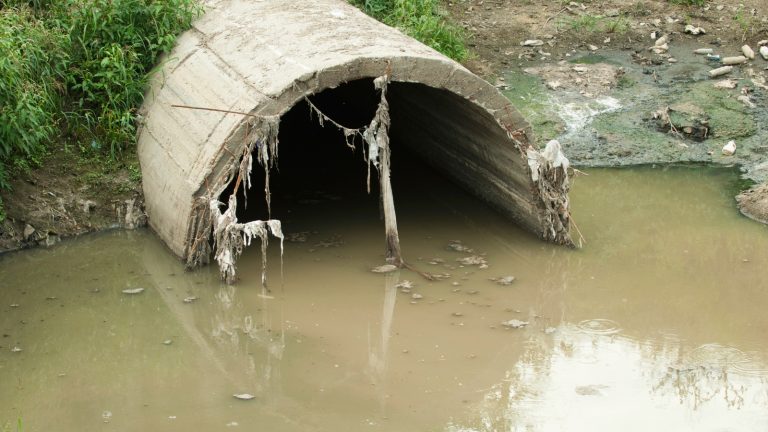
Wastewater refers to any water that has been used in homes, industries, or agriculture and now includes pollutants, such as organic matter, chemicals, and microbes. Seeking answers to the most asked question,‘ how can we purify wastewater’, it is first important to understand what makes it dangerous.
Raw sewage can seep into rivers, lakes, and groundwater, creating severe health risks for people and ecosystems. Wastewater treatment is the process that removes solids, bacteria, and toxic substances from these water sources before they are released to the environment or can be returned for use.
By treating sewage from the city and industrial effluents, filtration provides safe drinking and irrigation water and supports industry.
In today’s societies, natural dilution is not enough: Untreated reclaimed water has been the cause of ecological destruction and epidemics, as well as water scarcity in the long term. As the municipal councils and governments employ systematic wastewater purification methods, it is possible to clean dirty water systematically to become clean once again using a wastewater cleaner.
Key Takeaways
- Wastewater purification is key to safeguarding human health and protecting the environment and water resources.
- Multi-stage wastewater purification eliminates solids, pollutants and injurious pathogens with great efficiency.
- New technologies allow the purification to be used more effectively and for water to be reused.
- Appropriate purification may even facilitate sustainability, regulatory adherence, and waste as a resource.
Stages of Wastewater Purification Explained
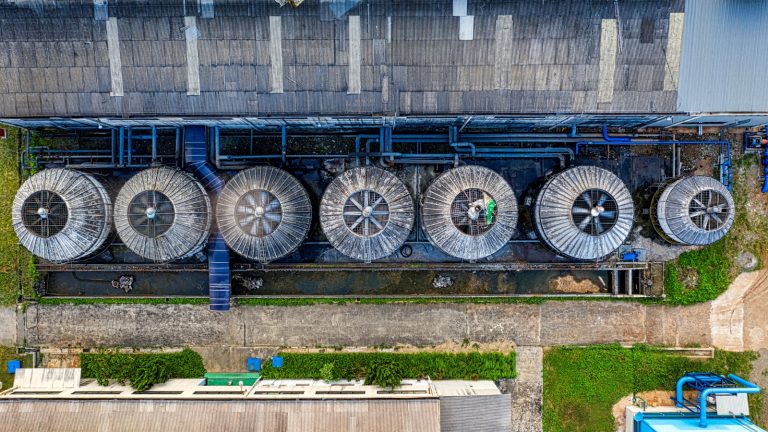
Contemporary wastewater treatment works use a mix of physical, biological, and chemical unit processes to remove solids, organic matter, pathogens, and nutrients in stages. These are the stages on which successful purification, water reclaimed for reuse, disposal, or agricultural and industrial use is based.
Preliminary and Primary Treatment
One of the first steps in wastewater purification methods is to remove large solids and grit that can break equipment or interfere with other aspects down the line.
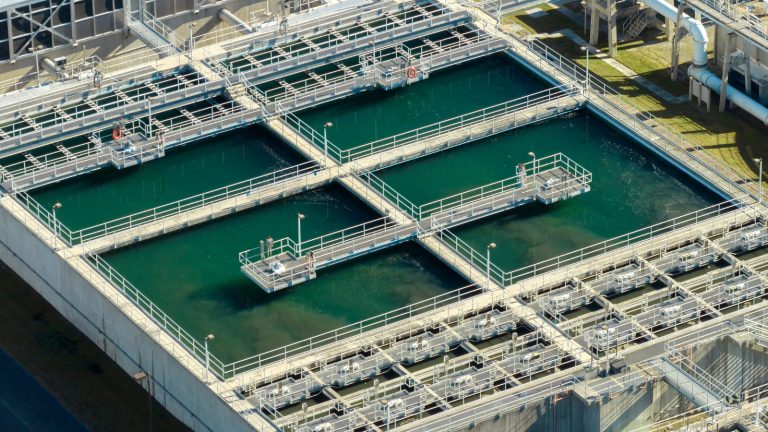
In the initial Preliminary treatment, debris such as plastics, leaves, and rags is extracted from wastewater; further primary treatment involves sedimentation tanks (or clarifiers) in which heavier particles settle out. This serves to remove further load on the later biological and chemical processes.
It makes the system more efficient because energy consumption and operating costs are lowered by removing larger solids at an earlier stage. It is the foundation of any modern wastewater treatment strategy.
Secondary (Biological) Treatment
Today, biological treatment of wastewater is the backbone of purification. In this context, the process occurs by using microorganisms to decompose organic material.
Popular methods include activated sludge systems and biofilm reactors, in which bacteria break down contaminants effectively. This step focuses on dissolved organics, nitrogen, and phosphorus, effectively cleaning up the water.
What is more, solid secondary treatment is the process of returning that remaining water as much cleaner, safer water to be reused for further polishing. It is environmentally friendly as it turns impurities of wastewater into an almost natural state and ensures compliance with environmental standards.
Tertiary and Advanced Treatment
Tertiary treatment is a high and final level of treatment that refines promising wastewater to such a degree that it can be safely discharged into receiving waters without concern for contamination. This contains residual nutrients, suspended solids, or toxic substances at levels harmful to humans.
In this stage, you can utilise technologies such as filtration, chemical precipitation, and membrane bioreactors (MBR). This step guarantees that the water is suitable for more delicate uses such as irrigation, industrial re-use, or even indirect potable use.
Advanced purification also addresses micropollutants, such as pharmaceuticals and heavy metals, the eighth link in the wastewater treatment chain. Through a variety of physical and chemical mechanisms, tertiary treatment ensures higher-quality water and contributes to the goals of water reuse and sustainability.
Disinfection and Pathogen Removal
The last step, disinfection of wastewater after physical and biological cleaning, destroys harmful microorganisms that can make consumers sick. Some of the standard disinfection methods are chlorination, UV disinfection of water, and ozone.
Disinfection is conducted to make sure that the treated water meets health standards and can be safely returned to the environment or reused. Pathogens can linger even after an aggressive treatment, so this stage is crucial.
It manages to safeguard society from water-borne disease and further advance already existing wastewater purification methods. This way, both humans and the environment remain secure.
Sludge Treatment and Resource Recovery
Sludge formed after the wastewater treatment must be managed in a responsible manner to ensure that it does not cause any harm to the environment.
Wastewater sludge treatment occurs through processes of thickening, digestion, and dewatering. There are so many methods that have been developed to handle sludge after the treatment, which could be used to produce biogas, fertiliser, or even as commodities for the circular economy in wastewater.
Further, wastewater systems that are capable of capturing energy and nutrients not only do not waste these resources but also produce valuable products. This final stage integrates sustainability into purification, making water management more efficient and environmentally responsible, while closing the loop in modern wastewater purification methods.
Common Wastewater Purification Methods
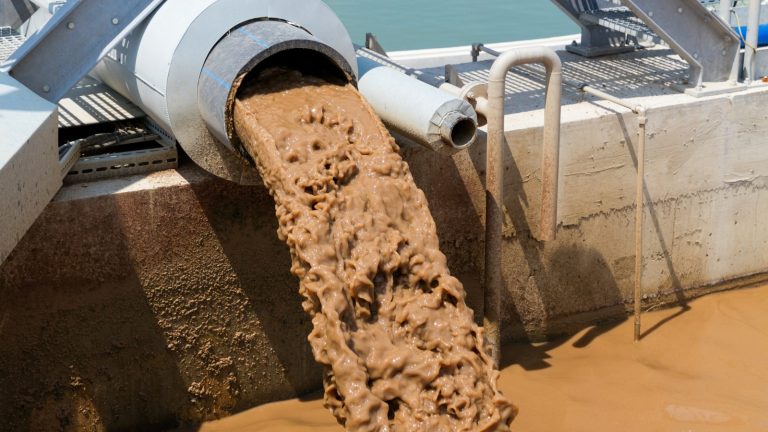
Contamination in modern wastewater treatment usually requires a variety of techniques. To know how we can purify wastewater, it is necessary to take a look at these three purification methods, which are physical, chemical, and biological purification processes. Each process focuses on specific pollutants, and together they ensure it is safe to release or reuse the water.
Physical Purification
In physical purification, it isolates and separates large solids and waste, solid particles suspended in wastewater. Scrubs, settling, and filtering physically remove pollutants from water to get it ready for further treatment.
This is a necessary action to minimise the luminal pressure of biological and chemical systems while enhancing operating efficiency in the wastewater treatment process.
Chemical Purification
Chemical processes are those where reagents are added to the wastewater for dissolved material removal, harmful substances neutralisation, and water disinfection. In this context, some of the typical techniques are coagulation, flocculation, and chlorination.
These are key methods to take care of pollutants that can not be removed through physical filtration only, which is why wastewater purification methods have become safer.
Biological Purification
Biological purification employs microorganisms to consume organic waste in wastewater. The latter dismantles contaminants the way that only nature can.
These methods include the activated sludge process, biofilm reactors , and constructed wetlands. This environmentally friendly technique has become the core of biological treatment of wastewater, and it guarantees a water quality that complies with regulations for reuse in industry or for discharge.
Advanced Technologies Transforming Wastewater Purification
- Membrane Bioreactors (MBR)
- Reverse Osmosis Wastewater Treatment
- Smart Water Management
Benefits of Effective Wastewater Purification
Environmental protection, water reuse, sustainability, public health safety, and economic advantages are the key benefits of effective wastewater purification.
Environmental Protection
Effective wastewater treatment stops contaminants from flowing into rivers, lakes, and the ocean to help protect ecosystems and biodiversity. This is where purification eliminates environmental degradation and creates a healthier aquatic ecosystem.
Not to mention that this encourages responsible management of natural resources and the future well-being of our planet.
Water Reuse and Sustainability
We can use treated wastewater safely for irrigation, industrial uses, and non-potable requirements.
Advanced wastewater purification methods pave the way for water reuse and sustainability by recycling water, which may otherwise contribute to a shortage in fresh water availability, particularly in water-deficient areas.
Public Health and Safety
Effective disinfection of wastewater removes disease-causing pathogens, safeguarding our communities from waterborne diseases. Clean drinking water for the health of the general public is used for drinking, swimming, and agricultural activities, which protects and supports public health in compliance with regulations.
Economic Benefits
Investing in wastewater treatment saves money in the long run by avoiding penalties for polluting, reducing disease outbreaks, and facilitating the recovery of resources. With the conversion of sludge to biogas or fertiliser, and with circular economy in wastewater practices used by communities and industry alike, the benefits of an economic and sustainable type are crystal clear.
How Industry 4.0 Tigernix Smart Water Asset Software Supports Wastewater Purification
Industry 4.0–powered Tigernix Smart Water Asset Software enhances wastewater purification by enabling real-time monitoring, predictive analytics, and automated control across treatment stages.
This software suite optimises wastewater treatment performance, improves disinfection of wastewater, reduces energy use, and ensures regulatory compliance through data-driven insights and proactive asset management, all under one roof.
Call for a free demo.
Tigernix-Intelligent Wastewater Management Is No Longer a Dream.
Modern Wastewater Purification to Achieve the Optimal Benefits
Knowledge of purifying wastewater is essential for safeguarding human health, maintaining ecosystems, and supporting water reuse and sustainability. These pollutants, pathogens, and toxins can be safely removed from the community through treatment processes such as pretreatment, secondary treatment, tertiary treatment, and with current wastewater purification techniques.
In other words, contemporary wastewater purification is a good deal more than mere engineering; it is an essential investment in public health and environmental preservation, as well as future water security.
FAQs About Wastewater Purification
Wastewater purification is the process of removing contaminants from water used in homes, industries, or agriculture. It combines physical, chemical, and biological processes to eliminate solids, pathogens, and pollutants, making water safe for discharge, reuse, or environmental release.
Wastewater treatment typically includes preliminary, primary, secondary, tertiary, disinfection, and sludge treatment stages. Each stage progressively removes solids, organic matter, nutrients, and pathogens, ensuring water safety, compliance, and suitability for reuse in agriculture, industry, or environmental discharge.
Common wastewater purification methods include physical filtration, chemical treatment like coagulation and chlorination, and biological processes using microorganisms. Combining these approaches ensures efficient removal of solids, organic matter, and harmful pathogens, producing water safe for reuse or environmental release.
Advanced technologies such as membrane bioreactors (MBRs), reverse osmosis, and smart water management improve purification efficiency, water quality, and regulatory compliance. They support water reuse and sustainability, reduce operational costs, and enable energy and nutrient recovery from sludge treatment processes.
Wastewater treatment prevents waterborne diseases by removing pathogens, chemicals, and pollutants. Proper disinfection, purification, and sludge treatment protect communities, ensure safe irrigation and industrial use, and maintain environmental balance, making it essential for human health and ecosystem protection.