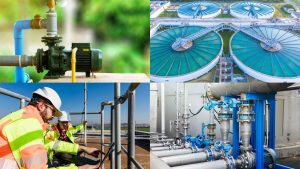

Access to safe water is still not guaranteed for everyone. Why do we say that? According to the World Health Organisation, at least 2 billion people globally consume water contaminated with faeces, putting health and livelihoods at serious risk. This reality highlights why commercial water purification has become a critical backbone of modern infrastructure rather than just a technical add-on.
As industries, cities, and communities grow, the demand for consistently safe and high-quality water supply continues to rise at an unprecedented rate.
In today’s interconnected world, water is no longer just a basic utility; it is a controlled resource that directly impacts health, productivity, and economic stability. From food production lines to healthcare facilities and manufacturing plants, every sector depends on reliable systems that can transform raw sources into safe, usable water.
This is where advanced purification technologies step in, ensuring that contaminants are removed, standards are met, and water remains safe at every stage of use.
This article covers
- Introduction To Commercial Water Purification
- What Is Commercial Water Purification?
- How Commercial Water Purification Systems Work
- Importance Of Safe Water Supply In Commercial And Industrial Settings
- Key Benefits Of Commercial Water Purification Systems
- Common Water Contaminants Treated In Commercial Systems
- Industries That Depend On Commercial Water Purification
- Challenges In Maintaining Safe Water Supply
- Technologies Driving Modern Water Purification Systems
- How To Choose The Right Commercial Water Purification System
- Future Of Commercial Water Purification
- FAQs About Commercial Water Purification
Introduction To Commercial Water Purification
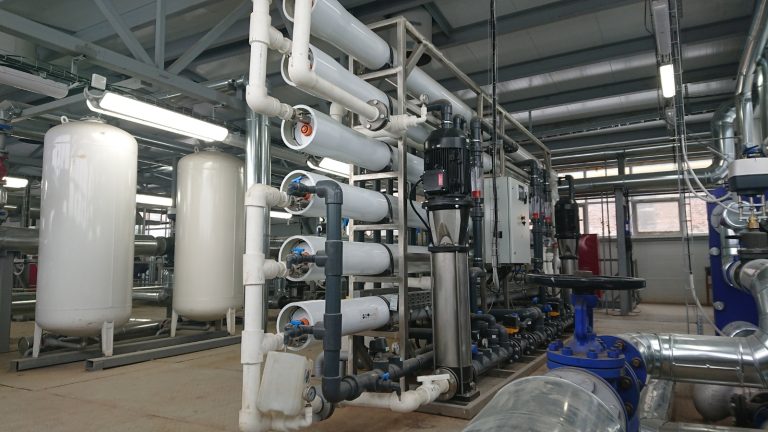
Commercial water purification is essential for ensuring a safe, reliable, and high-quality water supply across industries facing increasing contamination and demand challenges.
Key Takeaways
- Commercial water purification ensures a safe and reliable water supply across industries and large-scale operations.
- Advanced treatment systems use multi-stage technologies like filtration, membranes, and disinfection to remove contaminants.
- Safe water supply is essential for health protection, regulatory compliance, and operational efficiency in commercial settings.
- Modern purification systems improve water quality while reducing costs and environmental impact over time.
Why Safe Water Supply Is A Global Concern
Across cities, industries, and rural communities, access to water purification has become a defining factor of public health and economic stability. In many regions, purification is no longer optional but a necessity due to rising pollution and population demand.
The science of water chemistry helps explain why contaminants behave differently in various environments. People expect purified water that resembles pure water, yet natural sources rarely meet that expectation.
As climate change impacts fresh water availability, ensuring clean water is now a shared global responsibility that directly influences survival and productivity in modern society.
The Role Of Commercial Systems In Modern Water Management
Modern infrastructure depends heavily on industrial water treatment systems that can handle large-scale demand. Businesses require reliable water supply networks to maintain operations without interruption.
Whether it is bottled water production or municipal distribution, maintaining consistent water quality is critical. Every drop of water entering a facility must meet strict standards, especially when used for drinking water or food production.
The concept of safe water has evolved into a regulated benchmark. It ensures industries can deliver consistent performance while protecting public health and maintaining environmental responsibility.
Brief Overview Of Water Contamination Challenges
Did you know that contamination remains one of the biggest threats to global water supplies?
Through advanced water treatment, facilities aim to improve the overall quality of water and remove harmful substances. Many systems rely on filtered water processes to ensure safety before consumption.
Without proper water filtration, contaminants like industrial waste, biological agents, and chemicals can spread quickly.
In some regions, even groundwater is affected by agricultural runoff. This creates urgent demand for advanced treatment solutions that can maintain consistency in every water system while ensuring public safety.
What Is Commercial Water Purification?
Commercial water purification is the process of treating large-scale water supplies using advanced systems to make water safe for industrial, commercial, and public use.
Definition And Core Purpose Of Purification Systems
Water treatment in commercial environments refers to systems designed to improve water quality through controlled processes.
The goal of water purification is to transform untreated sources into safe water suitable for industrial and public use. A typical water filter or multi-stage system removes impurities through mechanical and chemical methods.
Modern water filtration ensures contaminants are reduced to acceptable levels. Facilities often rely on water filters that operate continuously, ensuring that every drop meets required safety standards for consumption or production.
Difference Between Residential And Commercial Water Treatment
Residential systems are designed for small-scale use, while commercial setups handle high-volume demand using advanced water softeners and filtration technologies.
Large facilities often install multiple water softeners to manage mineral buildup in supply lines. In high-demand environments like factories, water cooling systems must operate efficiently to avoid downtime.
Residential units rarely deal with such pressure, unlike industrial setups that also manage hot water circulation.
Plus, commercial infrastructure must also handle variable water hardness, requiring more robust and scalable treatment strategies.
Key Industries That Rely On Commercial Purification Systems
Industries such as manufacturing, agriculture, and food production depend on reliable hydroponics setups and consistent water quality standards.
In large-scale operations, water meter readings help track usage and efficiency.
Chemical processing industries rely on controlled dosing of chemicals for safety and compliance.
Cooling systems like water cooling tower units ensure operational stability in factories.
Even niche industries like brewing depend on precise mineral balance, including carbonate levels, to maintain product consistency and flavour integrity.
How Commercial Water Purification Systems Work
Commercial water purification systems work through multi-stage processes such as filtration, chemical treatment, and membrane technologies to remove contaminants and improve water quality.
Physical Filtration Methods (Sediment Removal, Screening)
Physical filtration is the first stage in many systems, removing large particles before deeper processing. These systems often handle forever chemicals and visible debris linked to contamination.
Beverage industries depend on clean inputs for every beverage they produce. Even trace dissolved organic matter can affect taste and safety.
Also, mechanical systems use pumps to move water through layered filters. It ensures consistency.
The process ensures that every pumped gallon meets baseline standards before moving to advanced treatment stages.
Chemical Treatment Processes (Disinfection, Chlorination)
Chemical processes focus on eliminating harmful microorganisms and stabilising water composition.
Through disinfection, harmful bacteria are neutralised to ensure safety. Controlled hydroxyl reactions help balance pH levels in systems requiring precision.
Many facilities use nitrates control and catalytic reactions to remove unwanted compounds.
However, carefully measured chemical dosing ensures consistent output across thousands of gallons daily. This stage is critical for industries requiring high sanitation standards, especially where human consumption is involved.
Advanced Technologies (Reverse Osmosis, Membrane Filtration)
You may know that modern systems rely heavily on membrane technology to achieve ultra-clean output.
A high-efficiency membrane system separates contaminants at a molecular level. These advanced membranes are essential in producing high-purity water for sensitive applications.
Facilities using commercial reverse osmosis achieve near-total impurity removal. This level of purity is critical in pharmaceuticals and electronics manufacturing. The precision of these systems ensures that even microscopic contaminants are removed effectively.
Role Of Multi-Stage Purification Systems
Multi-stage systems combine several processes into one water system for maximum efficiency. These integrated water systems often include sediment, chemical, and membrane stages.
Some facilities also use bottled water delivery systems for remote operations. Industrial plants depend on industrial water supplies that remain consistent under pressure.
It is clear that these systems ensure deliver quality water across all usage points, maintaining reliability even during peak demand cycles.
Importance Of Safe Water Supply In Commercial And Industrial Settings
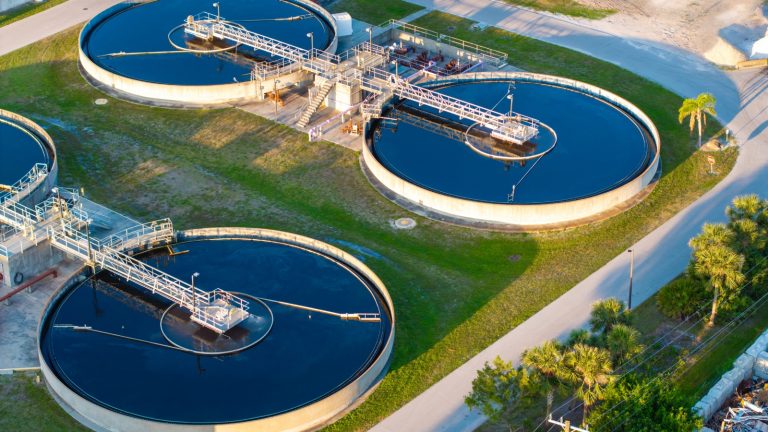
Safe water supply in commercial and industrial settings is critical for protecting health, ensuring compliance, and maintaining efficient and uninterrupted operations.
Health And Safety Compliance Requirements
Regulatory compliance ensures that every water treatment solution setup meets legal standards.
Facilities often face audits based on specific purification requirements depending on their industry. Commercial plants must align with commercial/industrial drinking water regulations to ensure public safety.
Failure to meet standards can result in shutdowns.
This is why engineers design systems based on specific water needs, ensuring that every output meets compliance benchmarks for safety and quality.
Preventing Waterborne Diseases And Contamination Risks
Unsafe systems can lead to severe outbreaks, making water filter needs critical in all facilities. Addressing each water problem early prevents large-scale failures.
Further, inconsistent treatment leads to multiple water problems across distribution networks. Contaminants entering systems create recurring water issues that affect both production and health.
Proper maintenance ensures that every water filtration needs requirement is met before risks escalate into public health concerns.
Ensuring Operational Efficiency In Industries
Efficient systems reduce downtime and improve production output. This is why facilities often conduct a free water test to assess system performance.
Proper water conditioning ensures smooth operations across industries. Some processes require alkaline balance adjustments to maintain stability. Even small disruptions can impact entire production lines. Efficient systems help maintain consistent output of great-tasting drinking water in food-related industries.
Protecting Equipment From Scaling And Corrosion
Scaling is a major issue caused by water hardness and mineral buildup, such as calcium carbonate.
Proper water softening prevents equipment damage over time. Many facilities use water softeners to reduce scaling risks.
Without treatment, pipes and machinery suffer reduced efficiency. Industrial plants often require industrial water softeners to maintain long-term equipment integrity and reduce maintenance costs.
Key Benefits Of Commercial Water Purification Systems
Commercial water purification systems improve water quality, ensure a consistent supply, reduce operational costs, and support long-term environmental sustainability.
Improved Water Quality And Taste
Advanced systems ensure consistent, clean water output across all applications. Improved water quality enhances both safety and taste.
Many systems produce bottle-quality water suitable for packaging. Facilities aim for optimal water quality to meet customer expectations.
Even standard drinking water must meet strict taste and safety benchmarks in commercial environments.
Consistent Supply Of Clean Water
Reliable systems ensure an uninterrupted flow of water supplies across industries. Proper filtration produces filtered water consistently.
In such cases, facilities depend on regular water flow for production. High-demand industries require industrial drinking water without interruptions. Consistency ensures smooth operations and reduces downtime across all sectors.
Reduced Operational Costs And Maintenance
Efficient systems reduce long-term costs associated with contamination and repairs.
Businesses avoid repeated water problems through proactive treatment.
Advanced water filtration solutions minimise maintenance frequency. Reduced downtime ensures financial stability. Optimised systems also improve overall operational efficiency across industries.
Environmental Sustainability And Reduced Waste
Sustainable systems reduce waste and improve efficiency in resource usage. Proper filtration process water management ensure minimal environmental impact. Many facilities adopt eco-friendly systems to reduce contamination discharge.
This approach supports long-term environmental sustainability goals.
Common Water Contaminants Treated In Commercial Systems
Commercial water purification systems remove physical, chemical, biological, and dissolved contaminants that can compromise water safety and system performance.
Physical Impurities (Sediment, Dirt, Particles)
Physical impurities, such as sediment, affect system efficiency and clarity. These particles reduce performance in cartridge filter systems.
Proper sediment removal ensures smooth operations. Many facilities use backwashing filter systems for cleaning. Advanced backwashing sediment filter setups maintain long-term performance.
Chemical Contaminants (Chlorine, Nitrates, Heavy Metals)
Chemical pollutants affect both safety and taste. Systems use anion-exchange resin to remove harmful substances. Facilities often deploy catalytic carbon to neutralise contaminants. Proper control ensures safe output across all applications.
These systems are essential in industrial environments.
Biological Contaminants (Bacteria, Viruses, Microorganisms)
Biological threats are eliminated using disinfection system processes.
Clean systems ensure safe drinking output. Even small contamination levels can cause major risks. Proper treatment ensures hygienic and safe distribution.
Dissolved Solids And Hardness Minerals
Hard minerals affect system performance and longevity. Proper water hardness management prevents scaling. Systems regulate water softening processes effectively.
Facilities often rely on mineral balance control for efficiency.
Industries That Depend On Commercial Water Purification
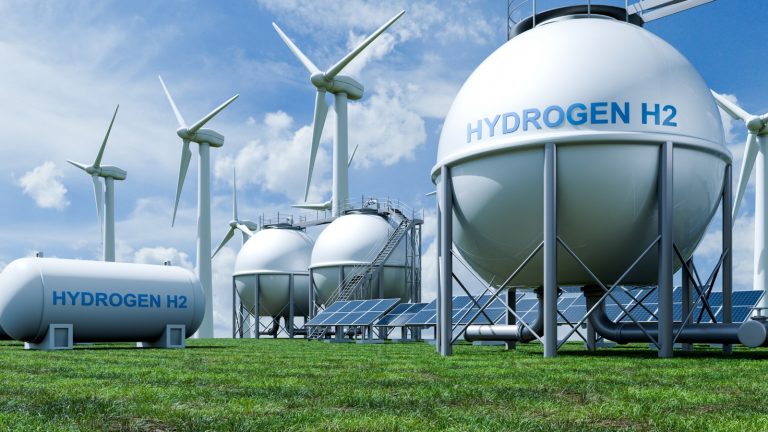
Industries such as food and beverage, healthcare, manufacturing, and hospitality depend on commercial water purification for a safe, consistent, and compliant water supply.
Food And Beverage Industry
Food production relies heavily on consistent water quality. Industries ensure safe beverage industry standards. Systems maintain flavour consistency in bar drink mixes and production lines. Clean water ensures product integrity.
Healthcare And Pharmaceutical Sector
Healthcare requires ultra-clean systems for safety. Facilities use advanced filtration to ensure sterile environments. Precision systems maintain compliance and safety standards.
Manufacturing And Industrial Processing
Manufacturing depends on reliable systems for cooling and production. Equipment efficiency relies on stable water input. Systems ensure operational continuity.
Hospitality And Commercial Facilities
Hotels and restaurants depend on a consistent supply. Guests expect high-quality water in all services. Systems ensure comfort and safety.
Challenges In Maintaining Safe Water Supply
Maintaining a safe water supply is challenging due to ageing infrastructure, fluctuating water quality, high costs, and strict regulatory compliance requirements.
- Ageing Water Infrastructure Issues- Old systems create inefficiencies and contamination risks. Upgrading infrastructure is essential for safety.
- Fluctuating Water Quality Levels- Changes in source quality affect performance. Continuous monitoring ensures stability.
- High Operational and Maintenance Costs- Maintenance can be expensive without efficient systems. Optimisation reduces costs.
- Compliance With Regulatory Standards- Strict regulations require constant monitoring and updates. Compliance ensures safety and legality.
Technologies Driving Modern Water Purification Systems
Modern water purification systems rely on technologies like reverse osmosis, carbon filtration, UV disinfection, and smart automation to ensure efficient water treatment.
Reverse Osmosis And Membrane Technology
Advanced systems use reverse osmosis systems for precision filtration. These technologies ensure high efficiency.
Activated Carbon Filtration
Carbon systems remove impurities and improve taste. They are widely used in industries.
UV And Chemical Disinfection Methods
UV systems eliminate microorganisms effectively. Combined systems ensure maximum safety.
Smart Monitoring And Automation Systems
Modern systems use sensors and automation for efficiency. They reduce manual intervention.
How To Choose The Right Commercial Water Purification System
Choosing the right commercial water purification system requires assessing water quality, capacity needs, filtration technology, and long-term maintenance efficiency.
Assessing Water Quality Requirements
Selecting the right system begins with a detailed analysis of incoming water sources.
Testing helps identify contaminants, mineral levels, and microbial risks before design decisions are made. Each facility has unique operational conditions, so an accurate assessment ensures the system is tailored to deliver consistent safety and performance.
Understanding Capacity And Demand
System efficiency depends heavily on matching output capacity with real consumption needs. Facilities must evaluate daily usage patterns, peak demand, and future growth requirements.
It is common knowledge that oversized systems waste resources, while undersized ones risk shortages. Proper alignment ensures continuous supply, operational stability, and long-term efficiency across all water-dependent processes.
Evaluating Filtration Technologies
Different industries require different filtration approaches depending on water source quality and end-use requirements.
Technologies such as membrane filtration, carbon systems, and UV treatment offer varying levels of purification. Selecting the right combination ensures contaminants are effectively removed while maintaining efficiency, reliability, and compliance with industry-specific water quality standards.
Considering Long-Term Maintenance And Cost Efficiency
Long-term sustainability depends on maintenance demands and operational costs. Systems with lower energy usage and durable components reduce overall expenses. Regular servicing requirements, replacement intervals, and system scalability must be considered.
Investing in efficient technology ensures reduced downtime, predictable costs, and reliable performance over the system’s entire lifespan.
Future Of Commercial Water Purification
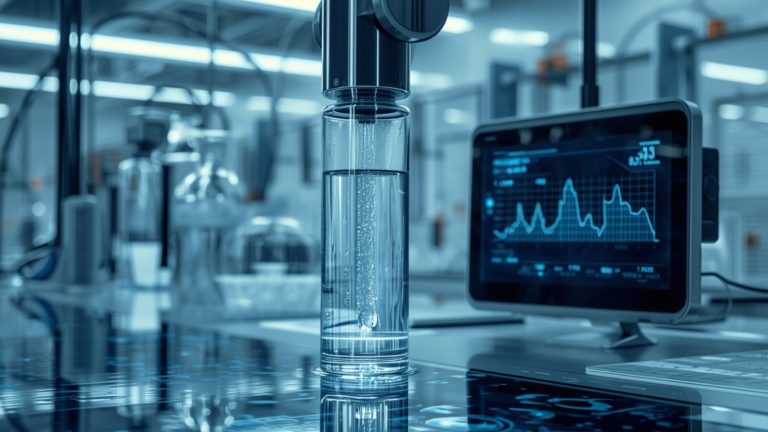
The future of commercial water purification is driven by smart technologies, IoT integration, sustainable methods, and advanced membrane innovations.
Smart Water Treatment Systems And IoT Integration
Modern purification systems are increasingly powered by smart sensors and IoT connectivity. These technologies allow real-time monitoring of water quality, system performance, and maintenance needs.
Automated alerts and predictive analytics help reduce downtime, improve efficiency, and ensure consistent water safety across large-scale commercial and industrial operations.
Sustainable And Eco-Friendly Purification Methods
The future of water treatment focuses heavily on sustainability and reduced environmental impact.
Energy-efficient systems, reduced chemical usage, and water recycling processes are becoming standard. These eco-friendly methods help industries meet environmental regulations while minimising waste, lowering operational costs, and supporting long-term, responsible water resource management practices.
Innovations In Membrane And Filtration Technology
Advancements in filtration materials are improving efficiency and durability across purification systems. New-generation membranes offer higher precision, longer lifespan, and better resistance to fouling.
These innovations enable more effective contaminant removal while reducing maintenance requirements, making modern systems more reliable, cost-effective, and suitable for complex industrial water treatment applications.
Tigernix Smart Water Asset Software As A Robust Industrial Water Intelligence Backbone
Tigernix Smart Water Asset Software is a robust Industry 4.0 platform designed to help water industry operations in Australia. Our platform streamlines commercial water purification operations through centralised monitoring, asset tracking, and workflow automation.
It integrates seamlessly with treatment systems, enabling your operators to manage filtration, distribution, and system performance efficiently while improving reliability, compliance, and real-time decision-making across water networks, all from one dashboard.
Driving Digital Transformation In Traditional Water Networks With AI And Automation
Tigernix platform’s AI-driven analytics and automation capabilities help your plant’s traditional water networks transition into a fully digital ecosystem by predicting maintenance needs, optimising resource usage, and reducing manual intervention.
This shift minimises operational costs, prevents system failures, and enhances efficiency, enabling commercial water purification facilities to achieve smarter, data-driven, and cost-effective water management.
Call for a personalised demo.
Tigernix-Water Intelligence Begins Now
The Flow Forward: Why Commercial Water Purification Shapes A Safer Tomorrow
In a world where every drop counts, commercial water purification is no longer just an operational requirement—it is the backbone of safe, reliable, and sustainable water access. From safeguarding public health to supporting complex industrial processes, these systems quietly ensure that the water reaching people, products, and machines meets the highest standards of safety and performance.
As industries expand and environmental pressures intensify, the need for smarter, more efficient purification continues to grow. What once was a behind-the-scenes utility has now become a strategic investment in resilience, compliance, and long-term cost control. Whether it is protecting equipment, maintaining product quality, or ensuring safe consumption, purification systems are central to modern infrastructure.
It is clear that the future of water security depends on how effectively we treat, manage, and value our resources today. With continued innovation and responsible adoption, commercial purification will remain a defining force in delivering safer, cleaner water for generations to come.
FAQs About Commercial Water Purification
Commercial systems focus on medium-scale water treatment for businesses such as hospitality and food service. In contrast, industrial systems handle large-volume, high-load purification processes using advanced technologies to meet stricter operational, chemical, and regulatory water-quality requirements.
Reverse osmosis enhances purification by forcing water through a semi-permeable membrane that removes dissolved salts, heavy metals, and microscopic contaminants, producing high-quality output while improving system efficiency, consistency, and compliance with strict water quality standards.
Common technologies include membrane filtration, activated carbon systems, UV disinfection, ion exchange, and chemical dosing, all working together in multi-stage setups to effectively remove physical, chemical, and biological contaminants from commercial water supplies.
Maintenance frequency depends on system load and water quality. Still, most commercial purification systems require routine inspections monthly and major servicing quarterly to ensure optimal performance, prevent clogging, and maintain consistent water safety standards.
Continuous water quality monitoring ensures contaminants are detected early, system performance remains stable, and compliance standards are met, helping prevent operational failures, reduce risks, and maintain safe, reliable water output across commercial applications.