
What really happens inside the systems that quietly handle the waste people flush away every day? Behind every modern city lies a hidden network of Sewage Processing Plants working continuously to protect public health and the environment. These facilities are far more advanced than most people imagine. They do not just ‘clean dirty water’ as they systematically transform wastewater through carefully engineered stages of physical separation, biological breakdown, and chemical treatment.
According to global water management studies, nearly 80% of wastewater worldwide is released back into the environment without adequate treatment. This highlights just how critical efficient sewage processing infrastructure has become. This gap makes modern treatment facilities essential for preventing waterborne diseases, protecting ecosystems, and supporting sustainable urban growth.
Inside a sewage processing plant, every drop of incoming wastewater is analysed, filtered, and treated using a combination of mechanical systems and biological processes. From removing solid waste to breaking down organic matter and eliminating harmful pathogens, each stage plays a precise role in ensuring the final output is safe enough to return to rivers or even be reused.
In this article, we will take a closer look inside these facilities, exploring the step-by-step processes, key treatment stages, and the advanced technologies that make modern wastewater treatment possible.
We reveal
- Introduction to Modern Wastewater Engineering and Sanitation Systems
- How Sewage Moves Through Urban and Industrial Infrastructure
- Main Components Found Inside Modern Wastewater Treatment Plants
- Step-By-Step Sewage Treatment Process Explained
- How a Sewage Processing Plant Converts Waste Into Reusable Resources
- Types of Sewage Water Treatment Technologies Used Today
- Differences Between Centralised and Decentralised Sewage Treatment Systems
- Common Challenges Faced by Sewage Treatment Plants
- Smart Monitoring, Automation, and AI in Modern Wastewater Infrastructure
- Environmental Benefits of Effective Wastewater Management
- Future Trends Shaping Sustainable Sewage and Water Treatment
- FAQs About Sewage Processing Plants and Treatment Technologies
Introduction to Modern Wastewater Engineering and Sanitation Systems
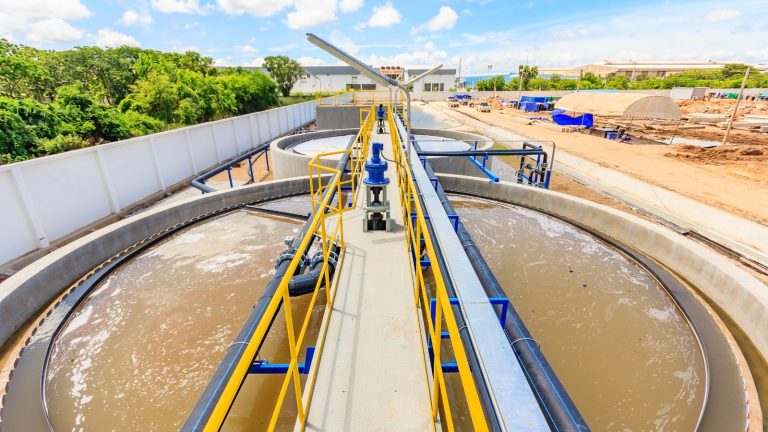
A Sewage Processing Plant is one of the most essential yet least visible infrastructures supporting modern life. Every day, millions of litres of wastewater flow from homes, industries, and cities into engineered systems designed to protect public health and the environment.
Unlike simple drainage systems of the past, today’s wastewater engineering integrates science, automation, and environmental design.
A modern sewage treatment plant is no longer just a place for disposal; it is a controlled environment for the treatment of sewage and treatment of wastewater, ensuring water can safely return to nature or even be reused.
Key Takeaways
- A sewage processing plant uses physical, biological, and chemical stages to treat wastewater effectively.
- Modern wastewater treatment systems transform sewage into safe water that can be reused or released.
- Biological processes and nutrient removal are essential for breaking down pollutants and protecting ecosystems.
- Sludge treatment and resource recovery help reduce waste and generate useful by-products, such as energy.
What Is a Sewage Treatment Plant and Why Is It Important?
A sewage treatment plant is an engineered facility that removes contaminants from wastewater. These wastewater treatment facilities are critical for preventing disease, protecting ecosystems, and supporting urban development.
Without proper sewage treatment, untreated effluents would pollute rivers and groundwater. Modern sewage treatment systems and wastewater treatment systems ensure that harmful substances are removed before discharge.
In cities, municipal wastewater treatment plants and municipal sewage treatment networks handle domestic and commercial waste, while the corners of industrial wastewater treatment and industrial wastewater management focus on factory-generated effluents.
How Sewage Moves Through Urban and Industrial Infrastructure
Before reaching a sewage processing plant, wastewater travels through a complex wastewater infrastructure system.
This includes underground pipelines, pumping stations, and collection networks.
In urban areas, urban wastewater treatment begins when wastewater enters the sewerage system. In industrial zones, specialised channels handle high-strength effluents as part of industrial wastewater management.
The movement of sewage is carefully controlled to prevent overflow and contamination.
These systems ensure continuous flow toward wastewater treatment plants, where the actual purification begins.
Key Sewage Characteristics Engineers Analyse Before Treatment
Before designing treatment strategies, engineers examine sewage characteristics such as organic load, chemical composition, and microbial content.
Understanding wastewater characteristics is crucial for selecting appropriate wastewater treatment technologies. For example, high organic content may require advanced biological treatment of sewage, while nutrient-heavy wastewater needs nitrogen removal and phosphorus removal technologies.
This analysis is the foundation of effective sewage treatment processes and ensures optimal performance of sewage treatment technologies.
Main Components Found Inside Modern Wastewater Treatment Plants
- Inlet screens for solid removal
- Aeration tanks for biological activity
- Clarifiers for sedimentation
- Sludge treatment plants for waste handling
- Chemical dosing systems for purification
Step-By-Step Sewage Treatment Process Explained
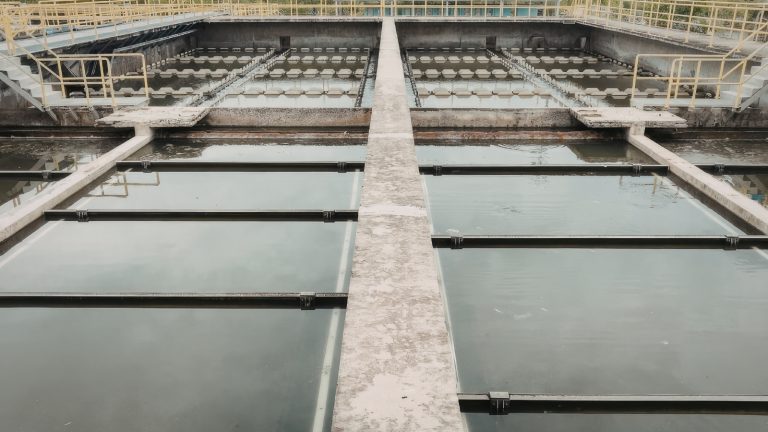
A sewage treatment plant follows structured sewage treatment processes, typically divided into multiple stages from preliminary to final water release.
Preliminary Screening and Grit Removal
In the first stage of a sewage treatment system, incoming wastewater passes through preliminary screening and grit removal units designed to capture large solids.
This is where materials such as plastics, rags, sanitary waste, and stones are mechanically filtered out to prevent blockages and damage to downstream equipment. This step is crucial in all wastewater treatment facilities, as it ensures smooth flow and protects pumps, pipes, and clarifiers from abrasion or clogging.
When removing coarse debris early, the system improves efficiency and reduces maintenance costs across the entire treatment of wastewater process.
Primary Sedimentation and Solid Separation
During primary sedimentation, wastewater is held in large tanks where gravity allows heavy solids to settle at the bottom while oils and lighter materials rise to the surface.
This stage plays a vital role in the treatment of wastewater, significantly reducing suspended solids and organic load before biological processing begins.
The collected sludge is carefully removed and directed toward sludge processing, marking the initial phase of sewage sludge treatment. This separation step improves overall plant efficiency and prepares the wastewater for more advanced purification stages.
Biological Processing and Aeration
This stage represents the core of modern wastewater treatment technologies, where biological activity drives the purification process. Air is continuously injected into aeration tanks to support microbial populations that break down organic pollutants.
Through biological wastewater treatment, bacteria and microorganisms digest organic matter, converting it into simpler, less harmful substances. This method, also known as biological treatment of sewage, is widely used in municipal wastewater treatment systems.
Advanced facilities often integrate aerobic biofilm reactors to enhance treatment efficiency and stability under varying load conditions.
Secondary Clarification Systems
After biological treatment, the wastewater flows into secondary clarifiers, where remaining suspended biomass is separated from the treated water. This phase, known as secondary sewage treatment, allows heavier biological flocs to settle at the bottom, forming activated sludge that can be recycled or further processed.
At this point, most contaminants have already been removed, and the water appears significantly clearer. The clarified effluent moves forward for final polishing, marking an important step toward producing safe discharge-quality water in the treatment cycle.
Sludge Handling and Disposal Technologies
In this stage, residual sludge is transferred to sludge treatment plants for further processing.
The material undergoes thickening, digestion, and drying to reduce volume and stabilise organic content. Modern sludge processing systems are designed to recover value from waste, converting it into biogas, compost, or fertiliser.
Effective sewage sludge treatment is essential for minimising environmental impact and supporting circular economy practices. When they treat sludge properly, facilities reduce pollution risks while transforming waste into usable by-products.
Final Disinfection and Water Release
The final stage ensures that all harmful microorganisms are eliminated through treated sewage disinfection methods such as chlorination, ultraviolet (UV) radiation, or ozone treatment. These processes guarantee that the water meets environmental and public health standards before release.
Once fully treated, the water is discharged into rivers or reused in agriculture and industry, depending on regulations in municipal wastewater treatment systems.
This final step completes the transformation of wastewater into a safe, environmentally compliant effluent.
How a Sewage Processing Plant Converts Waste Into Reusable Resources
A modern sewage processing plant is no longer just a treatment facility; it is a recovery system. Through wastewater resource recovery, plants extract energy, nutrients, and reusable water.
Treated water supports irrigation, industrial cooling, and groundwater recharge. Sludge becomes fertiliser or energy feedstock.
This transformation highlights the importance of sustainable water management in modern infrastructure.
Types of Sewage Water Treatment Technologies Used Today
Modern sewage water treatment relies on diverse technologies from membrane filtration, activated sludge processes, aerobic biofilm reactors, chemical treatment units and nutrient removal systems, etc.
- Membrane Filtration Systems
Membrane filtration systems use semi-permeable membranes to separate contaminants from wastewater at a microscopic level. They effectively remove suspended solids, bacteria, and even viruses, producing high-quality effluent. These systems are widely used in advanced wastewater treatment technologies for producing reusable water in industrial and municipal applications.
- Activated Sludge Processes
Activated sludge processes rely on aeration tanks where microorganisms break down organic pollutants in wastewater. The mixture is then settled to separate treated water from biomass. This biological method is central to modern wastewater treatment systems, ensuring efficient removal of organic matter in large-scale treatment plants.
- Aerobic Biofilm Reactors
Aerobic biofilm reactors use fixed surfaces where microorganisms grow as biofilms to treat wastewater. As water flows over these surfaces, bacteria break down organic pollutants efficiently. This technology improves stability and performance in biological wastewater treatment, especially under varying load conditions in modern treatment facilities.
- Chemical Treatment Units
Chemical treatment units use coagulants, disinfectants, and pH-adjusting chemicals to remove contaminants from wastewater. These systems target dissolved impurities that biological methods cannot eliminate. They are essential in wastewater treatment systems for enhancing purification efficiency and ensuring compliance with environmental discharge standards.
- Nutrient Removal Systems
Nutrient removal systems are designed to eliminate excess nitrogen and phosphorus from wastewater. These nutrients can cause harmful algal blooms if discharged untreated. Using biological and chemical processes, these systems improve water quality and are a key part of advanced wastewater treatment technologies and environmental protection strategies.
Apart from the above, technologies like nutrient removal technology, nitrogen removal, and phosphorus removal are essential for preventing eutrophication in water bodies.
These innovations define the evolution of sewage treatment technologies and ensure compliance with environmental standards.
Differences Between Centralised and Decentralised Sewage Treatment Systems
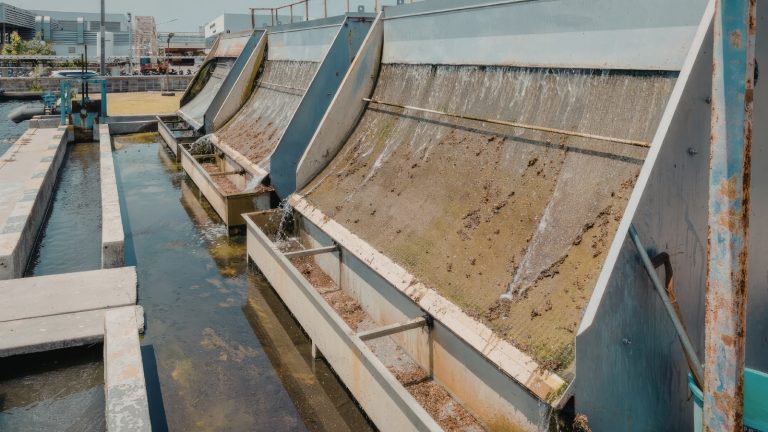
Centralised systems rely on large municipal sewage treatment plants serving entire cities. These are typical municipal wastewater treatment plants.
Decentralised systems handle wastewater closer to its source, often used in rural or remote areas through domestic wastewater treatment solutions.
Both approaches rely on efficient wastewater treatment systems, but their scale and infrastructure differ significantly.
Common Challenges Faced by Sewage Treatment Plants
- Overloaded infrastructure
- High operational costs
- Industrial contamination
- Climate-related inflow variations
Smart Monitoring, Automation, and AI in Modern Wastewater Infrastructure
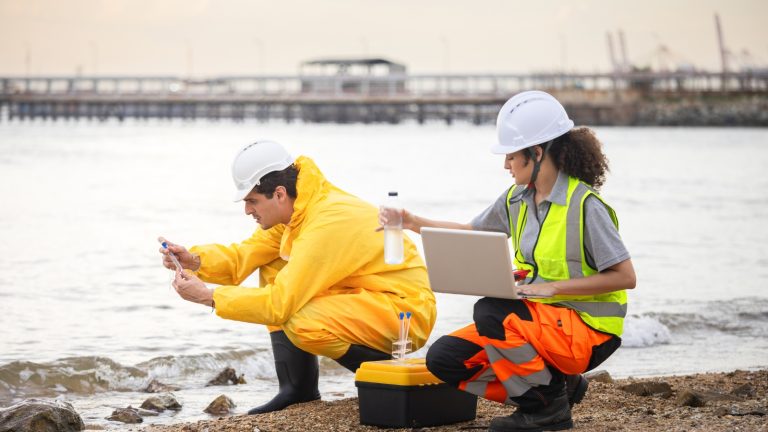
Modern wastewater engineering now includes smart sensors and AI-driven systems. These tools improve efficiency in wastewater treatment facilities by monitoring flow, detecting anomalies, and optimising energy use.
Automation enhances sewage treatment systems, reducing human error and improving compliance. Predictive analytics also supports better maintenance of sewage treatment technologies.
Environmental Benefits of Effective Wastewater Management
Proper treatment of sewage and treatment of wastewater protects ecosystems, reduces pollution, and improves public health.
It prevents river contamination, supports biodiversity, and enhances groundwater quality. Efficient wastewater treatment systems also reduce greenhouse gas emissions from untreated waste.
Future Trends Shaping Sustainable Sewage and Water Treatment

The future of wastewater treatment technologies is driven by sustainability and innovation. Emerging trends include energy-neutral plants, advanced nutrient removal technology, and resource recovery systems.
We are also seeing improvements in sewage treatment systems that focus on circular water use and zero-waste discharge.
Tigernix Smart Wastewater Asset Software for Efficient Plant Operations
Tigernix Smart Wastewater Asset Software is a robust industry solution designed to optimise Sewage Processing Plants through real-time asset tracking, predictive maintenance, and operational monitoring.
Our software helps reduce maintenance costs, downtime, and energy waste while improving efficiency. Key benefits include streamlined workflows, asset lifecycle visibility, and improved compliance across wastewater treatment systems.
Driving Industry 4.0 Transformation in Wastewater Management
By integrating AI and automation, Tigernix software solution enables traditional wastewater facilities to transition into smart, data-driven operations. Its embedded predictive analytics improve decision-making, while automated alerts and process optimisation enhance plant performance.
This digital transformation supports smarter sewage treatment processes, reduces human error, and builds fully connected, intelligent wastewater infrastructure for the future.
Call for a free demo.
Tigernix- Smart Intelligence Begins Now
From Waste to Worth: The Final Story of Sewage Processing Plants
A Sewage Processing Plant is far more than a waste-handling facility; it is a cornerstone of modern civilisation. Through advanced sewage treatment processes, biological systems, and smart engineering, wastewater is transformed into a safe, reusable resource.
As cities grow, the role of wastewater treatment plants, wastewater infrastructure, and sustainable innovation will only become more critical. The future lies in smarter, cleaner, and more efficient systems that protect both people and the planet.
FAQs About Sewage Processing Plants and Treatment Technologies
A sewage processing plant removes contaminants from wastewater using physical, biological, and chemical processes. Its main function is to produce safe, treated water that can be discharged into the environment or reused for non-potable applications such as irrigation and industrial operations.
Biological wastewater treatment works by using microorganisms to break down organic pollutants in wastewater. These bacteria consume organic matter during aeration, converting it into simpler compounds. This process is a core stage in modern treatment systems and significantly improves water quality before final purification.
After treatment, sewage sludge is processed in sludge treatment plants where it is thickened, stabilised, and dried. Depending on the system, it may be converted into biogas for energy or processed into fertiliser, reducing waste volume and supporting sustainable resource recovery practices.
Nutrient removal is important because excess nitrogen and phosphorus in wastewater can cause algal blooms, oxygen depletion, and ecosystem damage in natural water bodies. Effective removal ensures regulatory compliance and protects rivers, lakes, and coastal environments from long-term pollution.
Yes, treated wastewater can be safely reused after proper disinfection. Common uses include agricultural irrigation, industrial cooling processes, and groundwater recharge. Reuse helps conserve freshwater resources and supports sustainable water management in regions facing water scarcity.