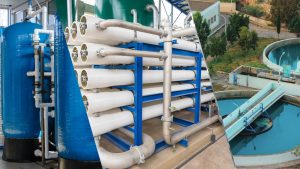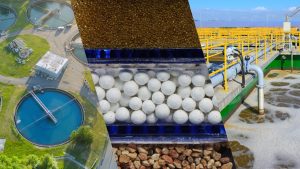

Over 2 billion people globally rely on water systems in which residual disinfectants, such as chlorine, remain at measurable levels, making controlled removal a critical industrial priority. In modern infrastructure, ensuring safe water quality is no longer just a compliance requirement but a core operational necessity for manufacturing, energy production, and public utilities. This is where dechlorinated water becomes essential, particularly in environments where human water consumption, process stability, and equipment longevity are directly affected by water chemistry.
Industrial systems increasingly depend on advanced dechlorination techniques to transform chlorinated water into safer, more stable output suitable for downstream use.
This article explores the most effective methods, technologies, and infrastructure-level strategies used across water treatment plants and municipal networks to ensure high-quality output.
We look into
- Understanding Dechlorinated Water in Industrial Systems
- Role of Chlorinated Water in Municipal and Industrial Supply Chains
- Top Methods for Producing Dechlorinated Water in Industrial Systems
- Chemical Dechlorinators for Industrial Applications
- Water Filtration Systems for Producing Dechlorinated Water
- Reverse Osmosis Water Systems in Industrial Dechlorination
- Water Treatment Plants and Industrial Dechlorination Processes
- Challenges in Producing Dechlorinated Water in Industrial Systems
- Future of Dechlorination in Industrial Water Systems
- FAQs About Dechlorinated Water
Understanding Dechlorinated Water in Industrial Systems
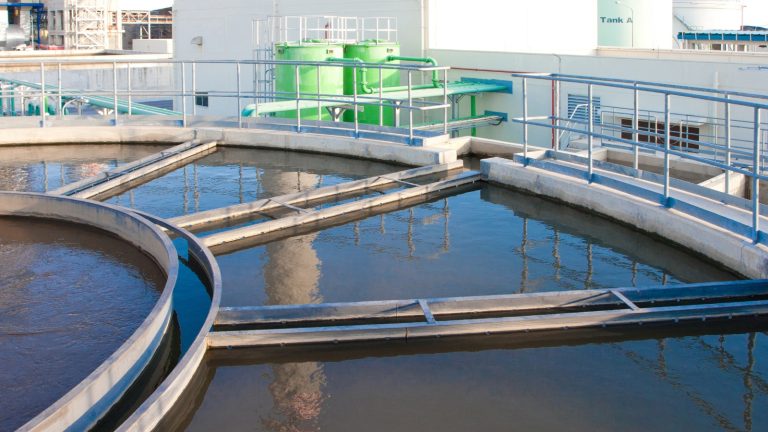
Dechlorinated water is essential in industrial systems as it removes harmful chlorine residues that can affect equipment, processes, and safety standards.
Key Takeaways
- Dechlorinated water is essential for protecting industrial equipment and maintaining process efficiency.
- Advanced water filtration and reverse osmosis systems improve the consistency of industrial water quality.
- Chemical dechlorinators provide fast and reliable chlorine removal for large-scale operations.
- Sustainable chlorine-free water management supports long-term industrial and environmental performance.
What Is Dechlorinated Water, and Why Does It Matter?
Dechlorinated water refers to water that has undergone dechlorination to remove or neutralise chlorine and chloramine, making it safer for industrial processes and drinking water applications.
In many facilities, dechlorinating is necessary because untreated chlorinated water can damage membranes, corrode machinery, and alter chemical stability in production systems.
Industries often rely on a dechlorinating method that ensures fresher water output for sensitive applications such as pharmaceuticals and food processing. When properly treated, dechlorinated output supports better system performance, reduces scaling, and improves overall water taste consistency.
The transition from chlorinated water to safe output often involves dechlorination techniques that are carefully monitored to maintain compliance.
Industrial Importance Of Safe Water Quality Standards
In industrial operations, water supplied through municipal networks or a water treatment plant must meet strict quality benchmarks. However, even after treatment, residual chemicals remain in tap water, requiring further refinement before use.
This is where water cleaner systems and filtration technologies play a crucial role.
Industries depend on consistent water filtration processes to ensure stable output from the main water line. Whether sourced from spring water, bottled spring water, or municipal supply, the goal is to eliminate harmful residues while preserving usability.
Facilities often integrate chemical dechlorinators or water filter systems to ensure safety. These solutions help maintain process integrity, especially where water is subject to heating or mixing, which could otherwise trigger unwanted reactions with residual disinfectants.
Role Of Chlorinated Water In Municipal And Industrial Supply Chains
Chlorinated water plays a crucial role in municipal systems, yet requires further treatment before industrial or sensitive applications.
Why Chlorine And Chloramine Are Used In Water Treatment
Chlorine and chloramine are widely used in municipal water treatment because they effectively disinfect large volumes of water and prevent microbial contamination. These chemical agents ensure safe distribution from water treatment plants to households and industries.
However, while effective, chlorinated water often requires further refinement.
When chlorinated compounds remain in supply systems, they can impact water taste, interact with industrial materials, and reduce efficiency in processes involving water filtration or membrane systems.
As a result, industries often adopt chemical-based dechlorinator products to neutralise these residues.
Municipal Water Treatment And Distribution Systems
A water treatment plant plays a central role in ensuring safe distribution through extensive infrastructure, such as the main water line.
Once water supplied enters local systems, it is delivered through faucets and kitchen faucet outlets into residential and industrial environments.
Despite treatment, residual disinfectants persist in tap water, requiring further processing. In many cases, industries and households rely on undersink water filtration systems or a certified dechlorinating filter to ensure safety.
These systems are particularly important when preparing bath water, or process water used in sensitive environments such as chlorinated swimming pools, maintenance systems or industrial cooling operations.
To maintain consistency, operators may use open container methods, such as fill up an open container with tap water. This allows the natural chlorine evaporation process to reduce residual levels.
However, this is often supplemented by engineered filtration systems for reliability.
Top Methods for Producing Dechlorinated Water in Industrial Systems
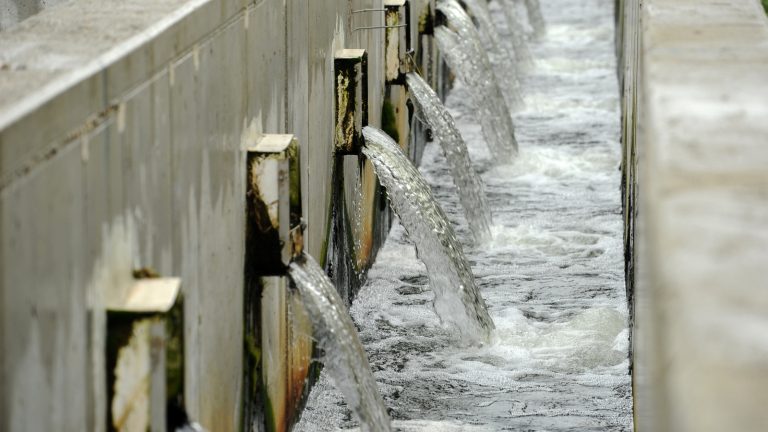
Industrial water systems rely on structured dechlorination techniques to transform treated municipal supply into stable, chlorine-free output suitable for sensitive operations.
Overview Of Dechlorination Techniques
Modern industries employ a variety of dechlorination techniques to ensure dechlorinated water is consistently available for production, cooling, and cleaning systems. The primary goal of dechlorination is to remove residual chlorine and chloramine left in water supplied from water treatment plants.
These techniques include physical processes, chemical treatments, and advanced filtration systems designed to ensure high-quality water filtration outcomes.
Depending on the industrial application, engineers may select an effective dechlorinating method that balances cost, efficiency, and operational stability. For example, facilities using drinking water for production may prioritise purity, while manufacturing plants may focus on large-scale throughput.
In many systems, dechlorinating processes are integrated directly into pipelines connected to the main water line. The latter ensures continuous treatment before usage.
This prevents untreated chlorinated water from entering sensitive equipment and reduces long-term maintenance issues.
Physical, Chemical, And Filtration-Based Dechlorination Methods
Industrial operators typically rely on three core approaches: physical, chemical, and filtration-based solutions.
Physical methods include boiling water, which encourages chlorine to evaporate, especially in smaller-scale systems. In controlled environments, operators may also use open container exposure techniques such as fill up an open container with tap water, allowing the natural chlorine evaporation process to occur.
While simple, this dechlorinating method is not always practical for large-scale industries.
Chemical approaches involve dechlorinators that react directly with chlorine compounds. These chemical-based dechlorinator products neutralise disinfectants through controlled reaction, ensuring rapid conversion into chlorine-free water. This method is widely used in systems requiring immediate treatment, particularly where delays are not acceptable.
Filtration systems remain the most reliable long-term solution.
Technologies such as carbon-based water filter, reverse osmosis water systems, and under-sink water filtration units provide continuous purification. A water filter installed at critical points ensures consistent removal of contaminants, improving overall water taste and stability.
Many industries also use a certified dechlorinating filter to ensure compliance and performance.
Chemical Dechlorinators For Industrial Applications
Chemical-based solutions provide fast and efficient chlorine removal, making them essential for high-volume industrial water treatment systems.
How Chemical Dechlorinators Work
Chemical dechlorinators are widely used in industrial environments due to their speed and efficiency in neutralising chlorine and chloramine in water systems. These solutions are added directly to chlorinated water, triggering a controlled reaction that eliminates disinfectant residues.
When applied correctly, chemical dechlorinators convert treated water supplied from municipal water treatment systems into safe, stable output suitable for industrial processing. This ensures that dechlorination occurs instantly without waiting for physical processes like evaporation or boiling water to take effect.
In large-scale systems, engineers often integrate dechlorinators into automated dosing systems connected to the main water line. This ensures continuous treatment of incoming tap water, maintaining consistent quality across production cycles.
The result is reliable dechlorinated water suitable for manufacturing, cooling towers, and cleaning applications.
Benefits And Limitations Of Chemical-Based Solutions
The main advantage of chemical-based dechlorinator products is speed. They provide an effective dechlorinating method for industries requiring immediate results. Unlike physical methods such as allowing chlorine to evaporate, chemical solutions work instantly, making them ideal for continuous operations.
However, chemical systems must be carefully monitored. Overuse can affect water taste, introduce unwanted residues, or alter downstream processes involving human water consumption or sensitive production lines. Additionally, industries must ensure compatibility with existing water filtration systems to avoid interference.
Despite these limitations, chemical dechlorinators remain essential in environments where chlorine-free water is required at scale. They are often used alongside water filter systems and carbon-based water filter technologies to enhance performance.
In some cases, operators combine chemical treatment with reverse osmosis water systems for multi-stage purification.
In contrast to slower methods like leaving bathing water in an open container, chemical solutions ensure industrial efficiency.
Even in specialised applications such as treating chlorinated swimming pools or process tanks using waterdrop dosing systems, chemical methods provide consistency and control.
Water Filtration Systems For Producing Dechlorinated Water
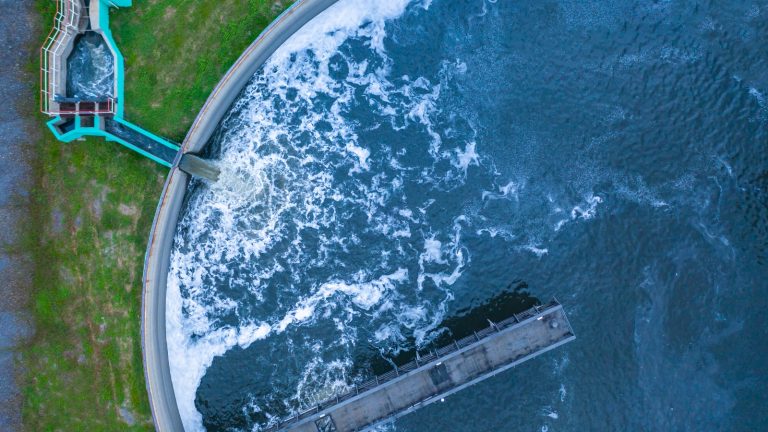
Water filtration systems represent the most reliable long-term solution for producing stable dechlorinated water in industrial environments where consistency, safety, and compliance are critical.
Water Filtration Technologies In Industrial Use
In modern industrial narratives, the journey from chlorinated water to usable dechlorinated water often begins at the point of entry, where water supplied from municipal water treatment systems enters facilities through the main water line.
At this stage, engineers deploy advanced water filtration systems to ensure contaminants are removed before they affect production.
A standard water filter acts as the first line of defence, capturing residual chemicals and reducing chlorine levels. In large facilities, multi-stage systems are used to improve efficiency, especially where drinking water, process water, or cleaning water must meet strict quality standards.
Over time, these systems transform inconsistent input into reliable chlorine-free water, ensuring operational continuity.
Industries that rely on water cleaner systems often integrate filtration units directly into production lines.
Whether the source is tap water, spring water, or even bottled spring water used in testing environments, filtration ensures uniform quality across applications. This structured approach allows facilities to maintain control over water taste, chemical stability, and safety.
Carbon-Based Water Filters And Their Efficiency
Among filtration technologies, the carbon-based water filter stands out for its ability to absorb chlorine and organic impurities efficiently. Activated carbon works through adsorption, binding chlorinated water compounds, and significantly improving output quality.
In industrial settings, these filters are often installed in series to enhance performance, especially where high flow rates are required. They are particularly effective in reducing chloramine levels, which are more stable than chlorine and harder to remove.
As a result, dechlorination techniques involving carbon filtration are widely adopted across manufacturing and food processing industries.
When properly maintained, carbon systems deliver consistent dechlorination, ensuring fresher water output for sensitive applications. However, periodic replacement is necessary to maintain efficiency, as saturated filters lose effectiveness over time.
Certified Dechlorinating Filter Systems
For industries requiring compliance and reliability, a certified dechlorinating filter offers assurance that filtration meets international water quality standards. These systems are rigorously tested to ensure they consistently produce dechlorinated water suitable for industrial use.
Such filters are commonly installed in undersink water filtration setups or integrated directly into production pipelines. They provide a structured dechlorinating method that ensures consistent removal of chlorine without affecting flow rate or pressure.
In environments where bath water or cleaning water is required, certified systems ensure that residual disinfectants do not interfere with human contact or equipment integrity.
This is particularly important in industries handling sensitive processes where water subject to heating or chemical mixing must remain stable.
Reverse Osmosis Water Systems In Industrial Dechlorination
Reverse osmosis technology represents one of the most advanced methods for producing ultra-pure dechlorinated water in industrial systems.
How Reverse Osmosis Removes Chlorine And Impurities
Reverse osmosis water systems operate by forcing water through a semi-permeable membrane that removes dissolved solids, including chlorine, chloramine, and other residual chemicals. This process ensures high levels of purification, making it one of the most effective dechlorinating methods available.
In many industrial environments, RO systems are used after initial filtration to ensure complete dechlorination.
The result is highly purified chlorine-free water, suitable for sensitive production processes and laboratory applications. Unlike simple boiling or allowing evaporate processes, reverse osmosis provides controlled and consistent output quality.
This technology is especially valuable in industries where human water consumption, pharmaceutical production, or precision manufacturing requires strict control over contaminants. It ensures that every waterdrop output meets quality expectations without variation.
Industrial Applications Of RO Systems
Reverse osmosis systems are widely deployed across sectors ranging from food processing to electronics manufacturing.
In these environments, consistency is more important than volume alone. RO systems ensure that even when the water supplied varies in quality, the final output remains stable and usable.
Industries often combine RO systems with chemical dechlorinators or pre-filtration stages to maximise efficiency. This hybrid approach ensures that dechlorinating occurs in multiple phases, reducing strain on membranes and extending system life.
In real-world facilities, RO systems may treat water sourced from faucets, kitchen faucet points, or industrial storage tanks connected to the main water line. Even when initial input includes chlorinated swimming pools, reuse systems or process tanks, RO ensures final purification.
Operators may also use controlled solution balancing, sometimes involving trace minerals like salt or iodised salt, depending on application requirements. However, these additions are carefully managed to avoid disrupting the purification balance.
Ultimately, reverse osmosis represents the most refined stage in the transformation from untreated input to high-grade dechlorinated water, ensuring reliability across industries.
Water Treatment Plants And Industrial Dechlorination Processes
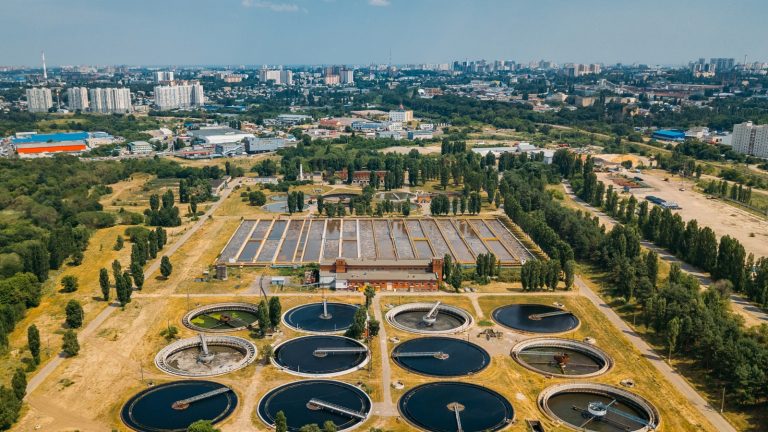
Water treatment plants form the backbone of industrial water supply systems, where large-scale dechlorination begins before water even reaches end-use facilities.
Role Of Water Treatment Plants In Water Quality Control
In the wider narrative of industrial water management, water treatment plants act as the origin point where raw input is transformed into usable water supplied for cities and industries.
Within these facilities, municipal water treatment processes introduce controlled doses of chlorine and chloramine to ensure microbial safety.
However, this protective measure creates a secondary challenge: industries receiving this chlorinated water must further refine it before use. This is where dechlorination techniques become essential.
As water exits the plant and travels through the distribution network, it enters a controlled system designed for safety, but not always for industrial precision.
To bridge this gap, industries rely on downstream water filtration, chemical dechlorinators, and advanced purification systems. Whether the water originates as tap water, processed spring water, or even stored bottled spring water for calibration and testing, it must be adjusted to meet operational standards.
The goal is to ensure stable dechlorinated water that supports manufacturing, cooling, and cleaning processes without chemical interference.
Dechlorination At The Main Water Line Level
The main water line is where municipal supply transitions into industrial responsibility.
At this stage, facilities often install inline systems that perform continuous dechlorination before water reaches production zones. This ensures that every litre entering the system is already treated.
Some facilities adopt a layered approach using water filter units combined with chemical dechlorinators to ensure redundancy. Others rely on undersink water filtration systems at critical distribution points, particularly where precision processes are involved.
In older systems, operators sometimes used simpler methods, such as filling an open container with tap water and letting it sit. This method relied on the natural chlorine evaporation process, where chlorine would gradually evaporate over time.
While still used in small-scale applications, modern industries prefer engineered solutions for consistency and compliance.
Challenges In Producing Dechlorinated Water In Industrial Systems
Despite advanced technologies, achieving consistent dechlorinated water output remains challenging due to variability in supply quality and system complexity.
Variability In Chlorine And Chloramine Levels
One of the biggest challenges in maintaining stable dechlorinated water is the fluctuating concentration of chlorine and chloramine in the incoming water supplied. Since municipal water treatment systems adjust dosing based on demand and contamination risk, industries often experience inconsistent input quality.
This variability directly affects dechlorination techniques, requiring constant monitoring and adjustment. Even small changes can impact water taste, chemical stability, and equipment performance.
In some cases, unexpected reactions between residual chemicals and industrial additives can disrupt production processes.
To manage this, facilities use automated sensors and adaptive dosing systems that regulate chemical dechlorinators in real time. These systems ensure that, regardless of fluctuations in input, output remains consistent and safe for industrial use.
Equipment Efficiency And Maintenance Issues
Another major challenge lies in maintaining the efficiency of water filtration systems over time. Components such as carbon-based water filter units, membranes in reverse osmosis water systems, and certified dechlorinating filter cartridges degrade with usage.
If not properly maintained, these systems can allow traces of chlorinated water to pass through, reducing overall efficiency. This can impact not only production quality but also equipment lifespan, especially in systems relying heavily on purified water cleaner output.
Facilities must also manage scaling and fouling caused by minerals in salt, iodised salt, and other dissolved substances. These deposits can reduce filtration efficiency and increase operational costs.
Regular maintenance and monitoring are therefore essential for sustaining high-quality dechlorinated output.
Future Of Dechlorination In Industrial Water Systems

The future of industrial dechlorination is moving toward smarter, more sustainable systems that integrate automation, monitoring, and hybrid purification technologies.
1. Smart Water Treatment Innovations
Emerging technologies are transforming how industries manage dechlorination techniques. Smart sensors embedded in water treatment plants and distribution systems now monitor chlorine levels in real time, adjusting treatment automatically.
These systems optimise chemical dechlorinators usage, ensuring minimal waste and maximum efficiency. Combined with AI-driven analytics, industries can predict fluctuations in chlorinated water quality and adjust processes before issues arise.
This shift ensures that dechlorinated water production becomes more predictable, reducing dependency on manual intervention and improving operational resilience.
2. Sustainable Water Filtration Technologies
Sustainability is now central to industrial water management. Advanced water filtration systems are being designed to reduce energy consumption while improving output quality. Technologies such as next-generation carbon-based water filter systems and high-efficiency reverse osmosis water units are leading this transformation.
These innovations ensure that industries can produce chlorine-free water with minimal environmental impact. Even traditional methods like boiling water or passive evaporative processes are being re-evaluated for hybrid integration in eco-conscious systems.
The result is a future where dechlorinated water is produced more efficiently, sustainably, and reliably across global industries.
From Pipes to Precision: Unlocking Smarter Water Control with Tigernix
Tigernix Smart Water Treatment Asset Software and Tigernix Smart Wastewater Asset Software help municipalities manage complex water infrastructure by improving visibility, control, and efficiency across treatment and distribution networks.
These systems support consistent dechlorinated water outcomes by tracking assets across the entire water treatment plant lifecycle. Their benefits include reduced downtime, improved compliance, and optimised water filtration processes across municipal systems.
AI And Automation For Dechlorinated Water In Industrial Systems
Tigernix software uses AI-driven monitoring and automation to regulate dechlorination techniques, ensuring stable removal of chlorine and chloramine in real time.
Our platform automatically adjusts chemical dosing and filtration workflows, improving consistency of dechlorinated water across main water line networks and supporting any industrial dechlorinating method with precision control.
Call for a free demo.
Tigernix- Keep The Water Quality High
The Industrial Journey From Chlorinated To Dechlorinated Water
The transformation from chlorinated water to high-quality dechlorinated water is not a single process but a structured industrial journey. It begins at water treatment plants, travels through the main water line, and evolves through layered systems of water filtration, chemical dechlorinators, and advanced technologies like reverse osmosis water systems.
Whether through engineered dechlorination techniques, certified filtration, or automated chemical dosing, industries ensure that every drop meets strict operational standards. The result is stable, reliable, and safe water that supports everything from manufacturing to human water consumption.
As you can see, modern industrial systems do not merely treat water; they refine it into a controlled resource, ensuring that every process downstream benefits from truly dechlorinated, consistent, and high-performance water quality.
FAQs About Chlorinated Water
Residual chlorine in water can severely damage RO membranes by oxidising polymer structures. Proper dechlorination techniques protect reverse osmosis water systems, extending membrane lifespan and maintaining consistent filtration efficiency across industrial water treatment plant operations and high-pressure purification processes.
Most industrial systems aim for near-zero free chlorine, typically below 0.1 mg/L, after dechlorination. This ensures safe downstream processing in water filtration systems and prevents corrosion, chemical interference, and taste alteration in drinking water and production-grade water supplied lines.
Chloramine is more stable than chlorine and requires enhanced chemical dechlorinators or catalytic carbon systems. Standard methods like simple filtration may not fully remove it, so advanced dechlorination techniques are necessary to achieve consistent chlorine-free water in industrial applications.
Higher water temperatures accelerate chlorine evaporation, improving passive dechlorination methods like open-air holding. However, temperature fluctuations can reduce chemical reaction stability, making controlled water filtration or automated dosing essential for maintaining consistent dechlorinated water quality in industrial environments.
When water is stored in a container or an open container, chlorine naturally dissipates over time. This ageing process supports basic dechlorination, but it is unreliable for industrial systems, which require controlled chemical dechlorinators or filtration for consistent water quality.