
Water scarcity, affecting four billion people worldwide, has become one of the most urgent global concerns for communities, industries, and governments. Rapid urbanisation, climate change, pollution, and population growth continue to place enormous pressure on global water resources. From declining groundwater levels to ageing water infrastructure, countries are struggling to ensure sustainable access to clean, safe water.
Today, modern water technologies are transforming how nations manage, conserve, and distribute water. Advanced systems for water treatment, smart monitoring tools, desalination innovations, and large-scale wastewater reuse initiatives are helping countries strengthen resilience against future water shortages. These innovations are not only improving water quality but also helping governments modernise public water system operations and ensure long-term sustainability.
This article explores how modern water technology solutions are helping solve global water scarcity challenges while improving efficiency, sustainability, and access to reliable drinking water.
We discover
- The Growing Global Water Scarcity Crisis
- How Water Technologies Are Transforming Global Water Management
- Water Treatment Technology and Safe Drinking Water
- Wastewater Reuse Is Becoming a Global Necessity
- Industrial Water Management and Sustainability
- Desalination Technologies Are Expanding Freshwater Supplies
- Smart Water Infrastructure Is Improving Efficiency
- Centralised and Decentralised Drinking Water Solutions
- The Role of Government Policies and Regulations
- Future Trends in Water Technologies
- FAQs About Water Technologies
The Growing Global Water Scarcity Crisis
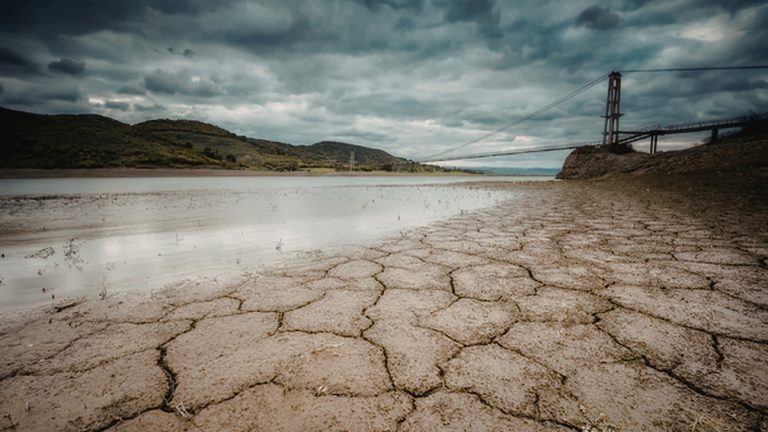
Water scarcity affects billions of people across developed and developing nations alike. Increasing demand for agriculture, industrial production, and urban development is placing pressure on existing water systems and natural source water supplies.
Many countries also face severe challenges caused by ageing water distribution systems, inefficient water utility operations, and inadequate water infrastructure finance.
In several regions, contaminated rivers, shrinking aquifers, and prolonged droughts have significantly reduced the availability of clean potable water.
Climate change further intensifies these issues by altering rainfall patterns, increasing evaporation, and reducing freshwater reserves stored in lakes and reservoir systems. As a result, governments and organisations are investing heavily in advanced drinking water technologies to improve resilience and sustainability.
Key Takeaways
- Water technologies are improving global water security by optimising treatment, reuse, and distribution systems.
- AI and automation are transforming traditional water infrastructure into efficient, real-time monitored digital systems.
- Wastewater reuse and advanced treatment processes are reducing pressure on freshwater resources worldwide.
- Smart water solutions help utilities improve water quality, reduce losses, and ensure long-term sustainability.
How Water Technologies Are Transforming Global Water Management
You may have noticed that modern water technologies are enabling countries to improve efficiency across the entire water lifecycle. From extraction and purification to recycling and delivery, innovative systems are helping maximise every available drop of water.
Advanced sensors, artificial intelligence, IoT monitoring, and predictive analytics are now integrated into modern water systems to improve operational performance. Smart technologies help utilities detect leaks, monitor contamination levels, optimise pressure management, and reduce unnecessary water loss.
Moreover, many governments are also modernising outdated water infrastructure to improve operational reliability. Upgraded pipelines, digital monitoring systems, and automated treatment facilities are reducing inefficiencies while enhancing long-term sustainability.
These innovations are especially important for large water utilities and urban regions where increasing population growth places additional pressure on ageing infrastructure.
Water Treatment Technology and Safe Drinking Water
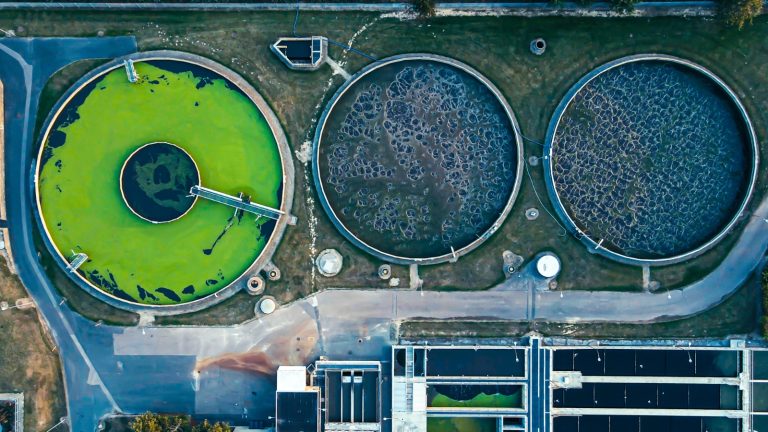
One of the most important applications of modern water treatment technology is ensuring safe and reliable drinking water for growing populations.
Advanced filtration systems, membrane technologies, ultraviolet disinfection, and chemical treatment solutions are significantly improving drinking water treatment capabilities worldwide. These technologies remove contaminants, bacteria, heavy metals, and harmful chemicals while improving overall water quality.
Modern water treatment facilities are also helping governments comply with strict drinking water regulations and strengthen public health protection. Many countries now prioritise investments in advanced purification systems to improve the reliability of centralised and decentralised treatment operations.
Also, innovative treatment solutions support rural communities that depend on private wells and decentralised systems for daily water access. Portable purification units, smart filtration devices, and compact treatment systems are expanding access to safe water in remote areas.
As demand continues to grow, scalable treatment technology solutions will remain essential for protecting public health and ensuring sustainable access to clean water.
Wastewater Reuse Is Becoming a Global Necessity
One of the most powerful strategies for addressing water scarcity is water reuse. Instead of discarding used water, modern treatment systems now convert wastewater into valuable reusable resources.
Countries facing severe droughts increasingly rely on wastewater reuse to supplement freshwater supplies. Through advanced purification processes, treated wastewater can safely support agriculture, industrial operations, landscaping, and even indirect potable applications.
Large-scale municipal wastewater reuse programmes are becoming increasingly common in urban environments where freshwater resources are limited. Modern wastewater treatment plant operations now integrate advanced biological treatment, membrane filtration, and disinfection systems to improve recycling efficiency.
In addition, advanced wastewater treatment technologies are enabling higher purification standards that support potable water reuse initiatives. These systems transform highly treated wastewater into safe water suitable for reintroduction into reservoirs, groundwater systems, or drinking water supplies.
When expanding water recycling programmes, cities can reduce dependence on freshwater extraction while strengthening long-term sustainability.
Industrial Water Management and Sustainability
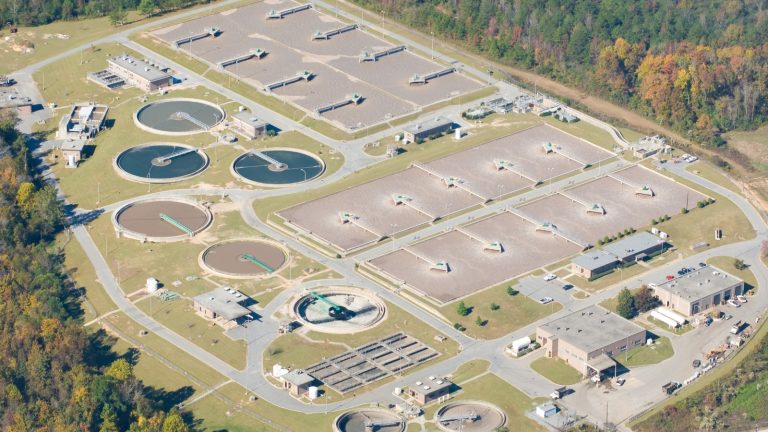
Did you know that modern industrial water management plays a major role in reducing global water stress? Manufacturing facilities, mining operations, energy plants, and processing industries consume enormous quantities of water every day.
This is where advanced industrial recycling systems help companies reduce consumption while improving operational efficiency. Smart treatment processes, closed-loop recycling systems, and automated monitoring tools allow industries to minimise waste and comply with strict environmental compliance standards.
Many industries now implement customised water management services to optimise usage and reduce operational risks. These services help organisations monitor consumption patterns, improve treatment efficiency, and strengthen sustainability initiatives.
Industrial facilities are also investing in innovative water technology solutions that support zero-liquid discharge operations and advanced reuse strategies. As environmental regulations continue to evolve, sustainable industrial water management will become even more important for global resource conservation.
Desalination Technologies Are Expanding Freshwater Supplies
It is not a secret that desalination is emerging as a critical solution for countries facing severe freshwater shortages. Modern solar desalination facility projects and energy-efficient membrane systems are helping transform seawater into usable freshwater resources.
Traditional desalination systems were often criticised for high energy consumption and operational costs. However, modern innovations in renewable energy integration, membrane efficiency, and automation are making desalination more sustainable and cost-effective.
Countries in the Middle East, Asia, Australia, and parts of Africa increasingly rely on desalination to support urban growth and improve drinking water delivery systems. Many governments are combining desalination plants with renewable energy sources to reduce environmental impact and improve long-term viability.
As climate change continues to threaten freshwater availability, desalination technologies will likely become a larger part of global water security strategies.
Smart Water Infrastructure Is Improving Efficiency
We must admit that smart infrastructure plays a crucial role in improving water conservation and operational performance. Ageing pipelines and inefficient systems cause massive water losses every year, especially in urban environments.
Modern digital monitoring systems help utilities detect leaks, monitor pressure, and optimise network performance in real time. Smart meters and predictive analytics also improve operational planning for municipal water utility providers.
Upgraded water distribution systems reduce non-revenue water losses while improving reliability for households and businesses. Intelligent monitoring platforms also support better maintenance planning, reducing costly emergency repairs and infrastructure failures.
Governments worldwide are increasing investment in water infrastructure finance to modernise outdated systems and improve resilience against climate-related disruptions.
Centralised and Decentralised Drinking Water Solutions
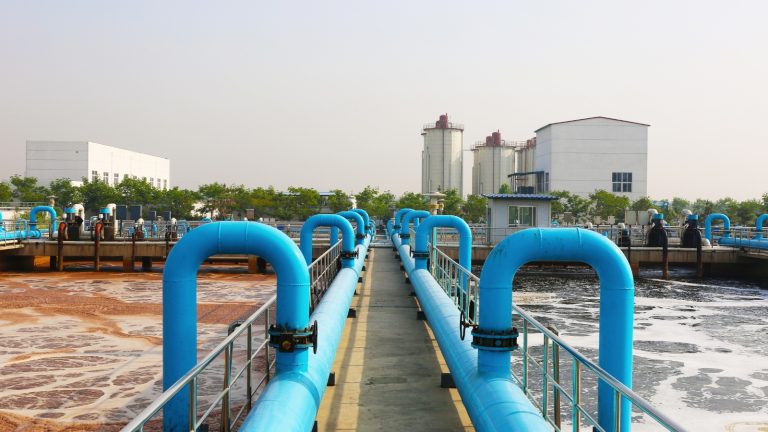
Many countries continue expanding centralised drinking water networks to serve growing urban populations. Large treatment facilities connected to extensive distribution pipelines remain the foundation of many national water strategies.
However, decentralised systems are also becoming increasingly important in rural and underserved areas. Smaller modular treatment units can provide localised purification while reducing infrastructure costs.
Modern public water system operators now combine centralised networks with flexible decentralised solutions to improve accessibility and operational resilience. This hybrid approach helps governments address regional challenges while improving reliability during droughts, disasters, or infrastructure failures.
Advanced monitoring systems also allow operators to maintain consistent water quality standards across multiple treatment locations.
The Role of Government Policies and Regulations
Strong regulations and policy frameworks are essential for sustainable water management. Governments worldwide are introducing stricter drinking water regulations to improve safety, encourage conservation, and support infrastructure modernisation.
Regulatory agencies also play a critical role in promoting water reuse, conservation initiatives, and sustainable wastewater management. Many countries now offer financial incentives and funding programmes to accelerate investments in modern infrastructure and advanced treatment technologies.
Public-private partnerships are also helping accelerate innovation in the global water sector. Collaboration between governments, technology providers, researchers, and utility operators supports the development of scalable and affordable solutions.
Long-term policy planning will remain essential as global demand for freshwater continues to rise.
Future Trends in Water Technologies
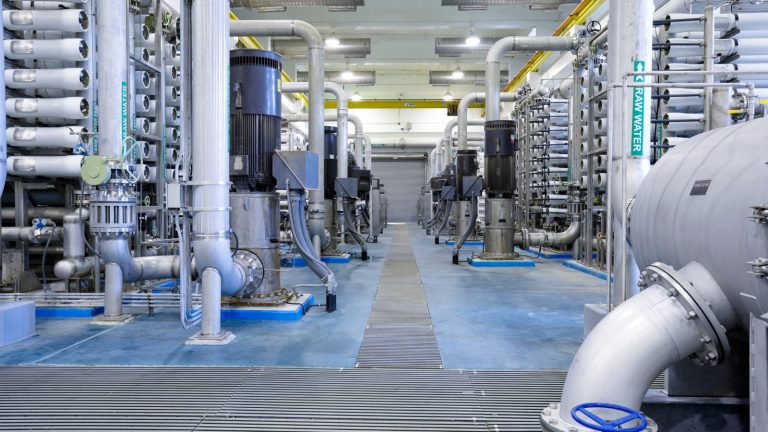
The future of water technologies will be shaped by digital transformation, sustainability, and climate resilience. Artificial intelligence, machine learning, and advanced analytics will continue improving operational efficiency across treatment facilities and distribution networks.
1. AI-Powered Leak Detection Systems
AI-powered leak detection systems are transforming modern water infrastructure by helping water utilities identify hidden pipeline failures before major losses occur.
Using sensors, machine learning, and predictive analytics, these advanced water technologies improve operational efficiency and reduce water waste.
Smart leak detection also strengthens water distribution systems and protects valuable water resources. Not to mention that it improves long-term water quality within both urban and rural public water system networks.
2. Smart Autonomous Treatment Facilities
Smart autonomous treatment facilities use automation, IoT monitoring, and artificial intelligence to optimise water treatment and wastewater treatment operations. These advanced facilities improve energy efficiency, reduce operational costs, and maintain consistent drinking water treatment standards.
Modern water technology also enables facilities to monitor contamination levels in real time, improve environmental compliance, and support sustainable municipal wastewater reuse initiatives for growing populations.
3. Energy-Efficient Desalination Processes
Energy-efficient desalination processes are helping countries address freshwater shortages while lowering operational costs and environmental impact.
Modern membrane systems and renewable-powered solar desalination facility projects improve the production of clean potable water from seawater sources.
These innovative drinking water technologies strengthen drinking water delivery systems and reduce pressure on natural source water. Eventually, they support sustainable water security strategies in drought-prone regions worldwide.
4. Real-Time Contamination Monitoring
Real-time contamination monitoring systems use smart sensors and automated analytics to continuously track water quality across treatment plants and water systems. These technologies help operators quickly identify pollutants, chemical imbalances, and microbial threats before they affect public health.
Advanced monitoring tools also improve compliance with drinking water regulations, strengthen public water system reliability, and support safer drinking water distribution for urban and industrial communities.
5. Advanced Membrane Filtration Systems
Advanced membrane filtration systems are improving global water treatment technology by removing contaminants, bacteria, heavy metals, and microplastics from water supplies. These systems enhance drinking water treatment, improve industrial purification processes, and support high-quality wastewater reuse programmes.
Modern membrane solutions are widely used in advanced wastewater treatment, desalination plants, and municipal wastewater facilities to maximise water recovery and improve sustainable resource management.
6. Sustainable Wastewater Treatment Innovations
Sustainable wastewater treatment innovations are helping cities reduce pollution while improving water conservation efforts.
Modern treatment processes convert treated wastewater into reusable resources suitable for industrial operations, agriculture, and environmental restoration.
Innovative biological systems, energy-efficient technologies, and smart automation tools are improving the performance of every wastewater treatment plant while supporting long-term municipal wastewater reuse.
Plus, they reduce environmental impact across urban regions.
7. Expanded Potable Water Reuse Programmes
Expanded potable water reuse programmes are becoming essential for countries facing growing water scarcity challenges. These programmes use advanced purification systems to transform highly treated wastewater into safe drinking water supplies.
Modern water technologies improve purification accuracy, strengthen public confidence, and reduce dependence on freshwater reservoir systems.
Potable reuse also supports sustainable water management services and improves resilience against climate-related water shortages.
Tigernix Smart Water Asset Software for Modern Water Infrastructure Management
Tigernix Smart Water Asset Software helps Australian water utilities modernise ageing water infrastructure through centralised asset visibility, predictive maintenance, and real-time monitoring.
Our platform improves water quality management, reduces operational downtime, strengthens compliance, and enhances decision-making across reservoirs, pipelines, pumps, and water treatment facilities while supporting sustainable infrastructure planning and long-term operational efficiency through Industry 4.0 powers.
AI and Automation Capabilities for Digital Water Treatment Facilities
Tigernix Smart Water Asset Software integrates AI-driven analytics, IoT integration, and automation tools to transform traditional water treatment facilities into fully digitalised operations. The solution automates asset inspections, detects failures early, optimises maintenance scheduling, and improves wastewater treatment efficiency.
Its real-time dashboards and intelligent monitoring systems help utilities improve performance, reduce manual processes, and strengthen smart water infrastructure management.
Call for a personalised demo now.
Tigernix- Number One Water Technology Partner
From Water Crisis to Water Intelligence: Building the Future With Smart Technologies
We must admit that global water scarcity is one of the defining challenges of the modern era, but innovative water technologies are creating new opportunities for sustainable water management. From advanced water treatment systems and wastewater reuse programmes to smart infrastructure and desalination facilities, modern solutions are helping countries improve efficiency, resilience, and long-term water security.
Governments, industries, and communities must continue investing in modern water infrastructure, sustainable policies, and advanced treatment systems to protect future generations. Whether through improved water utility management, smarter water distribution systems, or innovative drinking water technologies, technology will remain at the centre of solving global water scarcity challenges.
One thing is certain: The future of water sustainability depends on collaboration, innovation, and a commitment to protecting one of the world’s most valuable resources.
FAQs About Water Technologies
Water technologies are used to improve water treatment, wastewater reuse, leak detection, desalination, and water distribution systems. These technologies help utilities optimise operations, enhance water quality, reduce water loss, and strengthen long-term water sustainability through automation, AI monitoring, and smart infrastructure management across urban and industrial environments.
Advanced water technologies improve wastewater reuse through membrane filtration, UV disinfection, biological treatment, and real-time monitoring systems. These processes convert treated wastewater into reusable water for industrial applications, irrigation, and potable water reuse programmes while helping reduce freshwater demand and supporting sustainable water resource management strategies.
AI in smart water technology systems helps utilities monitor infrastructure performance, predict equipment failures, detect pipeline leaks, and optimise treatment operations. Artificial intelligence improves decision-making through real-time analytics, reduces operational costs, enhances water quality management, and supports efficient drinking water delivery across complex water distribution networks.
Water treatment technology supports drinking water safety by removing contaminants, pathogens, heavy metals, and chemical pollutants from source water supplies. Advanced filtration, reverse osmosis, UV treatment, and automated monitoring systems help utilities maintain regulatory compliance while improving drinking water quality and protecting public health in centralised water systems.
Potable water reuse is important because it transforms highly treated wastewater into safe drinking water sources through advanced purification technologies. This process reduces dependence on freshwater reservoirs, improves water sustainability, strengthens drought resilience, and helps countries address the growing water scarcity challenges driven by climate change and population growth.