It is not a secret that Australia’s water sector is under pressure, with ageing infrastructure, climate variability, and rising demand reshaping how utilities operate. As reported, over 68% of Australian utilities are increasing investment in digital infrastructure to improve reliability and reduce losses. That shift makes choosing the right smart water asset management platform a long-term operational strategy that directly impacts resilience, compliance, and cost control.
In this article, we explore how to select a smart water asset management platform for Australian water corporations.
We look into
- Why Platform Selection Is a Critical Decision
- Understanding Your Asset Coverage Requirements
- Must-Have Feature 1 — Predictive and Prescriptive Analytics
- Must-Have Feature 2 — IIoT Sensor Integration
- Must-Have Feature 3 — Digital Twin Simulation
- Must-Have Feature 4 — GIS and Spatial Mapping
- Must-Have Feature 5 — SCADA and System Integration
- How to Evaluate Regulatory Compliance Capabilities
- How to Assess Platform Scalability and Flexibility
- How to Evaluate Vendor Capability and Support
- Common Mistakes When Selecting a Platform
- How to Build a Platform Evaluation Framework
- FAQs About Smart Water Asset Management Platform
Why Platform Selection Is a Critical Decision
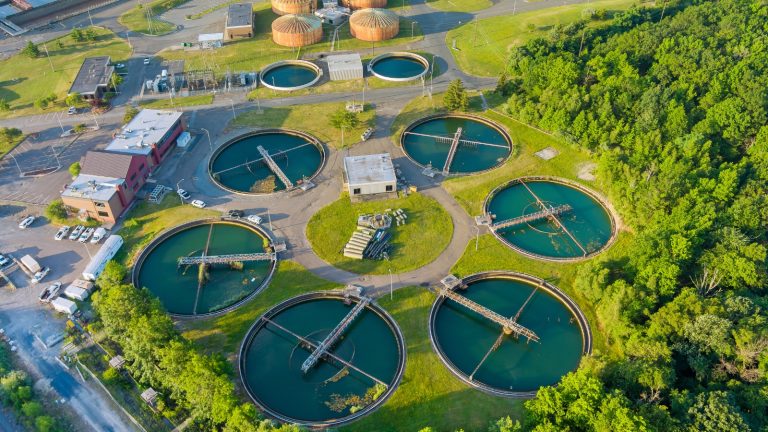
Choosing the right platform determines how effectively utilities manage risk, optimise assets, and meet compliance demands.
Key Takeaways
- Choosing the right smart water asset management platform is critical for long-term efficiency, compliance, and infrastructure resilience.
- Advanced capabilities like predictive analytics, IIoT, and digital twins enable proactive maintenance and reduce operational risks.
- Seamless integration with SCADA, GIS, and enterprise systems ensures unified visibility and better decision-making.
- A structured evaluation framework and strong vendor support are essential for successful implementation and scalability.
The Cost of Choosing the Wrong Platform
Selecting the wrong smart water asset management platform usually leads to fragmented data, rising operational costs, and poor decision-making. Utilities may face increased downtime due to a lack of predictive insights and inefficient workflows.
Over time, this results in higher maintenance costs and reduced asset lifespan.
Additionally, replacing a poorly chosen system is expensive and disruptive, affecting both field operations and customer service reliability.
Australian Water Corporations' Unique Asset Complexity
An Australian water corporation’s digital platform must handle diverse assets, from dams to pipelines across vast geographies. Systems must support catchment asset management, distribution asset management, reticulation management, and treatment asset management simultaneously.
This complexity is amplified by climate variability and ageing infrastructure.
Without a unified approach, utilities struggle to maintain consistency in monitoring, reporting, and performance across these interconnected asset classes.
Moving Beyond SCADA and Manual Inspection
Traditional tools like SCADA systems and manual inspections alone are no longer sufficient.
While SCADA integration enables real-time control, it lacks predictive capabilities. Manual inspections are slow and reactive. A modern water asset management system integrates both operational data and analytics, and it allows utilities to move from reactive maintenance toward proactive strategies that reduce failures and improve long-term planning outcomes.
What a Modern Water Platform Must Deliver
Today’s water utility software must provide end-to-end visibility, combining data from sensors, field teams, and historical records.
A robust digital water solution supports automation, advanced analytics, and scalability. It should also integrate seamlessly with legacy systems while offering capabilities such as real-time and remote monitoring and advanced reporting to improve operational efficiency and ensure long-term sustainability.
Understanding Your Asset Coverage Requirements
Defining asset scope ensures the platform can manage all infrastructure layers without gaps.
Catchment, Distribution, Reticulation, And Treatment
Water utilities operate across multiple domains, requiring a platform that supports the entire lifecycle. From catchment asset management to treatment and delivery, each stage has unique requirements.
Effective systems also address wastewater asset management and ensure performance across interconnected networks. Without full coverage, utilities risk inefficiencies and missed insights across critical infrastructure segments.
Mapping Asset Classes Before Evaluating Platforms
Before selecting a smart water asset management platform, utilities must conduct a detailed asset inventory. This includes pipelines, pumps, reservoirs, and treatment plants.
A thorough asset condition assessment helps prioritise critical assets and identify vulnerabilities. Mapping these classes ensures that the chosen platform aligns with operational needs and effectively supports both maintenance and capital planning strategies.
Single-Platform Vs Multi-Module Solutions
Utilities often debate between unified platforms and modular solutions. A single smart water asset platform offers seamless data integration and a unified user experience.
In contrast, multi-module systems may provide flexibility but can create silos. A unified water asset management software Australia solution ensures consistent data flow and simplifies system management, reducing complexity and improving decision-making speed.
Why Coverage Gaps Create Blind Spots
Incomplete asset coverage leads to operational blind spots.
Missing data from certain asset classes can result in inaccurate forecasting and delayed response to issues like non-revenue water losses.
These gaps reduce visibility into system performance and hinder effective planning. A comprehensive platform ensures all assets are monitored, enabling better risk management and improved service delivery.
Must-Have Feature 1 — Predictive and Prescriptive Analytics

Advanced analytics enable utilities to anticipate failures and optimise maintenance strategies.
AI Models Predicting Pipe and Asset Failures
Modern platforms use machine learning water techniques to build advanced predictive models. These include AI pipe failure model capabilities that analyse historical data, environmental conditions, and operational metrics.
Such models improve pipe burst prediction accuracy, helping utilities address issues before they escalate. This proactive approach reduces downtime and significantly extends asset lifespan.
Prescriptive Recommendations Guiding Maintenance Decisions
Beyond prediction, platforms must offer prescriptive analytics that recommend specific actions.
These insights guide maintenance teams on when and how to intervene.
A strong predictive analytics water platform not only identifies risks but also suggests optimal solutions, ensuring that resources are used efficiently and that maintenance activities deliver maximum impact.
Reducing Unplanned Failures With Forward-Looking Data
Using predictive analytics, water utilities can shift from reactive to proactive maintenance. Forward-looking data identifies trends and anomalies, enabling early intervention. Combined with anomaly detection, this approach significantly reduces unexpected failures.
It also improves operational efficiency by allowing teams to plan maintenance schedules based on risk rather than routine.
10-Year Investment Profiling for Capital Planning
Long-term planning is critical for infrastructure sustainability.
Platforms should support a detailed 10-year investment profile to help utilities forecast capital expenditure needs. This includes analysing asset performance trends and prioritising replacements.
Such insights ensure financial resources are allocated effectively, supporting both operational reliability and long-term infrastructure resilience.
Must-Have Feature 2 — IIoT Sensor Integration
Seamless sensor connectivity ensures continuous data flow and real-time operational visibility.
Real-Time Data From Pressure and Flow Sensors
A modern smart water asset management platform must support robust IIoT sensor integration to collect continuous data from field devices. Pressure and flow sensors provide insights into network performance, enabling utilities to detect inefficiencies early.
This data supports real-time monitoring, enabling operators to respond quickly to fluctuations and maintain optimal system performance across large, complex networks.
Acoustic Sensors Detecting Leaks Continuously
Acoustic sensors play a key role in identifying leaks that are not visible on the surface. Integrated within an IIoT water asset platform in Australia, these sensors listen for abnormal sound patterns in pipelines.
As you can see, this enables early detection of leaks, reducing water loss and operational costs. Continuous monitoring also supports proactive maintenance, improving overall network efficiency and reducing the impact of hidden infrastructure issues.
Pump Station Performance Monitoring Remotely
Remote visibility into assets is essential for efficient operations. With advanced pump station monitoring, utilities can track performance metrics such as energy usage, flow rates, and operational status.
This level of remote monitoring reduces the need for manual inspections and ensures issues are identified early. It also enhances workforce productivity by enabling centralised control over distributed assets.
Automated Threshold Alerts for Abnormal Readings
Automated alerts are critical for managing large-scale infrastructure. A capable platform uses thresholds to detect irregular patterns and trigger notifications instantly. This supports rapid response to anomalies and reduces the risk of system failures.
Combined with advanced analytics, these alerts enhance decision-making and ensure operational continuity, even under changing environmental and demand conditions.
Must-Have Feature 3 — Digital Twin Simulation
Digital twins provide a virtual replica of assets for safe testing and scenario planning.
Replicating the Full Water Network Virtually
A digital twin water management platform creates a virtual representation of the entire water network.
This includes pipelines, treatment facilities, and reservoirs. Using digital twin water capabilities, utilities can visualise asset performance and interactions in real time.
This holistic view improves understanding of system dynamics and supports better planning and operational decisions.
Simulating Failure and Flood Scenarios Safely
Digital twins allow utilities to simulate extreme scenarios without real-world risk. By integrating hydraulic modelling, operators can test how the system responds to failures, floods, or demand spikes.
These simulations help identify vulnerabilities and improve preparedness.
As a result, utilities can develop more effective contingency plans and enhance system resilience.
Testing Maintenance Strategies Before Deployment
Before implementing maintenance actions, utilities can test strategies within the digital twin environment. This ensures interventions are effective and do not disrupt operations. When they analyse outcomes in a controlled setting, utilities can refine approaches and minimise risk.
This capability supports smarter decision-making and optimises resource allocation.
Live Sync Between Digital Twin and Real Assets
For maximum value, digital twins must remain synchronised with real-world data.
Continuous updates from sensors and operational systems ensure accuracy. This live connection allows utilities to monitor performance, predict issues, and adjust strategies dynamically.
It also strengthens the link between planning and execution, improving overall efficiency.
Must-Have Feature 4 — GIS and Spatial Mapping
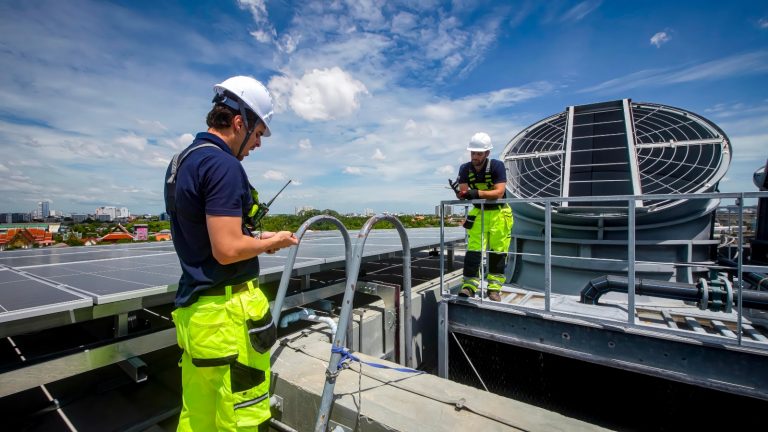
Spatial intelligence enables better asset visibility, risk analysis, and decision-making.
Mapping Assets by Location and Condition
There is no doubt that a smart water asset management platform should integrate advanced GIS mapping water capabilities. This allows utilities to visualise assets based on location, condition, and performance.
Mapping improves situational awareness and helps teams quickly identify critical assets. It also supports better coordination between field and operational teams, enhancing efficiency and response times.
Visualising Failure Risk Zones Network-Wide
GIS tools enable utilities to identify high-risk areas across the network. By analysing asset data and environmental factors, operators can visualise zones prone to failure. This supports targeted maintenance and reduces the likelihood of unexpected disruptions.
It also enhances planning by providing a clear picture of network vulnerabilities.
Overlaying Soil, Climate, and Pressure Data
Combining multiple data layers provides deeper insights into asset performance. Soil type, climate conditions, and pressure levels all influence infrastructure health.
When overlaying these factors, utilities can better understand failure patterns and optimise maintenance strategies.
This integrated approach improves accuracy in forecasting and risk management.
ArcGIS-Compatible Mapping for Field Teams
Compatibility with industry-standard tools is essential. Platforms that integrate with ArcGIS enable seamless data sharing between systems.
Field teams can access accurate maps and asset data in real time, improving efficiency and reducing errors. This ensures better coordination and enhances overall operational effectiveness.
Must-Have Feature 5 — SCADA and System Integration
Integration ensures seamless data flow across operational and enterprise systems.
Seamless SCADA Data Integration Without Disruption
A strong SCADA integration water asset platform must connect with existing SCADA systems without interrupting operations. This ensures continuity while enhancing functionality.
Since it combines SCADA data with advanced analytics, utilities gain deeper insights into system performance. This integration bridges the gap between operational control and strategic planning.
Middleware Compatibility With Legacy Systems
Legacy systems remain critical in many utilities.
This is why platforms must support SCADA middleware to enable smooth data exchange between old and new technologies. This ensures a gradual transition without disrupting operations.
Middleware acts as a bridge, allowing utilities to modernise while preserving existing investments.
ERP and CMMS Data Flowing Into the Platform
Integration with enterprise systems, such as ERP and CMMS, ensures that all data is centralised. This creates a unified view of operations, maintenance, and financial performance. By consolidating information, utilities can improve decision-making and streamline workflows.
It also enhances collaboration across departments.
Unified Single-Pane-of-Glass Operational View
A single interface that displays all relevant data simplifies operations. This ‘single-pane-of-glass’ view provides real-time insights into asset performance, maintenance activities, and system status.
It reduces complexity and improves situational awareness, enabling faster and more informed decisions across the organisation.
How to Evaluate Regulatory Compliance Capabilities
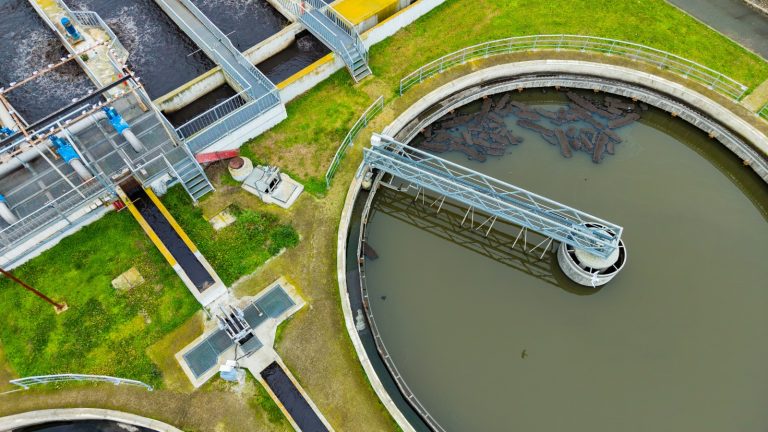
Strong compliance features help utilities meet strict regulations while maintaining operational transparency
EPA Asset Management Compliance Tools
A capable platform should embed EPA asset management requirements directly into workflows. This ensures that maintenance activities, inspections, and reporting align with environmental standards.
Built-in compliance tools reduce manual effort and minimise the risk of non-compliance. They also provide structured frameworks that help utilities maintain consistent documentation and demonstrate adherence during audits.
WSAA Guideline-Aligned Reporting Features
Alignment with WSAA guidelines is essential for Australian utilities.
Reporting tools must generate standardised outputs that reflect industry benchmarks and best practices.
This ensures consistency across operations and simplifies regulatory submissions. Structured reporting also helps management teams assess performance and identify areas for improvement while maintaining alignment with national expectations.
Automated Audit Trails for Regulatory Inspections
An advanced platform should automatically record every action, creating detailed audit trails. These logs support transparency and accountability, making regulatory inspections smoother. Automation ensures that no critical data is missed, reducing administrative workload.
Clear audit trails also help utilities quickly respond to compliance queries and maintain confidence with regulators.
Water Quality Compliance Monitoring and Alerts
Maintaining water quality compliance requires continuous oversight. Platforms must monitor key parameters and trigger alerts when thresholds are exceeded.
This ensures rapid response to potential risks and protects public health.
Automated monitoring also supports long-term trend analysis, helping utilities improve treatment processes and consistently maintain high standards.
How to Assess Platform Scalability and Flexibility
Scalability ensures the platform can grow with operational demands and evolving infrastructure needs.
Modular Design for Phased Adoption
A modular approach allows utilities to implement features gradually, reducing risk and cost. This aligns with platform scalability requirements, enabling organisations to expand capabilities as needed.
Phased adoption ensures smoother transitions and allows teams to adapt to new systems without overwhelming existing operations or resources.
Scaling From One Class to Full Networks
Platforms must support expansion from a single asset class to an entire network. This flexibility ensures that utilities can start small and scale over time.
A well-designed system accommodates increasing data volumes and complexity without compromising performance, making it suitable for long-term growth strategies.
Cloud-Based Architecture for Remote Access
A cloud-based water platform provides secure, remote access to data and applications. This supports distributed teams and enhances operational efficiency.
Cloud infrastructure also ensures scalability, allowing utilities to handle growing datasets and integrate new technologies without major system overhauls.
Customisation to Each Corporation's Needs
Every utility has unique requirements, so platforms must offer customisation options. Tailored workflows, dashboards, and analytics ensure the system aligns with operational goals.
Flexibility in configuration allows utilities to address specific challenges and optimise performance across diverse asset portfolios.
How to Evaluate Vendor Capability and Support
Vendor expertise and support services are critical to successful platform implementation and long-term value.
Proven Australian Water Utility Deployments
Vendors with a strong track record in Australia understand local challenges and regulatory requirements. Proven deployments demonstrate reliability and effectiveness.
Utilities should prioritise partners with experience delivering solutions tailored to the Australian context, ensuring smoother implementation and better outcomes.
Domain Expertise in Water Asset Management
Deep knowledge of the water sector is essential.
Vendors must understand asset lifecycles, operational challenges, and regulatory frameworks. Strong domain expertise ensures the platform addresses real-world needs and delivers practical value, rather than generic functionality.
Implementation Support and Change Management
Successful deployment requires structured support and effective change management. Vendors should provide training, onboarding, and ongoing assistance. This ensures staff can adopt the platform and maximise its benefits.
Proper support also reduces resistance to change and improves overall project success.
Ongoing Updates and Regulatory Alignment
Regulations and technologies evolve, so platforms must stay up to date. Vendors should offer regular updates that reflect new standards and innovations.
Continuous improvement ensures the system remains relevant and supports long-term operational efficiency.
Common Mistakes When Selecting a Platform
Avoiding common pitfalls helps utilities choose a platform that delivers long-term value and performance.
Choosing Price Over Capability Fit
Focusing only on cost often leads to poor outcomes. A cheaper platform may lack essential features, resulting in higher long-term expenses.
Utilities should prioritise value and functionality, ensuring the system meets operational and strategic needs rather than just budget constraints.
Ignoring SCADA and Legacy Integration Needs
Overlooking SCADA integration requirements can create major operational challenges.
Platforms must work seamlessly with existing systems to ensure continuity. Ignoring this aspect leads to data silos and inefficiencies, reducing the overall effectiveness of the solution.
Underestimating Implementation Complexity and Timeline
Implementation is often more complex than expected. Utilities may underestimate the time and resources required, leading to delays and budget overruns.
Proper planning and realistic timelines are essential to ensure successful deployment and minimise disruptions.
Selecting Siloed Tools Over Unified Platforms
Choosing multiple disconnected tools creates data silos and inefficiencies.
A unified platform provides better integration and a holistic view of operations.
This improves decision-making and reduces complexity, ensuring smoother workflows across the organisation.
How to Build a Platform Evaluation Framework

A structured evaluation framework helps utilities make informed decisions based on clear criteria.
Defining Must-Have vs Nice-to-Have Features
Clear prioritisation is essential when evaluating platforms.
Utilities should identify critical features required for operations and differentiate them from optional capabilities. This ensures focus remains on core needs and prevents unnecessary complexity during selection.
Scoring Vendors Against Weighted Criteria
Using vendor evaluation criteria, utilities can objectively compare platforms. Assigning weights to different factors ensures decisions are based on strategic priorities.
This structured approach reduces bias and improves transparency in the selection process.
Running a Pilot or Proof-of-Concept First
Testing platforms through a pilot project provides valuable insights. It allows utilities to assess performance, usability, and integration capabilities in a real-world setting.
This reduces risk and ensures the chosen solution meets expectations before full deployment.
Involving Field Operators in Evaluation
Field operators bring practical insights into system usability and functionality. Their involvement ensures the platform meets real operational needs.
Engaging end users during evaluation also improves adoption and ensures smoother implementation.
Why Choose Tigernix as Your Water Asset Platform?
Tigernix offers a comprehensive, integrated solution, ‘Tigernix Water Asset Software’, designed specifically for water utilities.
End-to-End Coverage From Catchment to Consumer
Tigernix provides full coverage across the water lifecycle, from source to delivery. This includes support for dam wall monitoring and network operations.
Comprehensive coverage ensures all assets are managed within a single system, improving visibility and efficiency.
AI, Digital Twin, IIoT, and GIS All Integrated
The Tigernix platform combines advanced technologies such as digital twin water, analytics, and sensor data. Integration ensures seamless data flow and enhanced decision-making.
This holistic approach enables utilities to optimise operations and improve performance across the network.
Seamless SCADA Integration Without Operational Disruption
Tigernix ensures smooth SCADA integration, allowing utilities to enhance capabilities without affecting existing operations.
This approach minimises risk and ensures continuity while enabling access to advanced analytics and insights.
10-Year Investment Profiling and Compliance Built In
Our Industry 4.0- powered software platform supports long-term planning through detailed forecasting tools. Built-in compliance features ensure alignment with regulatory requirements, including regulatory compliance water standards. This combination helps utilities maintain reliability and meet obligations effectively.
Trusted by Australian Water Utilities Since 2004
With decades of experience, Tigernix has built a strong reputation in the industry. Our solutions are designed specifically for Australian utilities, ensuring relevance and reliability.
This track record provides confidence in the platform’s ability to deliver long-term value.
Tigernix- Save Every Drop of Water
Ready to Select the Right Water Asset Platform?
Taking the next step ensures your utility is equipped to meet future challenges and support growth.
Consult Tigernix Water Asset Specialists Today
Expert guidance helps utilities navigate complex decisions and identify the right solution. Tigernix specialists provide tailored advice based on operational needs and strategic goals, ensuring the best fit for each organisation.
Book a demo for free.
Explore the Full Tigernix Water Solution Suite
Exploring the complete offering helps utilities understand the platform’s full capabilities. This includes tools for analytics, monitoring, and integration, all designed to enhance performance and efficiency.
Build a Smarter, More Resilient Water Network
As you can see, investing in the right platform strengthens water infrastructure resilience. Advanced tools and insights enable utilities to adapt to changing conditions, improve service delivery, and ensure sustainable operations for the future.
FAQs About Smart Water Asset Management Platform
A smart water asset management platform is used to monitor, analyse, and optimise water infrastructure across distribution, treatment, and storage networks. It integrates sensor data, GIS, and analytics to improve maintenance planning, reduce failures, and support data-driven decision-making for utilities.
A smart water asset management platform uses machine learning and predictive analytics to analyse pressure changes, historical failures, and soil conditions. This enables early detection of weak points and improves pipe burst prediction accuracy, helping utilities schedule maintenance before costly failures occur.
Yes, a smart water asset management platform integrates with SCADA through middleware and APIs. It collects real-time operational data without disrupting existing systems. This integration enhances visibility, supports automated alerts, and combines control data with advanced analytics for better operational decision-making.
A smart water asset management platform collects real-time data, including pressure, flow rate, vibration, and acoustic signals, from IIoT sensors. This data helps detect leaks, monitor pump performance, and identify anomalies early, improving network reliability and reducing water losses.
A smart water asset management platform supports regulatory compliance by automating audit trails, generating WSAA-aligned reports, and monitoring water quality parameters. It ensures utilities meet EPA asset management requirements and maintain consistent documentation for inspections and regulatory submissions.