

Did you know that weather itself could slowly break down one of a country’s most critical systems? Across Australia, shifting climate patterns are now putting intense pressure on pipes, pumps, and treatment networks. According to the Bureau of Meteorology, Australia has warmed by about 1.5°C since 1910, and this rise is already reshaping rainfall, drought cycles, and flood intensity.
These changes are accelerating water asset deterioration in ways that were once rare but are now becoming commonplace. From dry ground cracking pipes to heavy rain overwhelming drains, the system is under constant stress.
In this article, we explore how climate change accelerates water asset deterioration across Australia.
The article covers
- Why Climate Change Is A Water Infrastructure Crisis
- How Drought Damages Water Assets
- How Flooding And Extreme Rainfall Accelerate Deterioration
- How Extreme Heat Degrades Water Assets
- How Sea Level Rise Threatens Coastal Assets
- How Ageing Infrastructure Compounds Climate Damage
- How Climate Change Affects Water Quality
- Which Asset Classes Are Most Vulnerable?
- How IIoT Sensors Detect Climate-Driven Damage
- How Predictive Analytics Protects Water Assets
- What Digital Technologies Build Climate Resilience?
- How To Build A Climate-Resilient Asset Strategy
- FAQs About Water Asset Deterioration
Why Climate Change Is a Water Infrastructure Crisis
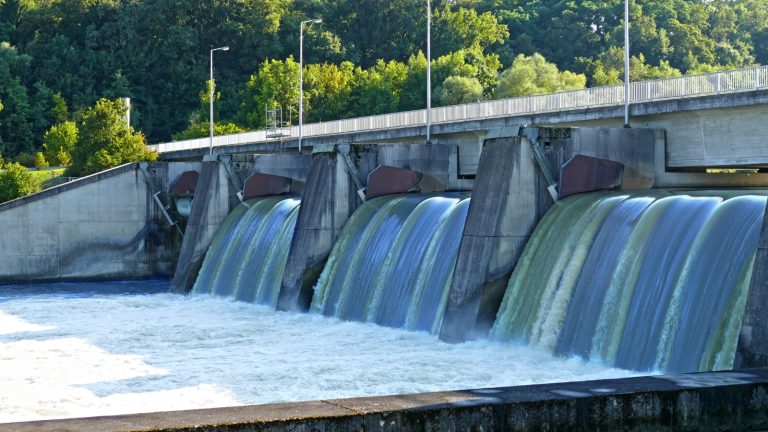
Climate change is no longer just an environmental issue in Australia. It has become a direct infrastructure problem. Water systems were built for stable weather patterns, but today those patterns are unpredictable and extreme. This shift is quietly increasing failures, leaks, and system overloads across cities and regional areas.
Key Takeaways
- Climate change is rapidly accelerating water asset deterioration across Australia.
- Drought, floods, heat, and sea level rise are key drivers of infrastructure damage.
- Ageing networks are more vulnerable to climate stress and failure.
- Water quality is declining due to extreme and unpredictable environmental conditions.
Australia’s Worsening Climate Stress
Australia is experiencing stronger heatwaves, longer dry spells, and heavier rainfall events all at once.
This mix creates a tough environment for infrastructure planning. The growing instability, often referred to as climate change, means water infrastructure in Australia must now handle both drought and flood within short timeframes.
When soils expand and contract rapidly, buried pipes shift and weaken.
Over time, this leads to structural strain that shortens service life and increases repair frequency across entire networks.
Compound Effects on Asset Damage
One of the biggest challenges is that climate stress does not act alone.
Heat, drought, and heavy rainfall often occur in cycles, compounding damage instead of resetting it. This leads to faster water asset deterioration because each event builds on the damage of the last.
For example, dry soil cracks pipes, then sudden rain causes ground movement that worsens those cracks. The result is a continuous cycle of weakening systems that struggle to recover before the next extreme event arrives.
Why Reactive Maintenance Falls Short
Traditional repair approaches focus on fixing problems after they appear.
However, this reactive model cannot keep up with modern climate pressures. Systems are now failing faster than they can be repaired, especially in older networks. This is why water asset deterioration continues to accelerate even with regular maintenance budgets.
Without forecasting tools or early warnings, utilities often respond too late, leading to higher costs, longer outages, and repeated breakdowns in the same locations.
How Drought Damages Water Assets
Drought is one of the most destructive forces acting on Australia’s water systems. It does not always cause immediate visible damage, but its long-term effects weaken infrastructure from the ground up. Dry soils, reduced water flow, and chemical changes all combine to stress buried systems.
Ground Movement Cracking Pipes
During drought conditions, the soil loses moisture and shrinks. This movement places pressure on buried pipes, especially older ones.
As the ground contracts, pipes can bend, crack, or separate at joints. This is a major driver of water pipe corrosion Australia, where exposed sections become vulnerable to oxidation and wear.
Over time, repeated dry cycles cause small fractures to grow, eventually leading to full pipe failure and costly emergency repairs.
Reduced Inflows Stressing Catchments
Drought reduces the amount of water flowing into reservoirs and catchments, creating imbalance in supply systems. This situation, often described as a drought affecting water assets, forces utilities to operate under lower-pressure conditions.
Reduced inflows also concentrate pollutants, making treatment more difficult.
When systems operate outside their designed flow ranges, pumps and valves wear unevenly, shortening their operational life and increasing the risk of breakdowns.
Drought-Driven Salinity Corroding Pipework
Long dry periods increase salt concentration in both surface and groundwater. This accelerates internal corrosion in metal pipes and fittings.
In some regions, this has become a growing concern for infrastructure managers dealing with ageing water assets Australia. Salty conditions speed up internal degradation and reduce the lifespan of critical assets.
With time, this hidden corrosion can weaken entire pipe networks before visible leaks even appear.
Drought Frequency Projections by 2050
Climate projections suggest droughts will become more frequent and intense across many parts of Australia by 2050.
Longer dry cycles mean infrastructure will have less recovery time between stress events. This increases the risk of repeated water asset deterioration, especially in rural and semi-arid regions.
As soil conditions become more extreme, utilities will need stronger monitoring and planning systems to keep networks stable under long-term dry pressure.
How Flooding and Extreme Rainfall Accelerate Deterioration
Flooding events place sudden and extreme pressure on water systems. Unlike slow drought damage, floods cause rapid failures, contamination, and structural overload in a very short time. Australia’s increasing rainfall variability makes this a growing concern for asset managers.
- Flash Flooding Overwhelming Ageing Systems
When heavy rain falls in a short period, drainage systems can quickly become overwhelmed. This is especially true for older infrastructure that was not designed for modern weather extremes.
The result is widespread flood damage to water infrastructure, where pipes, drains, and channels overflow or collapse under pressure.
In urban areas, flash flooding can also lead to surface erosion that exposes underground assets and increases repair complexity.
- Sediment and Contamination in Treatment Plants
Heavy rainfall washes large amounts of sediment, debris, and pollutants into water treatment systems. This increases operational strain and reduces efficiency.
One common issue is catchment contamination, where runoff carries unwanted materials into reservoirs. Treatment plants must then work harder to maintain safe output levels, increasing energy use and chemical treatment costs.
This way, repeated contamination events reduce system reliability and increase maintenance demands.
- Pressure Spikes Causing Pipe Bursts
Sudden rainfall can create sharp pressure changes in pipelines.
When water flows rapidly through constrained systems, weak points may fail, leading to bursts or leaks. This contributes directly to pipe burst incidents across urban networks.
These pressure spikes are especially damaging in older systems where joints and seals have already weakened. Without early detection systems, bursts often occur unexpectedly, causing service disruptions and repair delays.
- Wetting and Drying Weakening Pipe Materials
Repeated cycles of wet and dry conditions weaken pipe materials over time. This is particularly damaging in areas that experience both drought and flood. Materials expand during wet periods and contract during dry spells, leading to stress fractures. This cycle accelerates concrete pipe degradation, especially in older infrastructure.
In this context, even strong materials lose structural integrity, making them more prone to collapse under pressure.
How Extreme Heat Degrades Water Assets
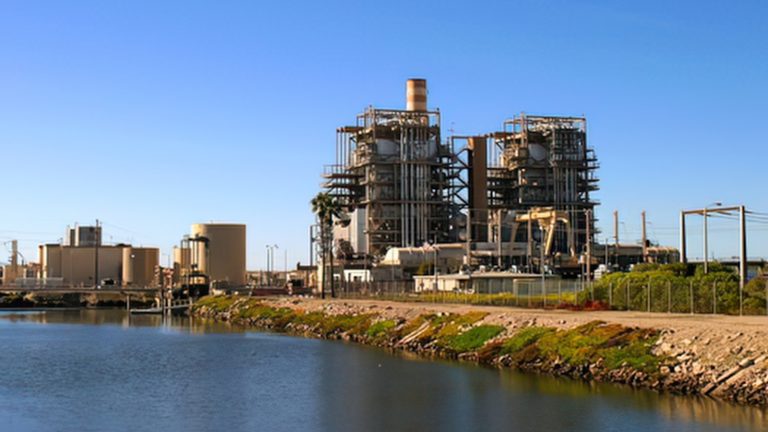
Extreme heat is becoming a silent but powerful driver of system failure across Australia. High temperatures accelerate chemical reactions, dry out soils, and increase biological activity in pipelines and sewers.
Hydrogen Sulphide Production In Sewers
Hot weather increases microbial activity in wastewater systems, which leads to the production of harmful gases.
One major concern is hydrogen sulphide corrosion, in which the gas forms in low-oxygen sewer environments and attacks pipe walls.
This accelerates sewer deterioration, weakening infrastructure from the inside. Over time, this gas also creates foul odours and safety risks for maintenance crews.
The damage is often hidden until severe structural failure occurs, making early detection difficult without advanced monitoring tools.
Accelerated Concrete Corrosion In Pipes
Concrete pipes are particularly vulnerable in high heat conditions. Increased temperature speeds up chemical breakdown processes, leading to concrete pipe degradation. Heat also causes expansion and contraction cycles that stress pipe walls and joints.
This weakens structural integrity and increases the likelihood of cracks or collapses. In older systems, this process is even faster, reducing asset lifespan significantly.
Many utilities now face higher repair costs due to heat-driven deterioration that was not previously accounted for in design standards.
Algal Blooms In Warmer Reservoirs
Rising temperatures increase the risk of algal bloom formation in reservoirs and storage systems.
Warm, still water creates ideal conditions for algae to grow rapidly. This reduces water quality and increases treatment complexity.
Algae can clog filters, produce toxins, and raise operational costs for water utilities.
Once blooms occur, removing them becomes expensive and time-consuming.
In many regions, warmer climates are now forcing operators to invest more in treatment upgrades and real-time monitoring systems to maintain safe supply levels.
Equipment Overheating At Pump Stations
High temperatures also affect mechanical and electrical systems. Pump stations, in particular, are vulnerable to overheating, which can reduce efficiency or cause sudden shutdowns.
Electrical components degrade faster under sustained heat stress, increasing maintenance frequency.
In extreme cases, equipment failure can disrupt entire supply networks.
This is a growing concern for extreme weather water infrastructure, where systems must now operate under conditions far beyond original design limits. Cooling systems and backup mechanisms are becoming essential for reliability.
How Sea Level Rise Threatens Coastal Assets
Sea level rise is slowly reshaping Australia’s coastal infrastructure landscape. Even small increases in sea level can disrupt drainage systems, contaminate groundwater, and damage exposed facilities.
Saltwater Intrusion Into Groundwater
Rising sea levels push saltwater further inland, contaminating freshwater aquifers. This process, known as saltwater intrusion, reduces the availability of usable groundwater.
As freshwater sources decline, communities face increased treatment costs and reduced supply reliability. This also affects coastal infrastructure, where underground systems become exposed to corrosive saltwater conditions.
This intrusion weakens pipes and reduces the quality of water stored in natural aquifers.
Reduced Coastal Drainage Capacity
Higher sea levels reduce the ability of drainage systems to release stormwater efficiently. When sea levels rise, outlets become partially blocked, leading to backflow during heavy rain.
This increases the risk of stormwater overflow in urban coastal areas. Drainage systems that once functioned effectively are now struggling to keep up, causing surface flooding and increased pressure on nearby infrastructure.
These changes also raise long-term maintenance requirements for coastal cities.
Storm Surge Damaging Coastal Plants
Stronger storm surges linked to climate change can physically damage coastal treatment plants and pumping stations.
Saltwater intrusion during storms can flood sensitive equipment, causing corrosion and electrical failure. This leads to sudden service disruptions and costly repairs.
Repeated exposure reduces system resilience and increases the risk of long-term operational instability.
Facilities located near shorelines are particularly vulnerable to this growing environmental threat.
Rising Salinisation Corroding Pipelines
As sea levels rise, the surrounding soil becomes more saline. This leads to groundwater salinisation, which accelerates corrosion in underground pipelines. Salt-rich environments weaken metal surfaces and increase internal wear.
Over time, this reduces flow efficiency and increases leakage risk. Utilities must now account for these conditions when planning maintenance and replacement cycles, as traditional materials are degrading faster than expected under coastal exposure.
How Ageing Infrastructure Compounds Climate Damage
Australia’s water systems are not only facing climate stress but also the challenge of ageing infrastructure. Many networks were built decades ago and are now operating beyond their intended design life.
1960s–70s Networks Near Failure
A large portion of Australia’s water infrastructure was built between the 1960s and 1970s.
These systems are now approaching or exceeding their expected service life. This increases the likelihood of infrastructure degradation, especially under modern climate conditions.
As materials weaken over time, even minor climate events can trigger major failures. Many utilities are now facing rising costs as they attempt to maintain systems that are structurally near end-of-life.
Asbestos Cement Pipes Most Vulnerable
One of the most vulnerable materials still in use is asbestos cement pipe. These pipes degrade more easily under pressure changes and soil movement.
Their brittleness increases the risk of cracks and leaks.
In many regions, asbestos cement pipe networks are being gradually replaced due to safety and durability concerns.
However, replacement is slow, meaning many systems remain exposed to ongoing climate-related stress and failure risks.
12.7 Main Breaks Per 100 KM
Recent infrastructure data shows that some urban networks experience an average of 12.7 main break incidents per 100 km annually.
This reflects the combined impact of ageing systems and environmental stress. Breaks are often triggered by small pressure changes or ground movement. As climate extremes increase, this rate is expected to rise further unless proactive renewal strategies are implemented.
Why Deferred Maintenance Costs More
Delaying repairs often leads to higher long-term costs. Small leaks grow into major failures when left unaddressed. This increases system downtime and repair complexity.
Reactive approaches also raise operational costs because emergency fixes are more expensive than planned maintenance.
The problem is that deferred action significantly shortens asset lifespans and increases financial pressure on utilities managing large, ageing networks.
How Climate Change Affects Water Quality
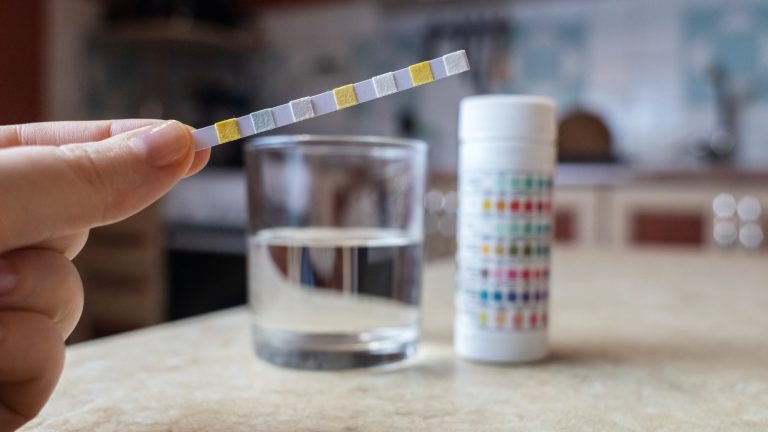
Climate change is not only damaging infrastructure but also reducing the quality of water delivered to communities. Changes in rainfall, temperature, and runoff patterns are altering how clean water systems can remain under stress.
Turbidity Spikes After Extreme Rainfall
Heavy rainfall events increase sediment flow into reservoirs and rivers. This raises turbidity, making water harder to treat. Treatment plants must use more chemicals and energy to restore safe drinking standards.
These spikes in turbidity are becoming more frequent due to unpredictable rainfall patterns, forcing utilities to adjust operations more often than in the past.
Drought Concentrating Salts And Algae
During dry periods, reduced water volume leads to higher concentrations of salts and nutrients.
This can trigger algal bloom formation and increase salinity levels in stored water. As water becomes more concentrated, treatment becomes more complex and expensive.
These changes directly impact water quality, requiring additional filtration and monitoring systems to maintain safety standards.
Contamination Raising Health And Treatment Costs
Climate-driven runoff and temperature changes increase the risk of contaminants entering water systems. This raises treatment costs and increases public health risks if not managed properly.
Utilities must now invest more in monitoring and purification processes to ensure a safe supply.
The combined effects of pollution and climate variability make water management more challenging than ever before.
Which Asset Classes Are Most Vulnerable?
Not all water assets are affected equally by climate change. Some components of the system are more exposed due to their location, material, or function.
Catchments Exposed To Climate Cycles
Catchment areas are highly sensitive to rainfall changes and temperature shifts. They directly reflect environmental conditions, making them vulnerable to rainfall decline and intense storm events.
These fluctuations affect inflow stability and increase contamination risks.
As climate cycles become more extreme, catchments are experiencing greater variability in performance.
Treatment Plants Under Inflow Stress
Treatment facilities must adapt to inconsistent water supply conditions. Sudden shifts between drought and flood increase operational strain.
This also affects non-revenue water levels when systems lose efficiency due to pressure imbalance or leakage. Plants must now operate more flexibly to handle unpredictable inflows.
Distribution Pipes And Soil Movement
Underground pipelines are highly sensitive to soil expansion and contraction. These movements increase the risk of leaks and structural damage. This contributes significantly to leakage detection challenges in urban networks.
As climate variability increases, pipe networks face more frequent stress cycles.
Pump Stations And Sewer Gas Buildup
Pump stations and sewer systems are vulnerable to gas accumulation and heat stress. This can lead to operational inefficiencies and safety concerns.
Without proper ventilation and monitoring, systems may degrade faster due to environmental exposure.
How IIoT Sensors Detect Climate-Driven Damage
Modern monitoring technologies are transforming how utilities detect and respond to infrastructure stress. Real-time data helps identify issues before they become critical failures.
Pressure Sensors Flagging Pipe Stress
Smart IIoT sensors monitor pressure changes inside pipelines. Sudden fluctuations can indicate leaks or structural weakness.
Early detection helps prevent large-scale failures and reduces repair costs.
Quality Sensors After Extreme Weather
Water quality sensors detect changes after storms or heatwaves. They help identify contamination events quickly and improve response times for treatment adjustments.
Soil Moisture Monitoring Near Pipelines
Soil sensors track moisture levels around underground assets.
This helps predict movement that could damage pipes and supports better maintenance planning.
Centralised Dashboards For Asset Health
All sensor data is collected into digital dashboards.
This allows utilities to monitor system health in real time and improve decision-making across networks.
How Predictive Analytics Protects Water Assets
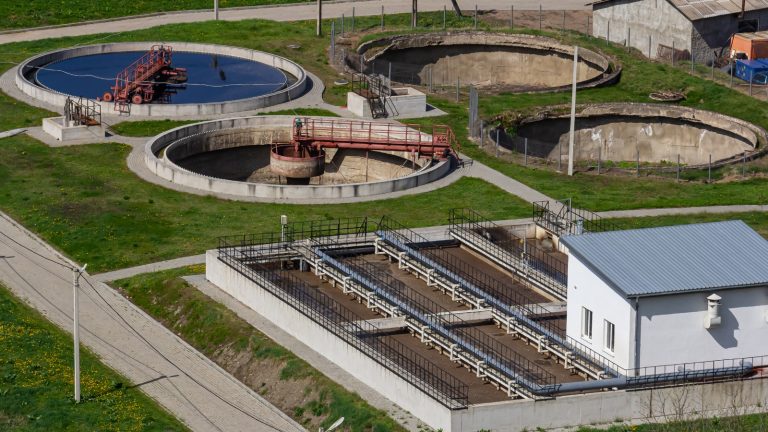
Predictive analytics is changing how water utilities manage risk. Instead of reacting after failures, systems can now forecast issues before they happen. This shift is especially important in Australia, where climate stress is increasing the speed of water asset deterioration across networks.
1. AI Models Forecasting Pipe Failure
Artificial intelligence is now used to study patterns in pressure, flow, and soil conditions to predict pipe failures.
These systems analyse historical break data and current sensor readings to identify weak points. This approach improves water asset management Australia by allowing utilities to act before leaks or bursts occur.
AI models can even rank pipes by risk level, helping engineers focus on the most vulnerable sections first. Over time, this reduces downtime and improves system reliability.
2. Scheduling Repairs Before Failures Occur
Instead of waiting for pipes to break, predictive systems allow utilities to schedule repairs in advance.
This reduces emergency callouts and avoids service disruptions.
Planned maintenance is far more cost-effective than reactive fixes, especially in ageing networks. By anticipating issues linked to extreme weather water infrastructure, teams can prioritise upgrades during low-demand periods.
This approach also extends infrastructure life and reduces pressure on field crews during crisis events.
3. Digital Twin Simulating Climate Scenarios
A digital-twin water system creates a virtual model of real-world infrastructure. It allows engineers to simulate droughts, floods, and heatwaves to see how assets will respond. This helps identify weak points before damage occurs.
By testing different climate scenarios, utilities can prepare better investment and repair strategies. Digital twins also support long-term planning by showing how systems will behave under future climate conditions, improving resilience and reducing unexpected failures.
4. GIS Mapping Climate Risk By Zone
Geographic Information Systems (GIS water mapping) help utilities visualise risk across different regions.
These maps show where pipes, pumps, and treatment assets are most exposed to climate hazards. By combining spatial data with environmental trends, engineers can identify high-risk zones more accurately. This supports smarter investment decisions and improves resilience planning.
GIS tools also help track changing risk patterns over time, ensuring utilities stay ahead of climate-driven infrastructure challenges.
What Digital Technologies Build Climate Resilience?
Digital technologies are now essential for protecting water systems from climate stress. They provide visibility, speed, and accuracy that traditional methods cannot match.
CCTV And Laser Pipe Inspection
Modern CCTV pipe inspection systems allow engineers to see inside pipelines without excavation. Laser scanning adds precision by detecting cracks, blockages, and deformation.
This improves condition assessment by providing accurate visual data on pipe health. These inspections help identify early signs of failure before they become serious.
Over time, this reduces repair costs and improves decision-making for infrastructure renewal planning.
Satellite Monitoring Of Catchment Health
Satellite technology is now used to monitor large water catchments. It helps track vegetation health, water levels, and environmental changes over time. This supports early detection of risks such as erosion or contamination.
Satellite data also improves planning for drought and flood events. By combining ground and aerial insights, utilities gain a more complete understanding of system conditions.
Smart Sensor Early Warning Networks
Smart sensors placed across networks provide continuous monitoring of water systems. These devices detect leaks, pressure drops, and quality changes in real time. This supports real-time monitoring and helps prevent small issues from becoming major failures.
Early warning systems are especially important during extreme weather events when systems are under stress. They improve response time and reduce the risk of widespread disruption.
Integrated Platforms From Catchment To Tap
Modern water systems now use integrated platforms that connect every stage of the supply chain. From catchments to households, data flows into a single system.
This improves coordination and reduces blind spots in infrastructure management. These platforms also support faster decision-making and better resource allocation. By connecting all assets, utilities can respond more effectively to climate-driven challenges.
How To Build A Climate-Resilient Asset Strategy
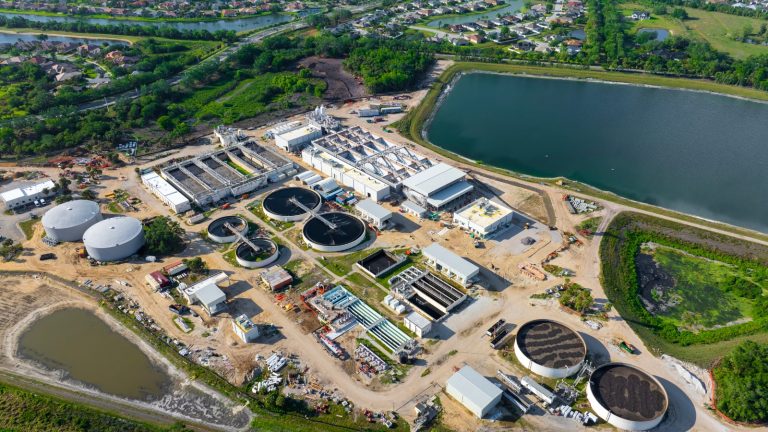
Building resilience is no longer optional for water utilities. Climate change is already reshaping infrastructure performance, and long-term planning is essential. A strong strategy reduces risk, improves efficiency, and limits future water asset deterioration across networks.
Identifying Highest Climate-Risk Assets
The first step in resilience planning is identifying which assets are most vulnerable.
This includes pipes in shifting soils, flood-prone treatment plants, and heat-sensitive equipment. Understanding risk levels helps utilities prioritise upgrades and allocate resources more effectively.
Without this step, maintenance efforts may not target the most critical weaknesses in the system.
Aligning Renewals To Climate Projections
Infrastructure renewal plans must now align with future climate forecasts. This includes preparing for drought, flood, and heat extremes.
Using long-term projections ensures investments remain effective under changing conditions. This approach reduces waste and ensures systems remain functional under future stress scenarios.
Embedding Predictive Maintenance Operations
Predictive maintenance allows utilities to shift from reactive repairs to proactive management.
By using sensor data and analytics, issues can be identified early. This reduces breakdowns and improves system reliability.
It also supports better budgeting by avoiding sudden emergency repair costs.
Data-Driven Risk And Cost Prioritisation
Utilities must now use data to prioritise both risk and spending. Not all assets require immediate replacement, so decisions must be based on evidence. This improves efficiency and ensures limited budgets are used where they have the most impact.
Data-driven planning also improves long-term system resilience.
Why Choose Tigernix For Climate Resilience?
Modern water systems require advanced digital solutions to handle climate pressure. Tigernix provides integrated technologies that help utilities monitor, predict, and manage infrastructure more effectively under changing environmental conditions.
IIoT Networks Monitoring Full Infrastructure
Tigernix uses IIoT sensors to provide full visibility across water networks. These systems track pressure, flow, and environmental conditions in real time. This helps detect early signs of stress and supports faster decision-making across all infrastructure levels.
AI Predicting Climate-Accelerated Failures
Artificial intelligence tools analyse system data to forecast failures before they occur. This improves maintenance planning and reduces unexpected downtime. It also helps utilities respond to climate-related risks more efficiently.
Digital Twin For Scenario Simulation
Tigernix offers a portfolio of advanced software solutions that support digital twin water models that simulate climate scenarios. These tools help utilities understand how systems will behave under drought, flood, or heat stress. This improves long-term planning and investment decisions.
GIS Mapping Across All Asset Classes
With GIS water mapping, utilities can visualise risk across entire networks. This helps identify vulnerable zones and improve infrastructure planning. It also supports better coordination between field teams and management.
End-To-End Smart Water Asset Solutions
Tigernix offers integrated solutions that connect monitoring, analytics, and planning. This helps utilities manage water asset deterioration more effectively while improving efficiency across the entire water lifecycle.
Tigernix-Get Yourself Prepared For Climate Changes
Ready To Protect Your Water Assets?
We can see that climate pressure is increasing, and water systems must adapt quickly to remain reliable. With smarter tools and predictive systems, utilities can reduce risk and improve long-term performance.
Consult Tigernix Water Specialists
Our Industry 4.0 expert teams can help assess infrastructure risks and design tailored digital solutions for resilience.
Call for a free demo now.
Reduce Climate-Driven Deterioration And Downtime
Advanced monitoring and analytics help reduce unexpected failures and improve operational stability.
Implement Long-Term Climate Resilience Solutions
There is no doubt that by adopting integrated technologies, utilities can strengthen systems, improve real-time decision-making, and reduce vulnerability to extreme weather events. This proactive approach helps protect infrastructure from long-term climate stress, ensures reliable service delivery, and prepares water networks to adapt effectively to future environmental challenges and growing demand pressures.
FAQs About Water Asset Deterioration
Water asset deterioration in Australia is mainly caused by climate stress such as drought, flooding, and heatwaves, combined with ageing infrastructure. Soil movement, corrosion, and pressure fluctuations weaken pipes and treatment systems, leading to faster failures and reduced operational lifespan across water networks.
Climate change increases pipe failures by causing extreme expansion and contraction in soils, leading to cracks and joint separation. Heavy rainfall creates pressure surges, while drought weakens ground stability. Together, these conditions accelerate water asset deterioration and increase burst and leakage incidents in ageing pipelines.
Water pipe corrosion is accelerating due to rising temperatures, salinity changes, and chemical reactions in soil and water systems. These factors weaken metal and concrete materials over time. Combined with ageing infrastructure, this significantly increases water asset deterioration and reduces system reliability.
Floods overwhelm drainage systems, introduce contaminants, and create sudden pressure changes in pipelines. These effects lead to structural damage, blockages, and treatment overload. Repeated flood events significantly increase water asset deterioration by stressing infrastructure beyond its original design capacity and recovery limits.
Yes, predictive technologies like AI and sensor networks can reduce water asset deterioration by detecting early warning signs such as pressure changes, leaks, and soil movement. This allows utilities to schedule maintenance early, prevent failures, and extend infrastructure lifespan through proactive asset management strategies.