
Industrial odours can have serious and far-reaching consequences for both individuals and the environment. Did you know that up to 85% of volatile organic compounds in industrial zones contain distinct odour properties which can cause headaches and coughing? As a result, it is essential that all industrial companies that have the potential to produce smells implement best practices for emission and odour management.
This article looks at common causes of odours and describes how to create an odour control and monitoring plan.
The Reasons for Industrial Odours

Understanding the causes of emissions and odours is the first step toward creating an odour management and monitoring plan that works. The most frequent causes are:
Management of Solid Waste
Industrial facilities that allow solid waste to accumulate, such as landfills and trash dumps, undoubtedly need to have smell control measures,s as it is one of the main causes of industrial odour.
Stormwater and Wastewater
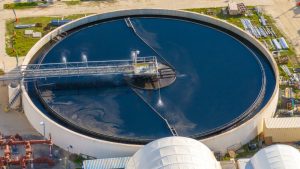
The odours at wastewater treatment plants are typically the source of complaints, even though odours can be produced throughout wastewater collection systems. If odorous materials are disturbed by stormwater and transported to retention ponds, severe storms may exacerbate the issue.
Releases of Fugitives
Fugitive emissions are unintentional or peripheral emissions that can come from a wide range of sources, such as operations connected to minor oil, petrochemical, and gas plants.
Key Takeaways
- Industrial odour control helps businesses reduce unpleasant smells and maintain a cleaner working environment.
- Effective odour management can improve regulatory compliance, workplace conditions, and community relations.
- Regular monitoring and the right control methods help industries manage odour sources efficiently and consistently.
The Importance of Industrial Odour Control
Industrial odour control is a top priority for any industrial facility, as it is important to maintain a healthy, safe, and comfortable environment for all parties involved, such as workers, surrounding ecosystems, and nearby communities. It is unavoidable for wastewater facilities, manufacturing plants, chemical industries, and some food processing units to release different odours during their operations.
This is where effective odour control becomes the weapon that reduces complaints from the community, decreases these emissions, and enhances workplace conditions. It can also aid in compliance with environmental regulations as well as the brand reputation.
Since there are advanced odour management solutions in the world now, industries can identify emission sources in real time and select suitable treatment methods aligning with their requirements. These can vary from filtration, chemical scrubbing, biofiltration, to activated carbon systems.
When they are able to keep odours in control, industries can easily reduce environmental impacts while also boosting operational efficiency. This is why investing in reliable industrial odour control is vital.
It simply signifies the organisation’s commitment to environmental responsibility, employee wellbeing, and sustainable industrial practices.
How to Control Industrial Odours
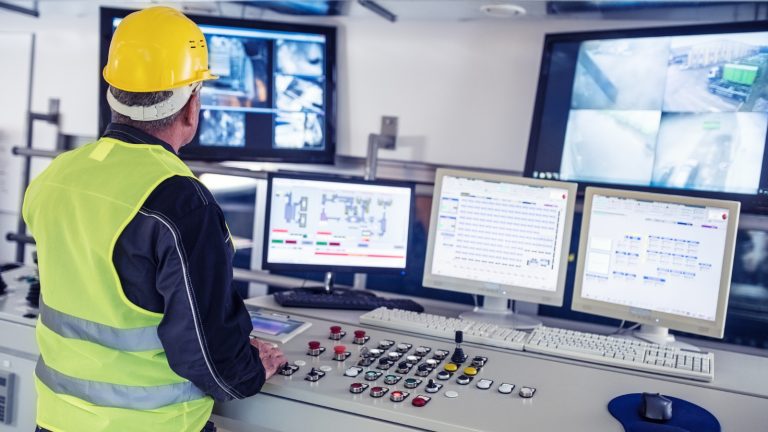
An odour management and monitoring plan can serve as an instruction manual for management and staff that can be accessed as needed, as well as a declaration of purpose to control odours on the premises. A well-thought-out plan will incorporate smell control into everyday operations so that site workers are accustomed to handling possible odour problems.
The following steps should be included in the creation and execution of an efficient smell management and monitoring plan:
Assessing the Requirements for Odour Control
To determine the sources of odour, the mode of discharge, and the frequency of emission (continuous, intermittent, or occasional), every facility and operation should be audited.
A thorough plan ought to be developed in light of these discoveries. For any site operations that have been found by the audit to have the potential to emit smells, the plan should address odour avoidance, odour control, and odour mitigation techniques.
Creating Procedures for Excellent Practices
Standard operating procedures (SOPs) should include all necessary preventive maintenance as well as best operating practices.
Clear protocols covering all possible eventualities, such as odour complaint response procedures, should be defined, along with training requirements.
Maintaining Records
In order to be used in the event of public enquiries and licensing evaluations, all issues and control attempts must be documented.
The need to maintain accurate records cannot be emphasised since failing to do so may result in expensive fines and licence revocation.
Continuous Monitoring of Odours
Establish internal tests and continuous monitoring requirements to assess the systems and develop a thorough odour monitoring strategy.
The purpose of monitoring, the type of monitoring, the frequency of monitoring, and evaluations against any emission restrictions allowed by your licence should all be included in monitoring plans.
There are numerous ways to monitor, such as monitoring of emissions, sniffing the surrounding air, meteorological tracking with MET and airfield data, monitoring of complaints, diaries of odours, chemical substitutes or process variables, etc.
Installing Suitable Solutions when Needed
Odour solutions can be implemented when all site requirements have been evaluated, plans have been made, and documentation has been completed.
Among the most popular remedies are:
- VOCs and other odorous pollutants can be absorbed from the air using activated carbon.
- Systems for air scrubbing industrial exhaust streams to get rid of gas and particles.
- Chemicals that create scent, such as ammonia, mercaptan, and hydrogen sulphide, are not odour-controlling substances. Ammonium nitrate and calcium nitrate are examples of control chemicals that can help stop hydrogen sulphide odours.
- Systems for photoionisation to purify and eliminate smells from polluted air.
- In order to promote absorption and breakdown and transform molecules into non-volatile chemicals, misting and dosing systems are used.
How Tigernix Smart Wastewater Asset Software Helps with Odour Control
Tigernix Smart Wastewater Asset Software is powered by Industry 4.0 technologies and contains advanced submodules for the wastewater industry to improve odour control with ease under one digital platform. Our software suite enables IoT-driven real-time monitoring of wastewater assets and operational conditions, AI-based potential odour source identification, early detection of abnormalities powered by Digital Twin systems and predictive maintenance.
Utilising Tigernix software’s data-driven insights, wastewater facilities can reduce odour issues, while boosting operational efficiency, and maintain healthier environments.
Call for a free demo.
Tigernix-For Safer Industrial Environment
Keeping Harmful Industrial Odours Away with the Right Strategies
It is a proven fact that controlling harmful industrial odours requires a strategic framework with proactive approaches, effective asset management, and continuous monitoring. If facilities can identify odour sources early, while maintaining treatment systems and adopting smart technologies, it will not be challenging to reduce unpleasant emissions and create healthier working environments. Only the right strategies must be in place to build a safer industrial environment.
FAQs About Industrial Odour Control
Industrial odour control refers to the process of identifying, monitoring, and treating emissions with unpleasant smells released from complex industrial processes to decrease odour impacts and safeguard surrounding communities.
Odour control is important because it supports enhancing workplace conditions, complying with environmental regulations, lowering community complaints, protecting public health, and safeguarding brand reputation.
Industrial odours are commonly caused by wastewater treatment, chemical processing, food production, manufacturing, waste handling, and organic material decomposition that releases odorous compounds.
Industries can implement protocols such as filtration, ventilation, biofiltration, chemical treatment, process optimisation, activated carbon systems, real-time monitoring, and regular equipment maintenance to keep odour under control.