

Without the knowledge and standardisation of chemical usage, we witness that many water treatment facilities manage chemical treatment. This places a great deal of responsibility on facilities teams and plant authorities to safely collect, store, dispense, and handle chemicals used in water systems.
It may not be a problem in your daily operations, yet have you ever thought about what happens if something goes wrong, like a chemical spill or an overdose? Is there any risk management strategy in place?
In this article, we explore how a water plant can handle chemicals safely with the right strategies.
Understanding Water Treatment Chemicals and Risks
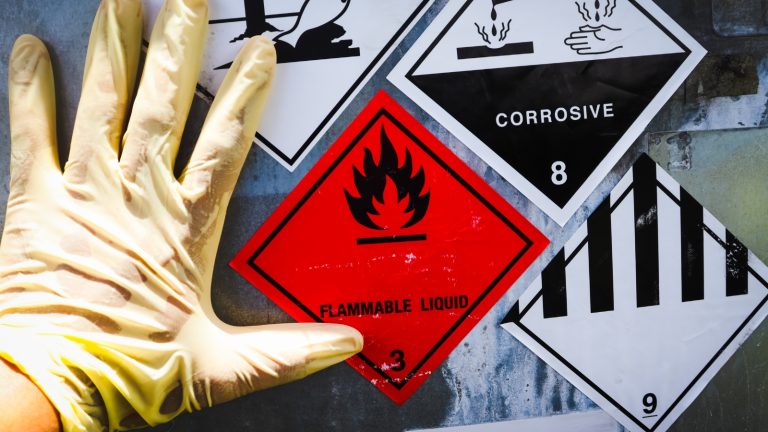
Certain chemicals can corrode equipment; thus, they must be used cautiously to prevent irreversible harm. When they are inhaled or come into contact with human skin or eyes, the majority of therapeutic chemicals are likewise dangerous.
In the worst situations, they may result in death or physical injury, such as transient skin or lung irritation, as well as long-term health issues.
Certain substances can react dangerously when they come into contact with one another. They may result in dangerous spills or explosions that harm the environment well beyond your building.
Never combine acids with chlorine or oxidisers with corrosives. Keep these substances apart. For the majority of typical chemical combinations, safe distances are preferable. The frequently used industrial water treatment chemicals must be at least somewhat understood by your site management and employees. There are different polymer solutions for flocculation and coagulation.
Key Takeaways
- The water treatment industry is a sector that deals with various hazardous chemicals in its daily operations, and the utilisation of these chemicals requires a standard procedure.
- Without a proper framework and safety protocols, the water treatment facility, workers and the general public are in great danger.
- Chemical spills are preventable, and the right actions will eliminate the danger.
Best Practices For Handling Water Systems Chemicals
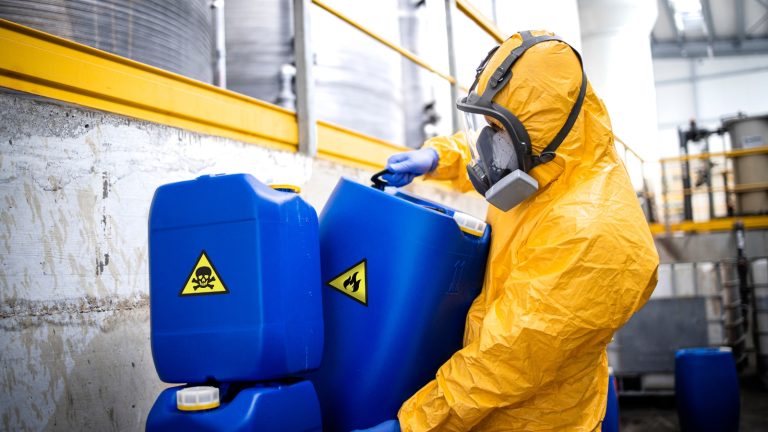
These chemical handling best practices will help your team at the water treatment plant.
Let’s explore them in the section below:-
Making Use of Your Safety Data Sheets
All information pertaining to occupational safety and health for the use of different substances must be listed in safety data sheets. The government authorities require them when conducting safety audits for your water plant.
Train your staff on how to interpret SDS documentation and store the sheets on your tanks or near the drum.
Forming a Safety Crew and Facility Planning Mechanism
To be proactive about safe chemical handling at your water treatment plant, you should also establish a safety team.
This group can take the initiative to create safety and hazardous cleanup procedures and concentrate on having the necessary equipment and training.
Putting Emergency Phone Numbers Up
It is necessary for your safety team to find the local emergency service authority’s contact details. These figures should be prominently displayed and updated on a regular basis.
Keeping PPE (Personal Protective Equipment) Stocked
Keep personal protective equipment (PPE), including respirators, gloves, face shields, glasses over the face shields, and aprons, in good shape and readily available.
Ensure that all members of your facilities crew are proficient in using the equipment.
Properly Label Your Drums
Keeping the tanks properly labelled or tagged is always advised. It makes it possible that the incorrect chemical could be added to the tank, resulting in dangerous circumstances.
Checking Your Hook-Ups and Fittings Frequently
Even if the chemicals in your water system are labelled and stored correctly, a spill is inevitable if the tanks lack the appropriate hose hook-ups. To guarantee that the hose is clamped down and nothing will spray outside of the tank, all tanks require the appropriate fittings and hook-ups.
Standardised Procedures
Reject the way things have traditionally been done. Speak out if you detect a possible issue or if your facility has not looked at water safety procedures in a while. Just because it is always done this way does not mean you are adhering to best practices.
Standardising procedures and recording every action you take will be useful in the long run.
What to Do During a Chemical Spill
This may have never occurred in your water treatment facility, but you cannot 100% assure that it will not occur in the future. This is why it is important to be ready.
The truth is that these kinds of incidents are very likely to occur in the water industry. However, you may greatly reduce or eliminate the dangers by using the appropriate strategies.
Regrettably, not all facilities are prepared to deal with spills, and not all staff members are aware of what to do. Even in situations where a protocol is in place, people occasionally become alarmed and attempt to clear things up immediately. They disregard personal protective equipment, such as gloves and goggles, in favour of mop heads and towels.
It is always advisable to have appropriate training for spill response as well as an emergency response strategy.
The significance of protective gear and the first steps should be covered in part of that instruction. This training should be provided to all maintenance and facilities staff.
When something fails, engineers sometimes just want to go in there and repair it. Before donning a respirator, they will rush to address the issue. Workers will put themselves in danger when things get heated.
The best course of action in the event of a chemical spill is to stop the water flow from the river or dam in question immediately. Then shut off internal valves as quickly as possible. This will keep the spill out of treatment tanks. You must switch the water supply to stored backup water or alternate unpolluted water sources.
However, this is only internal work; you must warn the public quickly and contact the authorities to report the chemical spill.
How Tigernix Water Treatment Solution Ensures the Right Usage of Chemicals
Tigernix Water Treatment Solution is a specifically developed software solution for modern water treatment facilities that use Industry 4.0 technologies to help them with chemical usage for water treatment.
Our software solution possesses capacities such as IoT-based treatment process monitoring, data analytics-based chemical consumption tracking, and sensor-based real-time operational insights. Tigernix solution is the best answer for all the chemical-related challenges in the water industry, as it can help maintain water quality, control costs, improve efficiency, and support safer operations.
Call for a free demo.
Tigernix-Digitalising Water Operations
Implementing the Right Strategies to Guarantee Every Drop of Water is Safe
Producing safe water is not as simple as it may sound. It certainly requires the right combination of effective maintenance grids, treatment strategies, continuous monitoring, and responsible resource management.
If they are open to adopting modern technologies and data-driven practices, water facilities can smoothly ensure long-term sustainability and public trust.
FAQs About Water System Chemical Handling
Water system chemical handling refers to the process of safely storing, dosing, transporting, monitoring, and controlling certain chemicals to boost water treatment and system performance.
Proper chemical handling is important because it is the best method to ensure water quality, prevent contamination, guarantee the safety of workers, reduce chemical waste, and ensure effective operational procedures.
In the water treatment industry, the most utilised chemicals are sodium hypochlorite, chlorine, coagulants, flocculants, acids, alkalis, and corrosion inhibitors, depending on specific water treatment requirements.
Industries can improve chemical handling using proper storage, automated dosing, employee training, accurate documentation, regular monitoring, safety procedures, and regular inspection.