

Polyaluminum chloride (PAC) is one of the most widely used chemicals in modern water purification systems. As a powerful water treatment chemical, it plays a critical role in removing suspended impurities from both municipal and industrial water supplies. Polyaluminum chloride received approval from the NHMRC in 1979 for application as a chemical in drinking water treatment.
Through the processes of coagulation and flocculation, polyaluminum chloride helps aggregate tiny contaminants, allowing them to be separated from water efficiently.
In recent decades, polyaluminum chloride water treatment technologies have become increasingly popular due to their high efficiency, lower dosage requirements, and ability to operate across a wide pH range. From drinking water treatment plants to large-scale wastewater treatment facilities, this versatile PAC coagulant ensures cleaner and safer water supplies worldwide.
This article covers everything about Polyaluminum Chloride, its processes, benefits, and how to use it for water treatment.
We will explore
- What Is Polyaluminum Chloride?
- Polyaluminum Chloride Water Treatment Process
- Key Properties of Polyaluminum Chloride
- What Are the Main Uses of Polyaluminum Chloride?
- Polyaluminum Chloride vs Aluminum Sulfate vs Ferric Chloride
- Advantages of Using Polyaluminum Chloride
- Challenges and Limitations of PAC
- Is Polyaluminum Chloride Hazardous?
- PAC Suppliers, Industrial Grade PAC, and Pricing
- Typical Dosage of PAC in Water Treatment
- Case Study: Polyaluminum Chloride in Municipal Water Treatment
- Future Trends in PAC Water Treatment Chemicals
- FAQs About Polyaluminum Chloride
What Is Polyaluminum Chloride?
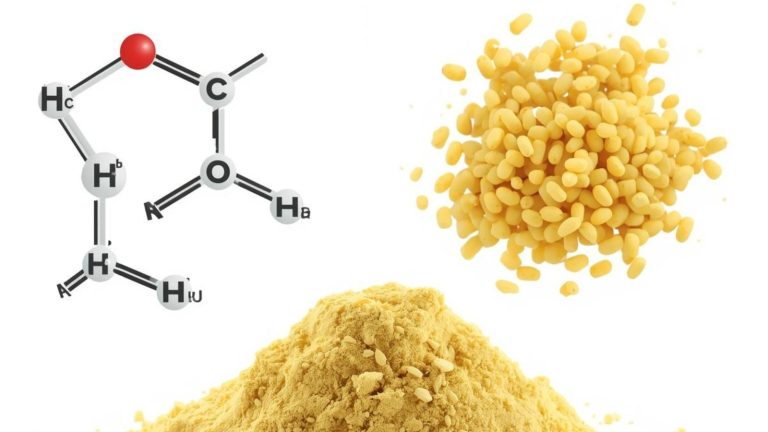
Polyaluminum chloride is an inorganic polymer coagulant widely used in water and wastewater treatment to remove suspended solids, organic matter, and colloidal particles through the processes of coagulation and flocculation.
It belongs to a group of aluminum-based coagulants that form polymeric aluminum complexes capable of neutralising particle charges and improving turbidity removal efficiency.
Key Takeaways
- Polyaluminum chloride (PAC) is a highly effective coagulant widely used in drinking water and industrial wastewater treatment to remove suspended solids and turbidity.
- Through coagulation and flocculation, polyaluminum chloride rapidly aggregates colloidal particles, enabling efficient contaminant removal during water purification.
- Compared with traditional chemicals like alum, poly aluminium chloride requires a lower dosage, produces less sludge, and performs effectively across a wider pH range.
- As global demand for clean water grows, polyaluminum chloride water treatment continues to play a critical role in improving water quality and supporting sustainable water management.
Chemical Definition of PAC
Chemically, polyaluminum chloride is formed through the partial hydrolysis of aluminum chloride or aluminum hydroxide. These aluminum hydrolysis reactions produce polymerised aluminum species with high positive charge density.
This property enables the compound to neutralise negatively charged colloidal particles such as clay, bacteria, and organic matter.
Chemical Formula and Composition
The general chemical formula of polyaluminum chloride is:
Al₂(OH)nCl₆−n
Because it contains hydroxylated aluminum species, the compound is also known as aluminium hydroxy chloride or basic aluminium chloride.
It is a known fact that these polymeric aluminum structures significantly enhance coagulation efficiency compared with traditional chemicals such as alum.
Physical Appearance and Forms
- Liquid PAC – Clear to pale yellow solution used in municipal plants
- Powder PAC – Yellow or white powder used in industrial wastewater treatment
Polyaluminum Chloride Water Treatment Process
The polyaluminum chloride water treatment process involves multiple stages where contaminants are destabilised, aggregated, and removed from water.
Polyaluminum chloride works by neutralising charged particles, forming flocs during coagulation and flocculation, and enabling contaminants to settle in sedimentation tanks for removal.
Charge Neutralisation of Colloidal Particles
Raw water often contains negatively charged colloidal particles, including clay, organic material, and microorganisms.
When polyaluminum chloride is introduced, its positively charged aluminum complexes neutralise these particles. This step initiates coagulation, allowing small particles to combine.
Coagulation and Flocculation Mechanism
Once charges are neutralised, flocculation begins. During this process, particles aggregate to form larger clusters known as flocs.
These flocs grow rapidly in PAC water treatment systems because polymerised aluminum complexes create bridges between particles.
Sedimentation and Removal
- Suspended solids
- Organic contaminants
- Dissolved organic carbon
- Microorganisms
Key Properties of Polyaluminum Chloride
Polyaluminum chloride has several properties that make it a highly efficient PAC coagulant for water purification.
These characteristics include high charge density, fast floc formation, and effective performance across a broad pH range.
High Cation Charge Density
The polymeric aluminum complexes in poly aluminium chloride have strong positive charges, enabling efficient coagulation of negatively charged particles. This high charge density allows the chemical to quickly neutralise colloidal particles, organic matter, and fine suspended solids.
As a result, the PAC coagulant promotes faster particle aggregation, improving turbidity removal. This makes PAC water treatment systems highly efficient in modern water purification processes.
Wide pH Operating Range
Unlike alum, PAC water treatment systems operate effectively across a wide pH range of approximately 5–9.
This flexibility allows polyaluminum chloride water treatment to work in different water conditions without extensive chemical adjustments. Since the PAC coagulant remains stable across varying pH levels, treatment plants can maintain consistent coagulation and flocculation performance while minimising operational complexity and chemical consumption.
Low Residual Aluminum
Due to efficient aluminum hydrolysis, polyaluminum chloride typically leaves lower residual aluminum levels than traditional alum-based coagulants. During coagulation and flocculation, most aluminum compounds form insoluble aluminum hydroxide flocs that settle during treatment.
This improves water quality and makes PAC water treatment particularly suitable for drinking water treatment, where strict limits on residual aluminum are required.
Rapid Floc Formation
Did you know that the polymer structure allows faster flocculation, improving turbidity removal and reducing treatment time?
It occurs this way: When polyaluminum chloride is added to water, destabilised colloidal particles quickly combine into larger flocs. These flocs settle efficiently during sedimentation, allowing treatment plants to remove suspended solids faster.
This rapid reaction makes PAC coagulant systems especially valuable in high-capacity wastewater treatment and municipal water purification facilities.
What Are the Main Uses of Polyaluminum Chloride?
Polyaluminum chloride uses extend across municipal, industrial, and commercial water treatment operations.
Drinking Water Treatment Plants
You may be aware that municipal plants rely on PAC water treatment to remove turbidity, suspended solids, and organic matter before filtration and disinfection.
In drinking water treatment, polyaluminum chloride promotes efficient coagulation and flocculation, allowing contaminants to settle during sedimentation. This process improves turbidity removal, enhances filtration efficiency, and ensures the production of safe, clear drinking water for public supply systems.
Industrial Wastewater Treatment
Industries such as chemical manufacturing and food processing generate complex effluents. Polyaluminum chloride water treatment removes contaminants and improves wastewater treatment quality by promoting effective coagulation and flocculation.
The PAC coagulant helps aggregate oils, organic compounds, and suspended solids, allowing them to settle or be filtered out. This improves compliance with environmental discharge regulations.
Textile and Dye Wastewater Treatment
Textile manufacturing releases coloured wastewater containing dyes and chemicals. This is where PAC coagulant systems help remove dyes and reduce turbidity by destabilising dye molecules and colloidal particles in water.
During PAC water treatment, the dye particles combine with aluminum hydroxide flocs and settle during sedimentation. The latter enables efficient turbidity removal and improves the quality of treated wastewater treatment discharge.
Paper and Pulp Industry Wastewater
Paper mills produce wastewater containing fibers, lignin, and organic material. Polyaluminium chloride enables efficient removal of these suspended solids through strong coagulation and flocculation.
In polyaluminum chloride water treatment, these particles form flocs that settle rapidly during treatment, helping paper mills reduce pollution levels. It also improves the efficiency of industrial wastewater treatment systems.
Oil Refinery Wastewater Treatment
In petroleum processing, polyaluminum chloride uses include destabilising oil-water emulsions and improving oil separation.
In this context, the PAC coagulant breaks the electrostatic stability of oil droplets, allowing them to combine and float or settle during treatment. This process enhances coagulation and improves separation efficiency in refinery wastewater treatment, helping facilities recover oil and reduce environmental contamination.
PAC Mining Wastewater Treatment
Mining operations produce wastewater containing heavy metals, sediments, and mineral particles. PAC water treatment can precipitate these contaminants through coagulation and flocculation processes.
The polyaluminum chloride binds with metal ions and suspended solids, forming larger flocs that settle during treatment. This improves water clarity and helps mining operations meet strict environmental wastewater treatment discharge standards.
PAC Cooling Tower Treatment
Cooling towers accumulate suspended solids, biological material, and corrosion products during operation. Polyaluminum chloride helps remove these particles and improve cooling water quality.
During PAC water treatment, the PAC coagulant aggregates contaminants into flocs that can be filtered or settled out. It reduces fouling, improving heat exchange efficiency, and extending the operational life of cooling tower systems.
Polyaluminum Chloride vs Aluminum Sulfate vs Ferric Chloride
Many treatment facilities compare aluminum sulfate vs PAC when selecting coagulants.
Polyaluminum chloride generally offers higher efficiency, faster floc formation, and lower sludge production compared with traditional coagulants.
PAC vs Alum
- Requires a lower dosage
- Produces less sludge formation
- Works across a wider pH range
PAC vs Ferric Chloride
- Ferric salts are more corrosive
- They often generate heavier sludge
- They can affect the water colour
Advantages of Using Polyaluminum Chloride
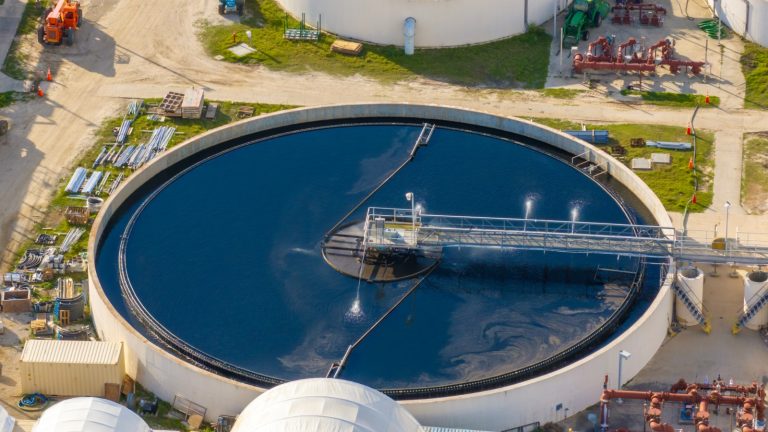
Several factors explain why polyaluminum chloride water treatment is widely used worldwide.
Lower Chemical Dosage Requirements
One of the major benefits of polyaluminum chloride water treatment is the significantly lower chemical dosage required to achieve effective coagulation.
In most municipal and industrial systems, PAC dosage typically ranges between 5–50 mg/L, whereas alum often requires 20–100 mg/L for similar conditions.
This means treatment plants can reduce chemical consumption by 30–60%, thereby lowering operational costs and chemical-handling requirements.
Faster Flocculation Rates
The polymerised aluminum complexes in poly aluminium chloride accelerate the flocculation process.
In many treatment plants, visible floc formation occurs within 1–3 minutes after dosing with PAC, compared with 5–10 minutes with conventional alum. Faster flocculation allows treatment systems to process larger water volumes and improves overall efficiency in PAC water treatment operations.
Reduced Sludge Formation
Another advantage of polyaluminum chloride water treatment is reduced sludge formation. Studies in municipal plants show PAC produces 20–40% less sludge than aluminum sulfate.
As PAC requires a lower dosage and forms denser flocs, the resulting sludge volume is smaller and easier to dewater, reducing sludge handling, transport, and disposal costs in wastewater treatment facilities.
High Efficiency for Turbidity Removal
PAC water treatment systems are highly effective for turbidity removal, especially in water containing fine colloidal particles and suspended solids.
In many municipal drinking water treatment plants, PAC can reduce turbidity levels by 90–99% during the coagulation and flocculation stages.
This efficiency helps treatment facilities meet strict water quality standards before filtration and disinfection.
Effective Performance Across Broad pH Ranges
Unlike alum, which typically performs best in a pH range of 6–7, polyaluminum chloride water treatment remains effective across a wider pH range of approximately 5–9. This flexibility reduces the need for additional pH adjustment chemicals such as lime or sodium hydroxide.
As a result, PAC coagulant systems simplify plant operation and improve treatment stability under changing water conditions.
Challenges and Limitations of PAC
Despite its advantages, polyaluminum chloride uses also presents some challenges.
Corrosiveness
Liquid poly aluminium chloride solutions are mildly acidic and may corrode untreated steel equipment.
Sludge Management
Even though PAC produces less sludge than alum, sludge formation still requires proper treatment in wastewater treatment facilities.
Water Hardness Sensitivity
In extremely hard water conditions, minerals may interfere with coagulation efficiency.
Is Polyaluminum Chloride Hazardous?
Polyaluminum chloride is generally safe when used correctly in water treatment operations.
However, proper storage, handling, and dosing procedures must be followed.
Health Safety Considerations
Direct contact with concentrated PAC coagulant may cause mild irritation to the skin and eyes.
Environmental Safety
When properly dosed in PAC water treatment, the compound does not pose significant environmental risks.
Regulatory Standards
International standards regulate aluminium levels in treated water:
- WHO drinking water guidelines recommend aluminium concentrations below 0.2 mg/L.
- The U.S. EPA sets secondary standards for aluminium between 0.05 and 0.2 mg/L.
These limits ensure the safe use of polyaluminum chloride water treatment chemicals.
PAC Suppliers, Industrial Grade PAC, and Pricing
You can see that polyaluminum chloride uses span many industries, and demand for the chemical continues to grow globally.
PAC Suppliers and Manufacturers
- liquid PAC
- powder PAC
- customised concentrations
Industrial Grade PAC
- Textile wastewater treatment
- Mining wastewater treatment
- Oil refinery wastewater treatment
- Cooling tower treatment
PAC Price Factors
- Aluminum content
- Purity level
- Supplier location
- Product form (powder or liquid)
Typical Dosage of PAC in Water Treatment
Determining the correct dosage is critical for efficient polyaluminum chloride water treatment.
Factors Affecting PAC Dosage
Dosage depends on several variables:
- turbidity levels
- suspended solids
- dissolved organic carbon
- temperature
- water pH range
Jar Testing for Optimisation
Engineers commonly perform jar testing to determine the optimal PAC coagulant dosage.
These tests simulate coagulation and flocculation in laboratory conditions to identify the most effective treatment concentration.
Case Study: Polyaluminum Chloride in Municipal Water Treatment
If you notice, you can see that municipal water utilities around the world rely on polyaluminum chloride water treatment to improve water clarity and remove contaminants from raw surface water sources such as rivers and reservoirs.
In a typical municipal treatment plant, raw water often contains high concentrations of suspended solids, colloidal particles, and dissolved organic carbon. When polyaluminum chloride is added as a PAC coagulant, it initiates coagulation by neutralising the electrical charges of these particles.
Following coagulation, the water enters flocculation basins where gentle mixing allows larger flocs to form through flocculation. These flocs then settle in sedimentation tanks, significantly improving turbidity removal before filtration and disinfection.
Studies in municipal drinking water treatment plants have shown that PAC water treatment systems can reduce turbidity levels by more than 90%, while also lowering the required chemical dosage compared with traditional alum-based coagulants.
As polyaluminum chloride produces less sludge formation and works efficiently across a wide pH range, many utilities are replacing alum with polyaluminum chloride water treatment systems to improve operational efficiency and water quality.
Future Trends in PAC Water Treatment Chemicals

- advanced polymer coagulants
- sustainable wastewater treatment systems
- stricter environmental regulations
How Tigernix Smart Water Asset Solution Optimises Polyaluminum Chloride Application in Modern Water Treatment
The Tigernix Smart Water Asset Solution, powered by Industry 4.0 technologies such as IoT sensors, AI analytics, and real-time monitoring, helps utilities optimise the use of polyaluminum chloride in water treatment processes.
Our robust platform continuously tracks water quality parameters like turbidity, pH, and suspended solids, enabling precise PAC dosing during coagulation and flocculation.
This data-driven control improves turbidity removal, reduces chemical waste, minimises sludge formation, and enhances operational efficiency across municipal drinking water and wastewater treatment systems.
Call for a free demo.
Tigernix-Water Safety Is A Priority
The Growing Importance of Polyaluminum Chloride in Modern Water Treatment
Polyaluminum chloride has become a cornerstone of modern water purification technology. Through efficient coagulation and flocculation, this powerful PAC coagulant removes suspended solids, colloidal particles, and organic contaminants from both drinking water treatment and industrial wastewater treatment systems.
Compared with traditional chemicals like alum, poly aluminium chloride offers improved performance, reduced sludge formation, and greater operational flexibility across a wide pH range. As industries and municipalities seek more efficient and sustainable purification methods, polyaluminum chloride water treatment will continue to play a vital role in global water management.
FAQs About Polyaluminum Chloride
Polyaluminum chloride uses include drinking water treatment, industrial wastewater treatment, textile wastewater purification, mining wastewater treatment, and oil-water separation. Its strong coagulation and flocculation properties allow efficient removal of suspended solids, dissolved organic carbon, and colloidal particles.
During PAC water treatment, polyaluminum chloride neutralises the electrical charges of colloidal particles, initiating coagulation. The particles then combine during flocculation to form large flocs that settle in sedimentation tanks, enabling effective turbidity removal.
Yes. Compared with alum, polyaluminum chloride usually produces less sludge formation, requires lower dosage, and leaves lower residual aluminum levels, making it a more efficient PAC coagulant.
The chemical formula of polyaluminum chloride is Al₂(OH)nCl₆−n, representing a polymerised aluminum compound formed through aluminum hydrolysis reactions.
Most polyaluminum chloride water treatment processes operate effectively within a pH range of 5–9, making PAC suitable for a wide range of water treatment applications.