

Water scarcity, rising operational costs, and stricter environmental regulations have made reclaimed water a game-changer for the industrial sector. As industries worldwide aim for sustainable operations, the use of reclaimed water in modern water management has emerged as both an economic and environmental necessity.
This article answers the question ‘what is reclaimed water’, its benefits, applications, and strategies for manufacturing industries to implement it effectively.
We will explore
- Understanding Reclaimed Water in the Industrial Sector
- Benefits of Using Reclaimed Water in Manufacturing
- Quality Standards and Safety Regulations
- Challenges and Considerations
- Modern Applications of Reclaimed Water in the Industrial World
- Implementing Reclaimed Water Strategies in Industrial Operations
- Cost-Benefit Analysis
- Technology and Monitoring
- FAQs About Reclaimed Water
Understanding Reclaimed Water in the Industrial Sector
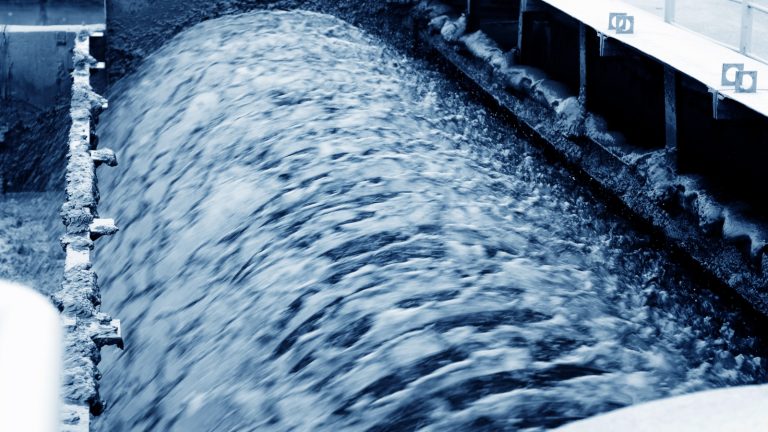
Reclaimed water is treated wastewater repurposed for industrial use, offering a sustainable solution for industrial facilities. By understanding its sources, treatment processes, and regulatory requirements, industrialists can reduce freshwater dependency, lower operational costs, and implement modern water management strategies effectively.
Key Takeaways
- Reclaimed water reduces freshwater dependency and lowers operational costs in manufacturing.
- Integrating reclaimed water is essential for effective modern water management and long-term sustainability.
- Smart technologies like IoT and predictive analytics optimize water reuse efficiency and safety.
- Strategic planning and cost-benefit analysis make water reuse a financially and environmentally sound investment.
Definition and Sources of Reclaimed Water
- Greywater: Wastewater from sinks, showers, or wash stations.
- Industrial effluent: Treated wastewater from production processes.
- Municipal wastewater: Treated city water that meets industrial standards.
Benefits of Using Reclaimed Water in Manufacturing
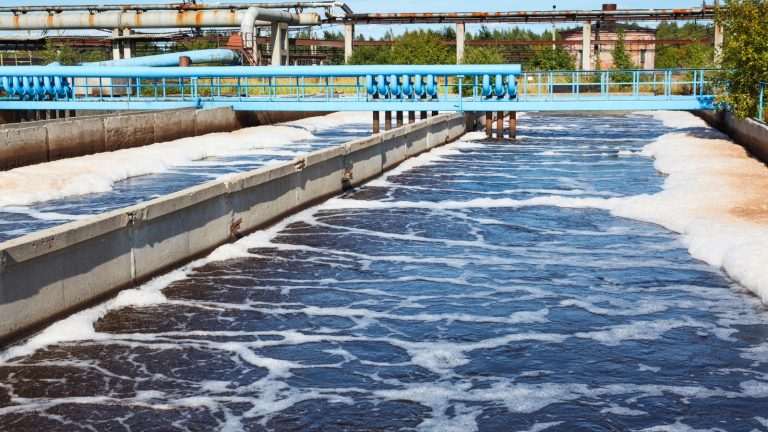
Manufacturing is one of the most water-intensive sectors, and adopting reclaimed water brings multiple advantages:
Cost Savings
Reclaimed water reduces dependence on expensive freshwater supplies, lowering utility bills for water-intensive industrial processes. Over time, these savings can significantly offset the initial infrastructure investment, making water reuse a financially smart choice for industrial facilities.
Environmental Impact
By replacing freshwater with reclaimed water, industrialists conserve natural water sources, protect local ecosystems, and reduce wastewater discharge. This supports sustainable operations and demonstrates a commitment to environmental stewardship, which is increasingly valued by investors and regulators.
Regulatory Compliance
Many regions encourage or mandate industrial water reuse to meet environmental standards. Using reclaimed water helps industrialists adhere to these regulations, avoid fines, and qualify for government incentives while strengthening corporate ESG credentials.
Operational Resilience
Incorporating reclaimed water diversifies water sources, ensuring continuous operation even during droughts, water restrictions, or municipal supply interruptions. This boosts operational reliability, particularly for plants relying on large-scale cooling or process water.
Quality Standards and Safety Regulations

- Regulatory Frameworks: Agencies like the EPA and local authorities define minimum quality standards for industrial water reuse. Compliance ensures safe integration into industrial systems, protects employees, and prevents environmental contamination, aligning with modern water management practices.
- Treatment Methods: Reclaimed water undergoes multiple treatment stages such as filtration, chemical disinfection, and ultraviolet (UV) sterilisation. These processes remove harmful microorganisms, chemicals, and suspended solids, making the water suitable for cooling, boiler feed, or production use.
- Industrial Standards: Different industrial processes have unique water quality requirements. For example, boiler feedwater must meet strict hardness and mineral limits, while cooling systems tolerate slightly lower quality. Adhering to these standards prevents equipment damage and ensures process efficiency.
- Monitoring and Safety Protocols: Continuous testing and monitoring of reclaimed water prevent contamination and operational risks. Implementing alarms, sensors, and automated quality checks helps maintain compliance and provides industrialists with confidence that the water is safe for industrial use.
Challenges and Considerations
- Infrastructure Costs
- Operational Risks
- Regulatory Compliance Complexity
- Public Perception and Corporate Responsibility
- Integration Challenges
Modern Applications of Reclaimed Water in the Industrial World

Modern industrial facilities are leveraging reclaimed water in increasingly sophisticated ways. Here are the most impactful applications:
Cooling Systems and Boiler Feedwater
Many industries consume vast quantities of water for cooling processes. Using reclaimed water for cooling towers or boilers significantly reduces freshwater demand.
Advanced treatment ensures minimal scaling and corrosion, enhancing efficiency while aligning with environmental regulations.
Process Water in Industrial Production
Industries such as textiles, chemicals, and food manufacturing require high-quality water for production.
Reclaimed water, when treated appropriately, can replace freshwater in washing, rinsing, and chemical processes. This not only reduces operational costs but also contributes to corporate sustainability targets.
Landscaping and Auxiliary Operations
Industrial plants often maintain extensive grounds or green belts. Reclaimed water can be used for irrigation, cleaning, and auxiliary operations, cutting down on municipal water use while enhancing corporate environmental responsibility.
Integration with Smart Water Management Technologies
The future of modern water management lies in smart integration. IoT sensors, predictive analytics, and digital twin technology allow real-time monitoring of water quality and flow.
By combining reclaimed water with these Industry 4.0 solutions, industrialists achieve both efficiency and sustainability.
Implementing Reclaimed Water Strategies in Industrial Operations
Successful adoption of reclaimed water in the industrial world requires strategic planning, cost analysis, and technology integration. By assessing water demand, ensuring regulatory compliance, and leveraging IoT and predictive analytics, industries can optimise water reuse, improve operational resilience, and strengthen sustainability within modern water management frameworks.
Planning and Integration
- Water Demand Assessment: Identify high-consumption areas and processes suitable for reclaimed water.
- Infrastructure Design: Retrofit or design pipelines, storage tanks, and treatment units for seamless integration.
- Safety Protocols: Ensure treatment systems meet regulatory and operational standards before implementation.
Cost-Benefit Analysis

Conducting a cost-benefit analysis for reclaimed water systems in industrial world clearly shows why this strategy is rapidly gaining traction in modern water management.
The global water recycle and reuse market is projected to grow substantially, with estimates rising from roughly USD 17.89 billion in 2025 to nearly USD 29.61 billion by 2030 at a compound annual growth rate (CAGR) of about 10.6 %, driven by industrial demand and freshwater scarcity pressures.
You may be aware that back in 2024, industrial use accounted for nearly half of the global water reuse market revenue, reflecting strong corporate adoption.
On the cost side, installing advanced treatment infrastructure such as membrane filtration, storage, and distribution systems requires significant upfront capital. Comprehensive water reuse facilities can cost industries from several hundred thousand to millions of dollars, depending on plant size and complexity.
However, these costs are offset by ongoing savings: reduced freshwater purchases, lower wastewater discharge fees, decreased regulatory penalties, and eligibility for government incentives.
Moreover, reclaimed water also enhances operational resilience, protecting facilities from municipal supply fluctuations.
As global water stress increases, the economic case for reclaimed water strengthens, making it an essential element of industrial water strategies.
Technology and Monitoring
- IoT Sensors: Monitor flow, quality, and temperature in real-time.
- Predictive Analytics: Anticipate maintenance needs and prevent operational disruptions.
- Digital Twin Systems: Simulate water usage patterns and optimise distribution across the plant.
Tigernix Industry 4.0 Wastewater Reuse Solution: Cost-Efficient Water Reclamation
Tigernix’s Industry 4.0–powered Wastewater Reuse Asset Solution combines IoT sensors, AI-driven analytics, and digital twin technology to optimise water treatment and distribution in real time.
By precisely monitoring water quality, predicting maintenance needs, and automating processes, it reduces operational costs, minimises energy consumption, and ensures safe production of reclaimed water.
With our solution in place, industries achieve sustainable, low-cost water reuse while improving efficiency and aligning with modern water management practices.
Call for a free demo.
Tigernix-For a Sustainable Future.
Reclaimed Water as a Vital Part of Modern Water Management
Reclaimed water is no longer just an environmental consideration—it is a vital component of modern water management in manufacturing. By integrating reclaimed water into cooling systems, process operations, and auxiliary applications, manufacturers reduce costs, conserve freshwater, and align with global sustainability standards. With proper planning, technology adoption, and adherence to regulations, reclaimed water transforms industrial operations into resilient, sustainable, and future-ready facilities. The time to embrace reclaimed water is now, ensuring manufacturing thrives while protecting the planet.
FAQs About Reclaimed Water
Reclaimed water is treated wastewater repurposed for industrial use. In manufacturing, it replaces freshwater in cooling systems, boiler feed, process operations, and landscaping. This approach reduces costs, supports sustainability, and aligns with modern water management practices.
Reclaimed water lowers operational costs, conserves freshwater, ensures regulatory compliance, and enhances operational resilience. It supports environmental goals, reduces wastewater discharge, and enables manufacturers to adopt sustainable practices while improving efficiency and strengthening corporate ESG performance.
Reclaimed water must meet regulatory frameworks, including EPA and local guidelines. Treatment processes like filtration, UV disinfection, and chemical treatment ensure water is safe for boilers, cooling systems, and process operations, preventing equipment damage and protecting employees.
Manufacturers compare upfront infrastructure costs with long-term savings on freshwater purchases, wastewater discharge fees, and regulatory compliance. Additional benefits include operational resilience, potential government incentives, and reduced exposure to water supply fluctuations, making reclaimed water a financially sound industrial solution.
IoT sensors, predictive analytics, and digital twin systems allow real-time monitoring of reclaimed water quality, flow, and usage. These tools optimise distribution, prevent equipment damage, and support sustainable, data-driven industrial water management aligned with Industry 4.0 principles.