

When it comes to asset breakdowns, you can see that many industrial maintenance teams deal with them in a similar way. That is, promptly fixing the issue, figuring out what caused it, and figuring out how to prevent similar breakdowns in the future. However, the truth is that, in order to identify the potential root cause, it is necessary to further analyse the causes of industrial asset failures, which frequently fall into one of many key categories.
In this article, we will explore some of the primary categories of failures and urge you to think about how you find and fix the most frequent causes of malfunctions in your industrial maintenance procedures.
5 Common Asset Failures Draining Your Maintenance Budget
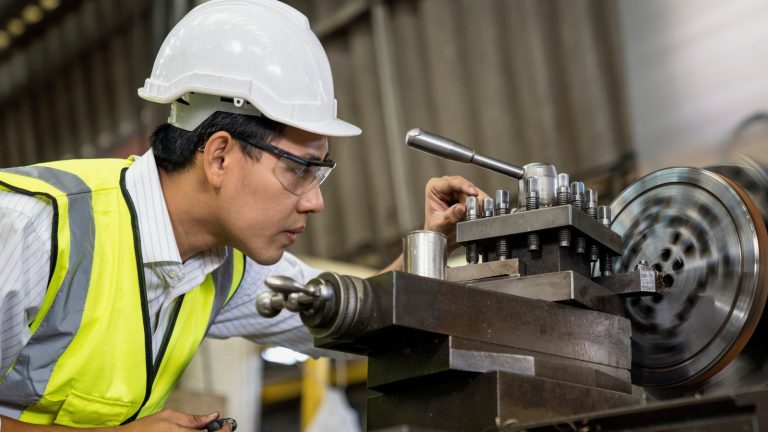
From flaws in asset designs, under-maintenance, over-maintenance, corrosion, metal fatigue, to improper operation, there are major asset failures that can drain your budgets.
Let’s explore them further in the section below:-
Key Takeaways
- Preventing industrial asset failures helps manufacturers reduce unexpected downtime and maintain reliable operations.
- Regular inspections, predictive maintenance, and condition monitoring can identify potential problems before they become major failures.
- A proactive asset management strategy can extend equipment lifespan, reduce maintenance costs, and improve productivity.
1. Design Flaws
It is time to admit that some recurring malfunctions are a result of the industrialist’s component selection or the design of the equipment. You can discover that the work and expense necessary to maintain production quality and/or uptime are intolerable, even though the industrialists establish the suggested maintenance schedule based on their engineering criteria.
In these circumstances, the vendor-customer relationship is crucial to ensuring that both sides are fully dedicated to minimising malfunctions brought on by design defects.
To address design flaws, you can fully use any current warranty agreements. Just keep in mind that you run the risk of voiding the warranty if your business fails to perform all necessary maintenance and promptly submit warranty breakdown claims to the supplier.
Also, it can be difficult to keep track of every warranty and all of its conditions, particularly if you are using manual methods. If design-related breakdowns cannot be fixed, further options including renegotiating the vendor contract or filing a lawsuit may be necessary.
2. Undermaintaining
Both postponing maintenance and failing to properly maintain all of the equipment’s ‘points’ are examples of undermaintenance. It might also be a sign of inadequate scheduled maintenance frequency, which ignores the equipment’s real maintenance needs.
This is where preventative maintenance comes in. These schedules are well-established, with reduced costs, higher safety, and better asset availability (uptime) at the top of the list.
How can you know you are undermaintaining your industrial assets? Frequent production stoppages, decreased throughput, or deteriorated product quality are indicators of undermaintaining. Undermaintaining may not be the cause of all of these signs, but it is a possibility that has to be looked into.
The good thing is that a carefully planned, scheduled, and well-executed preventive maintenance program will support the assets’ maintenance requirements. It should be possible to complete maintenance tasks on time if labour, spare parts, tools, and equipment are carefully planned.
3. Metal Fatigue and Corrosion
These elements are working against you by continuously compromising your industrial assets’ ability to be used.
Metal fatigue is the weakening of a material brought on by cyclic loading, which leads to the development of cracks and progressive, localised structural deterioration. To put it another way, excessive bending causes metal to crack. Until a breakdown happens, metal fatigue may go unnoticed. From a serviceability and safety perspective, the outcome could be disastrous.
When it comes to corrosion, both exposed and unexposed surfaces are susceptible to corrosion, which can lead to material deterioration. Exposure to weather, moisture, heat, chemicals, and other elements can cause corrosion, which can eventually cause material fatigue and failure.
Although metal components are damaged in both cases, the reasons and effects might differ greatly.
4. Over-Maintaining
The majority of preventative maintenance plans are predicated on predetermined run cycles or time intervals. Maintaining your assets too little or too much can result from blindly adhering to a predetermined timetable.
Both circumstances may occur when we fail to ascertain the asset’s true maintenance requirements, and both circumstances may result in asset failure.
Every task has an expense. It is needless to spend money on labour and materials to replace perfectly good components. Frequent disassembly and reassembly can skew precise alignments or result in excessive component wear. Maintaining too frequently can actually raise the danger of breakdown for this and other reasons.
Determining if over-maintenance is a systematic issue or limited to a few specific assets is the first step in addressing it. This outlines the parameters of the discussion you will have with the maintenance planners.
You can determine the components’ remaining life by analysing the removed maintenance parts, materials, lubricants, etc. You should enquire as to why the goods were changed if there is little to no wear.
5. Improper Operation
Industrial operators have a significant influence on the efficient operation and maintenance of industrial equipment.
They can load materials incorrectly, operate assets outside of the manufacturer’s specifications, modify crucial production processes inaccurately, and control a wide range of other factors that impact production throughput, product quality, machine condition, and eventually maintainability.
Further, lack of training may be the cause of many asset failure occurrences resulting from incorrect operation. It is unrealistic to expect workers who are unfamiliar with a machine and have had little to no training to operate vital production equipment accurately. Inadequate training also increases the likelihood of safety mishaps.
By ensuring that workers receive appropriate operating instructions and supervision, the majority of incorrect operation problems can be prevented. A key component of any dependability program should include operator training.
However, always keep in mind that operator error is not always the sole cause of breakdowns; other failure reasons may also play a role.
How Tigernix Smart Technologies Help Avoid Machine Failures Strategically
If you are worried about how to prevent those costly machine failures, then hold hands with Tigernix Smart Asset Management Software Solutions, designed for water, wastewater, and road development industries. Since our solutions are powered by Industry 4.0 technologies, they simply enable predictive maintenance, real-time asset monitoring, intelligent analytics, and automated alerts.
With Tigernix technologies in place, you can stay away from downtime, improve asset performance, expect to extend equipment life, keep maintenance costs in control, and make data-driven decisions for more reliable infrastructure management.
Call for a free demo now.
Tigernix-Digital Maintenance Ahead!
Employing a Well-Designed Asset Maintenance Strategy to Prevent Asset Failure
Even if a breakdown can appear to have a single main cause, a thorough investigation will probably reveal other contributing variables.
Yet, there is still a chance to lower the possibilities of future asset failure with a well-executed predictive and preventive maintenance programme. Such robustness should complement reliability initiatives, saving you money and time significantly.
FAQs About Preventing Asset Failures
Asset failures happen when equipment or infrastructure stops performing as expected, and the reasons can include factors such as poor maintenance, wear, errors in the operational ecosystem, or component defects.
Common causes of asset failures are ageing of equipment, poor maintenance, excessive loads, corrosion, poor operating conditions, component wear, human errors, and undetected mechanical or electrical problems.
It is possible to prevent asset failures using concepts such as preventive and predictive maintenance, regular inspection, condition monitoring, repairing in a timely manner, real-time data analysis, and proper equipment operation.
Predictive maintenance is important for preventing asset failures because it can spot early warning signs via its embedded sensor networks and data analytics platforms, which enables maintenance teams to fill the gaps before unexpected equipment failures and costly downtime occur.