

Ensuring the safety and purity of water through efficient disinfection techniques is crucial in the field of water treatment. Yet, the problem is that water treatment disinfection techniques come in a number of important forms, each with its own mechanisms and uses. How can a water treatment facility choose one among all of them?
In order to ensure that the water is safe for use and consumption, we will examine the many disinfection techniques used in water treatment in this article.
How Is Water Disinfection Done?
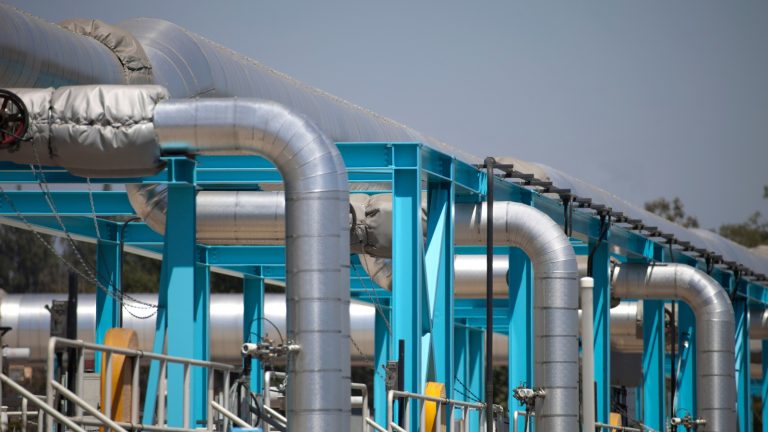
- Physical or non-chemical techniques, in which physical elements (such as boiling, UV light, electrolysis, and reverse osmosis) impact disinfection.
- Chemical or reagent techniques, in which the water is treated with specific reagents (such as ozone, chlorine, or non-oxidising chemicals).
Key Takeaways
- Water disinfection helps eliminate or inactivate harmful microorganisms and improve water safety.
- Choosing suitable disinfection methods can support effective treatment while maintaining consistent water quality.
- Regular monitoring and proper system management help ensure reliable disinfection and compliance with water quality requirements.
Physical Techniques for Disinfecting Water
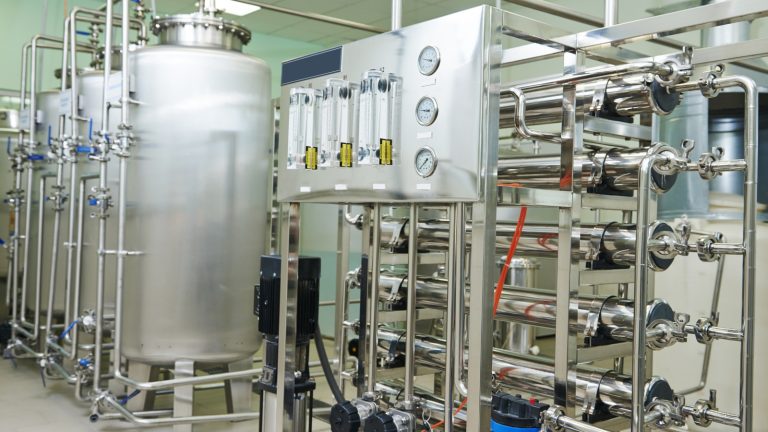
In order to remove pollutants without the use of chemicals, physical approaches rely on physical processes. Let’s explore them in depth now:-
Boiling
One of the easiest and most accessible ways to sterilise water is to bring it to a rolling boil, which kills the majority of pathogenic organisms.
It is crucial to remember that water must be boiled for at least five minutes in order to completely disinfect it.
Reverse Osmosis and Ultrafiltration
Reverse osmosis membranes have pores that are 200 times smaller than virus particles and 4000 times smaller than the tiniest bacterial cells.
Consequently, 100% of microorganisms can be retained by such filters. Drinking water purification is the primary application of the technique.
It serves as the foundation for water dispensing kiosks, vending machines, and household filters.
However, this technique can only be used in conjunction with reagents or ultraviolet light since ultrafiltration membranes have rather wide pore sizes that can partially allow virus particles to pass through.
Ultraviolet
We have been aware of the health benefits of sunlight since prehistoric times. Scientists are able to disrupt the thymine structure in bacteria’ DNA because of ultraviolet radiation, one of the elements of the UV spectrum.
As a result, viruses and bacteria are unable to proliferate in the human body or in water.
The SODIS method is the most straightforward UV water disinfection technique. PET (polyethene terephthalate) bottles are filled with water that has been filtered to eliminate large mechanical particles greater than 50 microns. The bottles are then set on a surface that is exposed to direct sunshine.
This method’s primary drawback is that it requires active sunshine. The strip between 35 degrees north and south latitude, where disinfection takes roughly six hours, is where the approach works best. The length of disinfection increases with decreasing sunshine intensity.
Water disinfection devices are manufactured as cylindrical mechanical tubes with quartz sleeve emitters. Water enters the housing and circulates through the sleeve, exposing it to UV light and disinfecting it.
The majority of these devices have a wavelength of roughly 250 nm.
Chemical Methods of Water Disinfection
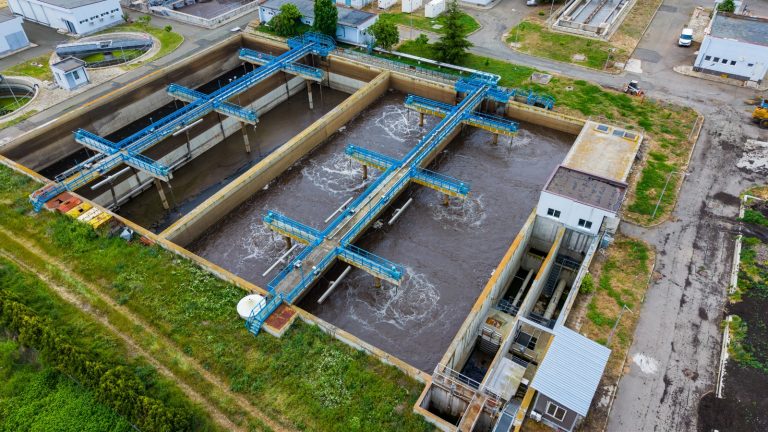
- Oxidising chemicals convert microorganisms to less active molecules while oxidising them, destroying their cell structure.
- Non-oxidising chemicals have a bactericidal effect by specifically affecting bacteria and preventing them from reproducing.
Ozonation
One potent oxidiser is ozone. All germs and their spores are effectively combated by it. Nevertheless, it is ineffective in eliminating biofilms, making it unsuitable for pool and container disinfection.
Special ozone generators, which have an ozone generator, a column for dissolving and reacting it with water, and a mechanical filter to remove oxidised particles, produce ozone directly at the water treatment facility.
Ozone reacts with water to produce aldehydes, ketones, and organic acids, all of which are poisonous. Thus, using activated carbon filters is also required after ozonation.
Chlorination
This process entails introducing substances that contain active chlorine to water, which can oxidise organic materials and bacteria.
Chlorinated water is simply added to water and has a high disinfection effect. The higher safety standards for storage are a drawback.
In the modern water treatment industry, the most popular disinfectants are calcium or sodium hypochlorite. They are made as granules that dissolve in water and are administered as a liquid. Although they are easy to transport, they are ineffective against cysts and lose potency over time.
The most used technique for disinfecting water nowadays is chlorination. This is because chlorine has a long-lasting effect and is highly effective against 99% of germs.
This indicates that there is a trace amount of chlorine in the water that is provided to the pipeline. It can oxidise contaminants that discolour water, such as organic waste, chlorine, and bacteria.
Water Purification Using Non-Oxidising Substances
These are intricate organic substances that can harm bacteria’s cell structures, preventing them from reproducing.
Since these chemicals, like chlorine derivatives, must be eliminated using activated carbon right before water usage, they are mostly employed for cleaning water pipelines, home and domestic water, and less frequently for drinking water.
Utilising Metals Such As Silver
Silver has been utilised as a disinfectant since ancient times when water is poured into silver pots. This method of disinfecting water is ineffective nowadays.
When ionic silver and other metals like copper and tin are added to water, certain outcomes have been noted. However, the disinfection process takes at least two hours at the highest allowable quantities.
Silver’s ineffectiveness against cysts, the majority of bacteria, and viruses is also emphasised. In order to lessen biological fouling of equipment and containers, silver solutions are now occasionally added to drinking water.
How Tigernix Treatment Asset Solution Optimises Water Disinfection
It is time to enhance water disinfection with Tigernix Treatment Asset Solution now. Our software solution helps water treatment facilities take control of their critical assets with greater efficiency and reliability.
Since it is powered by Industry 4.0 capabilities, the Tigernix solution simply enables real-time monitoring, predictive maintenance, automation, IoT integration, and intelligent analytics all under one digital platform.
With our robust platform in place, water facilities can optimise disinfection processes, stay away from equipment downtime, enhance asset performance, minimise maintenance costs, and support safer, more consistent water treatment operations.
Call for a free demo.
Tigernix-The Water Excellence Begins
FAQs About Water Disinfection
Water disinfection is the process of killing or inactivating hazardous bacteria in water with chemicals like chlorine, ultraviolet radiation, ozone, or other approved treatment technologies.
In drinking water and wastewater treatment systems, water disinfection improves water safety and safeguards human health by controlling dangerous bacteria, viruses, and other microbes.
Depending on the water quality and treatment needs, common water disinfection techniques include chlorination, UV treatment, ozonation, chloramine treatment, and advanced oxidation processes.
Facilities can improve disinfection by continuously monitoring water quality, optimising chemical dosage, maintaining treatment equipment, automating procedures, and leveraging real-time data to promote consistent treatment performance.