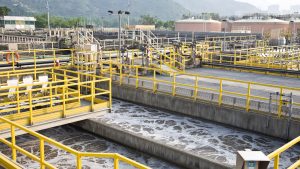

Water treatment is the act of removing all pollutants, biological, chemical, or physical, that may be hazardous to the water supply for human and household use. This process contributes to the production of clear, colourless, odourless, pleasant, and safe water. If you look into them, you can see that there are some fundamental stages of water treatment.
To improve water quality and build a sustainable living, water must be treated before being supplied to consumers. In order to avoid consuming contaminated water sources that may result in health issues, water treatment can remove potential or specific hazardous compounds from the water.
As a result, before water is given to consumers, it is crucial to set up a treatment facility that can effectively remove pollutants in accordance with regulations.
In this article, we explore the different municipal water treatment processes.
Water Treatment Process-An Overview
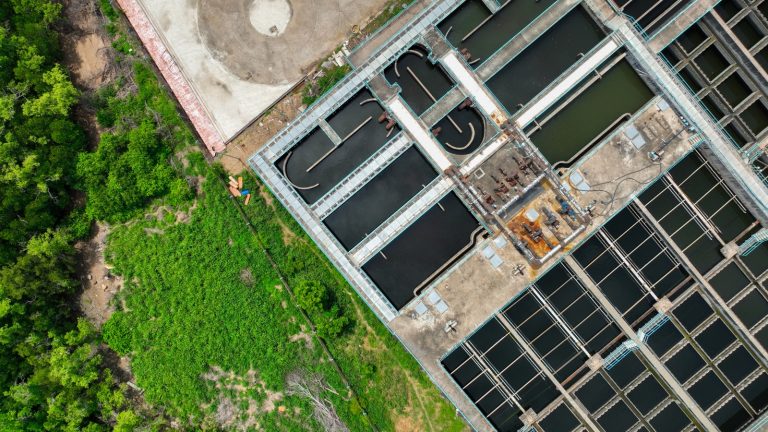
Water treatment comes in two varieties: conventional water treatment and innovative water treatment. Physical, chemical, and biological processes and operations are all used in conventional water treatment.
In order of increasing treatment level, different degrees of water treatment are referred to as preliminary, main, secondary, tertiary, and advanced water treatment. Water treatment using non-traditional methods is less complicated than water treatment using standard methods.
Compared to traditional treatments, non-conventional technologies minimise pollutant loads and have less of an impact on the environment. The non-conventional approach makes use of more sophisticated tools and technologies than the traditional approach.
The quality of the water source determines how technology is used. If and only if traditional water treatment is no longer practical because of things like severe water contamination, non-conventional methods will be employed.
Key Takeaways
- Municipal water treatment processes remove contaminants and harmful microorganisms to provide safe, clean water for communities.
- Effective treatment methods help maintain consistent water quality, protect public health, and meet regulatory requirements.
- Regular monitoring and efficient system management improve treatment performance, optimise resources, and support reliable water supply.
Key Types of Municipal Water Treatment Processes
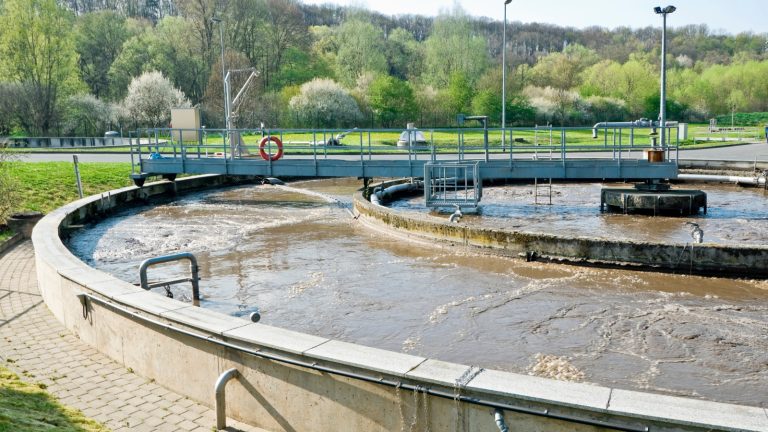
In the section below, we discuss some of the key types of water treatment processes in use.
Coagulation
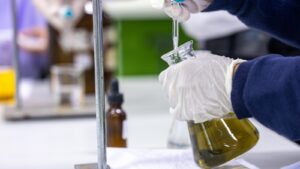
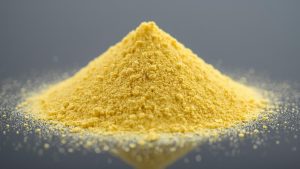
A soluble chemical or combination of chemicals is added to the water to make sluggish or non-settling particles settle out more easily. The process is known as coagulation, and these substances are known as coagulants.
Larger particles known as flocs are created when coagulants react with the water’s particles. These particles settle quickly and can be extracted as sludge.
Filtration
Another efficient way to get rid of flocs is to run the water through a filter, either before or after sedimentation. Contaminants are eliminated along with the coagulant chemicals due to process control.
Filtration Passing water through a bed of small particles, usually sand, is one of the earliest and most basic methods of treating water. Fine suspended solids and some other particles, such as bigger microbes, are typically eliminated via sand filtration.
When the water being treated travels through the sand filter very slowly, sand filtration is considerably more effective. However, this requires enormous tracts of land, which are typically unavailable in many cities.
With the emergence of contemporary plastics, filtration methods have evolved. A novel variety of filter materials and techniques for treating water for industrial and urban use are the outcome.
Membrane Bioreactors
An appealing treatment method for water reuse applications is membrane bioreactors (MBRs).
MBRs use a biological treatment method that is comparable to traditional activated sludge, but instead of settling, the particles are separated from the effluent using microfiltration or ultrafiltration membranes.
By choosing microbial communities best suited to decompose wastewater organics and by operating at greater solids concentrations, MBRs are able to produce higher-quality effluent in a smaller footprint.
As pathogenic microorganisms have a direct impact on human health, the elimination of these bacteria is a regulatory priority for reuse.
Disinfection
Water disinfection is the procedure of neutralising or inactivating harmful microorganisms in water. This can be accomplished using a variety of chemical and physical methods, though some techniques may have drawbacks such as the formation of toxic byproducts or ineffective treatment of clustered organisms.
Water disinfection has been used for a long time with the primary goal of eliminating the germs that cause water-related illnesses.
Disinfection uses a variety of chemical and physical techniques to kill or inactivate pathogenic germs, cysts, and dangerous bacteria by 99.9%.
How Tigernix Water Treatment Asset Solution Optimises Water Treatment Processes with Industry 4.0
It is easy to optimise water treatment processes now, if you hold hands with Tigernix Water Treatment Asset Solution. Our software platform is developed to help water plants and facilities improve equipment reliability and operational efficiency.
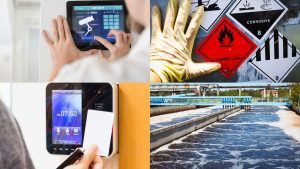
As it is powered by Industry 4.0 capabilities, the Tigernix platform integrates real-time asset monitoring, IoT connectivity, predictive maintenance, automation, and intelligent analytics all under one dashboard.
With our solution in place, water treatment facilities can decrease downtime, enhance maintenance schedules, minimise operational costs, optimise asset performance, streamline operations, and make data-driven decisions for smarter, more reliable water management.
Call for a free demo.
Tigernix- For Digitalised Water Management
FAQs About Water Treatment Processes
The main water treatment processes comprise screening, flocculation, coagulation, sedimentation, filtration, disinfection, and pH adjustment, depending on the source water and treatment needs.
Water treatment processes eliminate impurities, suspended sediments, dangerous microbes, and undesirable compounds to contribute to the provision of clean drinking water, industrial processes, and environmental preservation.
Water treatment typically entails filtering contaminants, removing big debris, separating suspended particles, and sanitising water to lower dangerous germs before distribution or reuse.
Water treatment effectiveness depends on a number of factors, including the quality of the supply water, pollutant levels, temperature, pH, chemical dosage, filtering effectiveness, disinfection techniques, and routine equipment maintenance.