
Water quality has become a growing concern for utilities, industrial facilities, and environmental agencies worldwide. With regulations becoming stricter and demand for sustainable treatment methods continuing to rise, organisations are actively seeking alternatives to conventional chemical disinfection processes. Among the most effective solutions available today, UV Systems for Water Treatment have emerged as a reliable, environmentally friendly, and highly efficient technology for eliminating harmful microorganisms from water supplies. With a 2025 valuation of $7.8 billion, UV water treatment systems demonstrate their expanding global footprint.
Unlike traditional chemical disinfectants, ultraviolet treatment uses high-intensity UV light to neutralise bacteria, viruses, and protozoa without introducing additional chemicals into the water. This capability makes UV systems increasingly popular across municipal drinking water facilities, industrial operations, wastewater treatment plants, and water reuse projects.
The ability to deliver rapid disinfection while avoiding harmful byproducts has positioned UV technology as a key component of modern water treatment strategies.
This comprehensive article explores how UV systems work, their key components, applications, benefits, challenges, and emerging innovations that are shaping the future of water treatment.
We discover
- What Are UV Systems for Water Treatment?
- How UV Water Treatment Systems Work
- Core Components of a UV Water Treatment System
- Types of UV Systems Used in Water Treatment
- What Contaminants Can UV Systems Eliminate?
- Key Design Considerations for UV Water Treatment Systems
- UV Systems in Municipal Water Treatment Facilities
- Industrial Applications of UV Water Treatment Systems
- UV Systems for Wastewater Treatment and Water Reuse
- UV Systems vs Traditional Water Disinfection Methods
- Advantages of UV Water Treatment Systems
- Common Challenges and Limitations of UV Systems
- Maintenance Best Practices for UV Water Treatment Systems
- How to Select the Right UV System for Your Facility
- Emerging Innovations in UV Water Treatment Technology
- How Digital Water Platforms Enhance UV Treatment Operations
- FAQs About UV Systems for Water Treatment
What Are UV Systems for Water Treatment?
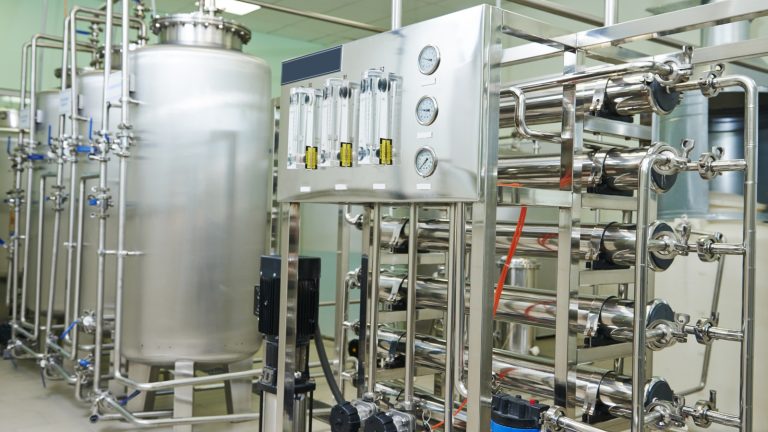
UV systems for water treatment use germicidal ultraviolet light to neutralise harmful microorganisms, providing a fast, chemical-free, and highly effective water disinfection solution.
Key Takeaways
- UV systems provide fast, chemical-free disinfection for safer water treatment.
- UV technology effectively neutralises bacteria, viruses, and chlorine-resistant pathogens.
- Proper system design and maintenance are critical for optimal UV performance.
- UV treatment supports municipal, industrial, and wastewater reuse applications.
Understanding Ultraviolet Water Disinfection
Ultraviolet water disinfection is a treatment process that uses ultraviolet light to deactivate harmful microorganisms found in water. The technology primarily utilises UV-C wavelengths, which possess germicidal properties capable of damaging the DNA and RNA structures of microorganisms.
Once exposed to sufficient UV energy, pathogens lose their ability to reproduce and infect humans or animals.
Unlike chemical disinfection methods, ultraviolet water disinfection does not alter water chemistry. This quality makes it an attractive solution for organisations seeking sustainable and environmentally responsible treatment options.
The Science Behind UV-C Radiation
You may know that the effectiveness of a UV water treatment system depends on the ability of UV-C radiation to penetrate microbial cells and disrupt their genetic material.
UV-C light typically operates at wavelengths between 200 and 280 nanometers, with peak germicidal effectiveness occurring near 254 nanometers. When microorganisms absorb this energy, their cellular DNA experiences structural damage that prevents replication.
Since microorganisms cannot multiply, they become harmless.
This scientific principle has made UV disinfection technology one of the most trusted methods for waterborne pathogen control across various industries.
How UV Light Neutralises Harmful Microorganisms
The UV water purification process begins when untreated water flows through a specially designed chamber containing UV lamps. As water passes through the treatment zone, microorganisms are exposed to a controlled UV dose that disrupts their reproductive capabilities.
Unlike filtration systems that physically remove contaminants, UV technology neutralises pathogens directly within the water stream.
This process is highly effective against bacteria such as E. coli, viruses, and chlorine-resistant protozoa, including Cryptosporidium and Giardia, which makes UV systems an essential defence against waterborne diseases.
How UV Water Treatment Systems Work
A UV water treatment system disinfects water by exposing microorganisms to UV-C radiation that damages their DNA and prevents them from reproducing.
Step-by-Step UV Disinfection Process
A typical UV water treatment system follows a straightforward yet highly effective treatment sequence.
Water first enters the UV chamber after undergoing preliminary filtration to remove suspended solids that could interfere with UV penetration. The water then flows through a UV reactor system, where strategically positioned UV lamps emit germicidal radiation.
As microorganisms pass through the chamber, they absorb UV energy and become inactivated.
Finally, disinfected water exits the reactor and continues to storage, distribution, or further treatment processes depending on facility requirements.
UV Dose and Microbial Inactivation
UV dose represents the amount of ultraviolet energy delivered to microorganisms during treatment.
It is typically measured in millijoules per square centimetre (mJ/cm²) and is calculated by combining UV intensity with exposure time. Different microorganisms require varying UV doses for effective inactivation.
Advanced UV disinfection technology continuously monitors UV intensity to ensure optimal performance and regulatory compliance. Maintaining the correct UV dose is essential for achieving reliable pathogen reduction across changing water quality conditions.
Factors Affecting UV Performance
Several operational factors influence the effectiveness of UV treatment systems. Water clarity plays a critical role because suspended particles can block UV light and shield microorganisms from exposure.
UV transmittance levels, flow rates, reactor design, lamp condition, and maintenance practices also impact system performance.
Organisations implementing industrial UV water treatment solutions must carefully monitor these variables to ensure consistent disinfection efficiency and maximise system lifespan.
Core Components of a UV Water Treatment System
- UV Lamps
- Quartz Sleeves
- UV Reactor Chambers
- Electronic Ballasts and Controllers
- UV Sensors and Monitoring Equipment
- Automatic Cleaning Mechanisms
Types of UV Systems Used in Water Treatment
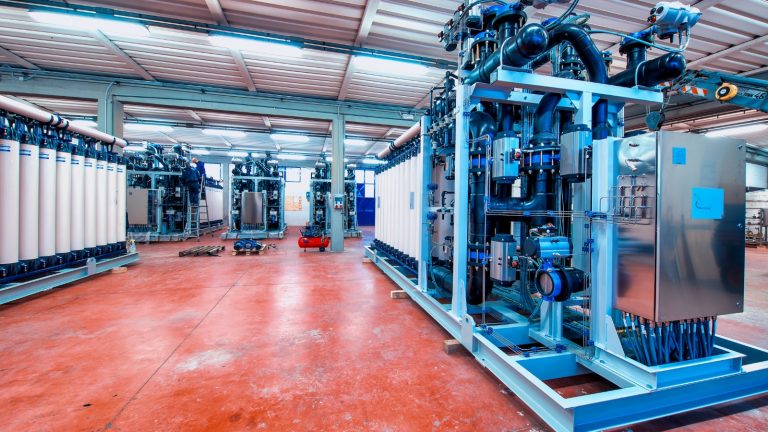
Different types of UV systems are designed to meet specific water treatment requirements based on flow rates, water quality conditions, and facility size.
1. Low-Pressure UV Systems
Low-pressure UV systems are among the most commonly deployed solutions for water disinfection.
These systems operate using lamps that emit nearly all their energy at a germicidal wavelength of 254 nanometers, making them highly effective for microbial inactivation. Their energy efficiency and relatively low operating costs make them ideal for small to medium-scale applications, including drinking water facilities, commercial buildings, and industrial processes.
Organisations seeking reliable ultraviolet water disinfection often select low-pressure systems due to their proven performance and cost-effectiveness.
2. Medium-Pressure UV Systems
Medium-pressure UV systems generate significantly higher UV intensity than low-pressure alternatives by emitting a broader spectrum of ultraviolet wavelengths. These systems are particularly suitable for high-flow applications where space constraints require compact treatment solutions.
Municipal facilities and large-scale industrial UV water treatment operations frequently utilise medium-pressure reactors because they can process substantial water volumes while maintaining effective pathogen control.
Although they typically consume more energy, their high treatment capacity often justifies the investment.
3. High-Output UV Systems
High-output UV systems are designed to maximise disinfection performance under demanding operational conditions.
These systems incorporate advanced lamp technologies capable of producing greater UV intensity, allowing them to handle fluctuating water quality and high flow rates. Industries requiring continuous water treatment operations often rely on high-output systems to maintain consistent microbial control while minimising reactor footprint and operational disruptions.
4. Open-Channel UV Systems
Open-channel UV systems are commonly used in wastewater treatment plants and water reuse facilities. Rather than operating in enclosed vessels, these systems are installed directly in open water channels, where wastewater flows through arrays of submerged UV lamps.
Their design allows treatment of extremely large water volumes, making them ideal for UV treatment for wastewater applications. Open-channel configurations also simplify maintenance and system expansion as treatment requirements evolve.
5. Closed-Vessel UV Systems
Closed-vessel systems consist of enclosed reactor chambers that direct water through a controlled treatment environment. These systems are widely used in drinking water treatment, industrial facilities, and process water applications where pressure must be maintained throughout the treatment process.
Closed-vessel designs offer enhanced hydraulic control, improved UV dose delivery, and greater flexibility for integration into existing treatment infrastructure.
What Contaminants Can UV Systems Eliminate?
UV disinfection technology effectively targets a wide range of biological contaminants, including bacteria, viruses, protozoa, and other harmful microorganisms.
Bacteria
One of the primary strengths of UV disinfection technology is its ability to effectively neutralise harmful bacteria. Common waterborne pathogens such as E. coli, Salmonella, Vibrio cholerae, and Legionella are highly susceptible to UV radiation.
When they damage bacterial DNA, UV systems prevent microorganisms from reproducing and causing disease. This capability makes UV systems for water treatment a critical component of public health protection strategies worldwide.
Viruses
Viruses present unique challenges for water treatment because of their small size and resistance to some conventional treatment methods. UV systems effectively inactivate a wide range of viruses, including adenoviruses, rotaviruses, noroviruses, and hepatitis viruses.
The rapid disinfection process provides an additional layer of protection against viral outbreaks and supports compliance with increasingly stringent water quality regulations.
Protozoa
Certain protozoan pathogens, including Cryptosporidium and Giardia, exhibit significant resistance to chemical disinfectants.
UV treatment offers one of the most effective solutions for controlling these organisms. The UV water purification process directly damages protozoan genetic material, preventing reproduction and infection.
This advantage has contributed significantly to the widespread adoption of municipal water treatment UV systems across the globe.
Algae and Biofilm-Forming Organisms
UV technology can also help control algae and biofilm-forming microorganisms that negatively impact water quality and infrastructure performance. By reducing microbial growth, UV treatment minimises fouling within pipes, storage tanks, and treatment equipment.
This contributes to improved operational efficiency and lower maintenance requirements across water treatment facilities.
Emerging Pathogens in Modern Water Systems
As global water systems become more complex, treatment facilities face growing concerns regarding emerging pathogens and antimicrobial-resistant microorganisms.
UV disinfection technology provides a non-chemical solution capable of addressing a broad spectrum of evolving microbial threats.
Continuous advancements in reactor design and monitoring systems further strengthen the ability of UV treatment technologies to adapt to changing water quality challenges.
Key Design Considerations for UV Water Treatment Systems
Proper UV system design requires careful evaluation of water quality, flow conditions, UV dose requirements, and treatment objectives to ensure optimal performance.
Water Flow Rate Requirements
Flow rate is one of the most critical factors when designing a UV water treatment system.
The volume of water passing through the reactor directly affects exposure time and UV dose delivery. Engineers must accurately calculate peak and average flow rates to ensure sufficient microbial inactivation under all operating conditions.
Proper flow management prevents underexposure and helps maintain consistent treatment performance.
UV Transmittance (UVT)
UV transmittance measures the percentage of UV light that can pass through water. High UVT values indicate clearer water and greater treatment efficiency, while low UVT levels may require higher UV doses or additional pre-treatment processes.
Monitoring UVT is essential for optimising reactor performance and ensuring effective ultraviolet water disinfection.
Water Turbidity Levels
Turbidity refers to the presence of suspended particles that can scatter or absorb UV light. Elevated turbidity levels reduce treatment efficiency by shielding microorganisms from UV exposure.
Facilities often implement filtration systems before UV treatment to improve water clarity and maximise reactor effectiveness.
Effective turbidity management is especially important in industrial UV water treatment applications where water quality can fluctuate significantly.
Contact Time and Exposure Intensity
Successful UV disinfection depends on achieving the correct balance between exposure intensity and contact time. Higher UV intensity can compensate for shorter exposure periods, while lower intensities require longer treatment durations.
Reactor design must carefully account for both variables to achieve target disinfection levels while maintaining operational efficiency.
Reactor Sizing and Hydraulic Design
The design of a UV reactor system significantly impacts treatment effectiveness. Proper reactor sizing ensures adequate UV exposure for all water passing through the system.
Advanced hydraulic modelling techniques help engineers optimise flow patterns, eliminate dead zones, and maximise pathogen inactivation. Well-designed reactors improve treatment reliability while reducing energy consumption and operational costs.
UV Systems in Municipal Water Treatment Facilities
Municipal water treatment UV systems provide reliable pathogen control while helping utilities meet strict drinking water and environmental regulations.
Drinking Water Disinfection
Municipal drinking water providers increasingly rely on UV systems for water treatment to protect public health.
UV technology provides a highly effective barrier against bacteria, viruses, and protozoa without introducing chemical residuals into the water supply.
Its ability to deliver rapid and reliable disinfection has made UV treatment a cornerstone of modern drinking water infrastructure.
Surface Water Treatment Plants
Surface water sources often contain diverse microbial populations that require robust treatment solutions. Municipal water treatment UV systems are commonly integrated into surface water treatment facilities to provide additional pathogen protection following filtration processes.
This multi-barrier approach enhances water quality and supports regulatory compliance.
Regulatory Compliance Requirements
Governments and regulatory agencies continue to strengthen water quality standards to address emerging health risks.
UV systems help treatment facilities comply with stringent microbial reduction requirements while reducing dependence on chemical disinfectants.
Continuous monitoring and validation technologies further support compliance efforts and operational transparency.
Large-Scale UV Deployment Challenges
Despite their many benefits, large-scale UV installations require careful planning and management. Facilities must consider factors such as energy consumption, maintenance requirements, reactor redundancy, and system integration.
Proper design and operational strategies help overcome these challenges while maximising long-term treatment performance.
Industrial Applications of UV Water Treatment Systems
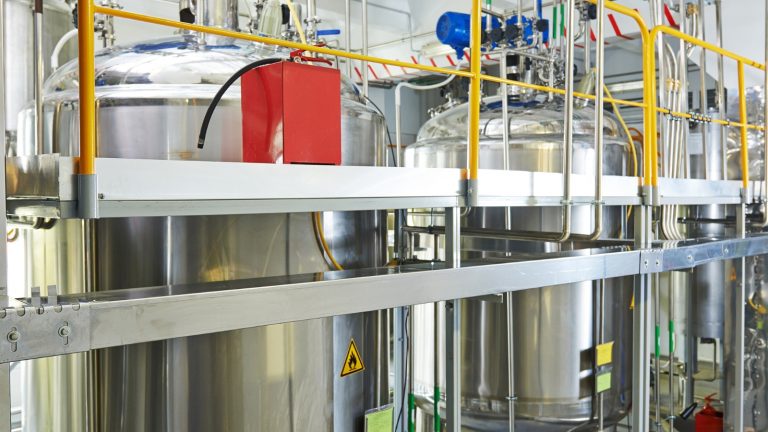
Industrial UV water treatment solutions support high-quality process water management across manufacturing, food processing, pharmaceutical, and energy sectors.
Manufacturing Facilities
Manufacturing operations depend heavily on consistent water quality to support production efficiency and product quality. UV systems for water treatment help manufacturers eliminate harmful microorganisms from process water without introducing chemicals that could interfere with production.
Industries such as electronics, automotive, chemicals, and textiles utilise UV treatment to maintain water purity, reduce contamination risks, and protect sensitive equipment.
As manufacturers increasingly embrace automation and sustainability initiatives, UV technology continues to play a critical role in modern water management strategies.
Food and Beverage Processing
Food and beverage manufacturers must adhere to strict hygiene standards to ensure product safety and regulatory compliance.
A UV water treatment system provides an effective method for disinfecting process water, ingredient water, and cleaning systems while preserving product quality.
Unlike chemical disinfectants that may affect taste, odour, or composition, UV treatment delivers reliable microbial control without altering water characteristics.
This makes UV technology particularly valuable in beverage production, dairy processing, brewing, and packaged food manufacturing.
Pharmaceutical Production
The pharmaceutical industry requires exceptionally high water purity standards throughout manufacturing operations. Ultraviolet water disinfection helps maintain microbiological control in purified water systems, clean-in-place processes, and production environments. By reducing microbial contamination risks, UV systems support product quality, regulatory compliance, and patient safety.
Many pharmaceutical facilities integrate UV reactors into broader water treatment systems to ensure consistent performance and validation capabilities.
Semiconductor Manufacturing
Semiconductor fabrication relies on ultra-pure water to prevent contamination during manufacturing processes.
Even microscopic biological contaminants can compromise product quality and reduce production yields. Industrial UV water treatment solutions help semiconductor manufacturers maintain stringent water purity requirements while minimising operational risks.
Advanced UV systems often work alongside filtration, reverse osmosis, and deionisation technologies to achieve the exceptional water quality demanded by the industry.
Power Generation Facilities
Power plants require reliable water treatment solutions to support cooling systems, boiler operations, and environmental compliance initiatives.
UV systems help control microbial growth, reduce biofouling, and improve water management efficiency throughout power generation facilities. By minimising biological contamination, UV technology contributes to improved equipment performance, reduced maintenance costs, and enhanced operational reliability.
UV Systems for Wastewater Treatment and Water Reuse
UV treatment for wastewater enables safe effluent disinfection and supports sustainable water reuse initiatives without introducing chemical residuals.
Secondary and Tertiary Treatment Processes
Modern wastewater treatment facilities increasingly incorporate UV treatment as part of secondary and tertiary treatment stages. After solids removal and biological treatment processes are completed, UV systems provide final disinfection before water is discharged or reused.
This approach ensures effective pathogen reduction while avoiding the environmental concerns associated with chemical disinfectants.
As sustainability initiatives continue to expand globally, UV treatment for wastewater has become an essential component of advanced treatment strategies.
Effluent Disinfection
Effluent disinfection is one of the most common applications of UV technology in wastewater management. UV systems effectively neutralise bacteria, viruses, and protozoa before treated water is released into rivers, lakes, or coastal environments.
This protects public health, preserves aquatic ecosystems, and helps facilities meet increasingly stringent discharge regulations. Many municipalities view UV treatment as a safer and more sustainable alternative to conventional chemical disinfection methods.
Water Recycling Initiatives
Growing water scarcity concerns have accelerated investments in water recycling and reuse programmes. UV water purification processes play a vital role in producing high-quality reclaimed water suitable for industrial, agricultural, and municipal applications.
By eliminating harmful microorganisms without creating chemical byproducts, UV systems help organisations maximise water reuse opportunities while maintaining safety and regulatory compliance.
Sustainable Water Reuse Programmes
Sustainable water management increasingly depends on advanced treatment technologies capable of supporting circular water economies. UV treatment contributes to water reuse initiatives by providing reliable pathogen control, reducing environmental impacts, and supporting long-term resource conservation goals.
As water utilities and industries pursue sustainability objectives, UV technology continues to serve as a key enabler of responsible water reuse programmes.
UV Systems vs Traditional Water Disinfection Methods
Comparing UV vs chlorination and other treatment methods helps organisations select the most effective and sustainable disinfection strategy for their operations.
UV vs Chlorination
The debate surrounding UV vs chlorination remains one of the most important considerations in water treatment planning.
Chlorination has been widely used for decades due to its ability to provide residual disinfection throughout distribution systems.
However, chlorine can react with organic matter to produce potentially harmful disinfection byproducts. In contrast, UV disinfection technology provides rapid pathogen inactivation without generating chemical residues or altering water chemistry.
While both technologies offer valuable benefits, many facilities increasingly adopt UV systems to complement or reduce reliance on chlorine-based treatment approaches.
UV vs Ozonation
Ozone treatment is another advanced disinfection technology commonly used in water treatment facilities. Ozone offers strong oxidation capabilities and can address certain chemical contaminants in addition to microorganisms.
However, ozone systems typically require more complex infrastructure and higher operational costs. UV systems for water treatment often provide a simpler and more energy-efficient solution for facilities primarily focused on microbial control.
The choice between UV and ozone depends on treatment objectives, water quality characteristics, and operational requirements.
UV vs Chemical Treatment Technologies
Traditional chemical treatment technologies rely on disinfectants such as chlorine, chloramines, and other oxidising agents to eliminate pathogens.
While effective, these methods may introduce chemical residues, require storage of hazardous materials, and generate byproducts that require monitoring. UV treatment eliminates many of these concerns by utilising physical disinfection rather than chemical reactions.
This makes UV technology an increasingly attractive option for facilities seeking sustainable and environmentally responsible treatment solutions.
Comparing Cost, Safety, and Effectiveness
When comparing disinfection technologies, decision-makers must evaluate capital investment, operating costs, safety considerations, and treatment effectiveness. UV systems generally offer lower chemical handling requirements, reduced environmental impacts, and excellent performance against chlorine-resistant organisms.
Although energy consumption and maintenance costs must be considered, many organisations find that UV systems deliver favourable long-term value while enhancing operational safety and regulatory compliance.
Advantages of UV Water Treatment Systems
UV systems offer numerous advantages, including chemical-free disinfection, rapid treatment, environmental sustainability, and lower long-term operational costs.
Chemical-Free Disinfection
One of the most significant advantages of UV technology is its ability to disinfect water without adding chemicals. This eliminates concerns regarding chemical storage, handling, transportation, and residual contamination.
Facilities seeking environmentally friendly treatment solutions often view ultraviolet water disinfection as a practical and sustainable alternative to traditional methods.
Rapid Treatment Cycles
UV systems provide almost instantaneous disinfection as water passes through the treatment chamber. Unlike certain chemical processes that require extended contact times, UV treatment achieves microbial inactivation within seconds.
This rapid performance supports efficient operations and allows facilities to process large volumes of water without significant delays.
No Harmful Disinfection Byproducts
Chemical disinfectants can react with naturally occurring organic compounds to form potentially harmful byproducts. UV systems avoid these reactions entirely because no chemicals are introduced during treatment.
As regulatory scrutiny of disinfection byproducts continues to increase, this advantage has become increasingly important for utilities and industrial operators.
Environmentally Sustainable Operations
Sustainability has become a major priority across the water industry. UV treatment supports environmental goals by reducing chemical consumption, minimising waste generation, and enabling water reuse initiatives.
Many organisations incorporate UV technology into broader sustainability programmes designed to improve resource efficiency and reduce environmental impacts.
Lower Long-Term Operating Costs
Although initial installation costs can vary depending on system size and complexity, UV systems often provide favourable long-term economics. Reduced chemical purchases, simplified compliance requirements, and lower environmental management costs contribute to strong return-on-investment potential.
Advances in lamp efficiency and automation technologies continue to improve the financial attractiveness of UV treatment solutions.
Common Challenges and Limitations of UV Systems
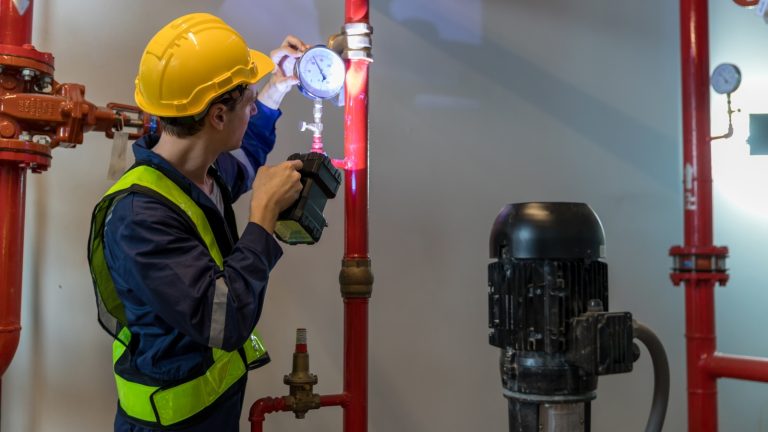
Although highly effective, UV systems require proper maintenance and water quality management to overcome performance limitations and ensure reliable operation.
Water Quality Dependence
The effectiveness of a UV water treatment system depends heavily on incoming water quality. High turbidity, suspended solids, and poor UV transmittance can reduce treatment performance by limiting UV penetration.
Facilities must often implement pre-treatment processes to maintain optimal operating conditions and ensure consistent disinfection results.
Lamp Ageing and Performance Decline
UV lamps gradually lose intensity over time, reducing their ability to deliver the required disinfection dose. Regular monitoring and replacement schedules are essential for maintaining system effectiveness.
Modern control systems help operators track lamp performance and plan maintenance activities before treatment efficiency is compromised.
Power Consumption Considerations
UV systems require a continuous power supply to operate effectively. While advances in lamp technology have improved energy efficiency, electricity consumption remains an important operational consideration.
Facilities must balance treatment objectives, energy costs, and sustainability goals when evaluating UV system performance.
Maintenance Requirements
Although UV systems generally require less maintenance than many chemical treatment technologies, routine servicing remains essential.
Quartz sleeve cleaning, sensor calibration, lamp replacement, and performance verification activities are necessary to ensure reliable operation. Establishing preventive maintenance programmes helps maximise system lifespan and treatment effectiveness.
Maintenance Best Practices for UV Water Treatment Systems
Routine maintenance activities such as lamp replacement, sensor calibration, and sleeve cleaning are essential for maintaining consistent UV disinfection performance.
Lamp Replacement Schedules
UV lamps are the heart of every UV water treatment system, making regular replacement essential for maintaining optimal performance.
Although lamps may continue to emit visible light after their effective lifespan has ended, their germicidal output gradually decreases over time. Most manufacturers provide recommended replacement intervals based on operating hours and performance specifications. Adhering to these schedules helps ensure consistent ultraviolet water disinfection and prevents unexpected declines in treatment effectiveness.
Facilities that proactively manage lamp replacement programmes often experience improved reliability, reduced downtime, and greater regulatory compliance.
Quartz Sleeve Cleaning Procedures
Quartz sleeves protect UV lamps while allowing ultraviolet energy to penetrate the water stream. Over time, mineral scaling, biological growth, and particulate buildup can accumulate on sleeve surfaces, reducing UV transmission efficiency. Routine cleaning procedures help restore optimal performance and maximise UV dose delivery.
Many modern UV systems for water treatment incorporate automatic cleaning mechanisms, but periodic manual inspections remain important to identify potential fouling issues before they impact treatment effectiveness.
Sensor Calibration
UV sensors provide critical real-time data regarding system performance and UV intensity levels. Accurate sensor readings enable operators to verify that sufficient UV doses are being delivered under varying operating conditions.
Regular calibration ensures monitoring equipment remains reliable and compliant with industry standards.
Proper sensor management supports quality assurance initiatives and helps facilities maintain confidence in their UV disinfection technology.
Preventive Maintenance Programmes
A comprehensive preventive maintenance programme helps maximise the lifespan and reliability of UV treatment equipment. Scheduled inspections, component testing, cleaning activities, and performance verification procedures allow operators to identify potential issues before they develop into costly failures.
Preventive maintenance also supports regulatory compliance and ensures the UV reactor system continues to operate efficiently throughout its service life.
Performance Monitoring and Troubleshooting
Continuous performance monitoring enables operators to detect operational abnormalities and respond quickly to changing conditions.
Key performance indicators such as UV intensity, flow rate, lamp status, and water quality measurements provide valuable insights into system health.
Effective troubleshooting procedures help minimise downtime, optimise treatment efficiency, and ensure reliable pathogen control across a wide range of applications.
How to Select the Right UV System for Your Facility
Choosing the right UV system involves evaluating treatment goals, water quality characteristics, regulatory requirements, and long-term operational costs.
Defining Treatment Objectives
Selecting the appropriate UV solution begins with a clear understanding of treatment goals. Different facilities may prioritise drinking water disinfection, wastewater treatment, water reuse, process water quality, or regulatory compliance.
Identifying these objectives helps determine the required UV dose, reactor design, monitoring capabilities, and system configuration. A well-defined treatment strategy ensures investments align with operational requirements and long-term performance expectations.
Calculating Flow and Capacity Requirements
Flow rate is one of the most important factors influencing UV system selection.
Facilities must accurately assess current and future water demand to ensure adequate treatment capacity. Undersized systems may struggle to deliver required disinfection levels during peak operating periods, while oversized systems can result in unnecessary capital expenditures.
Proper flow analysis supports efficient design and sustainable operation.
Evaluating Water Quality Characteristics
Water quality directly impacts UV system performance. Parameters such as turbidity, UV transmittance, hardness, iron content, and suspended solids influence treatment effectiveness and maintenance requirements.
Conducting a detailed water quality assessment helps determine whether pre-treatment processes are necessary and ensures the selected UV water treatment system can consistently achieve desired outcomes.
Assessing Regulatory Compliance Needs
Different industries and jurisdictions maintain unique water quality regulations and performance standards. Municipal utilities, industrial facilities, and wastewater treatment plants must ensure their UV systems satisfy applicable compliance requirements.
Selecting equipment that incorporates validated performance data, monitoring capabilities, and reporting functions simplifies regulatory adherence and minimises compliance risks.
Total Cost of Ownership Analysis
While initial purchase costs are important, organisations should evaluate the total cost of ownership when selecting UV treatment equipment.
Factors such as energy consumption, maintenance expenses, lamp replacement costs, operational efficiency, and expected service life contribute to long-term financial performance.
A comprehensive evaluation helps decision-makers identify solutions that deliver maximum value over time.
Emerging Innovations in UV Water Treatment Technology

Emerging technologies such as UV LEDs, AI analytics, and IoT-enabled monitoring are transforming the efficiency and capabilities of modern UV treatment systems.
UV LED Systems
UV LED technology represents one of the most exciting developments in the water treatment industry. Unlike traditional mercury-based lamps, UV LEDs offer compact designs, instant on-off operation, lower energy consumption, and reduced environmental concerns.
Although large-scale adoption is still evolving, UV LEDs have significant potential to transform future UV systems for water treatment through enhanced efficiency and flexibility.
Smart Monitoring and IoT Integration
The integration of Internet of Things (IoT) technologies is revolutionising UV treatment operations. Smart sensors, connected controllers, and cloud-based monitoring platforms provide continuous visibility into system performance.
Real-time data collection enables operators to identify trends, detect anomalies, and make informed decisions that improve operational efficiency and treatment reliability.
AI-Driven UV Performance Optimisation
Artificial intelligence is becoming increasingly valuable in modern water treatment environments. AI-powered analytics can process vast amounts of operational data to optimise UV dose delivery, predict maintenance requirements, and improve energy efficiency.
By continuously analysing system performance, AI technologies help facilities maximise treatment effectiveness while minimising operational costs.
Automated Predictive Maintenance
Predictive maintenance solutions leverage advanced analytics and machine learning algorithms to anticipate equipment failures before they occur. Rather than relying solely on fixed maintenance schedules, operators can use predictive insights to optimise servicing activities based on actual equipment conditions.
This approach improves reliability, reduces downtime, and extends the lifespan of UV treatment infrastructure.
Energy-Efficient UV Reactor Designs
Manufacturers continue to develop innovative UV reactor system designs that maximise treatment efficiency while reducing energy consumption.
Advanced hydraulic engineering, improved lamp technologies, and optimised flow dynamics enable facilities to achieve superior disinfection performance with lower operational costs. These innovations support both economic and environmental sustainability objectives.
How Digital Water Platforms Enhance UV Treatment Operations
Digital water platforms improve UV treatment performance through real-time monitoring, predictive maintenance, automated reporting, and AI-powered insights.
Real-Time UV System Monitoring
Digital water platforms provide centralised visibility into UV treatment operations by collecting and analysing performance data from multiple sources.
Operators can monitor UV intensity, flow rates, water quality parameters, and equipment status through intuitive dashboards. Real-time visibility enables faster decision-making and supports proactive operational management.
Asset Performance Management
Effective asset management is critical for maintaining reliable treatment operations. Digital platforms help organisations track equipment performance, maintenance history, and lifecycle costs across UV infrastructure.
These insights support strategic planning and enable more efficient allocation of maintenance resources.
Predictive Maintenance Analytics
Advanced analytics tools can identify subtle performance trends that may indicate emerging equipment issues. By deploying predictive maintenance capabilities, organisations can reduce unplanned downtime, optimise maintenance schedules, and improve overall operational reliability.
These capabilities are particularly valuable in large municipal water treatment UV systems where continuous operation is essential.
Automated Compliance Reporting
Regulatory reporting can be time-consuming and resource-intensive.
Digital water management platforms automate data collection, report generation, and compliance documentation, reducing administrative burdens while improving accuracy.
Automated reporting capabilities help facilities maintain transparency and demonstrate compliance with evolving regulatory requirements.
AI-Powered Water Quality Insights
Artificial intelligence enables a deeper analysis of operational and water quality data than traditional monitoring approaches. AI-powered platforms can identify patterns, predict treatment challenges, and recommend corrective actions before issues affect performance.
These capabilities help operators continuously improve treatment efficiency and maintain consistent water quality standards.
Tigernix AI-Powered UV System Monitoring and Performance Optimisation
Tigernix Treatment Asset Solution is an Industry 4.0-driven software platform that enables water treatment facilities, municipalities, and water boards to execute UV disinfection operations with greater precision through AI-driven monitoring and automation. Our platform continuously tracks UV intensity, lamp performance, flow rates, UV transmittance, and treatment efficiency in real time.
Using predictive analytics, the Tigernix solution identifies performance deviations before they impact water quality, allowing operators to optimise UV dose delivery, reduce energy consumption, maintain regulatory compliance, and ensure uninterrupted ultraviolet disinfection across the entire treatment network.
Automated Asset Management and Predictive Maintenance for UV Infrastructure
Tigernix Treatment Asset Solution streamlines the management of UV reactors, lamps, quartz sleeves, sensors, and associated treatment assets through intelligent automation capabilities. The system automatically schedules maintenance activities, predicts component failures using AI algorithms, generates work orders, and prioritises critical interventions based on asset health conditions.
This approach minimises unplanned downtime, extends equipment lifespan, improves operational reliability, and helps water utilities maximise the performance of UV treatment infrastructure while reducing maintenance costs and operational risks.
Call for a free demo now.
Tigernix-Water Treatment Excellence Within.
Future-Proofing Water Treatment With Advanced UV Systems
As water quality challenges become increasingly complex, organisations must adopt treatment technologies capable of delivering reliable performance, regulatory compliance, and long-term sustainability. This is where UV systems for water treatment have established themselves as one of the most effective solutions for controlling harmful microorganisms while minimising environmental impacts. Their ability to provide rapid, chemical-free disinfection has made them indispensable across municipal, industrial, and wastewater treatment applications.
From drinking water facilities and manufacturing plants to water reuse initiatives and advanced treatment programmes, UV technology continues to evolve through innovations such as AI, IoT connectivity, predictive maintenance, and UV LED development. These advancements are improving efficiency, reducing operational costs, and expanding the capabilities of modern treatment systems.
FAQs About UV Systems for Water Treatment
UV systems are highly effective at neutralising bacteria, viruses, and protozoa by damaging their genetic material and preventing reproduction. When properly designed and maintained, UV disinfection technology can achieve exceptionally high microbial reduction rates without the use of chemicals.
No. UV systems primarily target biological contaminants such as bacteria, viruses, and protozoa. While UV treatment excels at microbial disinfection, additional technologies such as activated carbon filtration, reverse osmosis, or advanced oxidation may be required to address chemical pollutants.
Lamp replacement intervals vary depending on system design and manufacturer specifications. Most UV lamps require replacement after approximately 8,000 to 12,000 operating hours to ensure consistent UV output and reliable disinfection performance.
The required UV dose depends on treatment objectives, water quality conditions, and target microorganisms. Regulatory standards often specify minimum UV doses necessary to achieve desired pathogen reduction levels. Proper system design ensures these requirements are consistently met.
Yes. Municipal water treatment UV systems are widely used around the world for drinking water treatment, wastewater disinfection, and water reuse applications. Advanced reactor designs allow facilities to efficiently treat very large water volumes while maintaining regulatory compliance.