
Australia’s water utilities are facing growing operational complexity as urban expansion, climate variability, ageing infrastructure, and rising customer expectations place unprecedented pressure on distribution networks. According to the Australian Bureau of Statistics, Australia’s population exceeded 27 million in 2025, continuing to increase demand on municipal water infrastructure and requiring utilities to optimise network performance more accurately than ever before.
Traditional hydraulic analysis often relies on periodic updates and historical assumptions, making it difficult to capture rapidly changing network conditions. We know that modern operators require continuous visibility into pressure behaviour, demand fluctuations, infrastructure performance, and emerging operational risks. This is where real-time hydraulic modelling water distribution capabilities becomes essential.
Rather than relying solely on static engineering models, Tigernix combines live operational intelligence with advanced hydraulic analytics to create a continuously updated network representation. As the latter integrates telemetry, smart infrastructure data, predictive analytics, GIS intelligence, and digital twin technologies, your operators gain a comprehensive understanding of how their networks behave at any given moment.
This article explores how Tigernix empowers Australian water distribution operators with advanced real-time hydraulic modelling water distribution capabilities that improve reliability, optimise asset utilisation, reduce water losses, and support proactive operational decision-making.
We will look into
- Why Real-Time Hydraulic Modelling Matters
- What Is Real-Time Hydraulic Modelling?
- How Tigernix Converges SCADA With The Hydraulic Model
- How Real-Time Hydraulic Models Predict Demand And Pressure
- How Hydraulic Modelling Detects Leaks And Bursts
- How Valve And Pump Station Management Benefits
- How The 3D Digital Twin Enhances Hydraulic Modelling
- How GIS Integrates With The Hydraulic Model
- How Scenario Modelling Supports Operational Planning
- How Prescriptive Analytics Uses Hydraulic Model Outputs
- Common Gaps Without Real-Time Hydraulic Modelling
- How To Implement Real-Time Hydraulic Modelling
- FAQs About Real-Time Hydraulic Modelling Water Distribution
Why Real-Time Hydraulic Modelling Matters

Real-time hydraulic modelling allows water utilities to understand network conditions as they occur, enabling faster decisions, improved operational control, and better service reliability.
Key Takeaways
- Real-time hydraulic modelling helps Australian water utilities continuously monitor and optimise distribution network performance.
- SCADA integration and live telemetry enable accurate, continuously calibrated hydraulic simulations.
- Predictive analytics improve leak detection, burst identification, and pressure anomaly response.
- AI-driven modelling supports demand forecasting, energy optimisation, and proactive infrastructure management.
Static Models Failing to Reflect Live Network Conditions
It is indeed a challenge that conventional hydraulic studies usually rely on assumptions generated during previous planning exercises.
As customer consumption patterns evolve and infrastructure conditions change, these models become increasingly disconnected from actual operations. On the other hand, they limit the effectiveness of water distribution network modelling Australia initiatives and reduce engineering confidence.
Pressure and Demand Changes Happening Faster Than Manual Updates
Water networks experience continual fluctuations caused by consumption behaviour, weather conditions, industrial activity, and operational interventions.
Manual model updates cannot keep pace with these rapid changes. This is when they create blind spots that prevent operators from accurately understanding system performance and emerging operational risks.
Why Live Hydraulic Data Transforms Operator Decision-Making
Access to continuously updated operational information enables teams to make evidence-based decisions rather than relying on assumptions.
With accurate network visibility, operators can identify anomalies earlier, optimise infrastructure performance, improve service reliability, and strengthen overall operator decision support capabilities across distribution operations.
The Cost of Operating Without a Real-Time Hydraulic Model
Without dynamic visibility, utilities often react to issues after customers are affected.
Pressure failures, excessive energy consumption, water losses, and delayed response times can increase operational expenditure while reducing customer confidence.
These challenges become more significant as network complexity continues to expand.
What Is Real-Time Hydraulic Modelling?
Real-time hydraulic modelling continuously updates hydraulic calculations using live operational data, providing an accurate representation of current and future network conditions.
Defining Hydraulic Modelling for Water Distribution Networks
A hydraulic model is a mathematical representation of a water distribution system that calculates how water moves through pipes, pumps, valves, reservoirs, and customer connections.
It evaluates network behaviour based on pressure, flow, infrastructure characteristics, and operational constraints.
How Real-Time Data Calibrates the Model Continuously
Modern systems utilise real-time calibration processes that automatically compare measured operational values against model outputs.
Continuous adjustment ensures hydraulic calculations remain aligned with actual field conditions. Plus, it improves model accuracy and supports more reliable operational planning throughout the distribution network.
Predicting Pressure States and Demand Across the Network
It is clear that advanced analytics enable hydraulic state prediction capabilities that estimate future network behaviour before operational issues emerge.
Since it is possible to analyse historical patterns and live operational conditions, utilities can anticipate changing network requirements and maintain service reliability during varying demand conditions.
How It Differs From Traditional Static Hydraulic Models
Traditional approaches often depend on periodic engineering reviews and manual adjustments. In contrast, real-time hydraulic modelling of water distribution environments continuously ingests operational information, allowing the model to evolve alongside changing network conditions and to provide significantly greater operational relevance.
How Tigernix Converges SCADA With the Hydraulic Model
Tigernix software solutions create a unified operational environment by combining live operational telemetry with hydraulic analytics, enabling continuous network visibility and improved decision-making.
Connecting SCADA Telemetry Directly Into the Hydraulic Model
Tigernix enables seamless SCADA integration by connecting operational telemetry streams directly into hydraulic calculations.
This approach supports hydraulic model SCADA integration Australia requirements while ensuring that field measurements continuously influence model behaviour and improve network visibility.
Live Pressure and Flow Data Calibrating the Model in Real Time
Continuous flow monitoring and pressure measurements allow the model to remain synchronised with actual operating conditions. Through a secure real-time data feed, hydraulic calculations automatically reflect changes in network behaviour.
It supports faster operational responses and improved infrastructure management.
Smart Meter Data Feeding Nodal Demand Into the Simulation
Customer consumption information collected through a smart water meter network provides valuable insights into nodal demand behaviour. This data enhances model accuracy by reflecting actual consumption patterns.
What is more, it helps operators better understand network loading and service requirements.
Unified Operational View of Hydraulics and Asset Performance
When they combine hydraulic intelligence with asset information, operators gain visibility into system-wide performance.
In such environments, integrated dashboards support distribution performance analytics, allowing engineering teams to evaluate network efficiency, infrastructure utilisation, and operational trends from a single environment.
How Real-Time Hydraulic Models Predict Demand and Pressure
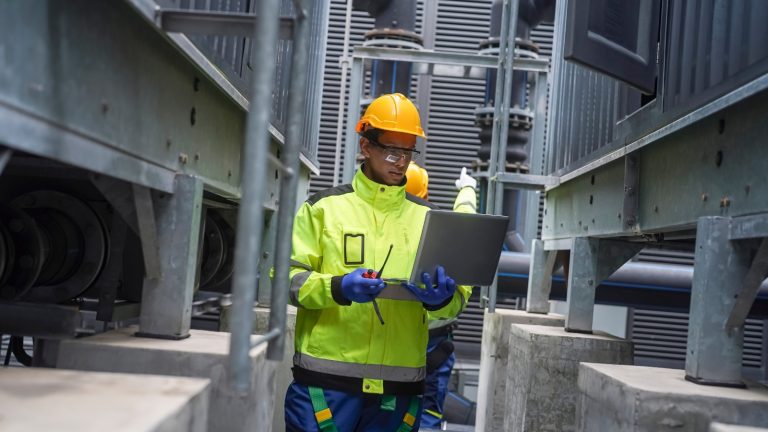
Advanced hydraulic analytics help utilities forecast changing network conditions and proactively manage pressure and demand before operational issues emerge.
Diurnal Demand Patterns Informing Daily Pressure Management
Understanding the diurnal demand pattern enables operators to anticipate daily fluctuations in consumption. By analysing recurring usage cycles, utilities can improve pressure zone management.
It is also possible to maintain service stability and minimise unnecessary operational interventions throughout the day.
AI Forecasting Peak Demand Across District Metered Areas
Artificial intelligence algorithms support water demand prediction Australia initiatives by identifying future consumption trends.
These systems evaluate customer behaviour within each district metered area, helping utilities prepare infrastructure resources and operational strategies for upcoming demand requirements.
Predicting Hydraulic States Before Network Stress Events
Advanced forecasting engines assess operational variables and generate predictive insights before network conditions deteriorate. This capability strengthens demand forecasting accuracy while providing operators with greater confidence when planning infrastructure utilisation and resource allocation.
Proactive Pressure Zone Adjustments Ahead of Demand Peaks
Tigernix supports real-time hydraulic modelling water distribution by helping operators adjust network settings before pressure issues develop.
Forecast-driven control strategies improve network stability during high-demand periods and reduce the likelihood of customer service disruptions.
How Hydraulic Modelling Detects Leaks and Bursts
Hydraulic modelling helps utilities identify abnormal network behaviour quickly, allowing faster response to leaks, bursts, and water loss events.
Pressure Drop Anomalies Flagging Potential Pipe Bursts
Sudden pressure deviations can indicate significant infrastructure failures developing within the network.
Advanced analytics continuously monitor pressure behaviour and identify abnormal patterns associated with potential burst-detection events before widespread service impacts occur.
Unexplained Flow Increases Indicating Active Leak Locations
Unexpected increases in network flows often indicate water losses that require investigation. Using advanced leak detection hydraulic techniques, utilities can identify abnormal consumption patterns and focus resources on areas most likely experiencing active leakage.
Isolating Pressure Transients Linked to Burst Events
Hydraulic systems frequently experience short-duration disturbances known as pressure transient events. By analysing these rapid fluctuations, operators can better understand infrastructure stress conditions and identify network sections vulnerable to future failures.
Pinpointing Leak Zones for Targeted Field Response
Tigernix enhances the distribution network leak detection hydraulic model capabilities by narrowing potential failure locations.
This targeted approach reduces investigation time, improves maintenance efficiency, and enables field crews to address issues before significant water losses occur.
How Valve and Pump Station Management Benefits
Real-time hydraulic intelligence improves operational control by helping utilities optimise valve operations, pump performance, and system-wide efficiency.
Hydraulic Model Guiding Optimal Valve Operation Sequences
Hydraulic analysis allows operators to evaluate the impact of operational changes before implementation. By supporting intelligent valve management, Tigernix helps utilities minimise service disruptions, maintain network stability, and execute operational procedures with greater confidence and precision.
Pump Station Performance Validated Against Hydraulic Targets
Operators can compare actual performance against expected hydraulic outcomes to ensure infrastructure operates efficiently.
This visibility improves understanding of pump station hydraulics, enabling engineering teams to verify operational effectiveness and maintain desired service levels.
Identifying Pump Inefficiencies Through Live Hydraulic Data
Continuous performance monitoring helps utilities detect energy waste, operational deviations, and emerging equipment issues.
By analysing hydraulic conditions in real time, operators can implement corrective actions that improve efficiency and support broader network optimisation objectives.
Simulating Valve Closures Before Physical Intervention
Before performing operational changes, engineers can conduct virtual assessments using advanced simulation tools.
These evaluations reduce uncertainty, minimise operational risks, and improve confidence when implementing field activities that may influence network performance.
How the 3D Digital Twin Enhances Hydraulic Modelling

A digital twin provides a visual and analytical representation of the network, allowing operators to understand infrastructure behaviour in a highly intuitive environment.
3D Visualisation of Full Distribution Network Conditions
Tigernix delivers a comprehensive digital twin water distribution Australia capability that visualises hydraulic conditions throughout the entire network.
Operators can rapidly understand system status, identify emerging concerns, and evaluate infrastructure performance using highly detailed operational views.
Monitoring Pipeline Conditions and Degradation in Real Time
The platform continuously monitors infrastructure conditions alongside hydraulic performance indicators.
This integrated approach allows engineering teams to identify deterioration trends, assess operational impacts, and prioritise maintenance activities based on actual network behaviour rather than assumptions.
Testing Infrastructure Changes in the Virtual Model First
A 3D network model enables utilities to evaluate operational and infrastructure changes before implementation.
Engineers can assess likely outcomes, reduce project risks, and improve planning accuracy by testing proposed modifications within a controlled virtual environment.
Live Sync Between 3D Model and Real Network Telemetry
Through advanced telemetry integration, the digital twin remains synchronised with operational conditions.
This creates a dynamic digital twin distribution environment that reflects changing network behaviour and provides a continually updated operational representation.
How GIS Integrates With the Hydraulic Model
GIS integration combines location intelligence with hydraulic analytics, helping operators visualise network risks, infrastructure conditions, and operational priorities geographically.
GIS Mapping Pressure Zones and Hydraulic Risk Areas
Integrated GIS pipe mapping capabilities allow utilities to visualise network assets, pressure boundaries, and operational risk areas spatially.
Geographic context improves situational awareness and enables more effective planning, monitoring, and infrastructure management activities.
Overlaying Pipe Condition Data With Hydraulic State Outputs
Combining asset condition information with hydraulic analytics creates a richer operational picture.
Engineering teams can evaluate infrastructure performance alongside operational stress indicators, improving maintenance prioritisation and supporting more informed investment planning decisions.
Identifying Weak Links Through Combined GIS and Hydraulic Views
Tigernix helps utilities identify vulnerable infrastructure by combining location intelligence with operational performance data.
This integrated approach improves visibility into asset criticality, enabling organisations to focus resources on components that present the highest operational risk.
Operator-Facing GIS Maps for Field Crew Deployment
Interactive geographic dashboards provide operational teams with actionable information for field activities.
By combining hydraulic insights with location-based intelligence, utilities can improve response coordination, optimise workforce deployment, and enhance operational efficiency across service areas.
How Scenario Modelling Supports Operational Planning
Scenario modelling enables utilities to evaluate future operational conditions, infrastructure changes, and potential risks before implementing real-world decisions.
Simulating Planned Maintenance Impacts on Network Hydraulics
Utilities frequently need to isolate infrastructure for maintenance activities.
Through advanced scenario modelling, operators can assess how temporary service changes may influence network performance, helping minimise customer impacts and maintain operational continuity during planned works.
Testing Fire Flow Demand Scenarios Across Pressure Zones
Emergency response planning requires confidence that sufficient water supplies can be delivered when required.
Hydraulic simulations allow utilities to evaluate network resilience under extreme demand conditions and identify areas requiring operational improvements or infrastructure upgrades.
Modelling New Development Connections Before Approval
Urban expansion places increasing demands on distribution infrastructure. By evaluating future connections before approval, utilities can assess expected consumption impacts, understand capacity limitations, and ensure proposed developments can be supported without compromising network performance.
Evaluating Capital Upgrade Options Against Hydraulic Performance
Infrastructure investment decisions benefit from objective performance analysis. Hydraulic simulations allow engineering teams to compare multiple upgrade options and determine which projects deliver the greatest operational improvements, risk reduction, and long-term value.
How Prescriptive Analytics Uses Hydraulic Model Outputs

Prescriptive analytics transforms hydraulic insights into actionable recommendations that help operators improve efficiency, reliability, and operational performance.
Recommending Pressure Adjustments Based on Live Model Data
Advanced analytics evaluate operational conditions continuously and recommend pressure modifications when required.
These recommendations improve service stability, support infrastructure protection objectives, and help utilities maintain consistent operational performance across the distribution network.
Prescribing Optimal Pump Scheduling for Energy Efficiency
Hydraulic insights help utilities align pumping operations with network requirements.
By analysing demand trends, pressure requirements, and operational conditions, Tigernix identifies opportunities to reduce energy consumption while maintaining service quality and operational reliability.
Alerting Operators to Hydraulic Anomalies Requiring Intervention
The platform continuously analyses hydraulic behaviour to identify conditions that differ from expected performance.
Automated alerts enable engineering teams to investigate emerging issues early, reducing operational risks and helping prevent service disruptions before they escalate.
Supporting Investment Decisions With Hydraulic Performance Evidence
Data-driven planning improves infrastructure investment outcomes.
Tigernix provides measurable operational evidence through water network performance analytics Australia capabilities, allowing utilities to prioritise projects based on performance improvements, risk reduction, and strategic business objectives.
Common Gaps Without Real-Time Hydraulic Modelling
Without dynamic hydraulic visibility, utilities often face operational blind spots that increase risk, reduce efficiency, and limit proactive decision-making.
Operators Reacting to Pressure Failures Without Early Warning
When real-time visibility is unavailable, operators frequently discover issues only after customer complaints emerge.
This reactive approach increases response times, limits operational flexibility, and makes it more difficult to maintain consistent service performance throughout the network.
Leaks Undetected Until Surface Breaks Become Visible
Small leaks can remain hidden for extended periods before becoming obvious failures.
Without continuous hydraulic monitoring, utilities may experience prolonged water losses, increasing operational costs and placing unnecessary stress on network infrastructure.
Valve Operations Based on Guesswork Rather Than Hydraulic Data
Operational decisions made without accurate hydraulic insight can create unintended consequences.
Inadequate visibility increases uncertainty, making it more challenging to evaluate potential outcomes and maintain stable network performance during operational interventions.
Capital Planning Disconnected From Network Performance Reality
Infrastructure investment strategies are most effective when supported by operational evidence.
Without accurate hydraulic visibility, planning decisions may rely on assumptions rather than actual performance data, reducing the effectiveness of long-term investment programmes.
Limited Visibility Into Pipe Pressure Monitoring Trends
Without continuous pipe pressure monitoring, utilities may struggle to identify emerging operational risks.
Important performance indicators can remain unnoticed, reducing the ability to proactively address issues before they affect customers or infrastructure reliability.
Missed Opportunities for Improved Flow Monitoring
Inadequate flow monitoring capabilities limit understanding of network behaviour and operational efficiency.
Utilities may overlook valuable insights that could support optimisation initiatives, improve resource utilisation, and strengthen overall distribution system performance.
Delayed Insights From Incomplete Live Hydraulic Model Calibration
Without effective live hydraulic model calibration, hydraulic representations gradually diverge from actual field conditions.
This reduces confidence in operational analysis and limits the ability of engineering teams to make informed decisions based on model outputs.
How To Implement Real-Time Hydraulic Modelling

Implementing advanced hydraulic intelligence requires a structured approach that combines data integration, system calibration, and workforce readiness.
Establishing an Accurate Base Hydraulic Model First
Successful deployment begins with a validated hydraulic state prediction foundation built on a reliable hydraulic model. Utilities must ensure asset data, network topology, and operational parameters are accurate before introducing live data streams to avoid compounding modelling errors.
Connecting SCADA, IIoT Sensors, and Smart Meters to the Model
Modern implementation relies on seamless SCADA integration combined with field intelligence from IIoT pressure sensor deployments and customer-side measurements from a smart water meter network.
This multi-source connectivity enables continuous data exchange and strengthens operational visibility.
Calibrating the Model Against Historical Pressure and Flow Data
Effective real-time calibration ensures that model outputs align with actual field behaviour. Historical datasets help refine system accuracy by validating assumptions around consumption, pressure behaviour, and infrastructure performance under varying operating conditions.
Training Operators on Real-Time Hydraulic Model Interpretation
Even the most advanced systems require skilled operators. Training ensures engineering teams can interpret outputs, respond to alerts, and apply insights effectively.
Strong adoption improves operational efficiency and enhances decision-making confidence across all levels of the utility.
Why Choose Tigernix For Hydraulic Modelling
Tigernix Distribution Asset Solution provides a unified platform that combines hydraulic intelligence, operational data, and predictive analytics into a single ecosystem for water utilities.
SCADA-Converged Real-Time Hydraulic Model Built In
Tigernix solution delivers a fully integrated real-time hydraulic modelling water distribution platform that merges live telemetry with advanced hydraulic computation. This convergence enables utilities to monitor system behaviour continuously and respond to operational changes with precision.
AI Demand And Pressure State Prediction Across The Network
Our platform employs advanced algorithms for water demand prediction Australia, enabling utilities to anticipate consumption trends and pressure variations.
This strengthens planning accuracy and improves system resilience during fluctuating demand conditions.
3D Digital Twin Synced With Live Distribution Telemetry
Its fully synchronised 3D network model provides real-time visualisation of system performance.
This digital twin distribution environment helps operators understand hydraulic conditions spatially and respond to emerging issues with greater situational awareness.
GIS Mapping And Prescriptive Analytics Fully Integrated
Tigernix software solution combines GIS pipe mapping with advanced analytics to deliver actionable insights. By linking spatial intelligence with operational data, utilities gain a complete understanding of infrastructure conditions, risks, and performance trends across the network.
Trusted By Australian Water Distribution Operators
Tigernix supports utilities across Australia with scalable solutions that enhance water distribution network modelling Australia capabilities. Its platform improves reliability, reduces losses, and strengthens long-term operational efficiency across complex distribution systems.
Tigernix-Ensure Productive Water Distribution
Ready To Model Your Network In Real Time?
Water utilities can transform operational efficiency and resilience by adopting intelligent hydraulic systems that continuously reflect real-world conditions.
Consult Tigernix Distribution System Specialists Today
Engage with our Industry 4.0 experts to evaluate current infrastructure challenges and explore how advanced hydraulic modelling can improve operational visibility, reduce risks, and support smarter decision-making across your network.
Call for a free demo.
Explore Tigernix Distribution Asset Solution Capabilities
Discover how integrated analytics, telemetry, and modelling tools work together to enhance distribution network leak detection, hydraulic model performance and strengthen overall system reliability.
Deploy Real-Time Hydraulic Modelling Across Your Network
Implement a fully integrated solution designed for real-time hydraulic modelling water distribution environments, enabling continuous optimisation, predictive insights, and improved operational control across all pressure zones.
Enhancing Water Network Performance Analytics Across Australia
Tigernix strengthens water network performance analytics Australia capabilities by unifying hydraulic simulation, asset intelligence, and operational data into a single platform that supports long-term infrastructure sustainability and efficiency.
FAQs About Real-Time Hydraulic Modelling In Water Distribution
Real-time hydraulic modelling is a continuously updated simulation of a water network that uses live operational data to reflect current conditions. It integrates flow, pressure, and demand inputs to dynamically adjust calculations, improving operational accuracy and enabling proactive network control.
SCADA integration improves model accuracy by feeding live telemetry, such as pressure and flow, directly into the hydraulic engine. This enables continuous recalibration of system behaviour, ensuring the model reflects real operating conditions rather than static or outdated assumptions.
Real-time models detect leaks and bursts by identifying abnormal pressure drops, unexpected flow increases, and hydraulic transients. These anomalies help operators localise potential failure zones quickly, reducing response time and limiting water losses across the distribution network.
A digital twin provides a 3D virtual replica of the water network that synchronises with live hydraulic data. It visualises pressure, flow, and asset performance in real time, enabling better situational awareness and supporting faster, data-driven operational decisions.
Hydraulic modelling optimises pump and pressure zone performance by analysing demand patterns and system constraints. It enables operators to adjust pump scheduling and pressure settings efficiently, reducing energy consumption while maintaining stable service delivery across the network.