What if a regional treatment operator in Australia notices oxygen levels collapsing across one side of an aeration basin all of a sudden? Within minutes, alarms reveal a partially blocked diffuser grid that had silently reduced oxygen transfer overnight. The aeration processes can account for nearly 60% of total wastewater treatment electricity usage in conventional facilities, which makes operational visibility critical for utilities seeking lower energy intensity and stronger treatment stability.
That is the main reason modern utilities now rely on aeration system efficiency water treatment strategies driven by intelligent analytics, continuous sensing, and predictive automation to prevent those hidden inefficiencies from escalating.
In this article, we explore how to manage aeration system efficiency in water treatment tanks with the use of IoT Sensor data.
The article covers
- Why Aeration Efficiency Is a Critical Challenge
- How Aeration Systems Work in Treatment Tanks
- What IIoT Sensors Monitor in Aeration Systems
- How Real-Time DO Data Optimises Aeration Control
- How IIoT Data Detects Diffuser Fouling and Blockages
- How Predictive Maintenance Protects Aeration Assets
- How AI Analytics Optimises Aeration Energy Use
- How Digital Twin Simulates Aeration Performance
- How SCADA Integration Enhances Aeration Control
- How Aeration Monitoring Supports Water Quality Compliance
- Common Aeration Efficiency Problems Without IIoT
- How to Build an IIoT Aeration Monitoring Programme
- FAQs About Aeration Systems
Why Aeration Efficiency Is a Critical Challenge
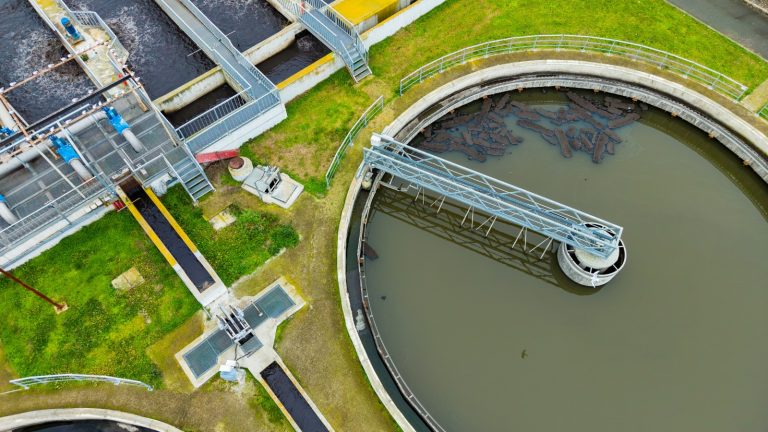
The aeration efficiency is a challenge because modern treatment facilities depend on accurate oxygen transfer management to maintain stable biological activity while controlling escalating operational energy costs.
Key Takeaways
- IIoT sensors enable real-time visibility across aeration tanks and blower systems.
- Continuous DO monitoring helps reduce unnecessary aeration energy consumption.
- Predictive analytics detects blower and diffuser problems before failures occur.
- SCADA integration strengthens treatment control, compliance, and operational efficiency.
Aeration Consuming up to 60% of Plant Energy
Operators managing ageing infrastructure often discover that inefficient oxygen delivery quietly inflates utility expenditure month after month.
In many municipal facilities, the largest electrical demand comes from blowers supplying air across biological basins.
Poor tuning, ageing diffusers, and unstable loading conditions frequently weaken aeration system efficiency while increasing unnecessary airflow demand during low-load treatment periods.
Inefficient DO Levels Harming Treatment Outcomes
During peak rainfall events, treatment managers frequently battle fluctuating oxygen conditions that destabilise microbial activity. A poorly calibrated dissolved oxygen DO sensor can cause excessive oxygen delivery or oxygen starvation, both of which interfere with biomass performance.
When microbial colonies become stressed, nutrient conversion slows, sludge settling quality declines, and treatment consistency becomes increasingly unpredictable across multiple process zones.
Manual Monitoring Missing Real-Time Process Changes
A supervisor walking between basins every few hours cannot capture rapid process shifts occurring minute by minute. Traditional spot checks fail to identify sudden airflow instability, oxygen depletion, or abnormal blower loading.
Facilities without continuous airflow monitoring often discover operational inefficiencies only after elevated energy invoices, odour complaints, or declining biological performance begin affecting overall plant reliability.
Why Smart Sensor Data Transforms Aeration Management
Digital monitoring changes aeration from reactive troubleshooting into proactive optimisation.
When combining live oxygen readings, motor telemetry, and process analytics, utilities can respond instantly to process fluctuations. Advanced IIoT aeration-monitoring water treatment systems provide engineers with continuous operational intelligence that supports faster decision-making, reduced energy waste, and more stable treatment performance across interconnected tank networks.
How Aeration Systems Work in Treatment Tanks
Aeration systems sustain microbial treatment activity by transferring oxygen into wastewater through carefully engineered air delivery infrastructure.
Fine and Coarse Bubble Diffuser Types Explained
Treatment plants generally select diffuser designs according to oxygen transfer requirements and basin characteristics.
A fine bubble diffuser produces smaller bubbles with greater surface area, improving oxygen transfer efficiency for energy-sensitive operations.
Meanwhile, a coarse bubble diffuser performs better in applications requiring aggressive mixing, especially where solids accumulation or heavy industrial influent creates a higher fouling risk.
Activated Sludge and Biological Treatment Processes
Inside treatment basins, microorganisms consume organic pollutants while converting harmful compounds into safer forms. The activated sludge process depends on stable oxygen transfer to maintain healthy microbial populations throughout the basin.
During biological treatment, operators carefully balance oxygen availability, sludge age, and hydraulic retention to support microbial efficiency without creating unnecessary energy demand.
How Blowers Supply Air to Submerged Diffusers
Blowers operate as the respiratory system of an aeration basin, pushing compressed air through a submerged air distribution system connected to diffuser grids beneath the water surface.
Uneven loading, leaking pipelines, or unstable pressure conditions can rapidly influence oxygen transfer efficiency.
Consistent blower performance, therefore, becomes essential for sustaining stable oxygen delivery across every treatment zone.
Nitrification and Denitrification Aeration Requirements
Modern nutrient removal systems rely on carefully sequenced oxygen conditions to support microbial conversion stages.
During nitrification-denitrification operations, aerobic bacteria first convert ammonia into nitrate before anoxic zones complete nitrogen removal. Facilities operating advanced systems such as a membrane bioreactor must maintain highly controlled oxygen profiles because small imbalances can disrupt nutrient removal efficiency and membrane stability.
What IIoT Sensors Monitor in Aeration Systems
Continuous sensing allows operators to observe treatment behaviour in real time rather than depending on delayed manual inspections.
1.Dissolved Oxygen Sensors Tracking Treatment Performance
Oxygen availability directly influences microbial health, sludge stability, and nutrient conversion efficiency. A modern dissolved oxygen sensor water tank installation continuously measures oxygen concentration at different basin depths and zones.
With reliable real-time DO monitoring, operators can identify dead zones, oxygen surges, or uneven basin behaviour before treatment quality begins deteriorating.
2. Airflow Sensors Monitoring Blower Output Continuously
Engineers frequently install a calibrated flow sensor within blower discharge pipelines to monitor changing air demand throughout the day.
Variations in airflow patterns often reveal process imbalances, changing biological loads, or mechanical inefficiencies.
Continuous telemetry also supports blower efficiency monitoring Australia programmes that help utilities benchmark energy performance across multiple treatment assets.
3. Pressure Sensors Detecting Diffuser Blockages
Submerged diffuser networks gradually accumulate scaling, sludge deposits, and biological growth that restrict airflow delivery.
A strategically placed pressure sensor can detect rising resistance within the basin before visible operational problems appear. Increasing pressure differential often becomes the earliest indicator of severe diffuser fouling, allowing maintenance teams to intervene before oxygen transfer rates decline dramatically.
4. Blower Motor Current and Vibration Monitoring
Motor current, heat signatures, and vibration patterns reveal hidden mechanical stress long before catastrophic equipment failure occurs. Through advanced blower motor monitoring, utilities can observe bearing wear, imbalance conditions, and shaft instability developing over time.
Facilities implementing asset condition monitoring strategies gain earlier warning of operational deterioration while reducing costly emergency repairs.
How Real-Time DO Data Optimises Aeration Control
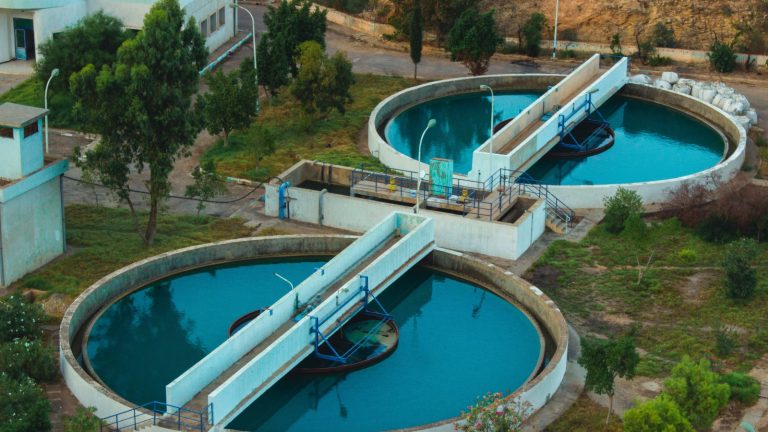
Live oxygen intelligence enables treatment systems to respond dynamically to changing influent conditions and biological activity.
Maintaining Optimal DO Levels for Biological Treatment
Biological activity fluctuates continuously as industrial discharge, stormwater intrusion, and population demand change throughout the day. Effective oxygen management helps maintain microbial stability without excessive energy usage.
Facilities implementing activated sludge aeration control strategies use continuously updated oxygen targets to maintain balanced treatment conditions while protecting microbial health during variable loading events.
Automated Blower Speed Adjustment via Variable Speed Drives
Modern automation platforms integrate oxygen readings with a variable speed drive controlling blower rotation speed. Instead of operating continuously at maximum capacity, blower systems dynamically adjust airflow according to biological demand.
This automated response improves process responsiveness while significantly reducing unnecessary electricity consumption during periods of lower influent loading.
Preventing Over-Aeration and Unnecessary Energy Waste
Excess oxygen rarely improves treatment performance once microbial demand has been satisfied.
Instead, over-aeration increases turbulence, accelerates equipment wear, and inflates operational expenditure.
Many facilities pursuing water treatment aeration energy optimisation programmes focus specifically on eliminating excessive airflow that silently drives higher energy usage without delivering measurable treatment improvements.
Ensuring Consistent Effluent Quality Across Tank Zones
Uneven oxygen distribution creates inconsistent microbial behaviour throughout the basin, especially in large municipal systems with variable loading patterns. Continuous control platforms monitor oxygen conditions across multiple zones to stabilise treatment performance.
Stable oxygen profiles improve effluent quality, reduce sludge instability, and support stronger nutrient removal consistency throughout daily operating cycles.
How IIoT Data Detects Diffuser Fouling and Blockages
Intelligent monitoring helps operators identify hidden airflow restrictions before treatment stability begins deteriorating.
Pressure Drop Anomalies Flagging Diffuser Fouling Early
Diffuser membranes gradually accumulate mineral scaling and biological residue that reduce oxygen transfer effectiveness.
Advanced analytics platforms compare historical pressure patterns against current conditions to identify abnormal restriction trends. These early warnings support targeted cleaning schedules and reduce the likelihood of unnoticed fouling compromising basin treatment performance during high-demand operating periods.
Airflow Imbalance: Identifying Blocked Distribution Zones
When airflow becomes uneven across parallel treatment zones, some sections receive insufficient oxygen while others become over-aerated. Intelligent analytics compare branch-level airflow behaviour to identify restricted pipework, damaged valves, or partial obstructions.
Early identification helps operators correct imbalance conditions before process instability spreads across the broader treatment network.
Automated Maintenance Alerts Before Fouling Worsens
Operators no longer need to wait for visible bubbling changes or declining oxygen transfer before planning intervention. Intelligent alarm systems generate automated threshold alerts whenever monitored conditions exceed predefined operational limits.
These alerts support proactive maintenance scheduling while reducing the labour burden associated with routine manual inspection programmes.
Reducing Manual Inspection Frequency With Sensor Coverage
Large treatment plants often contain hundreds of submerged diffuser assemblies spread across multiple basins. Continuous sensor coverage allows engineers to prioritise inspection activity based on live operational conditions rather than rigid maintenance schedules.
This targeted approach reduces unnecessary field inspections while helping operational teams focus attention on genuinely deteriorating infrastructure.
How Predictive Maintenance Protects Aeration Assets
Predictive analytics allows treatment utilities to anticipate failures before operational disruption occurs.
AI Models Predicting Blower Failure From Vibration Data
Advanced analytics platforms compare historical vibration signatures against live telemetry to identify abnormal mechanical behaviour.
These models detect subtle bearing wear, rotor imbalance, and airflow instability before visible symptoms emerge. Facilities implementing predictive maintenance aeration system programmes can intervene earlier.
It reduces the probability of sudden equipment breakdown during critical operating periods.
Scheduling Maintenance Before Aeration System Downtime
Unexpected blower failure can rapidly destabilise biological activity and compromise oxygen transfer across multiple basins. Predictive planning enables maintenance teams to coordinate servicing during low-demand windows instead of responding reactively to emergencies.
This proactive scheduling approach minimises operational disruption while improving workforce allocation and spare parts planning.
Tracking Blower Motor Degradation Over Time
Long-term performance analysis reveals a gradual efficiency decline that may otherwise remain hidden for months. Engineers monitor heat generation, electrical loading, and rotational stability to evaluate evolving equipment health.
Effective lifecycle tracking supports better capital planning decisions while extending equipment reliability through earlier mechanical intervention and more accurate maintenance forecasting.
Reducing Emergency Repairs and Unplanned Treatment Stoppages
Emergency shutdowns frequently trigger compliance risk, overtime expenditure, and rushed procurement decisions. Predictive analytics reduces operational surprises by identifying deterioration patterns before catastrophic failure occurs.
Facilities adopting predictive maintenance aeration capabilities often achieve stronger operational resilience while reducing costly reactive maintenance activity across critical aeration infrastructure.
How AI Analytics Optimises Aeration Energy Use
Artificial intelligence helps treatment facilities continuously refine oxygen delivery according to changing operational demand.
AI Correlating DO, Airflow, and Load Data Continuously
Modern analytics engines evaluate oxygen concentration, hydraulic loading, and energy behaviour simultaneously to uncover hidden operating inefficiencies.
By correlating multiple datasets in real time, facilities implementing AI aeration control strategies gain more accurate visibility into biological demand fluctuations and changing oxygen transfer performance throughout interconnected treatment stages.
Recommending Optimal Blower Settings per Treatment Stage
Different treatment zones require varying oxygen delivery profiles depending on microbial activity and nutrient loading. AI-driven systems evaluate operating conditions continuously before recommending updated blower setpoints.
These adaptive recommendations help operators improve oxygen transfer precision while supporting stronger process stability across changing treatment scenarios.
Identifying Peak Energy Waste Periods Across the Plant
Historical analytics often reveal recurring inefficiencies occurring during overnight operation, stormwater surges, or low-load periods. By analysing historical airflow and energy behaviour, facilities can identify hidden operational waste patterns.
These insights support stronger energy optimisation strategies while improving visibility into escalating aeration energy cost trends affecting operational expenditure.
Reducing Aeration Energy Consumption Significantly Over Time
Gradual optimisation produces measurable savings when facilities consistently refine oxygen delivery according to biological demand. Utilities operating intelligent analytics platforms frequently reduce unnecessary blower runtime, stabilise oxygen transfer efficiency, and lower electrical demand over extended operating periods.
Continuous improvement programmes also support stronger sustainability outcomes across municipal infrastructure networks.
How Digital Twin Simulates Aeration Performance
Digital simulation environments allow treatment operators to evaluate operational scenarios before applying changes to live infrastructure.
Building a Virtual Model of the Full Tank and Blower System
Engineers construct a dynamic software replica that mirrors the physical behaviour of aeration basins, pipework, and blower assets.
A modern digital twin aeration system integrates hydraulic behaviour, airflow distribution, and oxygen transfer characteristics into a continuously updated virtual environment capable of replicating operational conditions in remarkable detail.
Simulating DO Levels Under Varying Organic Load Conditions
Treatment loading changes significantly during rainfall events, industrial discharge fluctuations, and seasonal population increases. Through advanced process simulation, operators can test how oxygen levels respond under different hydraulic and biological conditions.
This modelling helps utilities prepare for operational stress events without risking disruption to live treatment infrastructure.
Testing Aeration Setpoint Changes Before Implementation
Operational teams often hesitate to modify oxygen control parameters without understanding possible treatment consequences. Using advanced dynamic process modelling, engineers can evaluate blower speed changes, oxygen setpoints, and loading adjustments safely within a simulated environment.
This reduces operational uncertainty while supporting more confident process optimisation decisions.
Live Sync Between Digital Twin and Real-Time Sensor Data
Continuous synchronisation ensures the simulation environment reflects actual operating behaviour rather than outdated assumptions. Facilities deploying digital twin treatment platforms combine live telemetry, blower analytics, and oxygen measurements to maintain an accurate operational replica.
This live connection strengthens decision-making while supporting faster responses to evolving process conditions.
How SCADA Integration Enhances Aeration Control

Integrated automation platforms centralise treatment visibility while enabling faster operational response across complex infrastructure.
SCADA Feeding Live Process Data Into Aeration Control Systems
Modern facilities combine supervisory automation with distributed sensing to strengthen operational awareness. Through advanced SCADA integration, treatment plants consolidate telemetry from oxygen sensors, blower systems, and basin instrumentation into unified operational interfaces.
This real-time visibility improves coordination between maintenance teams, operators, and process engineers.
Automated Blower Commands Triggered by DO Threshold Breaches
Automation platforms can respond instantly whenever oxygen conditions move outside predefined operating limits.
Instead of waiting for manual intervention, control systems automatically adjust airflow rates according to changing basin demand. This rapid response capability helps stabilise treatment conditions while reducing the operational burden placed on overnight control room staff.
Centralised Dashboard Combining SCADA and IIoT Sensor Feeds
Operators managing multiple basins require rapid access to consolidated operational intelligence.
Integrated dashboards combine blower telemetry, oxygen levels, maintenance alarms, and energy data within a single operational interface.
Facilities implementing a broad IIoT sensor network gain stronger visibility across distributed assets while simplifying operational coordination.
Unified Plant Operations View for Treatment Managers
Treatment managers benefit significantly from seeing mechanical performance, biological behaviour, and operational alarms together within one environment.
Integrated monitoring improves decision-making speed, supports clearer communication between departments, and enables more coordinated response planning whenever unexpected operational instability affects treatment performance.
How Aeration Monitoring Supports Water Quality Compliance
Continuous monitoring helps treatment plants maintain stable biological performance while supporting regulatory reporting obligations.
Consistent DO Levels Ensuring BOD and Ammonia Removal Targets
Stable oxygen delivery remains essential for maintaining strong BOD removal and effective ammonia reduction throughout biological treatment stages.
When oxygen levels fluctuate excessively, microbial activity weakens, and nutrient conversion slows. Continuous monitoring allows operators to maintain more reliable treatment conditions while supporting stronger environmental discharge outcomes.
Automated Alerts When Effluent Quality Thresholds Are Breached
Real-time compliance systems continuously compare live operational conditions against regulatory discharge targets. Whenever abnormal oxygen conditions threaten treatment stability, automated notifications immediately alert operational teams.
Faster response times reduce the likelihood of prolonged compliance breaches while supporting stronger operational accountability during critical treatment events.
Compliance Audit Trails From Continuous Sensor Data Records
Regulatory audits increasingly require evidence demonstrating stable operational control and historical process visibility.
Continuous monitoring platforms automatically archive operational telemetry, alarm history, and maintenance activity for future review. These digital records simplify reporting requirements while strengthening operational transparency during compliance investigations.
Meeting EPA and Australian Drinking Water Guidelines Requirements
Utilities operating under strict environmental obligations require stronger operational traceability and process consistency.
Advanced monitoring platforms help support water quality compliance objectives while improving confidence in regulatory reporting.
Facilities implementing water treatment plant IIoT Australia initiatives often strengthen operational governance while reducing manual compliance administration workloads.
Common Aeration Efficiency Problems Without IIoT
Facilities lacking continuous monitoring often struggle to identify hidden inefficiencies until operational problems become severe.
Over-Aeration Wastes Energy Without Improving Treatment
Many older facilities continue operating blowers at fixed output regardless of changing biological demand. This approach wastes electricity, accelerates equipment wear, and increases operational expenditure without improving treatment performance.
Excessive oxygen delivery also creates unnecessary turbulence that can destabilise sludge behaviour within sensitive biological treatment zones.
Diffuser Fouling Undetected Until Treatment Quality Drops
Submerged infrastructure frequently deteriorates slowly beneath the water surface, making early problem detection extremely difficult without continuous monitoring. By the time oxygen transfer visibly declines, treatment performance may already be compromised.
Hidden fouling conditions can quietly increase blower loading and reduce basin efficiency for months before intervention occurs.
Blower Failures Causing Unplanned Treatment Outages
Unexpected mechanical failure often creates cascading operational disruption across multiple treatment stages.
Sudden airflow loss destabilises microbial activity, reduces oxygen transfer, and increases compliance risk during peak loading periods. Facilities without predictive visibility frequently face rushed emergency repairs, overtime expenditure, and extended operational instability.
Manual DO Checks Missing Real-Time Process Fluctuations
Biological conditions change continuously throughout the day as influent composition, hydraulic loading, and environmental conditions fluctuate.
Manual sampling cannot capture these rapid shifts with sufficient accuracy. Facilities lacking continuous sensing often respond too slowly to emerging instability, allowing hidden process deterioration to affect broader treatment performance.
How to Build an IIoT Aeration Monitoring Programme

A successful monitoring programme combines sensing, automation, analytics, and maintenance coordination into one operational framework.
Installing DO and Airflow Sensors at Key Tank Zones
Sensor placement significantly influences monitoring accuracy and operational visibility. Engineers typically position oxygen probes near high-load zones, return sludge inlets, and downstream polishing sections to capture changing biological conditions.
Strategic placement of airflow instrumentation also improves visibility into uneven distribution patterns affecting oxygen transfer performance.
Connecting Sensors to a Centralised Asset Management Platform
Centralised platforms consolidate telemetry from multiple operational systems into one accessible environment. Integrating blower analytics, oxygen measurements, maintenance records, and operational alarms improves coordination across engineering, operations, and maintenance teams.
Stronger data visibility also supports faster troubleshooting whenever abnormal process behaviour emerges.
Setting DO and Airflow Thresholds Aligned With Treatment Targets
Effective alarm configuration depends on accurate understanding of biological demand, nutrient removal objectives, and basin operating conditions.
Facilities should define realistic operational thresholds that balance process stability with energy efficiency objectives. Poorly calibrated alarms frequently generate unnecessary alerts that reduce operator responsiveness over time.
Integrating Predictive Maintenance and Digital Twin Capabilities
Modern treatment facilities increasingly combine operational analytics with advanced modelling tools to strengthen decision-making. Integrating predictive maintenance workflows alongside simulation environments improves operational planning while reducing uncertainty during process optimisation.
This combined approach supports stronger treatment plant efficiency outcomes and contributes to improved OEE water treatment performance across interconnected infrastructure.
Why Choose Tigernix for Aeration System Monitoring?
Tigernix Smart Water Asset Software solution combines intelligent sensing, automation, analytics, and operational visibility into a unified treatment optimisation platform.
IIoT Sensor Networks Covering All Treatment Tank Assets
Tigernix Software platform has deployed a comprehensive monitoring architecture across blowers, oxygen systems, diffusers, and basin infrastructure.
Continuous telemetry collection improves operational awareness while strengthening maintenance coordination.
Real-time data visibility allows treatment managers to identify hidden inefficiencies before they escalate into broader operational disruption.
AI-Driven DO and Blower Optimisation in Real Time
The Tigernix platform continuously evaluates biological demand, oxygen conditions, and airflow behaviour to recommend adaptive control responses. Intelligent automation helps facilities reduce unnecessary blower runtime while improving treatment stability across changing loading conditions.
This approach supports long-term operational efficiency and stronger sustainability outcomes.
Digital Twin Simulating Aeration Performance and Scenarios
Tigernix software solution’s simulation capabilities allow operators to evaluate operational scenarios before implementing changes within live infrastructure. Engineers can assess oxygen transfer behaviour, airflow distribution, and process stability under varying load conditions.
These insights strengthen planning confidence while reducing operational risk during optimisation initiatives.
SCADA Integration for Automated Aeration Control
The Tigernix platform integrates directly with existing automation environments to centralise operational visibility and streamline aeration control.
Unified dashboards improve communication between operational teams while enabling faster responses to abnormal process conditions. Automated workflows also reduce manual intervention requirements during routine operation.
Trusted by Australian Water Treatment Operators
Australian utilities require operational resilience, strong reporting capability, and adaptable infrastructure visibility. Tigernix solution helps treatment providers strengthen operational governance while improving energy efficiency, maintenance coordination, and biological process stability.
Extensive platform flexibility also supports both municipal and industrial treatment environments.
Tigernix-Every Drop Of Water Is Clean
Ready to Optimise Your Aeration System Efficiency?
We have to admit that advanced monitoring technologies help treatment operators strengthen reliability, reduce waste, and improve long-term operational performance.
Consult Tigernix Water Treatment Technology Specialists
Tigernix specialists work closely with utilities to evaluate operational bottlenecks, identify hidden inefficiencies, and design tailored optimisation strategies. Our expertise supports stronger operational planning while helping facilities modernise ageing infrastructure using intelligent sensing and advanced automation technologies.
Call for a personalised demo.
Explore Tigernix Treatment Asset Solution Capabilities
The Tigernix Smart Water Asset Solution comes with a powerful module, ‘Treatment Asset Solution’ that combines analytics, automation, maintenance visibility, and operational intelligence within a unified platform. Facilities can improve energy consumption tracking, strengthen maintenance planning, and enhance operational transparency while supporting long-term infrastructure reliability.
Implement IIoT-Driven Aeration Monitoring Today
The future of aeration system efficiency water treatment depends on intelligent visibility rather than reactive troubleshooting. Facilities that combine continuous sensing, automation, predictive analytics, and simulation technology gain a stronger foundation for sustainable operation. By modernising oxygen management through data-driven control, utilities can improve reliability, reduce waste, and achieve measurable gains in aeration system efficiency water treatment across increasingly demanding treatment environments.
FAQs About Aeration Systems
IIoT platforms continuously analyse oxygen demand, airflow behaviour, and basin loading conditions in real time. By automating blower adjustments and detecting process imbalances early, utilities can improve oxygen transfer efficiency, reduce unnecessary energy consumption, and stabilise biological treatment performance across multiple aeration zones.
Dissolved oxygen monitoring maintains stable microbial activity required for nutrient removal and organic breakdown. Accurate oxygen control prevents oxygen starvation and over-aeration, helping operators maintain biological stability, improve sludge settling characteristics, and achieve more consistent ammonia and BOD removal performance.
Predictive maintenance systems analyse vibration, motor current, pressure, and temperature patterns to identify early mechanical deterioration. These analytics allow maintenance teams to schedule servicing before critical blower failure occurs, reducing emergency repairs, operational downtime, and treatment process instability within wastewater facilities.
A digital twin creates a live virtual representation of the aeration process using continuous sensor data. Operators can simulate airflow adjustments, oxygen demand fluctuations, and loading changes safely before implementing modifications, improving operational planning while minimising process disruption and treatment performance risks.
SCADA integration centralises telemetry from oxygen sensors, blowers, and treatment assets into a unified operational dashboard. Automated responses triggered by predefined thresholds allow faster airflow adjustments, improved operational visibility, stronger alarm management, and more consistent aeration control across interconnected treatment infrastructure.