
According to UN-Habitat, around the globe, 3,351 cities are situated within low-lying coastal zones, placing them on the front lines of rising sea levels. These coastal cities have long served as economic, cultural, and transportation hubs, supporting billions of people worldwide. However, one of the greatest challenges facing these urban centres today is rising sea levels. Driven by climate change, the gradual increase in global ocean levels threatens infrastructure, ecosystems, economies, and communities that depend on coastal regions for their survival.
Understanding how sea level rise will impact coastal cities is becoming important as scientists continue to refine future sea level rise predictions. From recurring floods and property damage to population displacement and environmental degradation, the consequences extend far beyond the shoreline. As governments, businesses, and residents prepare for an uncertain future, understanding the risks and implementing effective adaptation strategies to sea-level rise will be essential.
The article covers
- What Is Sea Level Rise and Why Is It Accelerating?
- How Much Will Sea Levels Rise by 2050, 2100, and Beyond?
- How Will Sea Level Rise Increase Coastal Flooding?
- What Infrastructure Will Be Most Vulnerable?
- How Will Sea Level Rise Affect Housing and Real Estate Markets?
- What Are the Economic Consequences for Coastal Cities?
- How Will Communities and Populations Be Affected?
- What Environmental Changes Will Coastal Ecosystems Experience?
- Which Coastal Cities Are Most at Risk From Rising Sea Levels?
- How Are Coastal Cities Preparing for Sea Level Rise?
- What Role Does Technology Play in Coastal Resilience?
- What Can Governments, Businesses, and Residents Do Now?
- Future Outlook: Will Coastal Cities Be Able to Adapt?
- FAQs About Sea Level Rise
What Is Sea Level Rise and Why Is It Accelerating?
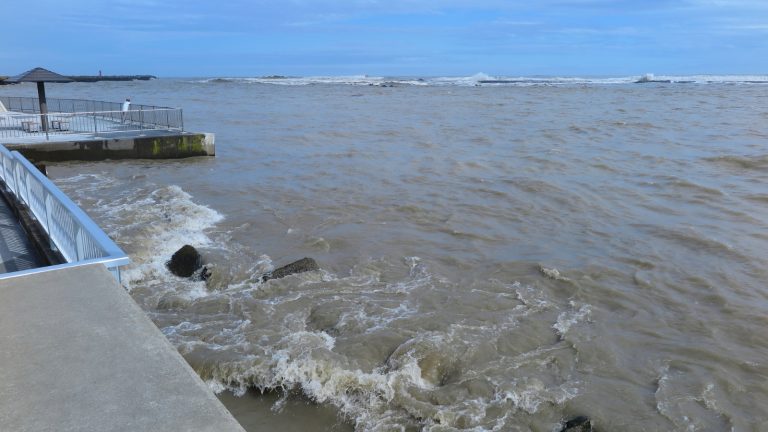
Sea level rise is the gradual increase in ocean height caused primarily by climate change, melting ice sheets, and the thermal expansion of warming seawater.
Key Takeaways
- Rising sea levels are increasing flooding risks for coastal cities worldwide.
- Critical infrastructure faces growing threats from erosion, inundation, and storm surges.
- Coastal communities will experience displacement, economic losses, and resource challenges.
- Technology and data-driven planning are improving climate resilience and emergency preparedness.
The Science Behind Rising Oceans
Sea level rise refers to the increase in the average height of the world’s oceans over time.
While sea levels have naturally fluctuated throughout Earth’s history, the current rate of increase is significantly influenced by human activities. Scientists measure sea level changes using satellite observations, tide gauges, and climate models, all of which indicate a consistent upward trend.
As global temperatures continue to rise, oceans absorb excess heat, causing water to expand and contributing to higher sea levels worldwide.
How Climate Change Drives Sea Level Rise
Climate change is the primary driver behind modern sea level rise. Human activities such as burning fossil fuels, deforestation, and industrial processes release greenhouse gases into the atmosphere.
These gases trap heat, warming the planet and accelerating the melting of glaciers and polar ice sheets. As more freshwater enters the oceans, global sea levels continue to increase.
The relationship between climate change and coastal flooding has become increasingly evident as coastal regions experience more frequent and severe flooding events.
The Role of Melting Ice Sheets and Thermal Expansion
Two major factors contribute to rising sea levels: melting land ice and thermal expansion.
Ice sheets in Greenland and Antarctica contain enormous volumes of frozen water. As temperatures rise, these ice masses melt and add water directly to the oceans. Simultaneously, warmer seawater expands, occupying more space than cooler water.
Together, these processes are responsible for much of the observed sea level increase over recent decades and are expected to remain major contributors throughout this century.
Current Global Sea Level Trends
Recent observations show that sea levels are rising faster than they did during most of the twentieth century. Scientists have recorded accelerated growth rates in recent decades, with many coastal regions already experiencing measurable impacts.
These trends indicate that sea level rise is not a distant threat but an ongoing reality affecting communities worldwide. Understanding current trends is crucial for developing effective coastal city resilience planning initiatives.
How Much Will Sea Levels Rise by 2050, 2100, and Beyond?
Future sea level rise projections indicate that coastal regions will face increasing flood risks throughout the century, depending on global emissions and climate conditions.
Latest Climate Projections and Scenarios
Climate scientists use sophisticated models to estimate future sea level rise under various greenhouse gas emission scenarios.
While projections vary depending on future emissions, most studies agree that sea levels will continue rising throughout the twenty-first century.
By 2050, many coastal regions are expected to experience significantly higher water levels compared to today, increasing flood risks and infrastructure vulnerabilities.
Differences Between Moderate and High-Emission Futures
The extent of future sea level rise largely depends on global emissions. Moderate-emission scenarios project lower levels of warming and slower ocean expansion.
In contrast, high-emission pathways could lead to substantially greater sea-level rise by 2100.
These differences highlight the importance of reducing greenhouse gas emissions while simultaneously investing in adaptation measures to protect vulnerable coastal populations.
Regional Variations in Sea Level Rise
Sea level rise does not occur uniformly across the globe. Factors such as ocean currents, land subsidence, tectonic activity, and local geography can cause certain regions to experience higher rates than others.
As a result, some coastal cities may face greater challenges despite similar global climate conditions. Understanding regional differences helps governments allocate resources more effectively and prioritise resilience efforts.
Why Some Coastal Cities Face Greater Risks
Certain cities are particularly vulnerable because of their low elevation, dense populations, ageing infrastructure, and economic dependence on coastal activities.
Urban areas built on reclaimed land or experiencing land subsidence face amplified risks.
These characteristics help explain why discussions about the cities most affected by sea level rise frequently focus on specific urban centres with limited natural protection against rising waters.
How Will Sea Level Rise Increase Coastal Flooding?
Rising sea levels amplify coastal flooding by increasing high-tide inundation, storm surge impacts, and the frequency of extreme flood events.
More Frequent High-Tide Flooding
One of the earliest and most visible consequences of rising sea levels is increased high-tide flooding. Areas that once flooded only during severe storms may now experience regular inundation during ordinary tidal cycles.
This phenomenon disrupts transportation systems, damages public infrastructure, and affects daily life for coastal residents.
As sea levels continue rising, high-tide flooding is expected to become increasingly common.
Storm Surges Becoming More Destructive
Higher baseline sea levels allow storm surges to penetrate further inland during hurricanes, cyclones, and severe storms. Even if storm intensity remains unchanged, elevated ocean levels increase the reach and destructive power of storm-driven water.
This combination significantly raises risks to homes, businesses, and public infrastructure located near coastlines.
Increased Hurricane and Cyclone Impacts
Sea level rise magnifies the effects of tropical storms by increasing coastal flooding and erosion. Communities that previously experienced manageable storm impacts may face substantially greater damage in the future.
The interaction between stronger weather systems and rising seas represents one of the most significant climate-related threats to coastal cities.
Permanent Inundation of Low-Lying Areas
Some low-lying coastal zones may eventually become permanently submerged.
This process can gradually transform neighbourhoods, wetlands, agricultural lands, and transportation corridors into uninhabitable areas.
Permanent inundation presents difficult challenges for urban planners, requiring long-term strategies that address relocation, land-use changes, and infrastructure adaptation.
What Infrastructure Will Be Most Vulnerable?
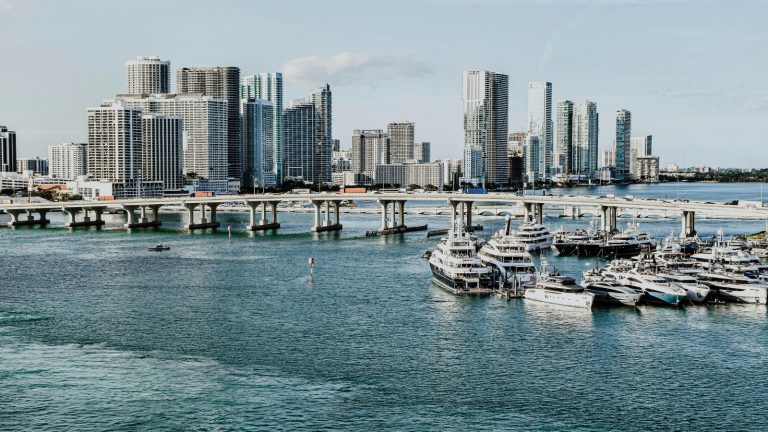
Critical infrastructure such as roads, ports, utilities, and public facilities faces growing exposure to flooding, erosion, and storm-related damage.
1. Transportation Networks and Roads
Transportation systems are among the most vulnerable assets in coastal environments.
Roads, bridges, tunnels, railways, and airports located near shorelines face increasing risks from flooding and erosion.
Repeated exposure to saltwater can accelerate deterioration, increase maintenance costs, and disrupt critical transportation networks that support economic activity.
2. Ports and Maritime Facilities
Ports play a vital role in global trade, and many are located in low-lying coastal areas. Rising sea levels threaten docks, shipping terminals, warehouses, and supporting infrastructure.
Operational disruptions at major ports could have far-reaching impacts on international supply chains and regional economies.
3. Water Supply and Wastewater Systems
Water treatment plants, wastewater facilities, and distribution networks are particularly susceptible to coastal flooding. Saltwater intrusion can contaminate freshwater resources, while floodwaters may overwhelm treatment systems.
Protecting these critical services is essential for maintaining public health and ensuring reliable access to clean water.
4. Power Grids and Communication Networks
Electrical substations, power plants, telecommunications infrastructure, and data centres often occupy coastal locations.
Flooding and storm damage can disrupt essential services, affecting businesses, emergency response operations, and everyday communications.
Strengthening these systems is a key component of long-term resilience planning.
5. Critical Public Infrastructure
Hospitals, schools, emergency response facilities, and government buildings must remain operational during extreme weather events. Rising sea levels increase risks to these facilities, potentially compromising public safety during emergencies.
Investments in flood protection and resilient design can help ensure continuity of essential services.
How Will Sea Level Rise Affect Housing and Real Estate Markets?
Sea level rise can reduce property values, increase insurance costs, and create long-term risks for coastal housing and development projects.
Property Damage and Asset Losses
As flood risks increase, coastal properties face growing threats from water damage, erosion, and structural deterioration. Repeated flooding events can reduce property values and increase repair costs.
These financial pressures affect homeowners, investors, and local governments that rely on property taxes for revenue.
Declining Property Values in High-Risk Zones
Real estate markets increasingly consider climate-related risks when evaluating property investments. Areas exposed to frequent flooding may experience declining demand, leading to reduced property values.
This trend could reshape housing markets in vulnerable coastal regions over the coming decades.
Insurance Challenges and Rising Costs
Insurance providers are adjusting risk assessments to reflect changing environmental conditions. Higher flood risks often translate into increased insurance premiums or reduced coverage options.
For many homeowners, these rising costs may become a significant financial burden.
Impacts on Coastal Development Projects
Developers must now account for future flood risks when planning residential and commercial projects. Incorporating resilience measures into building design and site selection is becoming increasingly important.
These considerations influence project feasibility, investment decisions, and long-term urban development strategies.
What Are the Economic Consequences for Coastal Cities?
Rising sea levels can generate significant economic losses through infrastructure damage, business disruptions, disaster recovery expenses, and declining investment confidence.
Rising Disaster Recovery Costs
The financial burden associated with sea level rise extends far beyond immediate flood damage. Coastal cities must spend billions of dollars on emergency response, infrastructure repairs, debris removal, and rebuilding efforts after major flooding events.
As sea levels continue to rise, the frequency and severity of these incidents are expected to increase, placing significant strain on public budgets.
Municipal governments may face difficult decisions regarding taxation, infrastructure investments, and long-term resilience planning as recovery costs continue to escalate.
Impacts on Tourism and Local Businesses
Many coastal economies depend heavily on tourism, hospitality, and recreation. Rising seas can damage beaches, waterfront attractions, hotels, restaurants, and entertainment venues that attract visitors. Coastal erosion and frequent flooding may reduce the appeal of popular tourist destinations, leading to decreased visitor spending and economic activity.
Small businesses, which often operate with limited financial resources, may be particularly vulnerable to repeated disruptions caused by flooding and storm damage.
Supply Chain and Port Disruptions
Global commerce relies heavily on coastal ports and transportation networks. Sea level rise threatens shipping facilities, logistics hubs, and transportation corridors that facilitate international trade. Flooding-related disruptions can delay shipments, increase transportation costs, and create bottlenecks throughout supply chains.
These challenges may affect industries far beyond coastal regions, demonstrating how the impacts of rising sea levels can have widespread economic consequences.
Long-Term Economic Resilience Challenges
Coastal cities must balance immediate adaptation needs with long-term economic development goals. Investments in flood protection, resilient infrastructure, and emergency preparedness require substantial funding.
While these measures can reduce future risks, they may compete with other public priorities. Effective coastal city resilience planning requires strategic investments that support economic growth while protecting communities from escalating climate-related threats.
How Will Communities and Populations Be Affected?
Coastal populations may experience displacement, health risks, livelihood disruptions, and growing social inequalities as sea levels continue to rise.
Climate Migration and Population Displacement
One of the most significant sea level rise effects on coastal communities is the potential displacement of millions of people. As flooding becomes more frequent and certain areas become uninhabitable, residents may be forced to relocate.
This phenomenon, often referred to as climate migration, presents complex social, economic, and political challenges.
Receiving communities must prepare for population growth, while affected regions may experience declining populations and economic activity.
Public Health Risks
Sea level rise can create numerous public health concerns. Floodwaters often carry contaminants, increasing the risk of waterborne diseases and environmental pollution. Standing water can also promote mosquito breeding and the spread of vector-borne illnesses.
Additionally, repeated flooding events may contribute to mental health challenges, including stress, anxiety, and trauma among affected populations.
Social Inequality and Vulnerable Populations
The impacts of rising sea levels are not distributed equally. Low-income households, elderly residents, and marginalised communities often have fewer resources available for preparation, recovery, and relocation.
These groups may face greater exposure to flood risks and experience disproportionate economic hardships. Addressing social equity concerns is therefore a critical component of climate adaptation and resilience planning.
Impacts on Livelihoods and Employment
Many industries that support coastal economies, including fishing, tourism, shipping, and agriculture, face increasing risks from sea level rise. Workers employed in these sectors may experience job instability, reduced income opportunities, or permanent displacement.
Supporting workforce adaptation and economic diversification will be essential for maintaining community resilience in vulnerable coastal regions.
What Environmental Changes Will Coastal Ecosystems Experience?
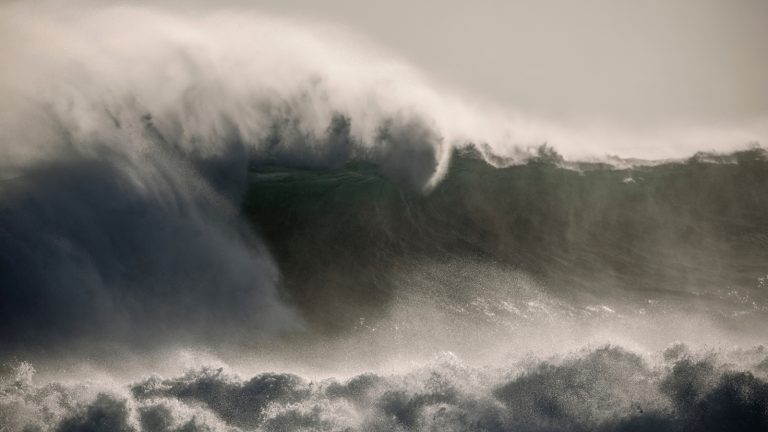
Sea-level rise threatens wetlands, mangroves, freshwater resources, and marine biodiversity, while accelerating coastal erosion and habitat loss.
Wetland and Mangrove Loss
Wetlands and mangrove forests serve as natural barriers against storms and coastal flooding.
However, rising sea levels can overwhelm these ecosystems, reducing their ability to provide critical environmental services. The loss of wetlands and mangroves not only increases flood risks but also threatens biodiversity and carbon storage capacity.
Coastal Erosion Acceleration
Sea level rise accelerates coastal erosion by allowing waves to reach further inland and exert greater force on shorelines. Beaches, cliffs, dunes, and coastal habitats may experience significant degradation over time.
This process can threaten infrastructure, reduce recreational opportunities, and alter natural landscapes that communities depend upon for economic and environmental benefits.
Saltwater Intrusion Into Freshwater Resources
As sea levels rise, saltwater can infiltrate freshwater aquifers, rivers, and agricultural lands. Saltwater intrusion poses serious challenges for drinking water supplies, irrigation systems, and food production.
Coastal communities that rely on groundwater resources may face increasing difficulties securing safe and reliable freshwater sources in the future.
Threats to Marine Biodiversity
Changing coastal conditions can disrupt habitats for fish, birds, marine mammals, and countless other species. Rising seas may alter breeding grounds, migration patterns, and food availability throughout coastal ecosystems.
Protecting biodiversity requires proactive conservation strategies that account for changing environmental conditions and habitat migration.
Which Coastal Cities Are Most at Risk From Rising Sea Levels?
- Miami- Miami is frequently cited among the cities most affected by sea level rise due to its low elevation and porous limestone foundation. Even modest increases in sea level can contribute to chronic flooding, particularly during high tides and severe storms. Local authorities continue investing in pumps, seawalls, and resilience initiatives to address growing challenges.
- Jakarta- Jakarta faces a unique combination of sea level rise and land subsidence, making it one of the world’s most vulnerable coastal megacities. Rapid groundwater extraction has caused portions of the city to sink, amplifying flood risks. These challenges have contributed to plans for relocating portions of Indonesia’s administrative functions to a new capital.
- New York City- As a global financial and cultural centre, New York City faces substantial risks from rising seas and storm surges. Events such as Hurricane Sandy highlighted the vulnerability of transportation systems, housing, and critical infrastructure. Ongoing resilience projects aim to strengthen protections against future climate-related threats.
- Bangkok- Bangkok’s low-lying geography and proximity to the coast make it particularly susceptible to flooding. Population growth, urban development, and land subsidence further increase vulnerability. Long-term adaptation measures are becoming increasingly important as sea levels continue to rise.
- Shanghai- Shanghai serves as one of the world’s largest economic hubs and busiest ports. Rising sea levels pose significant risks to infrastructure, transportation systems, and economic activities concentrated along the coast. Continued investments in flood defences and climate adaptation will play a crucial role in protecting the city’s future prosperity.
- Mumbai- Mumbai faces recurring flooding challenges driven by heavy rainfall, storm surges, and rising sea levels. The city’s dense population and extensive coastal development increase exposure to climate-related risks. Urban planning efforts increasingly focus on improving resilience and reducing flood vulnerability.
- Alexandria- Alexandria’s historic coastal location makes it particularly vulnerable to sea level rise and erosion. Cultural heritage sites, residential neighbourhoods, and economic infrastructure face growing threats from coastal flooding. Preservation efforts must balance heritage protection with climate adaptation needs.
- Small Island Coastal Communities- Small island nations and coastal communities often face some of the greatest risks associated with sea level rise. Limited land availability, economic constraints, and dependence on coastal resources make adaptation particularly challenging. In some cases, relocation may become necessary if rising seas continue to threaten long-term habitability.
How Are Coastal Cities Preparing for Sea Level Rise?
Cities are implementing a combination of engineered defences, nature-based solutions, and resilience-focused urban planning to address rising sea levels.
Sea Walls and Coastal Defences
Many cities are investing in engineered solutions such as seawalls, levees, flood barriers, and storm surge gates.
These structures can help protect urban areas from flooding and erosion, although they often require substantial financial investments and ongoing maintenance. Properly designed coastal defences remain an important component of many adaptation strategies.
Nature-Based Solutions
Natural infrastructure offers a complementary approach to flood protection. Restoring wetlands, mangroves, coral reefs, and coastal dunes can reduce wave energy, enhance biodiversity, and improve ecosystem resilience.
Nature-based solutions are increasingly recognised as cost-effective and sustainable tools for climate adaptation.
Flood-Resilient Urban Design
Urban planners are incorporating flood resilience into building codes, zoning regulations, and infrastructure design. Elevated structures, permeable surfaces, floodable parks, and resilient drainage systems can help reduce vulnerability to rising waters.
These measures support long-term adaptation while maintaining economic functionality.
Smart Monitoring Technologies
Advanced monitoring systems allow cities to track sea level changes, weather conditions, and flood risks in real time.
Sensors, remote sensing technologies, and predictive analytics help authorities make informed decisions regarding emergency response and infrastructure management.
Technology-driven solutions enhance preparedness and improve resilience outcomes.
Managed Retreat Strategies
In some locations, protecting every vulnerable area may not be feasible. Managed retreat involves relocating people, infrastructure, and development away from high-risk zones.
While often controversial, this strategy may provide a practical long-term solution for communities facing severe and persistent flooding risks.
What Role Does Technology Play in Coastal Resilience?
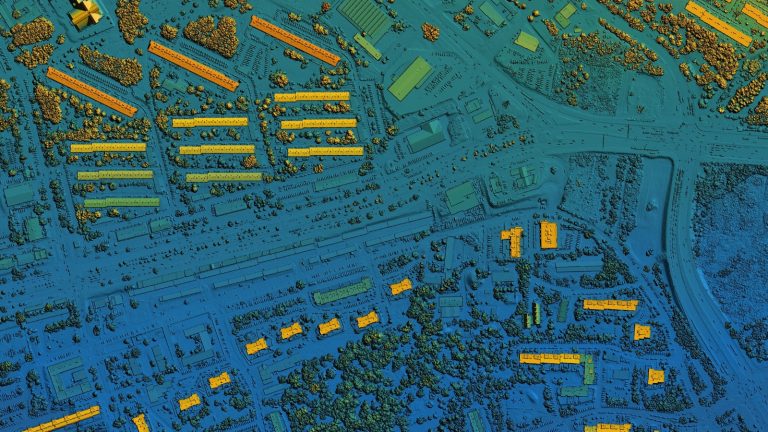
Advanced technologies such as AI, GIS, digital twins, and IoT systems help authorities predict risks, improve preparedness, and strengthen coastal resilience.
AI-Powered Flood Forecasting
Artificial intelligence is transforming flood prediction capabilities by analysing vast amounts of environmental and meteorological data.
AI-driven forecasting systems can provide earlier warnings and improve decision-making during extreme weather events. These technologies support proactive responses that reduce risks to lives and property.
GIS and Digital Twin Modelling
Geographic Information Systems and digital twin technologies allow planners to simulate future flooding scenarios and evaluate adaptation strategies.
By creating virtual representations of cities, decision-makers can assess vulnerabilities, prioritise investments, and improve resilience planning efforts.
Climate Risk Analytics Platforms
Advanced analytics platforms help governments and businesses quantify climate-related risks.
These tools support evidence-based decision-making by identifying vulnerable assets, estimating potential losses, and evaluating adaptation options.
Improved risk assessment contributes to more effective climate resilience strategies.
IoT-Based Coastal Monitoring Systems
Internet of Things technologies enable continuous monitoring of environmental conditions through interconnected sensors. These systems provide valuable data on tides, storm surges, erosion, and infrastructure performance.
Real-time information enhances situational awareness and supports more responsive management practices.
What Can Governments, Businesses, and Residents Do Now?
Proactive planning, resilient infrastructure investments, and community preparedness initiatives are essential for reducing future sea level rise impacts.
Policy and Urban Planning Measures
Governments play a critical role in addressing how sea level rise will impact coastal cities through effective policy development and urban planning.
Integrating climate considerations into zoning, building regulations, and infrastructure investments can reduce future vulnerabilities and support sustainable development.
Infrastructure Investment Priorities
Strategic investments in resilient infrastructure help communities withstand future climate impacts.
Prioritising flood protection, transportation resilience, and utility upgrades can significantly reduce long-term risks while supporting economic growth and public safety.
Community Preparedness Programmes
Public awareness and preparedness initiatives empower residents to respond effectively during emergencies.
Educational campaigns, evacuation planning, and community engagement programmes strengthen local resilience and improve recovery outcomes following flooding events.
Sustainable Climate Adaptation Strategies
Successful adaptation requires a combination of engineered solutions, nature-based approaches, technological innovation, and policy reform.
Implementing comprehensive adaptation strategies for sea level rise can help coastal cities navigate future challenges while protecting people, ecosystems, and economic assets.
Future Outlook: Will Coastal Cities Be Able to Adapt?
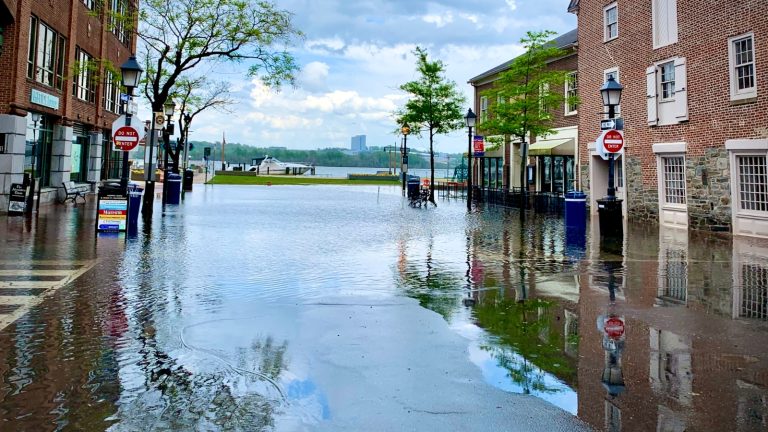
The future of coastal cities will depend largely on how quickly and effectively societies respond to climate risks.
While future sea level rise predictions indicate continued challenges, many communities are already implementing innovative solutions that enhance resilience and reduce vulnerability.
Success will require collaboration among governments, businesses, researchers, and residents.
Although rising seas present significant threats, proactive investments, technological advancements, and sustainable planning can help communities adapt.
Addressing the connection between climate change and coastal flooding remains essential for safeguarding future generations and ensuring the long-term viability of coastal urban centres.
Strengthen Coastal Risk Monitoring With Tigernix’s AI-Powered Sea Level Intelligence
Tigernix Solutions combines advanced technologies that empower city authorities to stay ahead of rising sea levels through advanced AI-powered monitoring, predictive analytics, and automated risk assessment capabilities. By consolidating data from coastal sensors, weather systems, tidal gauges, and GIS platforms into a centralised dashboard, authorities can continuously track changing sea conditions and identify vulnerable locations before emergencies occur.
Its automated alerts and forecasting models help decision-makers anticipate flooding risks, prioritise protective measures, allocate resources efficiently, and support long-term coastal resilience planning based on real-time environmental intelligence.
Streamline Emergency Response and Evacuation Execution Through Intelligent Automation
Tigernix Solutions integrates software models that enable authorities to transform emergency preparedness into coordinated action through intelligent automation and workflow-driven response management.
Our platform can automatically trigger evacuation protocols, distribute alerts to affected communities, coordinate emergency teams, track shelter capacities, and monitor response activities in real time.
Since Tigernix employs AI-driven scenario modelling and predictive flood analysis, city authorities can optimise evacuation routes, minimise response delays, improve public safety outcomes, and ensure seamless execution of emergency plans from initial warning through recovery and post-event assessment.
Call for a free demo now.
Tigernix- Safety Of Your City Is Guaranteed
Building Resilience in an Era of Rising Seas
You may understand that sea level rise represents one of the most pressing challenges facing coastal cities in the twenty-first century. Its impacts extend beyond flooding, affecting infrastructure, economies, ecosystems, public health, and social stability. The sea level rise effects on coastal communities are already visible in many regions and are expected to intensify in the coming decades.
Through forward-thinking policies, resilient infrastructure, technological innovation, and comprehensive coastal city resilience planning, communities can better prepare for the challenges ahead. While rising seas cannot be stopped overnight, strategic action today can significantly reduce future risks and create more sustainable coastal futures.
FAQs About Sea Level Rise
Future sea level rise predictions vary because they depend on greenhouse gas emissions, ice sheet dynamics, ocean warming rates, and regional land movements. Climate models use multiple scenarios to estimate outcomes, helping planners prepare for a range of possible coastal impacts.
Land subsidence causes the ground to sink, making relative sea levels appear higher than global averages. Combined with rising oceans, subsidence accelerates flooding, infrastructure damage, shoreline erosion, and long-term vulnerability in many densely populated coastal cities.
Saltwater intrusion occurs when seawater enters freshwater aquifers, rivers, and reservoirs. This process can compromise drinking water supplies, damage agricultural productivity, increase treatment costs, and create long-term resource management challenges for coastal communities.
Digital twin models create virtual representations of coastal infrastructure and environments using real-time data. Authorities can simulate flooding scenarios, assess vulnerabilities, test adaptation strategies, and optimise investment decisions before implementing costly resilience projects.
The most effective adaptation strategies for sea level rise combine engineered defences, nature-based solutions, resilient urban planning, and advanced monitoring technologies. Integrating these approaches helps cities reduce flood risks, protect assets, and strengthen long-term climate resilience.