

Climate change is no longer a distant environmental concern. It is a pressing global challenge affecting industries, governments, and communities worldwide. Rising temperatures, unpredictable weather patterns, prolonged droughts, and severe flooding events are placing unprecedented pressure on critical infrastructure systems. Among the sectors most affected is the water industry, which serves as the foundation of public health, economic development, and environmental sustainability.
Water utilities today face the difficult task of maintaining reliable services while adapting to climate-related disruptions. From managing water scarcity to responding to extreme weather events, utilities are increasingly turning to digital technologies to improve efficiency and resilience. One technology generating significant interest is AI-powered chatbots. Once viewed primarily as customer service tools, modern AI chatbots have evolved into intelligent systems in the 2020s, driven by the AI boom, capable of supporting decision-making, automating processes, and enhancing communication across organisations.
As artificial intelligence chatbots become more sophisticated, many industry leaders are asking an important question: Can they genuinely contribute to addressing climate change challenges? The answer extends far beyond automated conversations. When integrated into sustainable water management strategies, these intelligent systems can help utilities optimise resources, improve public engagement, support operational efficiency, and strengthen climate resilience.
We will explore
- Understanding the Link Between Climate Change and the Water Industry
- What Are AI-Powered Chatbots
- Can AI-Powered Chatbots Really Help Solve Climate Change Challenges?
- Real-World Applications of AI Chatbots in Sustainable Water Management
- The Future of AI Chatbots in Climate-Resilient Water Utilities
- FAQs About AI Powered Chatbots
Understanding the Link Between Climate Change and the Water Industry

Climate change directly affects water availability, infrastructure reliability, and resource management, making the water industry a critical sector in global climate adaptation efforts.
Key Takeaways
- AI-powered chatbots improve water conservation by enabling real-time customer engagement and personalised sustainability guidance.
- They enhance water utility operations through automation, reducing manual workloads and improving efficiency.
- AI chatbots support climate resilience by enabling faster communication during floods, droughts, and infrastructure emergencies.
- They strengthen decision-making by integrating with smart water systems for real-time monitoring and predictive insights.
Why Water Utilities Are on the Frontline of Climate Change
Few industries experience the direct effects of climate change as intensely as water utilities.
Changes in rainfall patterns, increasing temperatures, and more frequent extreme weather events significantly impact water availability and infrastructure performance. Water providers must continuously balance supply and demand while protecting critical assets and ensuring service continuity.
The growing complexity of water utility management has created a demand for advanced technologies capable of improving responsiveness and efficiency.
As climate pressures intensify, utilities require smarter systems to monitor conditions, communicate with customers, and support operational decisions.
This has accelerated investments in digital tools that contribute to climate resilience and long-term sustainability.
Climate Risks Affecting Water Infrastructure
Water infrastructure faces numerous climate-related threats.
Drought conditions can reduce reservoir levels and limit water availability, while severe storms and floods can damage pipelines, treatment plants, and distribution networks.
Rising sea levels also threaten coastal water systems through saltwater intrusion and infrastructure degradation.
These challenges make effective water infrastructure management more important than ever. Utilities must develop proactive approaches that improve system visibility and allow operators to respond quickly to emerging risks.
This is where digital technologies, including AI-driven decision-making tools, are increasingly helping organisations identify vulnerabilities and improve preparedness before disruptions occur.
The Growing Need for Intelligent Environmental Decision-Making
Traditional management methods often struggle to keep pace with the volume and complexity of environmental data generated today.
Modern water utilities collect information from sensors, treatment facilities, weather forecasts, and customer interactions. Transforming this information into actionable insights requires intelligent systems capable of processing data in real time.
This is where AI for sustainability becomes particularly valuable.
By combining data analysis with conversational capabilities, AI-powered solutions can help utilities improve decision-making, enhance communication, and support environmental goals.
As part of a broader digital transformation in utilities, intelligent technologies are enabling organisations to manage resources more efficiently while preparing for future climate challenges.
What Are AI-Powered Chatbots?
AI-powered chatbots are advanced software applications designed to simulate human conversation while performing specific tasks.
How do they differ?
Unlike traditional rule-based systems that follow predetermined scripts, modern chatbots use machine learning, natural language processing, and contextual understanding to deliver more intelligent and personalised interactions.
These systems can interpret user questions, analyse data, retrieve relevant information, and provide accurate responses across multiple communication channels. Within the water industry, chatbots can assist customers, support employees, and integrate with operational systems to improve performance across various functions.
How Do They Work?
Modern artificial intelligence chatbots often work alongside enterprise platforms, Internet of Things (IoT) devices, and analytics tools.
This integration enables them to access real-time information related to water utility operations, customer accounts, infrastructure status, and environmental conditions. As a result, they can provide meaningful insights rather than simply responding to predefined queries.
One of the most significant advantages of AI-powered chatbots is their ability to support intelligent automation. By automating repetitive interactions and information requests, utilities can reduce administrative workloads while allowing employees to focus on higher-value activities.
This improves operational efficiency and contributes to more sustainable resource utilisation.
Additionally, AI chatbots play a growing role in enhancing utility customer engagement. Customers increasingly expect instant access to information regarding service interruptions, water consumption, billing inquiries, and conservation initiatives.
AI-powered systems can deliver these services around the clock, improving customer satisfaction while reducing support costs.
As water utilities continue modernising their operations, chatbots are becoming an important component of broader smart utility solutions. Their ability to connect people, data, and systems creates opportunities for improved efficiency, resilience, and environmental performance.
However, their true value extends beyond customer service. When strategically implemented, AI-powered chatbots can actively support climate adaptation, resource conservation, and sustainable utility management. Understanding these capabilities is essential when evaluating their role in addressing climate change challenges.
Can AI-Powered Chatbots Really Help Solve Climate Change Challenges?

The short answer is yes, but not by replacing engineers, environmental scientists, or utility operators. Instead, AI-powered chatbots act as intelligent digital assistants that enhance communication, automate routine processes, improve data accessibility, and support informed decision-making. In the water sector, these capabilities can contribute directly to climate adaptation, resource conservation, and operational efficiency.
Improving Public Awareness and Water Conservation Behaviours
One of the most effective ways to address climate-related water challenges is through behavioural change.
We know that water conservation remains a critical component of sustainable resource management, yet many consumers lack visibility into their water usage patterns. AI-powered chatbots can bridge this gap by delivering personalised recommendations, educational content, and real-time guidance that encourage responsible consumption.
Instead of relying solely on periodic awareness campaigns, utilities can use AI chatbots to engage customers continuously through websites, mobile applications, and messaging platforms. These systems can answer questions about conservation practices, explain local water restrictions, and provide tailored tips based on household usage trends.
By making information more accessible and interactive, utilities can encourage greater participation in water conservation initiatives.
This capability becomes particularly valuable during drought conditions, when communities must quickly adapt their consumption habits. AI-powered engagement can help utilities communicate urgent conservation measures efficiently while fostering stronger public participation in environmental sustainability programmess.
Over time, these interactions support broader water efficiency initiatives that reduce demand and strengthen long-term resource security.
Supporting Real-Time Water Usage Monitoring
Climate uncertainty makes resource visibility increasingly important.
Utilities require accurate information about consumption patterns to maintain a balance between supply and demand. AI-powered chatbots can enhance water consumption monitoring by providing customers and utility personnel with instant access to usage data and system insights.
Through integration with smart meters and digital monitoring platforms, chatbots can deliver real-time updates regarding household, commercial, or industrial water usage. Customers can receive alerts when consumption exceeds expected levels, helping them identify waste and adjust behaviours before significant losses occur.
This proactive approach contributes directly to more effective water resource management and sustainable utility operations.
For utilities, access to real-time information supports better planning and operational decision-making. Chatbots can simplify data retrieval, allowing employees to quickly obtain consumption trends, performance indicators, and system status updates.
As part of broader smart water utilities initiatives, these capabilities improve operational visibility while helping organisations respond more effectively to changing environmental conditions.
Since they can transform complex data into understandable insights, AI chatbots empower both utilities and consumers to make informed choices that support climate adaptation and responsible resource use.
Reducing Operational Waste Through Automated Responses
Operational inefficiencies can contribute significantly to unnecessary resource consumption. Many water utilities continue to allocate substantial staff time to repetitive administrative tasks such as answering routine customer inquiries, processing service requests, and providing account information.
While essential, these activities often consume resources that could be directed toward higher-value sustainability initiatives.
AI-powered chatbots support intelligent automation by handling a wide range of repetitive interactions without human intervention. Customers can receive immediate answers regarding billing, service availability, maintenance schedules, and conservation programmes at any time of day. This reduces response times while improving overall service efficiency.
Beyond customer support, automation can streamline internal workflows and facilitate collaboration across departments.
Employees can use chatbot interfaces to access operational data, submit reports, retrieve documentation, or track maintenance activities. These efficiencies contribute to more effective water utility operations while reducing administrative burdens.
As utilities continue pursuing digital transformation in utilities, automated systems help optimise resource allocation and minimise waste associated with manual processes. The resulting efficiency gains can support broader sustainability goals by enabling organisations to focus resources on infrastructure improvement, environmental initiatives, and climate adaptation projects.
Assisting Utilities During Floods, Droughts, and Climate Emergencies
Extreme weather events are becoming more frequent and severe due to climate change.
Floods, droughts, storms, and other emergencies place significant pressure on water infrastructure and require rapid communication between utilities, stakeholders, and the public. During these situations, AI-powered chatbots can play an important role in supporting emergency response efforts.
When integrated with monitoring systems and emergency management platforms, AI chatbots can provide real-time updates regarding service disruptions, water restrictions, evacuation notices, and recovery efforts. Customers can access critical information instantly without overwhelming call centres during high-demand periods.
For utility operators, chatbots can assist with incident reporting, status tracking, and information dissemination across teams. This improves coordination and enables faster responses to evolving situations. Enhanced communication supports water supply resilience by helping organisations maintain situational awareness during crises.
In addition, AI-powered systems can analyse incoming reports and identify emerging patterns that require attention. These capabilities support more effective climate adaptation strategies by helping utilities prepare for future disruptions and improve emergency readiness.
As climate risks continue increasing, intelligent communication tools will become increasingly important components of resilient utility operations.
Enhancing Sustainability Reporting and ESG Communication
Environmental, Social, and Governance (ESG) reporting has become a strategic priority for many utilities and public-sector organisations. Stakeholders increasingly expect transparency regarding environmental performance, sustainability initiatives, resource consumption, and climate adaptation efforts. Gathering and communicating this information can be a complex and time-consuming process.
AI-powered chatbots can simplify ESG communication by providing stakeholders with immediate access to sustainability-related information. Customers, regulators, investors, and employees can use chatbot interfaces to obtain details about environmental programmes, conservation outcomes, emissions reduction initiatives, and resource management performance.
Internally, chatbots can support data collection and reporting workflows by helping teams retrieve relevant metrics and documentation more efficiently. This improves visibility into sustainability performance while reducing administrative effort. As a result, organisations can strengthen their commitment to environmental sustainability and demonstrate progress toward climate-related objectives.
Effective communication also helps build trust and encourage stakeholder participation. By making sustainability information more accessible, AI chatbots support broader awareness of climate initiatives and reinforce organisational commitments to responsible environmental stewardship.
Streamlining Customer Service to Lower Resource Consumption
Customer service is often viewed separately from sustainability, but efficient service delivery can contribute meaningfully to environmental performance. Traditional customer support operations may involve large volumes of phone calls, paper-based documentation, and resource-intensive processes that increase operational costs and environmental impacts.
AI-powered chatbots provide a more efficient alternative by enabling self-service interactions across digital channels. Customers can access account information, report issues, schedule services, and receive updates without requiring direct assistance from support representatives. This improves convenience while reducing administrative workloads.
Enhanced utility customer engagement also allows organisations to promote sustainability initiatives more effectively. Chatbots can encourage participation in conservation programmes, educate customers about responsible water usage, and provide updates regarding environmental campaigns. These interactions help align customer behaviours with broader climate objectives.
As utilities pursue more sustainable operating models, digital customer engagement platforms become valuable tools for reducing inefficiencies while improving service quality. The combination of automation, accessibility, and education contributes to stronger environmental outcomes and more resilient utility operations.
Providing Data-Driven Insights for Climate Adaptation Planning
Long-term climate resilience depends on the ability to anticipate future challenges and make informed strategic decisions. Utilities increasingly rely on data to guide planning efforts related to infrastructure investments, resource allocation, and risk management. AI-powered chatbots can support these activities by improving access to critical information and enabling more effective AI-driven decision-making.
When connected to analytics platforms, chatbots can provide instant access to forecasts, operational metrics, infrastructure performance indicators, and environmental data. Utility managers can retrieve insights through simple conversational queries rather than navigating multiple systems or reports. This accelerates decision-making and improves organisational agility.
For example, chatbots can support water demand forecasting by providing historical consumption trends, seasonal projections, and predictive insights generated through advanced analytics. Similarly, they can assist with water leakage detection, infrastructure monitoring, and utility asset management by making relevant information readily accessible to operational teams.
These capabilities become increasingly valuable within smart water networks and modern water distribution systems, where large volumes of data are generated continuously. By transforming complex information into actionable intelligence, AI chatbots help utilities strengthen water supply resilience, improve operational planning, and advance sustainable development objectives.
Ultimately, while AI-powered chatbots alone cannot solve climate change, they can serve as powerful enablers of smarter decision-making, resource optimisation, and climate adaptation.
Their ability to connect people, processes, and data makes them a valuable component of modern climate change solutions within the water industry.
Real-World Applications of AI Chatbots in Sustainable Water Management
The practical value of AI-powered chatbots becomes increasingly apparent when examining how water utilities are applying them in real-world environments.
While customer service remains a common use case, many organisations are expanding chatbot capabilities to support operational efficiency, sustainability initiatives, and climate resilience programmes.
1.Customer Engagement and Water Conservation Outreach
One of the most common applications involves customer engagement and conservation outreach. Utilities can deploy AI chatbots across websites and mobile applications to answer questions about water restrictions, conservation incentives, billing inquiries, and service updates. This improves accessibility while encouraging greater participation in water-saving initiatives. Through personalised interactions, chatbots can guide consumers toward behaviours that support long-term water conservation goals.
2. Real-Time Water Consumption Monitoring
Utilities are also integrating chatbot technology with smart metering infrastructure. Through these integrations, customers can access real-time consumption data, receive abnormal usage alerts, and identify opportunities to reduce waste. These capabilities strengthen water consumption monitoring while helping utilities manage demand more effectively during periods of resource stress.
3. Streamlining Water Utility Operations and Infrastructure Management
In operational environments, AI-powered chatbots are increasingly supporting maintenance and infrastructure management activities. Utility personnel can use conversational interfaces to retrieve asset information, maintenance schedules, operational procedures, and system performance data. This streamlines workflows and improves access to information across geographically distributed teams.
4. Enhancing Water Treatment Facility Efficiency
Another growing application involves support for water treatment facilities. Chatbots can provide operators with instant access to treatment process information, compliance documentation, and operational guidelines. By reducing the time required to locate critical information, utilities can improve efficiency and maintain higher levels of operational consistency.
5. Being a Part of Smart Utility Digital Ecosystems
As utilities continue investing in smart utility solutions, chatbot technology is becoming an important component of integrated digital ecosystems. Combined with IoT sensors, analytics platforms, and predictive maintenance systems, AI chatbots help create more connected and responsive utility environments. These advancements support sustainable water management objectives while improving overall organisational performance.
6. Strengthening Climate Resilience and Emergency Communication
Perhaps most importantly, AI-powered chatbots contribute to stronger climate resilience by improving communication and information accessibility during periods of disruption. Whether responding to drought conditions, flooding events, or infrastructure failures, utilities can leverage chatbot technology to provide timely updates and support informed decision-making across stakeholders.
The Future of AI Chatbots in Climate-Resilient Water Utilities
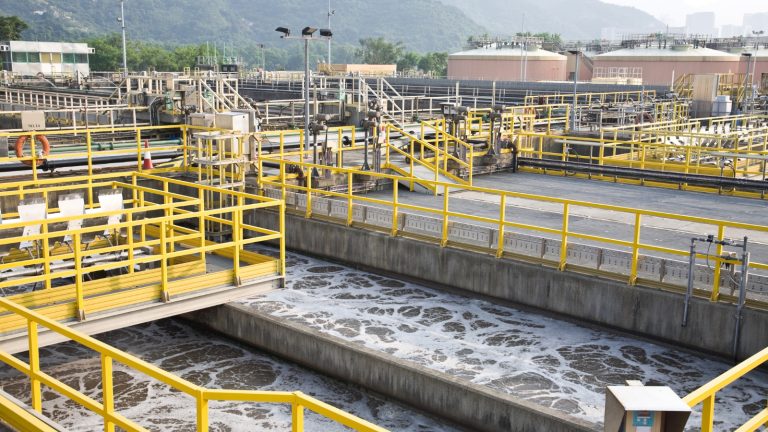
As artificial intelligence technologies continue advancing, chatbots are expected to become increasingly integrated into utility operations, sustainability programmes, and climate adaptation initiatives.
- One of the most significant developments will be the expansion of predictive capabilities. This will enable utilities to anticipate challenges before they occur and implement proactive responses that minimise disruptions.
- The growth of smart water utilities will further accelerate chatbot adoption. AI-powered conversational interfaces will help transform this information into actionable insights that support daily operations and strategic planning.
- Future chatbot platforms may also play a larger role in water demand forecasting and resource optimisation. By combining historical data, weather forecasts, and real-time consumption information, these systems could provide increasingly accurate recommendations regarding supply management and conservation planning.
- Another important trend involves enhanced integration with utility asset management systems. Chatbots may assist maintenance teams by automatically identifying equipment risks, recommending inspection priorities, and facilitating maintenance scheduling.
- Advancements in generative AI and natural language processing will also improve user experiences. Future chatbots will be capable of handling more complex conversations, interpreting contextual information more accurately, and providing highly personalised recommendations.
- Additionally, AI chatbots are expected to support broader environmental sustainability initiatives by facilitating ESG reporting, regulatory compliance, and stakeholder communication.
- Although AI-powered chatbots are not a standalone solution to climate change, they represent an important enabling technology.
Enhancing Climate Resilience and Emergency Response in Water Infrastructure with Tigernix
Tigernix offers a portfolio of Smart Asset Software Solutions that help water treatment facilities, municipalities, and water boards strengthen climate resilience by using AI-driven monitoring, predictive analytics, and real-time data automation to anticipate disruptions caused by floods, droughts, and extreme weather conditions.
Our software solutions continuously analyse asset performance, environmental conditions, and operational risks, enabling early warning alerts before failures occur. During emergencies, automated workflows support rapid incident response, resource allocation, and communication across teams, ensuring water supply continuity and minimising service disruptions in critical situations.
Improving Asset Safety, Predictive Maintenance, and Operational Efficiency
Through intelligent automation and AI-powered asset intelligence, Tigernix Smart Asset Software Solutions enhances infrastructure safety by identifying potential equipment failures, leakage risks, and performance degradation before they escalate into costly breakdowns.
The platforms use predictive maintenance models to schedule timely inspections, optimise repair cycles, and extend asset lifespan across water distribution systems and treatment facilities. This supports long-term sustainability and climate-adaptive infrastructure management.
Call for a free demo.
Tigernix- Digitally Saving Critical Infrastructure From Climate Changes
How AI Is Reshaping Water Utilities and Climate Change Response
So, can AI-powered chatbots really help solve climate change challenges? While they cannot directly eliminate greenhouse gas emissions or reverse environmental damage, they can play a meaningful role in helping organisations adapt to climate-related risks and manage resources more sustainably.
Within the water industry, AI chatbots support a wide range of activities that contribute to climate resilience, including water conservation, customer engagement, operational efficiency, emergency response, infrastructure management, and sustainability reporting. Their ability to deliver timely information, automate routine processes, and provide data-driven insights enables utilities to operate more effectively in an increasingly uncertain environment.
The future of climate resilience will depend on the successful integration of intelligent technologies, operational expertise, and environmental responsibility. As part of this ecosystem, AI chatbots are positioned to become valuable contributors to smarter, more sustainable, and more resilient water utility operations.
FAQs About AI-Powered Chatbots
AI-powered chatbots support sustainable water management by providing real-time information, promoting water conservation, automating customer interactions, and helping utilities access operational insights more efficiently. These capabilities improve resource utilisation and strengthen environmental sustainability initiatives.
Yes. AI chatbots improve climate resilience by enhancing communication during emergencies, supporting climate adaptation strategies, providing operational insights, and helping utilities respond more effectively to droughts, floods, and infrastructure disruptions.
AI chatbots encourage water conservation by educating consumers, delivering personalised usage recommendations, providing consumption alerts, and supporting public awareness campaigns that promote responsible water usage behaviours.
Within smart water utilities, AI-powered chatbots serve as conversational interfaces that connect users with operational systems, smart meters, analytics platforms, and monitoring tools. This improves accessibility, decision-making, and operational efficiency.
AI chatbots can support water infrastructure management by providing access to asset information, maintenance schedules, performance data, and operational procedures. This helps utilities improve infrastructure reliability and optimise maintenance activities.