

Today, $424 billion worth of Australia’s industrial sector operates in a fiercely competitive world where the pressure is on to extract as much longevity and potency from its assets as possible while keeping costs down. As a result of digital transformation strategies, predictive maintenance systems, and EAM software solutions, Strategic asset management has evolved from mere maintenance planning into an advanced concept used to reshape operations.
From utility companies to manufacturing plants, industrial organisations are embracing asset management implementation approaches with the goal of asset optimisation at their peak level of productivity and efficiency, minimising downtime and maximising operational efficiency.
In this article, we unpack the key ingredients, digital enablers, and success stories of strategic asset management, empowering industrial organisations with the tools to create enduring value and a competitive edge.
We will discover
- What Is Strategic Asset Management?
- Why Is Strategic Asset Management Critical for Australian Organisations?
- What Are the Core Components of Strategic Asset Management?
- How Does Digital Transformation Revolutionise Asset Management?
- What Role Does EAM Software Play in Strategic Asset Management?
- How Do AI and Predictive Analytics Transform Asset Performance?
- What Is the Strategic Asset Management Implementation Process?
- How to Build a Data-Driven Asset Management Strategy?
- What Are Industry 4.0 Technologies in Asset Management?
- How to Measure Strategic Asset Management Success?
- What Challenges Arise in Strategic Asset Management Implementation?
- How to Optimise Asset Management for Sustainability?
- Strategic Asset Management Success Stories in Australia
- FAQs About Strategic Asset Management
What Is Strategic Asset Management?

Strategic asset management is much more than simply keeping equipment running. It is about ensuring that assets work in concert with long-term business objectives to deliver the highest level of value and achieve operational excellence.
Key Takeaways
- Strategic asset management enables optimising the performance of assets in relation to the long-term business objectives, and it also increases value and reliability.
- Digitalisation, AI, and predictive maintenance systems minimise downtime and optimise performance.
- The EAM system provides live view maintenance, improved planning, and smart, data-driven decision-making.
- Australian companies are using Industry 4.0 to reduce asset lifecycle costs and meet sustainability targets.
Defining Strategic Asset Management and Its Business Objectives
This is a methodical process used to ensure assets provide the most value they can throughout their lifecycle. At its heart, predictive maintenance seeks to boost asset performance and operational productivity while reducing costs, all while maintaining regulatory compliance.
It enables your industrial company to optimise its performance metrics and make informed choices for growth and sustainability.
The Evolution from Reactive to Proactive Asset Management
When it comes to the traditional setup, asset management has been directed toward fixing things after they break, which is altogether too expensive in terms of lost time. Today, preventive strategies focus on Predictive Maintenance Systems and Condition Monitoring to anticipate issues, prolong the life of the asset, and enhance equipment performance.
Not to mention that this elevates maintenance from reactive firefighting into savvy planned interventions.
How Strategic Asset Management Drives Competitive Advantage in Australia
We all know that Australian companies are ahead in utilising AI-powered Asset Analytics and real-time data for optimised resource allocation. By managing asset lifecycle using optimisation, organisations can target unplanned downtime reduction.
It is true that they can improve asset reliability and operate more efficiently to outpace competitors in industries such as manufacturing, utilities, and infrastructure.
Why Is Strategic Asset Management Critical for Australian Organisations?
Strategic asset management is critical for Australia because powerful control over assets avoids the expensive failures, optimises capital, and complies with industry standards in the competitive environment of Australia.
The Cost of Asset Failures and Unplanned Downtime
As many of us know, a sudden, unexpected equipment breakdown can result in extended downtime, lost productivity, and financial stress. By means of strategic asset management, these risks are reduced by predictive maintenance systems and condition monitoring (to see if assets are running properly) to keep assets working as expected.
It is also certain that the latter reduces the economic impact of unexpected failures.
Balancing Asset Performance with Operational Budgets
If you wish to optimise the lifecycle of assets and to bring expenses under control, you must balance continuing to benefit from the peak performance of your existing investments with increased efficiency over time. Through data-driven decisions, your organisation can apply resources more effectively.
Plus, you can reduce maintenance costs and maximise asset utilisation. This way, capital invested in assets has long-term value to your business without being a drain on operational budgets.
Meeting Regulatory Compliance and Sustainability Requirements
You know that Australian laws require you to have a robust adherence management and sustainability programme.
Taking this strategic approach to asset management means that environmental monitoring, reporting, and sustainability are built into your organisation, supporting your ability to meet legal standards. This will help you deliver on any ESG goals your company has set itself, and maintain community trust as a result of smarter operational efficiency.
What Are the Core Components of Strategic Asset Management?
Core components of strategic asset management guarantee that assets are well planned, monitored, and optimised during their lifetime for optimal value and dependability.
Asset Lifecycle Planning from Acquisition to Disposal
Did you know that asset lifecycle planning is the process of mapping out every stage in an asset’s life, from purchase to disposal?
Leveraging asset management implementation and capital planning organisations maximise assets, reduce downtime, and enable better business decisions through data-driven performance that will lead to operational efficiency.
Condition Monitoring and Predictive Maintenance Strategies
Condition-based and predictive maintenance systems monitor asset health in real time with IoT sensors and analytics. This method assures you that potential failures are anticipated and minimise unscheduled downtime, increasing the performance of your assets, providing time to plan.
Risk-Based Decision-Making and Capital Planning Frameworks
You will need the risk-based approaches, which focus investments on asset criticality and operational impact.
This signifies that combining a focused approach to risk management with capital planning guarantees that resources will be used for high-value work, delivering asset optimisation improvements, and reducing maintenance costs. Plus, this will improve overall efficiency in support of strategic asset handling goals.
How Does Digital Transformation Revolutionise Asset Management?
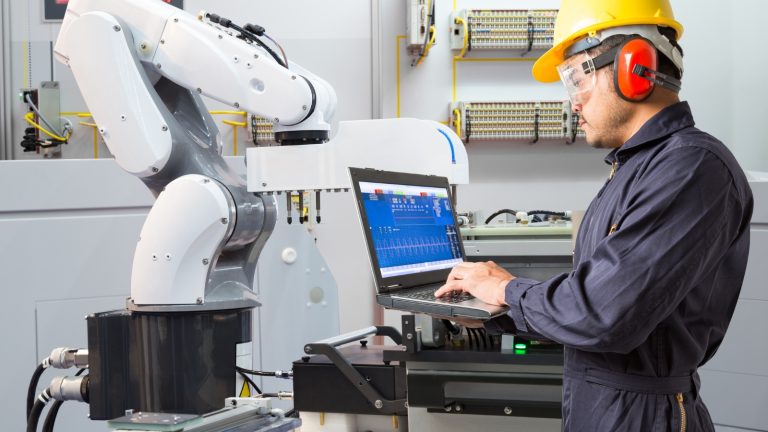
The digital revolution reinvents asset management through the automation systems that are more intelligent in nature and replace manual operations with performance-based activities.
From Manual Processes to Automated Data-Driven Systems
Did you witness how organisations are transitioning from spreadsheets and paper tracking to data-based decision-making managed by digital transformation initiatives?
Seamless asset tracking, efficient processes, and improved asset performance, amongst other benefits offered by automated systems, maintenance teams can now manage assets more proactively in a more accurate and lower operational risk environment.
Real-Time Visibility and Centralised Asset Intelligence
Real-time data and centralised platforms ensure there is one system of record for all assets. With the addition of IoT sensors, businesses get immediate access to information on asset health and performance.
The latter allows for predictive analytics and quicker decision-making that can drive operational efficiencies.
Cloud-Based Platforms for Scalable Asset Operations
Cloud infrastructure allows a scalable, flexible, and secure asset management deployment. You will notice that many companies use cloud infrastructure to consolidate asset tracking.
This makes real-time data readily available across teams and enables a digital twin model for intelligent predictions and sustained asset lifecycle management.
What Role Does EAM Software Play in Strategic Asset Management?
EAM software solutions or tools for strategic asset management support seamless maintenance operations, increased visibility, and in-depth analytics to make more informed decisions.
Comprehensive Asset Tracking and Inventory Management
Asset tracking, inventory control, and documentation of asset conditions are other features available in EAM software products.
It increases asset utilisation, lowers downtime , and makes maintenance planning more accurate, leading to organisations that achieve better equipment performance and overall operational effectiveness.
Work Order Management and Maintenance Scheduling
Automated work order management ensures accurate scheduling of preventive and predictive maintenance.
At this juncture, organisations can better manage maintenance planning, minimise forced downtime, and drive asset life optimisation to safeguard the integrity of assets and reduce costs throughout operations.
Integration with ERP, IoT, and Business Intelligence Systems
Today’s EAM solutions easily connect with ERP systems, IIoT sensors, and business intelligence tools. This combination enables AI-based asset analytics and improves real-time data insights.
Moreover, this combination facilitates data-driven decision-making to maximise asset performance, resource investment, and capital planning.
How Do AI and Predictive Analytics Transform Asset Performance?

AI and predictive analytics are reshaping the way that we think about asset management by delivering a level of visibility with regard to impending failures, streamlining operations, and bringing in smarter maintenance tactics.
Machine Learning Algorithms for Failure Prediction
Machine learning and AI algorithms process historical data as well as real-time data and detect asset failures in advance. This proactive effort ultimately leads to enhanced asset reliability, reduced downtime, and consistently high equipment performance.
As you can see, it makes the way for predictive maintenance systems for long-term effectiveness.
Pattern Recognition in Asset Degradation and Anomalies
Advanced AI recognises patterns in asset behaviour, so it can detect anomalies and signs of early wear. When IoT sensors are integrated with condition monitoring, businesses can predict risks and increase asset utilisation.
It will be a wise strategy to take preventive maintenance actions to improve the performance of assets, which helps in saving operational expenditures.
Automated Insights for Proactive Maintenance Decisions
You may know that AI-powered dashboards deliver actionable insights that allow your teams to act in real time.
By enabling automated alerts and predictive analytics, you can ensure that your assets are well-maintained, reduce unscheduled downtime, and get the most out of your asset lifecycle.
What Is the Strategic Asset Management Implementation Process?
A methodical process of asset management implementation will make sure the asset management is put in place to be effective, measurable, and fit-for-purpose relative to the business.
- Phase 1 – Conducting Comprehensive Asset Audits and Assessments
The system condition and performance criticality audit process for the first phase comprises a complete asset audit. Reliable asset insight allows for benchmarking, risk assessment, and resource allocation.
This is where intelligent decision-making is facilitated through informed data-driven decisions placed within the context of an asset’s life cycle.
- Phase 2 – Defining KPIs, Objectives, and Governance Frameworks
A strategic approach to asset management is driven by transparent KPIs and governance frameworks. KPI like asset reliability, equipment performance, and KPI monitoring remain vital in business, only for organisations to track growth.
They can also align on capital planning with their goals for the performance of the asset being achieved.
- Phase 3 – Technology Selection and System Integration
Choosing the best EAM software tools and connecting those tools with IoT sensors, AI, and cloud platforms is critical to maintenance success. This step provides real-time visibility into operational data, which enables predictive insights.
It builds an asset lifecycle optimisation platform that results in realised cost savings and improved asset reliability.
How to Build a Data-Driven Asset Management Strategy?
A data-led approach ensures that AM implementation can benefit from good data, tools for prediction, and digital technology to inform better decision-making.
Establishing Asset Data Quality and Master Data Management
High-quality asset data is the cornerstone of good strategic asset management.
Organisations deploy master data management (MDM) to accurately track assets, lower error rates, and facilitate data-backed decision-making.
The latter helps ensure dependable asset lifecycle optimisation that results in the most out of your assets in terms of performance and operational efficiency.
Implementing IoT Sensors for Continuous Condition Monitoring
Equipment health is constantly monitored by IoT sensors, which means that the latter accumulates real-time data to identify potential discrepancies and monitor equipment performance.
This strengthens predictive maintenance systems, minimises downtime, and helps ensure that assets perform to their maximum potential, all increasing asset usage.
Creating Digital Twins for Virtual Asset Modelling
The technology of digital twin develops a virtual copy of physical assets, which can simulate, validate, and predict their characteristics.
Intelligent asset analytics optimise the entire asset lifecycle, predict failures , and make strategic decisions based on data to improve the reliability of assets and save operational costs by using AI-propelled asset analytics solutions.
What Are Industry 4.0 Technologies in Asset Management?
- IoT and Connected Assets for Real-Time Performance Tracking
- Cloud Computing and Edge Analytics for Distributed Operations
- AI and Simulation for Predictive Asset Intelligence
How to Measure Strategic Asset Management Success?
Effective performance measurement assures that strategic asset management is a systemised process that achieves real benefits, enhances asset performance, reduces costs, and enhances capital efficiency.
Overall Equipment Effectiveness (OEE) and Reliability Metrics
Overall Equipment Effectiveness (OEE) is a metric that measures asset productivity of availability, performance, and quality.
By monitoring measurement results, organisations can evaluate the reliability of assets, pinpoint bottlenecks, and make maintenance plans that lead to optimum asset utilisation over time.
Mean Time Between Failures (MTBF) and Maintenance Cost Reduction
The MTBF is the measure of the expected time a piece of equipment will work without issues. With experience in the water and wastewater industries, we have found that by monitoring asset health and leveraging predictive maintenance solutions, enterprises can minimise downtime, extend asset life, and deliver tangible cost savings across both maintenance and operational budgets.
Return on Assets (ROA) and Total Cost of Ownership Analysis
By determining the ROA and TCO, you can justify your investments in assets. Enterprises combine capital planning with data-driven decision making for maximising asset performance and minimising their total cost of ownership in the overall lifecycle optimisation of assets towards strategic business advantage.
What Challenges Arise in Strategic Asset Management Implementation?
There are technical, organisational, and process-related challenges associated with progressing strategic asset management that need to be addressed cautiously.
Legacy System Integration and Data Migration Complexities
If new EAM software tools are intended to integrate with legacy systems, data migration can become a complex process.
This is where asset tracking continuity, consistent asset data, and accurate real-time data are key to ensuring the reliability of assets as well as effective asset lifecycle optimisation.
Change Management and Organisational Resistance
Rejection of new techniques may be an obstacle to the adoption of the asset management process. Organisations need to involve their teams, articulate catalytic training needs, and align stakeholders in order to address challenges that hinder the adoption of digital transformation initiatives and consequently lower operational effectiveness.
How to Optimise Asset Management for Sustainability?
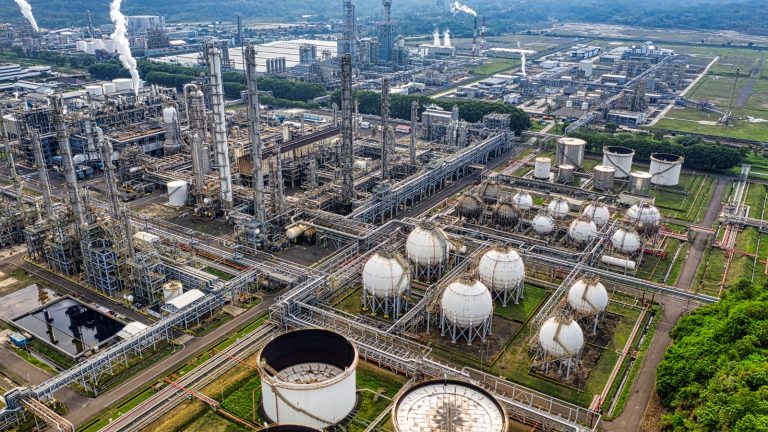
Sustainable strategic asset handling standardises best practices and procedures, embedding efficient operations and environmental goals within the organisation.
Energy Efficiency Monitoring and Carbon Footprint Reduction
You can improve resource and energy efficiency by tracking asset health and consumption to reduce waste and carbon.
Further, making data-driven decisions and condition monitoring allows organisations to achieve their sustainability targets, whilst also keeping up the performance of assets and reducing overall operations costs.
Circular Economy Principles and Asset End-of-Life Strategies
The adoption of circular economy practices maximises the asset lifecycle. By reusing, recycling, or properly disposing of assets, organisations are able to enhance asset utilisation rates.
It is also possible to minimise environmental impact and easy ESG reporting while preserving operational excellence.
ESG Reporting and Regulatory Compliance Automation
When compliance management and sustainability reporting are automated, regulatory requirements become easier to meet.
By linking digital twin models with real-time data, all of this can be done in a way that is accurate and promotes sustainability goals and transparency throughout Strategic approach to asset management programmes.
Strategic Asset Management Success Stories in Australia
Australian institutions are proving that strategic asset controlling and advanced digital technologies paint an ROI picture.
Water Utility Reducing Asset Failures by 45% with Predictive Analytics.
An excellent example of this is a smart utility provider in the water sector that combined predictive analytics and IoT sensors to assess asset health on-the-fly. This resulted in a 45% reduction in unplanned downtime, as well as optimised asset lifecycle and improved asset reliability.
This demonstrates the combined power of AI-driven asset analytics in real-world deployment.
Manufacturing Plant Extending Asset Lifespan by 30% Through EAM
An installing company incorporated the EAM software into its manufacturing process to facilitate full asset recordation and maintenance planning.
Better performing equipment and preventative maintenance also extended the life of assets by 30%, reducing borrowing costs and increasing overall operational efficiency.
Infrastructure Operator Improving Reliability With Digital Transformation
One infrastructure operator implemented digital transformation approaches with cloud-based infrastructure and a simulation model of a digital twin.
Live tracking and predictive analysis drove higher asset utilisation, lowered failures, and actual Vs. expected cost savings to demonstrate the quantifiable short-term value created by scaling up the use of asset management.
Why Choose Tigernix for Strategic Asset Management Solutions?
Tigernix has developed various suites of Smart Asset Management Software Solutions for Water, Wastewater, and Transportation industries using EAM tools and Industry 4.0 capabilities to optimise asset performance and reliability across Australian organisations.
Comprehensive EAM Tools With AI-Powered Predictive Analytics
Tigernix software platforms come with AI-integrated asset analytics, EAM tools to track asset health, predict failures, and optimise the life of an asset. This results in better asset uptime, less downtime, and smarter decisions for data-driven operations in the long run.
Industry 4.0-Enabled Solutions With IoT, Digital Twin, and Cloud Integration
As an Industry 4.0 asset management platform, Tigernix is combining IoT sensors, digital twin models, and cloud platforms to provide real-time visibility of its operations, improve predictive maintenance mechanisms, and support proactive optimisation of complex assets for various industries.
Proven Expertise in Water, Wastewater, Road, and Facility Asset Management Across Australia
Tigernix has a rich history in asset management across various industries such as water, wastewater, roads, and facilities. Adopting a strategic grid for asset management and asset lifecycle optimisation helps companies improve equipment performance, asset reliability, and operational efficiency.
Ready to Transform Your Asset Management Strategy?
Advance to the next level of digitalisation with Tigernix and enhance asset performance while cutting costs.
Schedule a Consultation With Tigernix Asset Management Experts
You can connect with our Tigernix specialists today to analyse your assets, review maintenance plans, and consider asset management strategies. Get a path to digital transformation strategies that drive improved asset utilisation and reliability.
Call for a free demo.
Discover How Strategic EAM Can Reduce Maintenance Costs by 35%
With EAM software tools and predictive maintenance systems, Tigernix can help your company cut down on machinery’s maintenance costs by as much as 35 %. Augmented asset tracking, health monitoring, and advanced AI analytics on assets enable smarter data-driven decision-making and optimisation of the asset lifecycle.
Tigernix- Begin Your Digital Transformation Journey With Intelligent Asset Solutions
FAQs About Strategic Asset Management
Strategic asset management is a structured approach to managing physical assets throughout their lifecycle to maximise value, performance, and reliability. It aligns asset decisions with business goals, reduces operational risks, improves maintenance planning, and supports long-term cost control and sustainability objectives.
Digital transformation improves asset management by replacing manual processes with automated, data-driven systems. It enables real-time monitoring, predictive analytics, and cloud-based visibility. These technologies enhance asset reliability, reduce downtime, optimise resource allocation, and support faster, more informed decision-making across operations.
EAM software centralises asset tracking, maintenance scheduling, and performance monitoring on a single platform. It supports preventive and predictive maintenance, improves asset utilisation, reduces unplanned failures, and provides actionable insights that help organisations extend asset lifespan while lowering operational and maintenance costs.
AI and predictive analytics analyse historical and real-time data to detect patterns and predict failures before they occur. This enables proactive maintenance planning, minimises downtime, enhances equipment performance, and improves asset reliability by addressing issues before they escalate into costly breakdowns.
Success is measured using metrics such as Overall Equipment Effectiveness (OEE), Mean Time Between Failures (MTBF), Return on Assets (ROA), and maintenance cost reduction. These indicators evaluate asset performance, reliability, lifecycle value, and overall operational efficiency to ensure measurable business impact.