

Dams are more than walls of concrete or earth; they are silent regulators of entire nations. In Australia, where rainfall swings between drought and deluge, the role of dams in water management goes beyond being technical to political. They store, protect, release, and sometimes disrupt. But how are they built? What impacts do they create? And how is technology transforming dam operations?
This comprehensive article explores construction, environmental impact, regulations, climate challenges, and smart innovation. We will help you understand the real power and complexity behind modern dam systems.
The article covers
- What Role Do Dams Play In Australian Water Management?
- What Are The Four Major Types Of Dam Structures?
- How Do Australian Dams Differ From Global Standards?
- What Are The Essential Components Of Dam Construction?
- What Site Selection Criteria Determine Dam Viability?
- What Australian Regulations Govern Dam Construction And Safety?
- What Upstream Environmental Impacts Do Dams Create?
- How Do Dams Affect Downstream River Ecosystems?
- What Are Environmental Flow Requirements In Australian Dams?
- What Economic Considerations Drive Dam Investment Decisions?
- How Do Climate Change And Drought Challenge Dam Management?
- What Smart Technologies Optimise Modern Dam Operations?
- How Can Asset Managers Prevent Dam Overtopping And Structural Failures?
- What Sustainable Dam Management Practices Balance Multiple Priorities?
- FAQs About Dams in Water Management
What Role Do Dams Play In Australian Water Management?
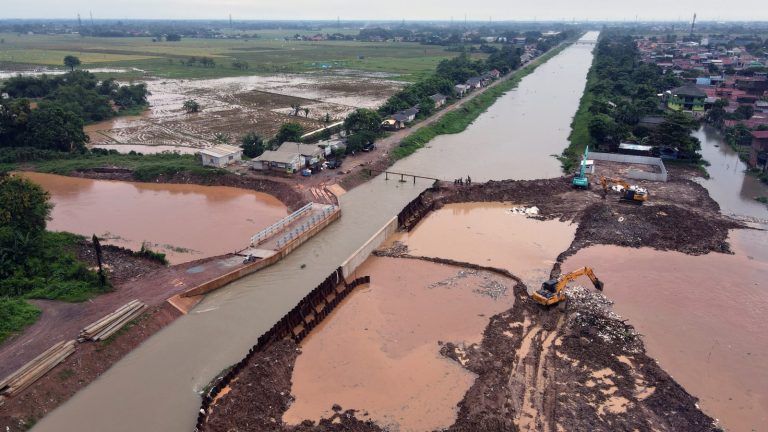
In Australia, dams act as the backbone of national water resilience by storing rainfall during wet years and releasing it during dry periods.
Key Takeaways
- Dams in water management are essential for securing Australia’s water supply in a highly variable climate.
- Dam construction requires careful site selection, strong regulation, and long-term environmental planning.
- Dams significantly affect upstream and downstream ecosystems, requiring environmental flow management.
- Smart technologies like AI monitoring and digital twins are transforming dam safety and operational efficiency.
Australia’s 500+ Large Dams Storing 80,000 Gigalitres For National Needs
Did you know that Australia operates more than 500 large dams with combined storage exceeding 80,000 gigalitres?
These assets secure water storage for cities, farms, and industry. Their reservoir capacity ensures reliability during prolonged dry spells.
Without these large-scale reserves, national water security would collapse under Australia’s highly variable rainfall patterns.
Dams As Critical Infrastructure in a Variable Rainfall Climate
It is widely known that Australia’s climate swings between drought and intense storms.
That makes dams in water management critical infrastructure rather than optional assets. They stabilise supply, support irrigation supply, enable hydropower generation, and provide flood control during extreme weather.
As you can see, their role extends beyond storage; they balance national risk exposure.
Historical Context: From 1857 To Modern Water Security Challenges
If you go back in history, the first major public dam, Yan Yean (1857), marked Australia’s early urban supply expansion. Since then, dam development accelerated alongside population growth.
Today, modern dam systems must adapt to climate volatility, stricter environmental laws, and public scrutiny. This reshapes how dams in water management are designed and operated.
What Are The Four Major Types Of Dam Structures?
- Gravity Dams: Concrete Or Masonry Structures Relying On Weight
- Arch Dams: Curved Designs Transferring Water Pressure To Canyon Walls
- Embankment Dams: Earth-Fill And Rock-Fill Construction Methods
- Buttress Dams: Reinforced Structures For Specific Topographical Needs
How Do Australian Dams Differ From Global Standards?
Australian dams are uniquely engineered to handle low average rainfall combined with high-intensity storm events.
Larger Reservoir Capacities Relative To Catchment Areas
Unlike wetter regions, Australian dams normally feature oversized reservoirs relative to catchment size. There are a few reasons for that.
This approach maximises long-term supply reliability. Further, it allows capture of episodic rainfall events and improves dams in water management performance during multi-year drought cycles.
Spillway Design Accounting For Extreme Rainfall Variability
Advanced spillway design in Australia must handle rare but severe rainfall bursts.
Engineers calculate probable maximum flood scenarios and overtop prevention thresholds. These systems are built to safely discharge extreme inflows without compromising dam stability.
Adaptation To Australia’s Unique Dry Climate And Seasonal Patterns
Australia’s seasonal rainfall imbalance demands flexible release strategies.
Reservoirs are managed conservatively during dry years and rapidly during storm events. This is where operational rules integrate climate modeling, hydrological forecasting, and risk assessment to maintain safety margins.
What Are The Essential Components Of Dam Construction?
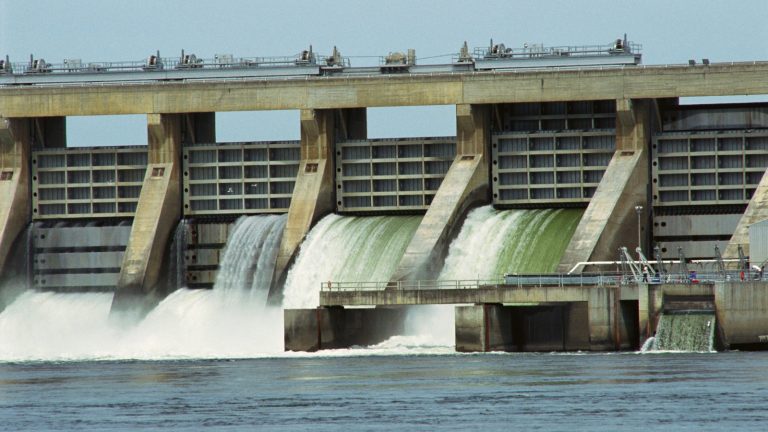
Dam construction integrates geological assessment, structural engineering, hydraulic design, and safety compliance into one coordinated system.
Foundation Preparation: Soil Testing And Bedrock Assessment
Foundation integrity determines dam lifespan. Engineers conduct drilling, permeability testing, and structural analysis to identify strong bedrock.
Weak foundations are treated with grouting or cutoff walls. Proper preparation prevents seepage and structural settlement failures in long-term dam infrastructure.
Core Trench Excavation And Embankment Compaction Techniques
A core trench is excavated into impermeable layers to block seepage paths.
Compaction occurs in thin layers to prevent voids. Modern dam construction methods use moisture-controlled rolling and density verification to ensure embankment stability under sustained hydraulic loads.
Spillway Design For Flood Discharge And Dam Safety
You can see that spillways regulate excess water safely. They include overflow weirs, chute channels, and energy dissipators.
Moreover, precision hydraulic modelling ensures that discharge velocities do not erode downstream channels or threaten structural integrity.
Outlet Structures For Controlled Water Release And Environmental Flows
Outlet towers, conduits, and valves allow controlled releases. These systems maintain supply reliability and enable regulated environmental flows downstream.
Operators adjust release patterns based on demand, seasonal forecasts, and ecological health requirements.
What Site Selection Criteria Determine Dam Viability?
Selecting a viable dam site requires hydrological, geological, economic, and social feasibility alignment.
Catchment Area Requirements: 5–10 Hectares Per Megalitre Storage
Engineers calculate optimal catchment yield ratios to ensure sustainable inflow. A general benchmark is 5–10 hectares per megalitre of storage. This ensures reliable inflows.
Also, they aim to minimise unnecessary excavation and construction costs.
Geological Stability: Waterproof Soil And Strong Foundation Materials
Sites must provide impermeable strata and strong structural rock. High-permeability soils increase seepage risk.
Geotechnical surveys evaluate slope stability, fault lines, and seismic exposure before approval.
Storage-To-Excavation Ratio: Achieving 2:1 Efficiency Targets
Economic feasibility often targets a 2:1 storage-to-excavation ratio. Efficient basin geometry reduces earthmoving volumes while maximising capacity.
The latter improves cost performance and long-term sustainability.
Proximity To Water Demand Centres And Distribution Networks
With our experience in the water industry, we have witnessed that the distance to urban or agricultural demand influences pipeline infrastructure costs.
At this juncture, optimal locations reduce transmission energy and enable efficient integration into broader catchment management systems.
What Australian Regulations Govern Dam Construction And Safety?
Australian dams operate under strict federal and state-level compliance frameworks. Let us reveal some of the main regulations.
ANCOLD (Australian National Committee On Large Dams) Guidelines
The ANCOLD guidelines provide national technical standards covering design criteria, hazard classification, and emergency planning. These guidelines shape engineering benchmarks and are central to Australian dam regulations.
State-Specific Regulations: NSW Dam Safety, Victorian Frameworks
Each state enforces tailored dam safety regulations. NSW Dam Safety Committee and Victorian authorities oversee compliance audits, risk classifications, and incident reporting.
Environmental Protection Requirements And EPA Approvals
All major dams undergo environmental impact assessment before approval. Environmental Protection Authorities evaluate biodiversity loss, water quality changes, and cultural heritage risks.
Downstream User Rights And Water Allocation Disputes
Water rights legislation governs downstream allocation. Competing demands between agriculture, urban supply, and ecosystems often create legal disputes requiring transparent allocation frameworks.
What Upstream Environmental Impacts Do Dams Create?
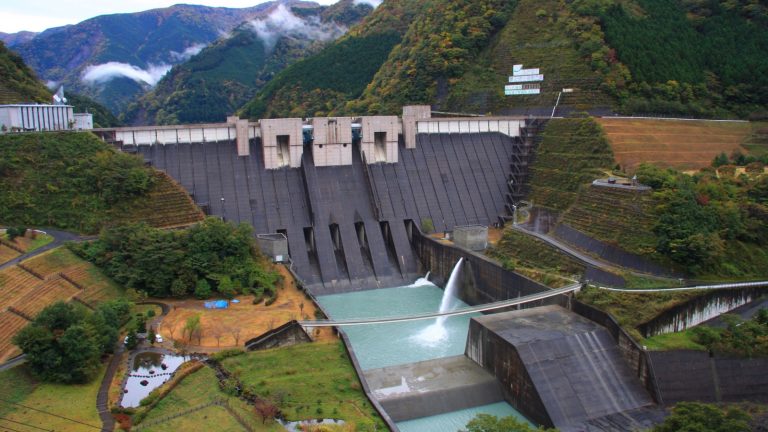
Dams fundamentally transform upstream landscapes by converting flowing rivers into standing reservoirs, reshaping ecosystems and carbon cycles.
Reservoir Formation: Transformation From Flowing River To Lake Ecosystem
When a dam wall closes, a river valley becomes a reservoir. This shift from flowing to still water changes oxygen circulation, light penetration, and nutrient cycling.
Riverine species often decline while lake-adapted organisms expand. The transformation permanently alters upstream biodiversity patterns and aquatic structure.
Habitat Loss And Displacement Of Terrestrial Species
Flooded valleys submerge forests, wetlands, and farmland.
Wildlife habitats disappear, forcing terrestrial species to migrate or decline.
In some regions, this includes culturally significant Indigenous land. Long-term land-use shifts also alter ecosystem connectivity and reduce biodiversity corridors.
Methane Emissions From Flooded Vegetation And Organic Matter
Submerged vegetation decomposes without oxygen, releasing methane, which is a potent greenhouse gas.
Tropical reservoirs show higher emission levels, but even temperate systems contribute measurable outputs. This environmental cost is now considered in modern lifecycle analyses of dams in water management projects.
Water Quality Changes: Temperature, Oxygen Levels, And Stratification
Reservoir stratification creates temperature layers that reduce oxygen at depth. This impacts fish survival and nutrient cycling.
Warmer surface waters can trigger algal blooms. Active sediment management and selective water offtake systems are increasingly used to reduce quality degradation.
How Do Dams Affect Downstream River Ecosystems?
Dams interrupt natural river continuity, altering flow timing, sediment movement, and ecological processes downstream.
Altered Flow Regimes Disrupting Natural Seasonal Patterns
Rivers once followed seasonal flood pulses. Dams flatten these variations to meet demand.
The result is ecological imbalance, as species depend on predictable seasonal changes for breeding and migration cycles.
Sediment Starvation And Riverbed Erosion Downstream
Sediment settles in reservoirs rather than moving downstream. Reduced sediment load causes channel incision and bank instability. Over time, riverbeds deepen, bridges destabilise, and floodplains disconnect from their natural replenishment cycles.
Fish Migration Barriers And Aquatic Biodiversity Impacts
Dam walls block migratory fish routes. Fish ladders and bypass systems attempt mitigation, but often remain only partially effective.
Biodiversity losses occur when species cannot reach their spawning grounds.
Reduced Nutrient Transport Affecting Downstream Vegetation
Nutrients trapped in reservoirs limit downstream productivity.
Wetlands and floodplains receive fewer organic materials. This weakens riparian vegetation health and disrupts entire food chains, creating long-term downstream impacts.
What Are Environmental Flow Requirements In Australian Dams?
Environmental flow policies aim to maintain river health while preserving a reliable supply for human use.
Balancing Water Security With Ecological Health Obligations
It is natural that regulators mandate minimum release volumes to sustain ecosystems.
These environmental flows mimic natural seasonal patterns. Balancing human demand and ecological survival remains one of the most complex aspects of dams in water management.
Warragamba Dam Case Study: Environmental Flow Implementation
If you consider the Australian water industry, the Warragamba Dam sits at its core. The reason is that it supplies Sydney’s drinking water while releasing controlled environmental flows into the Hawkesbury–Nepean system.
Flow regimes are periodically adjusted to support fish breeding and wetland regeneration.
Regulatory Frameworks Requiring Minimum Downstream Releases
State authorities enforce release thresholds. Compliance integrates hydrological modelling and ecological feedback loops.
On the other hand, non-compliance can trigger penalties under Australian dam regulations.
Adaptive Management Responding To Climate And Ecosystem Needs
Adaptive frameworks allow operators to revise release schedules based on seasonal forecasts. This flexibility strengthens climate change adaptation planning while maintaining ecological integrity.
What Economic Considerations Drive Dam Investment Decisions?
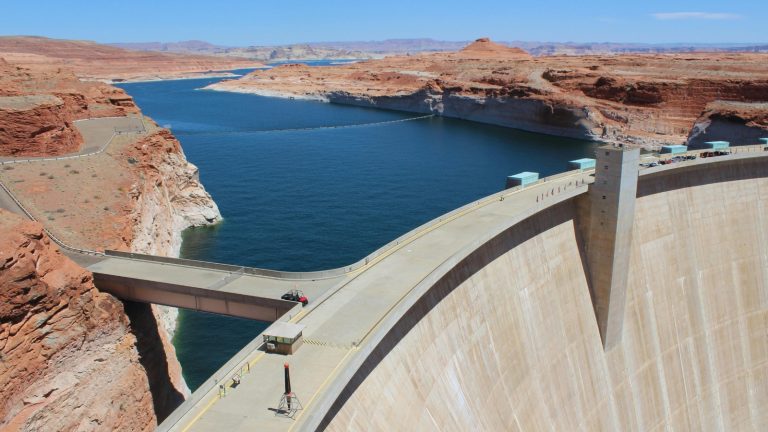
Dam projects involve complex cost-benefit analysis spanning decades.
Initial Capital Costs: $20,000 For Farm Dams To Billions For Major Projects
Small farm dams may cost around $20,000, while metropolitan reservoirs reach multi-billion-dollar budgets.
Capital intensity includes excavation, concrete works, and transmission infrastructure.
Cost Overruns: Australian Dams Averaging 120% Budget Increases
Historical data shows infrastructure megaprojects frequently exceed initial budgets. Delays, environmental mitigation, and material price volatility drive overruns.
Long-Term Operational Benefits Vs Environmental And Social Costs
Benefits include stable supply, flood mitigation, and economic growth.
However, displacement, ecological damage, and long-term sedimentation require financial valuation in planning models.
Alternative Water Sources: Desalination, Recycling, Groundwater Comparisons
Decision-makers compare dams with desalination plants, recycled water, and aquifer extraction. Each option carries unique cost, energy, and environmental trade-offs. Integrated water portfolios often diversify risk rather than relying solely on dams.
How Do Climate Change And Drought Challenge Dam Management?
It is evident that changing rainfall patterns increase uncertainty in reservoir planning and operational reliability.
Shifting Rainfall Patterns Affecting Reservoir Inflows And Reliability
Climate projections indicate more intense storms but longer dry intervals. This variability complicates inflow prediction and storage optimisation in dams in water management systems.
Increased Evaporation Rates: 0.6m–1.5m Annual Losses Across Australia
Annual evaporation losses range between 0.6 and 1.5 meters in some regions. Strategies for evaporation control include surface covers and windbreaks, though implementation remains limited.
Design Flood Recalculations Accounting For Intensifying Extreme Events
Updated flood models adjust spillway capacity assumptions. Engineers reassess historical maximum flood benchmarks to improve resilience.
Spillway Upgrades To Handle Larger-Than-Historical Flood Volumes
Spillway expansion projects now incorporate probabilistic climate modelling. This enhances resilience against overtopping risks during extreme storm clusters.
What Smart Technologies Optimise Modern Dam Operations?
Digital transformation is redefining monitoring, forecasting, and operational efficiency.
Digital Twin Models: Virtual Dam Replicas For Scenario Simulation
A digital twin creates a live virtual replica of a dam system. Engineers simulate inflows, structural stress, and emergency scenarios without physical risk.
This approach enhances predictive maintenance and investment planning.
AI-Powered Predictive Analytics For Dam Failure Prevention
Advanced predictive analytics powered by AI monitoring detects anomalies in structural movement, seepage rates, and rainfall forecasts. Early warnings prevent catastrophic failures and reduce maintenance costs.
IoT Sensor Networks: Real-Time Monitoring Of Water Levels And Structural Integrity
Networks of IoT sensors collect real-time data on water pressure, deformation, and vibration. This strengthens dam safety monitoring and improves operator response speed.
GIS Mapping For Multi-Dam Catchment Visualisation And Management
Integrated GIS mapping platforms visualise rainfall distribution, inflow patterns, and storage status across regions.
These tools support coordinated management across large basin networks.
How Can Asset Managers Prevent Dam Overtopping And Structural Failures?
Preventing failure requires proactive monitoring, automation, and emergency preparedness.
Continuous Parametric Monitoring: Rainfall, Inflow, Outflow, Evaporation
Operators track rainfall intensity, inflow rates, discharge volumes, and storage levels continuously. Parametric dashboards reduce reliance on manual oversight.
Automated Valve Control Systems Responding To Critical Water Levels
Automated control gates respond to threshold breaches instantly. This reduces human error and stabilises discharge patterns during flood events.
Predictive Maintenance Identifying Dam Wall Cracks And Stress Points
Structural sensors detect micro-cracking and stress accumulation. Maintenance teams intervene before small defects escalate into major risks.
Emergency Response Protocols For Flood Events And Dam Safety
Comprehensive response plans include evacuation mapping, communication frameworks, and simulation drills. These procedures align with dam safety regulations and formal risk assessment protocols.
What Sustainable Dam Management Practices Balance Multiple Priorities?
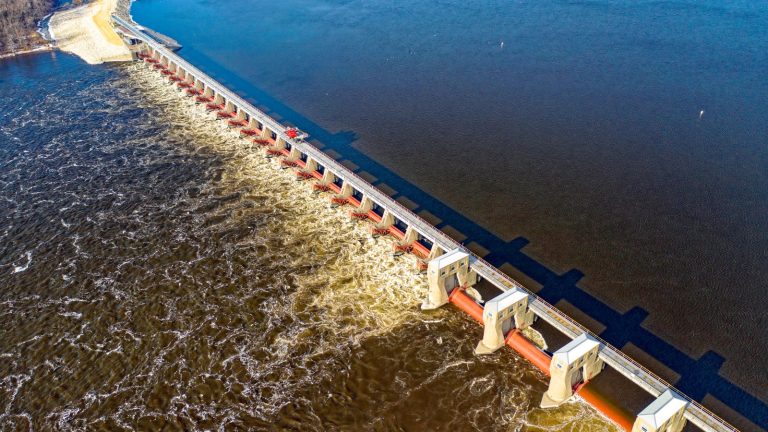
Sustainable governance integrates ecological, economic, and community objectives.
Water Allocation Equity: Urban Supply, Agriculture, Environment, And Hydropower
Allocation models balance competing demands. Transparent quotas ensure equitable distribution among sectors while maintaining long-term sustainability.
Community Engagement: Addressing Indigenous Cultural Heritage Concerns
Inclusive consultation processes protect cultural heritage sites and traditional water rights. Indigenous knowledge increasingly informs basin management planning.
Long-Term Asset Planning: 10-Year Investment Profiles For Renewals
Lifecycle planning spreads renewal costs across decades. Asset managers forecast rehabilitation needs and upgrade spillways proactively.
Transparent Decision-Making Incorporating Diverse Stakeholder Perspectives
Public reporting improves trust. Data dashboards and open-access hydrological updates encourage community participation.
Why Choose Tigernix For Smart Dam Asset Management?
Tigernix’s Industry 4.0-powered Smart Water Asset Solution integrates advanced analytics with infrastructure expertise to modernise dams in water management systems.
Catchment Solution: AI-Driven Monitoring For Multiple Dam Networks
Tigernix software suite delivers intelligent catchment management systems that unify rainfall, storage, and structural metrics across portfolios.
Digital Twin Capabilities For 2D/3D Dam Infrastructure Visualisation
Interactive models simulate stress behaviour and inflow forecasts. This strengthens operational foresight.
Predictive Analytics: Preventing Expensive Failures And Safety Incidents
Our software’s embedded early detection tools reduce risk exposure by identifying anomalies before escalation.
Compliance Management For Australian Environmental Regulations
Its automated reporting simplifies adherence to ANCOLD guidelines and broader compliance frameworks.
Ready To Transform Your Dam And Catchment Operations?
Modern challenges demand intelligent systems. Why wait when you have the best solution through Industry 4. Powers now?
Schedule Consultation With Tigernix Water Infrastructure Specialists
Engage with experts who understand national hydrological risk landscapes.
Call for a free demo.
Tigernix- AI-Powered Catchment Management For Sustainable Water Security
FAQs About Dams in Water Management
Dams in water management are engineered barriers built across rivers to store, regulate, and release water. They support urban supply, agriculture, hydropower, and flood control while stabilising water availability during drought and extreme rainfall events.
The four main types are gravity dams, arch dams, embankment dams, and buttress dams. Each design responds to different geological and hydrological conditions, balancing structural stability, material efficiency, and reservoir requirements.
Dams alter natural flow patterns, trap sediment, and block fish migration routes. These changes affect biodiversity, nutrient transport, and downstream habitats, requiring environmental flow releases to maintain ecological balance.
Climate change increases rainfall variability, drought frequency, and extreme flood risks. Higher evaporation rates and shifting inflow patterns require updated spillway capacity, improved forecasting, and adaptive reservoir management strategies.
Modern dams use digital twins, AI-powered predictive analytics, IoT sensors, and GIS mapping. These tools enable real-time monitoring, early fault detection, automated controls, and improved emergency response planning.