

Australia’s water networks are ageing quietly beneath the streets. Pipes laid decades ago now carry the weight of population growth, climate pressure, and rising service expectations. Yet many utilities still rely on outdated repair models. The real challenge is no longer fixing bursts; it is preventing them.
This guide explores how modern water infrastructure maintenance is shifting from reactive repairs to predictive intelligence. If Australia wants a resilient supply, reduced leakage, and long-term affordability, system management must evolve fast.
Let’s uncover what is really happening underground, and what must change.
We will explore
- What Is the Current State of Australia’s Water Infrastructure?
- Why Does Traditional Reactive Maintenance Fail Modern Water Systems?
- What Are The Three Maintenance Strategy Types For Water Infrastructure?
- How Do Water Pipes Deteriorate, and What Causes Failures?
- What Are Non-Revenue Water Losses and Their Maintenance Implications?
- What Role Does Pipe Condition Assessment Play?
- How Does Predictive Analytics Transform Maintenance Planning?
- What Digital Technologies Enable Modern Water Infrastructure Maintenance?
- What Maintenance Scheduling Approaches Maximise Asset Performance?
- How Do Australian Regulations And Standards Guide Maintenance?
- What Integration Challenges Exist In Modernising Maintenance Systems?
- How Can Utilities Balance Growth Investment With Asset Renewal?
- FAQs About Water Infrastructure Maintenance
What Is the Current State of Australia's Water Infrastructure?
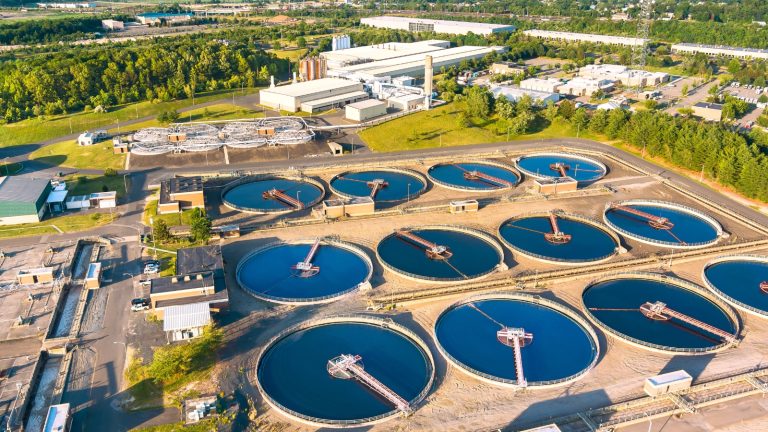
Australia’s water infrastructure is largely built from 1960s–1970s pipe networks that are now reaching the end of life, with increasing failure rates and mounting renewal pressure.
Key Takeaways
- Water infrastructure maintenance must shift from reactive repairs to predictive, data-driven strategies.
- Ageing networks and rising non-revenue water require proactive inspection and asset renewal planning.
- Digital tools like predictive analytics, IoT sensors, and integrated platforms improve reliability and reduce costs.
- Long-term investment and regulatory alignment are essential to protect water security and service sustainability.
Understanding The 1960s–70s Ageing Pipe Crisis Facing Utilities
You may know that much of Australia’s underground network was installed during rapid urban expansion in the 1960s and 1970s. These pipelines were designed for a 50–80 year asset lifespan. This means many are now structurally vulnerable.
Utilities face accelerating infrastructure deterioration as materials weaken and joint integrity declines. This ageing profile creates an urgent need for ageing water asset management strategies that go beyond patch repairs.
Instead of isolated fixes, utilities must assess systemic risk across entire networks. Without coordinated asset renewal, ageing pipelines will continue to fail at a higher frequency, increasing costs and service disruption.
12.7 Main Breaks Per 100km Annually: The Scale Of The Challenge
Australian utilities report an average of 12.7 water main breaks per 100 kilometres annually. Each failure leads to road closures, emergency excavation, customer complaints, and costly pipe burst response operations. These statistics reveal the limitations of traditional maintenance models.
Break frequency also varies by soil condition and pipe material, highlighting the importance of proactive risk assessment frameworks. Rising population density amplifies the disruption impact.
As systems grow more interconnected, even one failure can cascade across service zones. This failure rate underscores why water main break prevention must replace emergency response as the primary objective.
Infrastructure Australia's 2019 Audit Identifying Water As Critical Ageing Asset
In 2019, Infrastructure Australia identified water systems as critical ageing national assets.
Their audit emphasised that significant capital expenditure would be required to stabilise network reliability over the next two decades. Many utilities have historically prioritised expansion projects over renewal, resulting in widening infrastructure gaps.
What is more, the audit reinforced that delaying pipe upgrades increases long-term financial burden.
That is where strategic planning must balance growth with preservation. This finding strengthened the case for advanced water infrastructure maintenance models built around long-term data insights rather than short-term repair cycles.
Asbestos Cement And Cast Iron Materials Still In Widespread Service
Older networks still rely heavily on asbestos cement (AC) and cast iron (CI) pipes. AC pipes are brittle and prone to cracking, while CI pipes are prone to corrosion-related wall thinning.
Without systematic corrosion management, structural failures become more likely.
These materials also experience joint seepage, where small leaks gradually erode surrounding soil and undermine pipe bedding.
However, the problem is that replacement programmes are costly, so many utilities defer upgrades under ongoing budget constraints. Failing to modernise increases total lifecycle costs.
Transitioning to resilient materials like PVC and ductile iron requires strategic prioritisation and long-term planning within water infrastructure maintenance frameworks.
Why Does Traditional Reactive Maintenance Fail Modern Water Systems?
Reactive maintenance fails because emergency repairs cost more, increase disruption, and accelerate long-term infrastructure decline.
The Hidden Costs Of ‘Fix It When It Breaks’ Approaches
The traditional ‘fix it when it breaks’ model appears cost-efficient on paper. But reactive repairs involve emergency crews, traffic control, overtime wages, and public dissatisfaction.
Studies show that reactive work can cost up to 4 times as much as planned interventions. These approaches rarely address underlying structural weaknesses. Instead, they treat symptoms, not causes.
The financial strain becomes severe when multiple failures occur simultaneously. This pattern highlights the true cost of the reactive vs. planned maintenance debate. Long-term resilience demands systematic strategies instead of recurring emergency excavation cycles.
How Deferred Maintenance Compounds Future Replacement Costs Exponentially
Postponing inspections or upgrades may ease short-term financial pressure, but deferred maintenance multiplies future expenses.
Minor defects evolve into catastrophic failures requiring full pipeline replacement. As damage escalates, rehabilitation becomes more complex and disruptive. Over time, untreated deterioration shortens asset lifespan and inflates replacement programmes’ budgets.
This exponential cost curve places utilities in difficult funding cycles. Effective maintenance planning breaks this pattern by identifying issues early and intervening before failure thresholds are crossed.
Budget Pressures Vs Asset Renewal Urgency: Creating Dangerous Gaps
Political and financial cycles often prioritise visible new projects over invisible underground repair. Limited funding creates tension between expansion and asset renewal. This results in maintenance backlogs that widen every year.
Utilities face rising community expectations for uninterrupted supply and high-quality water. Yet operating under strict budget constraints can delay crucial works.
Without strategic funding models, networks drift toward reactive collapse. Modern water infrastructure maintenance requires long-term investment strategies aligned with performance targets and risk tolerance levels.
Community Service Expectations Exceeding Reactive Capacity
Consumers expect continuous supply, safe drinking water, and rapid restoration after disruption. As urban density increases, reactive teams struggle to respond fast enough.
Moreover, community tolerance for service interruptions is shrinking. This service gap emphasises the need for proactive monitoring and preventive scheduling.
Moving beyond emergency repair culture ensures reliability standards align with modern expectations. The future lies in predictive intelligence rather than reactionary response.
What Are The Three Maintenance Strategy Types For Water Infrastructure?
Water utilities use reactive, preventive, and predictive strategies, with predictive models delivering the highest long-term efficiency.
- Reactive Maintenance: Emergency Response To Failures And Bursts
Reactive maintenance involves responding after a breakdown occurs. Crews repair leaks, restore flow, and stabilise affected zones. While necessary for immediate containment, this strategy does not reduce future risk.
Frequent reliance on reactive methods increases operating volatility. Emergency repairs also compromise energy efficiency due to pump disruptions and re-treatment needs.
Although unavoidable in certain situations, reactive systems alone cannot support sustainable network management.
- Planned Preventive Maintenance: Scheduled Inspections And Interventions
Preventive maintenance includes scheduled valve checks, hydrant flushing, and structural inspections. This approach improves reliability by identifying early-stage defects.
It supports structured maintenance scheduling and aligns work with asset age and asset criticality ratings.
However, time-based scheduling may still overlook hidden deterioration between inspection intervals. Preventive systems are more stable than reactive models but less precise than predictive frameworks.
- Predictive Condition-Based Maintenance: Data-Driven Intervention Timing
Predictive strategies analyse historical performance, environmental conditions, and sensor data to forecast failure probability. These predictive maintenance systems use advanced condition monitoring to detect anomalies before visible damage occurs.
Instead of relying on fixed intervals, interventions are triggered by risk thresholds.
This reduces emergency repairs and extends asset lifespan. Predictive models also support accurate pressure management, minimising fatigue stress. Modern utilities increasingly adopt predictive frameworks as core pillars of advanced water infrastructure maintenance strategies.
How Do Water Pipes Deteriorate, and What Causes Failures?
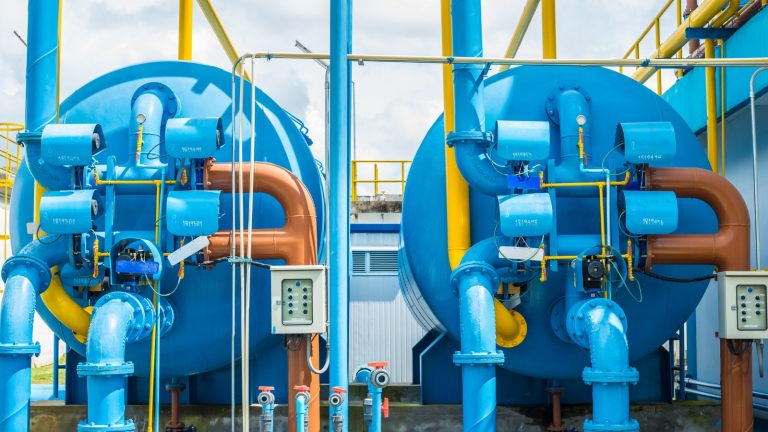
Water pipes fail due to corrosion, soil movement, pressure stress, and external environmental factors.
Corrosion Mechanisms In Different Pipe Materials (AC, CI, Steel, PVC)
Different materials degrade differently.
For example, cast iron and steel experience electrochemical corrosion, especially in aggressive soils. AC pipes crack under cyclic stress. PVC resists corrosion but can suffer brittle fracture over time.
Without systematic corrosion management, wall thickness reduces, weakening structural capacity. Understanding material-specific degradation patterns allows utilities to prioritise inspection and renewal accurately.
Here is where targeted strategies prevent premature failure and optimise lifecycle cost.
Joint Seepage And Soil Movement Causing Gradual Structural Compromise
Over time, connections loosen due to ground settlement and vibration. Small leaks emerge through joint seepage, washing away supporting soil.
This erosion reduces pipe stability and increases collapse risk.
In reactive models, these leaks often remain unnoticed until major surface damage occurs. Early detection through structured inspection prevents escalation and supports effective long-term planning.
Pressure Fluctuations And Water Hammer Accelerating Fatigue
Sudden valve closures or pump shutdowns cause pressure spikes known as water hammer. Repeated fluctuations weaken pipe walls and joints.
Strategic pressure management reduces stress and stabilises network performance. Without monitoring, these surges silently accelerate fatigue. Integrating predictive systems helps identify pressure anomalies and prevent structural failure.
External Factors: Aggressive Soils, Stray Currents, And Tree Root Intrusion
External environmental factors significantly influence failure rates. Aggressive soils speed corrosion.
Stray electrical currents intensify metal degradation. Tree roots infiltrate joints seeking moisture, causing cracks and blockages.
These variables complicate network stability. Incorporating soil data and environmental mapping into predictive frameworks enhances long-term resilience.
What Are Non-Revenue Water Losses and Their Maintenance Implications?
Non-revenue water losses are the difference between water produced and water billed, caused by leaks, theft, and metering or data errors, and they directly affect revenue, efficiency, and long-term water security.
Three Loss Categories: Unbilled Consumption, Apparent Losses, Actual Losses
Utilities classify non-revenue water into three main categories.
Unbilled consumption includes authorised but unpaid use, such as firefighting, mains flushing, and some municipal services. Apparent losses arise from meter inaccuracy, unauthorised connections, or data handling errors, so water is delivered but not correctly recorded or billed.
Actual losses are physical leaks from pipes, joints, and reservoirs. Together, these categories reduce income and mask true network performance.
Accurate water balance studies, meter testing, and field audits help utilities quantify each category.
Once the loss profile is clear, targeted maintenance planning and enforcement strategies can be designed to reduce waste, improve fairness, and strengthen financial sustainability.
Reported Bursts, Unreported Bursts, and Background Leakage Patterns
Losses from actual leaks occur on three levels.
Reported bursts are large failures visible at the surface, like road flooding or geyser events, which trigger emergency repairs.
Unreported bursts are hidden leaks that do not reach the surface, often discharging into drains or soil, remaining unnoticed for long periods.
Background leakage consists of tiny, continuous seeps at joints, fittings, and hairline cracks that individually seem minor but collectively become significant.
Without structured surveys, utilities only see the tip of the iceberg via reported failures. Acoustic surveys, step testing, and night flow analysis help identify hidden leakage zones. Systematic detection programmes transform invisible losses into measurable targets that can be addressed through proactive water infrastructure maintenance.
Economic Impact: Wasted Treatment, Energy, and Revenue
Every litre lost as non-revenue water has already been abstracted, treated, pumped, and transported. This means utilities waste chemicals, labour, and pumping electricity on water that never generates income.
High losses also inflate peak capacity needs, forcing expensive upgrades earlier than necessary. Revenue gaps weaken funding for asset renewal and long-term projects, creating a dangerous feedback loop where underinvestment leads to even more leakage.
Poor performance may also affect regulatory compliance and public confidence.
By reducing leakage and apparent losses, utilities cut operating costs, improve energy efficiency, and free up funds for strategic replacement programmes and digital upgrades.
How Systematic Maintenance Reduces NRW From 25% to Under 10%
Bringing non-revenue water down from around 25% to below 10% requires more than one-off leak hunts. It needs a structured programme that combines pressure control, active detection, rapid repair, meter management, and predictive planning.
Pressure optimisation lowers stress on pipes and reduces background leakage. Continuous leak detection and prioritised repairs tackle the biggest loss points first. Meter testing and data validation reduce apparent losses, while better condition monitoring from sensors and analytics prevents failures before they grow.
When these actions are embedded into everyday water infrastructure maintenance, NRW typically falls steadily over several years.
Utilities then benefit from higher billable volumes without increasing production, stronger capital expenditure justification, and more resilient networks able to handle growth and climate stress.
What Role Does Pipe Condition Assessment Play?
Pipe condition assessment provides evidence-based data to prioritise renewal, prevent failures, and optimise investment timing.
Acoustic Leak Detection Surveys And Correlator Technology
Acoustic surveys use sensitive listening devices to detect vibrations caused by underground leaks. Sound waves travel differently through soil and pipe materials, allowing pinpoint identification of hidden defects.
Advanced correlators compare signals between two sensors to calculate leak location with high precision. This improves early-stage leak detection accuracy and reduces excavation guesswork.
Routine acoustic programmes identify small leaks before they evolve into major ruptures. Integrating acoustic surveys into structured pipe condition assessment programmes significantly reduces emergency response costs.
With our experience, we have noticed that utilities that adopt continuous survey cycles experience measurable drops in failure rates, particularly in high-risk cast iron networks.
Over time, acoustic monitoring strengthens overall water infrastructure maintenance performance and reduces network stress.
CCTV Inspection For Structural Integrity Evaluation
Closed-circuit television (CCTV) inspections provide visual confirmation of cracks, deformation, corrosion pits, and joint separation. High-definition cameras travel inside pipelines, recording structural conditions and blockages.
For wastewater and stormwater systems, especially, CCTV reveals internal deterioration not visible externally.
This method complements acoustic testing by providing physical validation. Combined datasets improve renewal prioritisation and reduce subjective assumptions.
CCTV also assists in identifying infiltration points, tree root intrusion, and debris build-up. When linked with digital asset registers, inspections generate objective evidence for funding decisions and long-term rehabilitation programmes.
Pressure And Flow Monitoring For Hydraulic Performance Assessment
Hydraulic health is as critical as structural integrity. Monitoring pressure and flow identifies anomalies such as blockages, bursts, or valvular function. Continuous data enables real-time anomaly detection and long-term performance trending.
Smart loggers feed data into real-time monitoring dashboards, alerting operators to unusual patterns in real time. This approach enhances operational responsiveness while supporting preventative planning.
Monitoring also strengthens risk assessment processes by identifying zones vulnerable to high stress or abnormal fluctuations. Accurate hydraulic data ensures that intervention decisions are based on measurable evidence rather than assumptions.
Ultimately, this data-driven strategy elevates water infrastructure maintenance from reactive repair to predictive precision.
Creating Evidence-Based Renewal Priority Rankings
Not all pipes carry equal risk. By combining structural inspection, hydraulic performance, age, and failure history, utilities can create risk-weighted priority lists. High asset criticality pipelines serving hospitals or dense urban areas receive earlier intervention.
Data-driven ranking ensures limited funding targets the highest-risk assets first. This transparent approach strengthens funding approvals and long-term planning credibility.
Evidence-based prioritisation also helps align renewal with service continuity targets and regulatory benchmarks. Strategic ranking transforms renewal from politically influenced decisions into technically justified programmes.
How Does Predictive Analytics Transform Maintenance Planning?
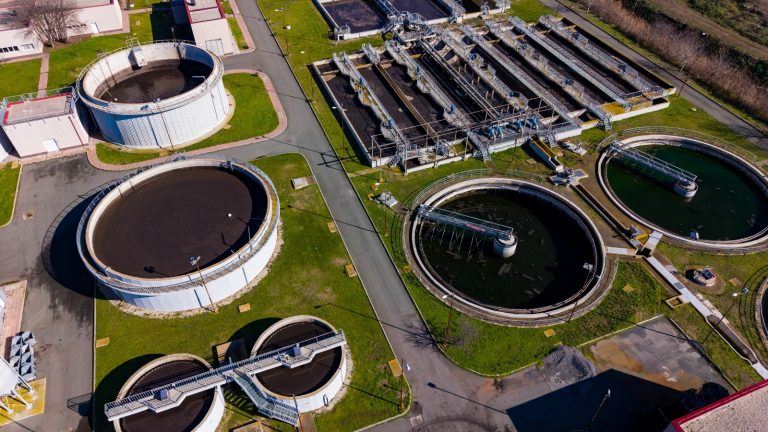
Predictive analytics forecasts asset failures using historical and real-time data, reducing emergency repairs and improving investment timing.
Historical Failure Data Revealing Patterns And Risk Profiles
Past failure records hold valuable insights. When utilities analyse location, material type, soil condition, and pressure data together, patterns emerge. Certain pipe classes fail more frequently under specific environmental conditions.
Digitising maintenance logs unlocks predictive power. Statistical modelling identifies zones of elevated vulnerability. This enables targeted intervention instead of network-wide blanket replacements.
Using historical insights, utilities can optimise inspection frequency and focus resources where they matter most.
Machine Learning Algorithms Forecasting Asset Failure Probability
Advanced algorithms evaluate thousands of variables simultaneously. Machine learning models calculate failure probability scores for individual assets. These models evolve continuously as new data is added to the system.
Unlike fixed inspection schedules, predictive systems dynamically adjust intervention timing. High-risk segments are prioritised before failure. This approach reduces uncertainty, improves reliability, and supports long-term budget planning.
Prescriptive Analytics Generating Optimised Maintenance Schedules
Predictive insight alone is not enough. Prescriptive analytics goes further by recommending optimal intervention timing. Algorithms consider crew availability, spare parts stock, risk severity, and service disruption impact.
This automation enhances strategic maintenance scheduling, reducing human guesswork. Prescriptive models also support cost-benefit analysis, ensuring resources align with risk exposure. Utilities achieve greater financial efficiency while maintaining reliability standards.
Australian Case Study: Reducing Reactive Repairs By 40% Through Prediction
Several Australian utilities have implemented predictive models to reduce reactive repairs by up to 40%. By integrating sensor data, inspection records, and environmental factors, they significantly lowered emergency excavation frequency.
The shift from emergency-driven response to planned intervention improved operational stability and reduced overtime costs.
What Digital Technologies Enable Modern Water Infrastructure Maintenance?
Modern maintenance relies on integrated digital platforms that provide monitoring, simulation, mapping, and automated control.
The future of infrastructure lies in connected intelligence and seamless data integration.
- Digital Twin Models Simulating Network Performance And Scenarios
A digital twin creates a virtual replica of the physical network. It simulates hydraulic behaviour, pressure zones, and failure scenarios under varying demand conditions. Utilities can test operational strategies without risking live systems.
Scenario modelling supports growth planning, emergency response design, and resilience assessment. The twin integrates inspection data and operational telemetry, improving predictive accuracy. Simulation-based planning strengthens strategic water infrastructure maintenance by visualising consequences before implementation.
- IoT Sensors Providing Real-Time Pressure, Flow, And Quality Monitoring
Distributed IoT sensors measure pressure, flow, and water quality continuously. These devices detect anomalies instantly and transmit alerts to control centres. Early warning reduces downtime and prevents cascading failures.
Sensor networks strengthen condition monitoring capability and enable proactive maintenance.
- GIS Platforms Integrating Asset Data, Field Inspection, And Operational Telemetry
Advanced GIS mapping platforms combine spatial data with inspection records and live telemetry. Operators can visualise asset condition geographically, improving decision-making speed and coordination.
- SCADA System Integration For Automated Control And Alarming
Modern systems rely on seamless SCADA integration for automated pump control, pressure regulation, and alarm triggering. SCADA platforms consolidate operational data and support instant response to abnormal conditions.
Automation reduces human error and improves efficiency. Integrated platforms ensure predictive insights translate into immediate operational action. Together, these digital tools form the backbone of advanced water infrastructure maintenance systems.
What Maintenance Scheduling Approaches Maximise Asset Performance?
Effective scheduling aligns asset risk, workforce capacity, and operational impact to optimise long-term performance.
Automated Scheduling Protocols Based On Asset Condition Criticality
Modern systems assign maintenance frequency based on real-time asset data and asset criticality. High-risk pipelines are inspected more often, while stable assets require fewer interventions. Automated algorithms adjust inspection intervals dynamically.
This approach reduces unnecessary site visits and improves efficiency. By embedding risk scoring into scheduling engines, utilities shift from calendar-based work to performance-based execution.
Coordinating Spare Parts Inventory With Predicted Maintenance Events
Advanced systems synchronise predicted maintenance needs with spare parts logistics. When a high-risk asset is flagged for intervention, required materials are pre-ordered automatically.
This reduces emergency procurement delays and minimises downtime. Inventory forecasting also supports better cost forecasting and prevents overstocking.
Strategic coordination between predictive alerts and procurement planning enhances operational stability and strengthens overall water infrastructure maintenance efficiency.
Crew Availability And Skill Matching For Specialised Repairs
Not all repairs require the same expertise. Intelligent scheduling platforms match work orders to crew capability, ensuring specialised tasks are handled by qualified personnel.
Skill alignment reduces repair time and improves safety compliance. Workforce optimisation also reduces overtime pressure and improves morale. Coordinated scheduling enhances productivity while maintaining service reliability.
Maintenance Windows: Balancing Disruption Minimisation With Urgency
Timing matters. Maintenance windows must consider traffic impact, peak demand cycles, and customer inconvenience.
Smart scheduling platforms simulate impact scenarios before finalising intervention timing. This approach balances urgency with service continuity. By planning work during low-demand periods, utilities reduce community disruption and maintain service trust.
How Do Australian Regulations And Standards Guide Maintenance?
National and state frameworks define safety, quality, environmental, and asset management standards for water utilities.
National Asset Management Framework Principles For Water Utilities
The National Asset Management Framework outlines structured approaches to planning, risk management, lifecycle costing, and sustainability. Utilities must align maintenance practices with long-term service outcomes.
This framework emphasises whole-of-life costing and transparent reporting. Effective regulatory compliance strengthens funding justification and builds community confidence. Structured governance is central to modern water infrastructure maintenance.
State-Specific Regulatory Requirements (NSW, VIC, QLD, WA, SA)
Each state operates under its own water authority legislation. For example, Sydney Water in NSW and Melbourne Water in Victoria follow state-specific performance reporting and safety requirements.
Utilities must meet service reliability, leakage targets, and environmental protection obligations. These requirements influence inspection frequency, reporting standards, and renewal prioritisation. Compliance ensures public health protection and operational transparency.
Australian Drinking Water Guidelines And Compliance Obligations
The National Health and Medical Research Council publishes the Australian Drinking Water Guidelines. These standards define acceptable quality thresholds and risk management protocols.
Maintenance plays a critical role in preventing contamination through pipeline breaches or pressure loss. Adhering to these guidelines ensures safe supply and public trust.
Environmental Protection Authority Discharge And Quality Standards
State Environmental Protection Authorities regulate discharge quality and environmental impacts. Maintenance failures can result in contamination events and heavy penalties.
Proactive systems reduce environmental risk and improve compliance outcomes. Integrating environmental monitoring into digital platforms enhances overall sustainability performance.
What Integration Challenges Exist In Modernising Maintenance Systems?
Legacy systems, siloed data, and workforce resistance complicate digital transformation efforts.
Legacy SCADA And Billing Systems Lacking Interoperability
Many utilities operate outdated systems that cannot exchange data easily. Fragmented platforms prevent unified visibility across operations.
Upgrading infrastructure requires phased migration strategies to minimise disruption. Seamless interoperability is essential for advanced analytics.
Data Silos Preventing Unified Asset Visibility
When inspection, finance, GIS, and operations data remain isolated, decision-making suffers. Integrated platforms eliminate silos and support evidence-based planning.
Unified dashboards enable comprehensive oversight and faster response to emerging risks.
Cloud Migration Strategies For Outdated On-Premise Infrastructure
Cloud solutions offer scalability, cybersecurity enhancements, and remote accessibility. Migration reduces hardware dependency and improves data resilience.
However, transition planning must ensure continuity. Gradual hybrid deployment models often minimise operational risk.
Change Management: Workforce Adoption Of Digital Tools
Technology adoption depends on workforce engagement. Training, leadership support, and clear communication are essential.
Digital tools must simplify work processes rather than complicate them. Cultural alignment ensures transformation delivers real performance gains.
How Can Utilities Balance Growth Investment With Asset Renewal?
Long-term capital planning must integrate expansion projects with systematic renewal funding.
Infrastructure expansion often attracts political support. However, underground renewal rarely receives the same visibility.
The Political Preference For ‘Ribbon Cutting’ Over Pipe Replacement
Visible infrastructure projects generate public recognition. Underground replacement does not. This imbalance often delays essential renewal programmes.
Strategic communication is necessary to highlight the long-term cost of neglect.
Integrated Water Management Planning: Growth And Renewal Together
Holistic planning integrates supply expansion, treatment upgrades, and pipeline renewal within one framework. This balanced approach ensures sustainable development without sacrificing reliability.
Multi-Utility Corridors And Collaborative Infrastructure Delivery
Coordinated corridor planning allows water, electricity, and telecommunications to upgrade infrastructure simultaneously.
Shared trenching reduces cost and disruption. Collaboration strengthens long-term affordability.
10-Year Capital Investment Profiles Aligning Renewal With Affordability
Long-term investment modelling spreads costs across manageable funding cycles.
Structured forecasting ensures renewal aligns with customer affordability and financial stability. Strategic planning prevents future funding crises.
Why Choose Tigernix For Intelligent Water Infrastructure Maintenance?
Tigernix Smart Water Asset Solution is a software platform that delivers AI-powered, integrated asset management models that reduce failures and optimise performance. Tigernix enables intelligent water infrastructure maintenance through advanced analytics and system integration.
AI-Powered Predictive Maintenance Preventing Failures Before Occurrence
Tigernix solutions use AI models to forecast failure probability and prioritise intervention. This reduces emergency repairs and improves operational efficiency.
Digital Twin Technology For Water Distribution Network Simulation
Integrated simulation models test operational scenarios without risking live systems.
Digital modelling improves resilience planning and investment confidence.
Complete Catchment-To-Tap Asset Management Integration
Tigernix platforms unify inspection data, GIS, telemetry, and financial systems into one environment.
Integrated intelligence improves decision-making and reduces fragmentation.
Proven Australian Deployments Reducing Maintenance Costs By 35%
Australian implementations have delivered measurable savings, cutting reactive works and improving reliability.
Data-driven transformation leads to sustainable performance improvement.
Ready To Transform Your Water Infrastructure Maintenance Strategy?
Predictive, integrated maintenance systems significantly reduce risk, cost, and service disruption.
Modern networks demand intelligent solutions.
Schedule Consultation With Tigernix Water Asset Specialists
Transition from reactive repair cycles to predictive, sustainable service models.
Resilient systems protect public health, strengthen financial performance, and secure Australia’s long-term water future.
Engage experts to assess your current infrastructure maturity and digital readiness.
Call for a free demo.
Tigernix-Sustainable Water Service Delivery Starts Here.
FAQs About Water Infrastructure Maintenance
Water infrastructure maintenance is the systematic inspection, repair, renewal, and optimisation of water networks to ensure reliability, safety, and efficiency. It includes preventive inspections, predictive monitoring, leak detection, asset renewal planning, and digital performance tracking to prevent failures and extend system lifespan.
Reactive maintenance only fixes problems after failure occurs, increasing costs, service disruption, and long-term deterioration. Modern systems require predictive, planned strategies to reduce emergency repairs, extend infrastructure lifespan, and improve reliability through early intervention and risk-based prioritisation.
Predictive maintenance uses data analytics, sensors, and historical failure patterns to forecast asset risk. This approach reduces unexpected breakdowns, lowers repair costs, improves maintenance scheduling, and increases service reliability by addressing issues before pipe bursts or system failures occur.
Most water main failures result from ageing pipes, corrosion, soil movement, pressure fluctuations, and joint weakness. Asbestos-cement and cast-iron networks installed in the 1960s–70s are particularly vulnerable, making condition monitoring and asset renewal essential for reliability.
Utilities reduce non-revenue water by implementing leak detection surveys, pressure management, predictive analytics, and condition-based maintenance. Systematic monitoring lowers hidden leaks, improves billing accuracy, enhances energy efficiency, and protects long-term water security and financial sustainability.