

Modern industries are increasingly dependent on uninterrupted machine performance, where even a few minutes of downtime can translate into significant financial loss. For example, in heavy industry, every hour of downtime can cost approximately $187,000. In this environment, Vibration Monitoring Sensors have emerged as one of the most critical technologies for ensuring operational stability, enabling early fault detection, and supporting intelligent maintenance strategies. These sensors are at the heart of modern predictive maintenance technology, helping organisations shift from reactive repair models to data-driven, condition-based approaches.
This makes vibration monitoring not just a maintenance tool but a core pillar of industrial asset monitoring, reliability engineering, and digital transformation.
This article covers
- Understanding Vibration Monitoring Sensors in Industrial Machinery
- Why Machinery Failures Occur Without Vibration Monitoring Systems
- How Vibration Monitoring Sensors Help with Machinery Failures
- Key Benefits of Using Wireless and Real-Time Vibration Monitoring Systems
- FAQs About Vibration Monitoring Sensors
Understanding Vibration Monitoring Sensors in Industrial Machinery

Vibration Monitoring Sensors are advanced diagnostic devices used in modern industries to measure oscillations, movement patterns, and mechanical vibrations in equipment.
These sensors form the backbone of industrial vibration monitoring systems, and enable organisations to continuously track machine performance and detect abnormalities early.
In industries relying on heavy machinery and rotating equipment, such as manufacturing, energy, and utilities, these sensors support machine condition monitoring sensors strategies that improve operational efficiency. Since they can convert vibration signals into actionable data, they help engineers apply predictive maintenance vibration sensors approaches.
Plus, the latter ensures machines operate within safe thresholds and reduces the likelihood of unexpected breakdowns.
As you can see, these sensors are essential equipment failure prevention sensors, designed to identify irregularities before they escalate into costly downtime. They are widely used in industrial asset monitoring environments where reliability and uptime are critical.
Whether embedded in motors, pumps, or compressors, they continuously feed data into real-time vibration analysis systems. Apart from that, they help maintenance teams make informed decisions.
It is visible that as industries shift toward predictive maintenance technology, these vibration sensors have become indispensable tools for improving machine health visibility and ensuring long-term asset reliability.
Key Takeaways
- Vibration Monitoring Sensors detect machinery faults before they cause major failures.
- Real-time vibration analysis enables proactive and data-driven maintenance decisions.
- Predictive maintenance reduces downtime, repair costs, and operational disruptions.
- Industrial IoT integration improves asset visibility, reliability, and performance.
Why Machinery Failures Occur Without Vibration Monitoring Systems
You may know that most machinery failures occur due to undetected wear, misalignment, imbalance, or lubrication issues that gradually worsen over time. Without proper machinery health monitoring, these issues remain invisible until catastrophic failure happens.
In traditional setups lacking condition-based maintenance sensors, maintenance is either reactive or scheduled, leading to inefficiencies and unexpected downtime.
This absence of fault detection in machinery systems results in increased repair costs, production delays, and reduced equipment lifespan.
Another major issue is the lack of rotating equipment monitoring, especially in motors, turbines, and pumps, where vibration changes are early indicators of damage. Without equipment condition tracking, organisations fail to identify early warning signals such as abnormal resonance or bearing wear.
This gap also affects preventive maintenance systems, as technicians are unable to act before failure occurs.
Ultimately, industries without industrial asset monitoring solutions face higher risks of operational disruptions, inefficient resource allocation, and increased reliance on emergency repairs instead of planned maintenance strategies.
How Vibration Monitoring Sensors Help with Machinery Failures
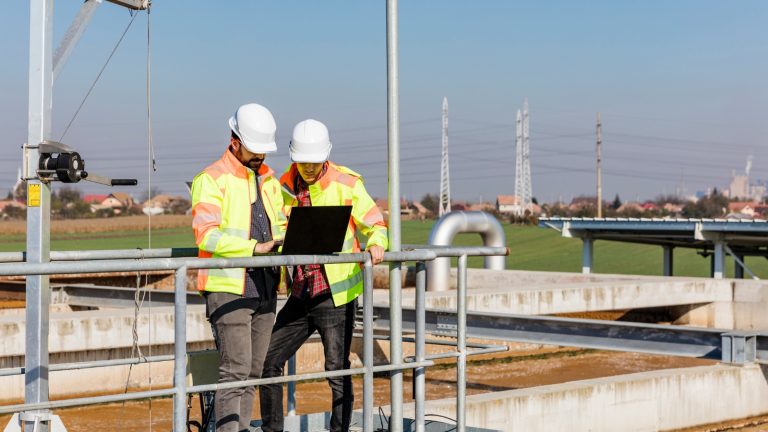
Vibration Monitoring Sensors identify early warning signs of equipment deterioration, and enable proactive maintenance while preventing catastrophic machinery breakdowns.
Detecting Early Warning Signs Through Real-Time Vibration Analysis Systems
These sensors play a crucial role in identifying early signs of equipment deterioration by continuously feeding data into real-time vibration analysis systems. What is the reason behind that?
These systems detect anomalies such as imbalance, looseness, or misalignment long before they evolve into serious failures. Through continuous monitoring, they support anomaly detection in machines, allowing maintenance teams to respond proactively.
This capability is essential in industries that rely heavily on uninterrupted production, as even minor faults can escalate into significant downtime. As they enable early detection, these sensors strengthen predictive maintenance technology strategies and improve overall operational safety.
In addition, real-time analysis enhances machine diagnostics tools, providing engineers with detailed insights into vibration frequency, amplitude, and pattern changes. These insights support structural vibration monitoring and ensure equipment integrity across various operational conditions.
As a result, organisations can significantly reduce equipment downtime reduction and improve asset reliability. The integration of industrial IoT vibration sensors further enhances data accuracy.
Not to say this enables seamless communication between machines and centralised monitoring platforms for smarter decision-making.
Identifying Bearing and Motor Faults Using Machine Condition Monitoring Sensors
One of the most valuable applications of Vibration Monitoring Sensors is detecting faults in critical components such as bearings and motors.
Using machine condition-monitoring sensors, industries can accurately detect early-stage bearing wear, lubrication issues, and motor imbalances. These sensors measure subtle changes in vibration patterns that are often invisible to manual inspection.
This allows engineers to address issues before they escalate, improving motor vibration detection capabilities and extending equipment lifespan.
These sensors also support bearing failure detection, which is essential in rotating machinery where small defects can quickly lead to catastrophic breakdowns. By integrating with industrial asset monitoring systems, they provide continuous feedback on equipment health. This enables maintenance teams to apply Condition-based maintenance sensors strategies instead of relying on fixed schedules.
At this juncture, it reduces repair costs and enhances operational efficiency by ensuring that maintenance is performed only when necessary, not prematurely or too late.
Preventing Catastrophic Breakdowns with Equipment Failure Prevention Sensors
They act as powerful equipment failure prevention sensors by continuously tracking vibration signatures that indicate potential system failures. These sensors are critical in preventing unexpected shutdowns in high-value industrial environments.
Since they can identify irregular vibration patterns early, they help organisations transition from reactive maintenance to preventive maintenance systems, significantly reducing operational risks. This proactive approach ensures that minor mechanical issues are resolved before they escalate into full-scale breakdowns.
Moreover, these sensors enhance predictive maintenance vibration sensors strategies by integrating historical and real-time data to forecast potential failures. Through advanced analytics, they support early fault detection systems, enabling maintenance teams to prioritise high-risk assets.
This not only improves safety but also reduces long-term operational costs. In combination with industrial sensor networks, these systems create a connected ecosystem where equipment health is continuously monitored.
This means that it ensures maximum reliability and minimal disruption.
Improving Asset Reliability Through Industrial Vibration Monitoring Systems
Modern industries depend heavily on industrial vibration monitoring systems to maintain consistent asset performance and reliability.
These systems provide continuous monitoring of equipment across production lines, ensuring that even minor deviations in vibration levels are detected early. By integrating equipment condition tracking, organisations gain a comprehensive view of machinery health, allowing for better planning and resource allocation. This improves operational stability and reduces unexpected disruptions.
Also, these systems contribute significantly to asset reliability monitoring, ensuring that critical machinery operates within optimal parameters. With the support of industrial IoT vibration sensors, data is collected and analysed in real time, enabling faster decision-making.
This integration strengthens smart factory monitoring systems, where automation and data intelligence work together to improve productivity.
As a result, businesses can achieve higher efficiency, reduced downtime, and improved return on asset investment.
Enhancing Maintenance Planning with Predictive Maintenance Vibration Sensors
The use of predictive-maintenance vibration sensors has revolutionised how industries plan maintenance activities. Instead of relying on fixed schedules, organisations now use data-driven insights to determine the exact timing of maintenance tasks.
These sensors provide continuous feedback on machine health, helping engineers identify patterns that indicate wear and degradation. This improves predictive maintenance technology adoption and ensures maintenance is both timely and cost-effective.
By integrating with machine diagnostics tools, these sensors enable detailed analysis of equipment behaviour over time. This allows maintenance teams to prioritise tasks based on actual equipment condition rather than assumptions.
Additionally, they contribute to equipment downtime reduction, ensuring that production processes remain uninterrupted. The combination of real-time monitoring and predictive analytics makes maintenance planning more accurate, efficient, and aligned with operational goals.
Reducing Downtime Using Continuous Condition Monitoring Insights
Continuous monitoring through these sensors significantly reduces downtime by providing uninterrupted insights into machine performance. These systems rely on condition-based maintenance sensors to detect irregularities early and trigger maintenance alerts before failures occur.
This proactive approach helps industries minimise production losses and maintain consistent output levels. Since it is possible to employ fault detection in machinery, organisations can quickly identify and resolve issues before they impact operations.
Furthermore, continuous monitoring supports industrial asset monitoring by offering real-time visibility into equipment health. This enables engineers to implement preventive maintenance systems more effectively, ensuring machines operate at peak efficiency.
The integration of industrial sensor networks ensures seamless data flow across systems, improving coordination between maintenance teams and operational units.
Ultimately, this leads to improved reliability, reduced costs, and optimised asset performance.
Supporting Root Cause Analysis in Mechanical Performance Issues
These sensors are essential tools for conducting effective root cause analysis in machinery performance issues. By analysing vibration patterns, engineers can pinpoint the exact source of problems such as misalignment, imbalance, or structural weakness.
These sensors enhance machine diagnostics tools, enabling deeper insights into equipment behaviour. This supports structural vibration monitoring, which is critical for identifying long-term wear patterns and mechanical stress points.
In addition, these systems contribute to industrial asset monitoring by providing historical data that helps engineers understand failure trends.
Through anomaly detection in machines, maintenance teams can isolate abnormal behaviours and trace them back to their origin. This improves decision-making and ensures that corrective actions are targeted and effective.
As a result, organisations can reduce recurring failures and improve overall system reliability.
Enabling Smart Factory Decisions via Industrial IoT Vibration Monitoring
In modern smart manufacturing environments, Vibration Monitoring Sensors are a key enabler of intelligent decision-making. Integrated with industrial IoT vibration sensors, they provide real-time data that feeds into centralised monitoring platforms.
This supports smart factory monitoring systems, where automation and analytics work together to optimise production efficiency. By leveraging continuous data streams, organisations can respond quickly to equipment issues and maintain smooth operations.
These sensors also strengthen industrial sensor networks, allowing seamless communication between machines and control systems. This enhances asset reliability monitoring, ensuring that equipment performance aligns with operational goals.
Additionally, they contribute to equipment downtime reduction by enabling predictive alerts and automated responses. As industries continue to adopt digital transformation strategies, vibration monitoring becomes a critical component of future-ready manufacturing ecosystems.
Key Benefits of Using Wireless and Real-Time Vibration Monitoring Systems

Wireless technology has significantly improved how industries deploy and scale Vibration Monitoring Sensors across large facilities.
Wireless vibration monitoring devices eliminate the need for complex cabling, making it easier to install sensors on remote or hard-to-reach equipment. This flexibility is especially valuable in industries such as mining, oil and gas, and manufacturing plants where machinery is distributed across wide operational areas.
By enabling seamless connectivity, these systems support industrial vibration monitoring systems that operate continuously without manual intervention, improving efficiency and reducing installation costs.
Another major advantage is the ability to deliver instant insights through real-time vibration analysis systems, allowing maintenance teams to respond immediately to abnormal machine behaviour. This enhances equipment condition tracking and strengthens early fault detection systems, ensuring issues are addressed before they escalate.
Wireless systems also integrate smoothly with industrial IoT vibration sensors, enabling centralised dashboards for monitoring multiple assets simultaneously.
As a result, organisations achieve better equipment downtime reduction, improved safety, and more reliable predictive maintenance workflows.
Tigernix’s AI-Powered Vibration Monitoring for Reliable Water Infrastructure
Tigernix presents a strong portfolio of Smart Asset Software Solutions, coupled with vibration monitoring sensors, condition monitoring technologies, and advanced IoT sensors, to continuously track the health of pumps, motors, blowers, compressors, and other critical water infrastructure assets. By combining real-time sensor data with AI-driven analytics, the Tigernix platforms detect abnormal vibration patterns, misalignment, bearing wear, and mechanical imbalances before failures occur.
Automated alerts and predictive recommendations enable your maintenance teams to take proactive action, reducing unplanned downtime, extending asset lifespan, and ensuring safe, uninterrupted operations across water treatment facilities, municipalities, and water boards.
Automated Predictive Maintenance and Asset Safety Management
Using AI, automation, and integrated sensor networks, Tigernix Smart Asset Software Solutions transform raw asset data into actionable maintenance insights. These systems correlate vibration data with temperature, pressure, flow, and operational performance indicators to identThis intelligent approach improves asset reliability, minimises maintenance costs, and protects your critical infrastructure from unexpected breakdowns and safety hazards.
Tigernix-Where Asset Reliability Lies
Call for a personalised demo.
Why Vibration Monitoring Sensors Are Essential for Modern Industry
Vibration Monitoring Sensors have become indispensable in modern industrial operations. As industries continue to adopt predictive maintenance technology, these sensors will remain central to achieving smarter, safer, and more reliable operations.
From motor vibration detection to bearing failure detection, and from industrial IoT vibration sensors to real-time vibration analysis systems, the impact of vibration monitoring spans across every layer of industrial performance. This is why organisations that invest in these technologies gain a significant competitive advantage through improved reliability, reduced costs, and optimised asset performance.
FAQs About Vibration Monitoring Sensors
Vibration Monitoring Sensors are most effective for rotating equipment such as pumps, motors, compressors, fans, turbines, and gearboxes. These assets generate measurable vibration signatures that help identify wear, imbalance, misalignment, and bearing defects before performance degradation occurs.
Vibration Monitoring Sensors detect bearing failures by measuring changes in vibration frequency, amplitude, and acceleration. Advanced vibration analysis algorithms identify characteristic fault frequencies associated with inner-race, outer-race, rolling-element, or cage defects, enabling early intervention before catastrophic failure.
Predictive maintenance uses historical data, AI models, and sensor analytics to forecast future failures, while condition-based maintenance relies on current asset conditions to trigger maintenance actions. Vibration Monitoring Sensors support both strategies by providing continuous machinery health data.
Real-time vibration analysis systems continuously process sensor data to identify abnormal operating conditions as they occur. This enables immediate corrective action, reduces unplanned downtime, improves maintenance planning, and enhances overall asset reliability through proactive fault management.
Yes, Industrial IoT vibration sensors can integrate with smart factory platforms, SCADA systems, CMMS solutions, and cloud analytics tools. This connectivity enables automated monitoring, predictive maintenance workflows, centralised asset visibility, and data-driven operational decision-making across industrial facilities.