

Without endangering Australia’s public health, water recycling has been shown to be an efficient and practical method of producing a fresh, dependable water supply. As we can see, reusing nonpotable water is a common technique that will keep expanding. Nonetheless, the applications of recycled water are emerging in Australia to meet environmental objectives and rising water supply demands.
Many believe that planned indirect potable reuse will soon become more widespread due to advancements in wastewater treatment technology and health studies.
In this article, we discuss how water recycling offers various benefits for a country, from cutting costs to environmental and operational benefits.
Water Recycling: What Is It?
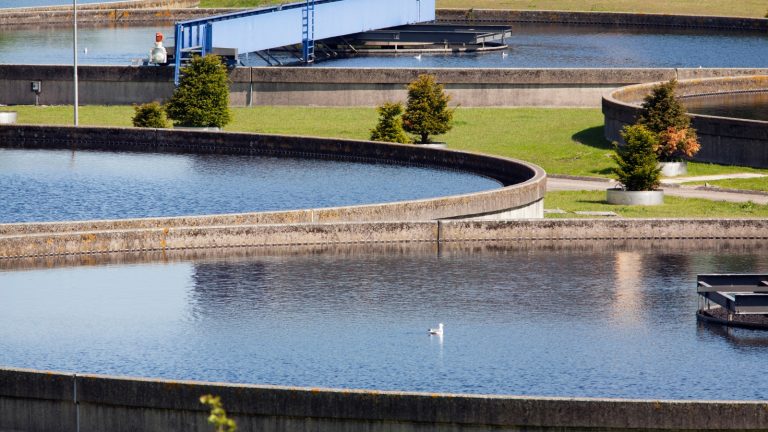
Water recycling is the process of transforming used water into usable water through water purification procedures.
Reusing cleaned wastewater for beneficial uses such as industrial processes, toilet flushing, agricultural and landscape irrigation, and groundwater recharge (also known as groundwater recharge) is what we can call water recycling.
Recycling water can save money and resources. This is because wastewater treatment can be customised to satisfy an intended reuse’s water quality standards. Compared to recycled water used for drinking, recycled water used for landscape irrigation requires less treatment.
However, despite some doubt, there are no known instances of human health issues resulting from contact with recycled water, as it has been processed in accordance with standards, criteria, and government laws.
Key Takeaways
- Water recycling helps businesses reduce freshwater consumption and lower water-related operational costs.
- Reusing treated water can improve resource efficiency and reduce wastewater disposal requirements.
- Effective water recycling systems support sustainable operations while improving long-term cost management.
What Advantages Does Recycling Water Offer?
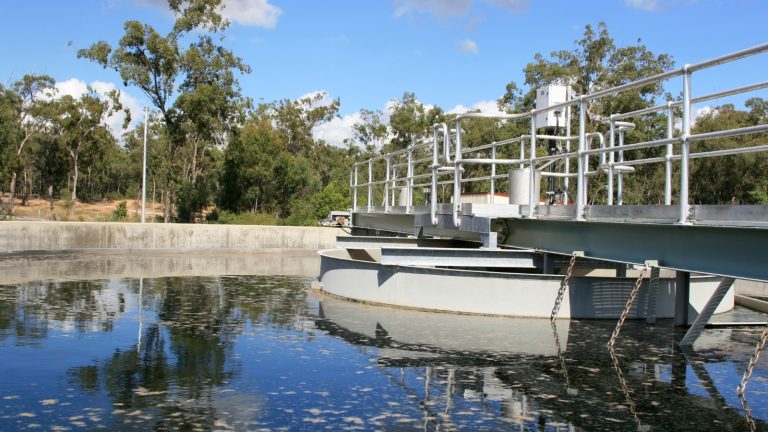
Water recycling offers significant environmental and operational advantages in addition to a consistent, locally managed water supply. Water recycling can help us identify strategies to reduce the amount of water diverted from delicate ecosystems by offering an extra supply of water.
Let’s explore them in the section below:-
Reduction of Discharge to Vulnerable Water Bodies
Sometimes the motivation to eliminate or reduce wastewater discharge to the ocean, an estuary, or a stream is the driving force behind water recycling rather than a need for water supplies.
It helps save vulnerable water bodies, as the discharge is not as toxic as it used to be.
Creating or Improving Wetlands and Riparian (Stream) Habitats
Wetlands offer numerous advantages, such as habitat for wildlife and waterfowl, improved water quality, less flooding, and fisheries breeding grounds.
Recycled water can be added to streams that have been damaged or dried out due to water diversion in order to maintain and enhance the aquatic and wildlife ecosystem.
Reducing Freshwater Diversion from Sensitive Ecosystems
For plants, animals, and fish to survive and procreate, there must be enough water flowing into their environments. Water quality and ecosystem health might deteriorate due to inadequate flow caused by diversion for urban, industrial, and agricultural uses.
Reusing water can help people meet their needs by using a dependable source of recycled water, which can boost flows to important ecosystems and release significant volumes of water for the environment.
Lowering and Preventing Pollution
Pollution loadings to rivers, oceans, and other bodies of water are reduced when pollution discharges are reduced. Furthermore, it is sometimes advantageous to repurpose materials for irrigation that could otherwise be considered contaminants when released into a body of water.
For instance, compared to potable water, recycled water could have higher concentrations of nutrients like nitrogen. Utilising recycled water for landscape and agricultural irrigation can reduce the demand for synthetic fertilisers and offer an extra supply of nutrients.
Reducing Energy Use
As the need for water increases, more water is harvested, cleaned, and often transported across long distances, all of which can be energy-intensive. If groundwater is the local supply of water, then as more water is extracted, the groundwater level drops, increasing the energy needed to pump the water to the surface.
Recycling water locally or on-site lowers the energy required to pump water from deep within an aquifer or transport water over longer distances.
The energy required to treat water is also decreased when water quality is tailored to a particular water usage.
Compared to drinking water, the water quality needed to flush a toilet is less demanding and uses less energy. By lowering the need for treatment, using recycled water of lesser quality for applications that do not require high-quality water saves energy and money.
How Tigernix Wastewater Reuse Asset Solution Enables Cost-Efficient Water Recycling
Now you can improve water recycling efficiency with Tigernix Wastewater Reuse Asset Solution, which is specifically developed to help wastewater treatment facilities manage reuse assets and optimise wastewater recovery.
Our software platform is powered by Industry 4.0 capabilities, and it offers real-time monitoring, IoT connectivity, predictive maintenance, automation, and intelligent analytics, all under one dashboard. Your wastewater facility can decrease water consumption, eliminate unwanted operational costs, minimise equipment downtime, extend asset life, improve resource utilisation, and support more sustainable, reliable wastewater reuse operations using the Tigernix solution.
Call for a free demo.
Tigernix-Where Saving Water Gets Digital
FAQs About Water Recycling Benefits
Water recycling lowers the amount of freshwater used, lessens the amount of wastewater released, encourages resource conservation, lowers operational expenses, and aids organisations in enhancing sustainability and long-term water security.
Water recycling assists industries in lowering their reliance on freshwater sources, improving wastewater management, managing water-related expenses, and promoting sustainable operations and environmental compliance.
Water recycling reduces the need for fresh water and enables organisations to maximise the value of limited water resources by treating and reusing wastewater for appropriate usage.
Water recycling can help industries like manufacturing, agriculture, food processing, mining, energy, and wastewater treatment by lowering the need for freshwater and increasing resource efficiency.