

The need for Sustainable water treatment is now more than an environmental target; it represents a necessity for cities, industries, and stressed ecosystems. With water shortages increasing and climate risks worsening, conventional treatment methods are becoming too energy-intensive, wasteful, and carbon-heavy. The question we should ask is not whether water treatment needs to change, but how it can adapt without jeopardising safety, reliability, or cost.
This article takes a closer look at what it really means for water treatment to be sustainable from new technologies and the use of energy, circular systems, and digital intelligence.
We will look into
- What Is Sustainable Water Treatment?
- Why Water Treatment Sustainability Is Critical Today
- Core Principles of Sustainable Water Treatment Practices
- Green and Eco-Friendly Water Treatment Technologies
- Sustainable Wastewater Treatment and Resource Recovery
- Sustainable Water Management Beyond the Treatment Plant
- Renewable Energy and Low-Carbon Solutions in Water Treatment
- Evaluating the Environmental Impact of Water Treatment Systems
- Regulatory and Compliance Drivers for Sustainable Water Treatment
- Emerging Trends Shaping Environmentally Sustainable Water Treatment
- The Economic and Social Value of Sustainable Water Treatment
- FAQs About Sustainable Water Treatment
What Is Sustainable Water Treatment?
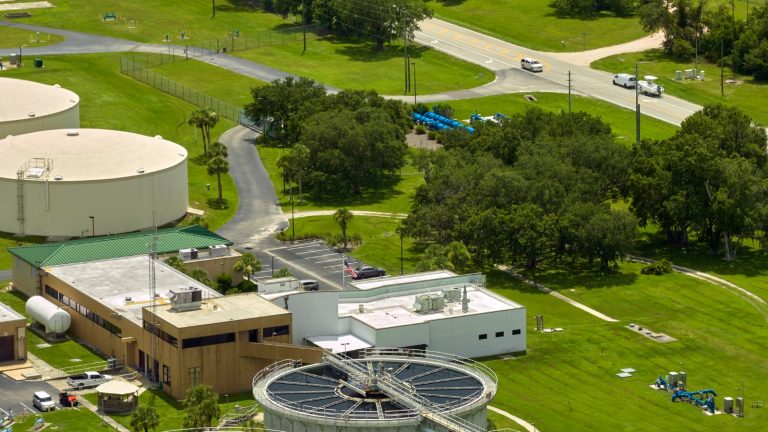
Sustainable water treatment is the delivery of water treatment in a way that provides sustainable outcomes by minimising environmental impact and consuming less energy and resources over an extended life cycle.
It is about efficiency, durability, and environmental neutrality rather than short-term performance.
Unlike traditional processes, which target output, sustainable strategies focus on lowering CO2 emissions and waste and water usage while upcycling lucrative products. Further, they bring in smarter technologies, cleaner energy, and greater life-cycle thinking to better ensure that the treatment of water supports human health and ecosystems.
Key Takeaways
- Sustainable water treatment lowers energy and chemical use, carbon emissions, protects water quality, and ecosystems.
- Key technologies, environmentally friendly water treatment methods, digital monitoring, and analytics are crucial to efficient and sustainable operations.
- The treatment of wastewater can be a sustainability-driven process that generates value with resource recovery, water reuse, and other circular practices.
- Adopting smart water management, as well as regulatory compliance and climate-resilient infrastructure, makes drinking-water systems more sustainable in the long run.
Why Water Treatment Sustainability Is Critical Today
Water treatment sustainability is becoming increasingly urgent due to increased water demand, aging infrastructure, and increasing climate risks. Today, treatment plants are one of the biggest energy users in a municipal system, which becomes operationally expensive and generates high levels of emissions.
When populations increase and industries develop, the water treatment environmental impact becomes a key point to keep tracking, such as increased carbon emissions, chemical release operations, and stressed ecosystems.
This is where the sustainable approaches can assist utilities in addressing such pressures and in maintaining regulatory compliance, affordability, and public trust.
Core Principles of Sustainable Water Treatment Practices
Reducing Energy and Emissions in Treatment Processes
Sustainable water treatment practices mean that water treatment should lean towards minimising energy use and emissions, without sacrificing efficacy. Most of the newer plants use energy-efficient water treatment designs.
This includes optimised aeration design, gravity flow, and process control. These are directly linked to low-carbon water treatment targets, such as reducing electricity demand and fuel use.
If the carbon footprint of water treatment plants can be quantified and monitored, this will enable operators to identify inefficiencies. Such benchmarks can help measure progress towards sustainability over time.
Minimising Chemical and Resource Consumption
Eliminating chemical dependence is an important part of environmentally sustainable water treatment. With our experience in the water industry, we have seen that the unnecessary use of chemicals results in waste and additional costs.
They also come with environmental risks during disposal or release.
However, methods like chemical-free water treatment depend on physical, biological, or electrochemical processes, rather than high-dosing methods. It is good to see that resource efficiency not only has benefits of environmental interest but also contributes to increased resilience in the long run.
This is particularly for regions affected by supply disruptions or strict discharge standards.
Green and Eco-Friendly Water Treatment Technologies
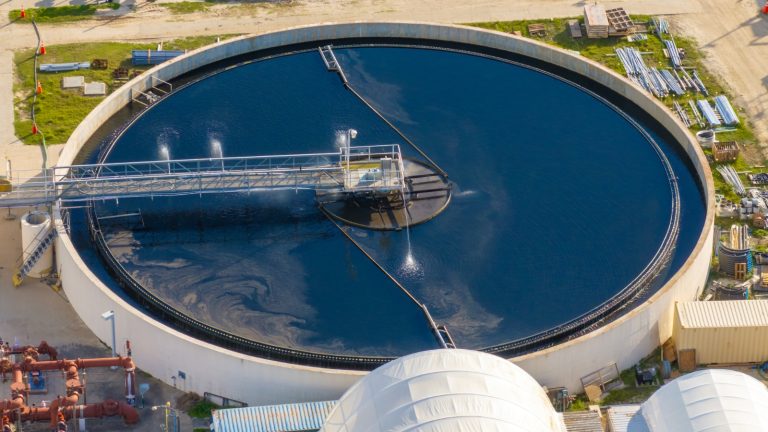
Advanced Treatment Systems Improving Sustainability
The cleaner technical solutions are the theme of the Green water treatment technologies. This is where Membrane Filtration technologies offer fine-tune contaminant removal with minimal chemical application. They stabilise them as a strong fit for potable reuse and industrial purposes.
At the same time, advanced oxidation processes remove recalcitrant pollutants not amenable to effective treatment by conventional means. These systems can contribute to water quality improvements and risk management in the environment downstream, contributing to larger eco-friendly water treatment goals.
Nature-Based and Hybrid Treatment Approaches
When it comes to nature-based water treatment solutions, we can see that they use wetlands, biofilters, and natural processes to treat water with relatively low energy input. These systems simulate ecosystems, where plants and microorganisms remove nutrients as well as pollutants naturally.
Integrated with the engineered infrastructure, hybrid systems also strengthen reliability as well as the sustainable aspects of environmental benefits.
This is increasing biodiversity, lowering operating costs, and ensuring water treatment fits into sustainability and land use plans.
Sustainable Wastewater Treatment and Resource Recovery
Turning Wastewater Into a Resource
Sustainable wastewater treatment changes the paradigm from waste disposal to resource recovery. You may notice that contemporary plants recover energy, nutrients, and recyclable materials from their wastewater.
Further, anything that supports sludge reduction and resource recovery not only reduces disposal volumes but also produces biogas or fertiliser. This is in line with the circular economy in water utilities.
This is where products and outputs are recovered or reused rather than disposed of, thereby achieving better economic and environmental performance.
Water Reuse as a Sustainability Strategy
Water reuse and recycling systems are necessary to ensure the sustainability of supplies in the long run. However, treated effluent can be reclaimed either for agricultural use or to implement industrial uses and even a potable reuse system in an environmentally acceptable manner.
This means that water reuse reduces freshwater demand, lowers treatment requirements, and improves drought resiliency. Not to mention that it makes wastewater treatment an integral part of sustainable urban or industrial water-cycle management.
Sustainable Water Management Beyond the Treatment Plant
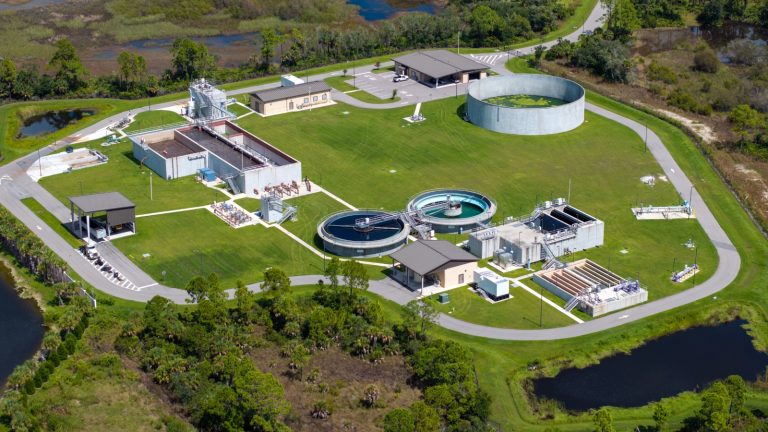
Smart and Digital Solutions for Efficiency
Smart water monitoring systems allow you to monitor in real-time the flow, quality, and energy demand at every point of a treatment network. Sensors with analytics detect and diagnose leaks, waste disposal, efficiencies, and performance issues before they become major problems.
This way, utilities can mitigate downtime and inform sustainability decisions with digital water management. Digital solutions increase transparency and enable treatment processes to be more in line with the environmental and regulatory objectives.
Integrating Treatment With Climate Planning
Systems that are future-ready will need climate-resilient water infrastructure, which can withstand floods, droughts, and high temperatures. Treatment design is combined with climate risk assessments in sustainable planning.
On the other hand, infrastructure resilience serves as an ongoing safeguard to prevent service disruption, mitigate costs of emergencies, and maintain the integrity of water systems, particularly those subject to environmental uncertainty. As you can see, sustainability, resilience, and reliability are becoming increasingly intertwined.
Renewable Energy and Low-Carbon Solutions in Water Treatment
Did you know that more than 100 water utilities are going from hydrocarbon to renewable power? Renewable energy in water treatment, like solar arrays and biogas recovery, decreases reliance on fossil fuels and stabilises operational costs.
The systems allow achieving emission reduction goals and increasing energy independence. Adding renewables to treatment operations is a tangible way to meet sustainability and long-term climate goals.
Evaluating the Environmental Impact of Water Treatment Systems
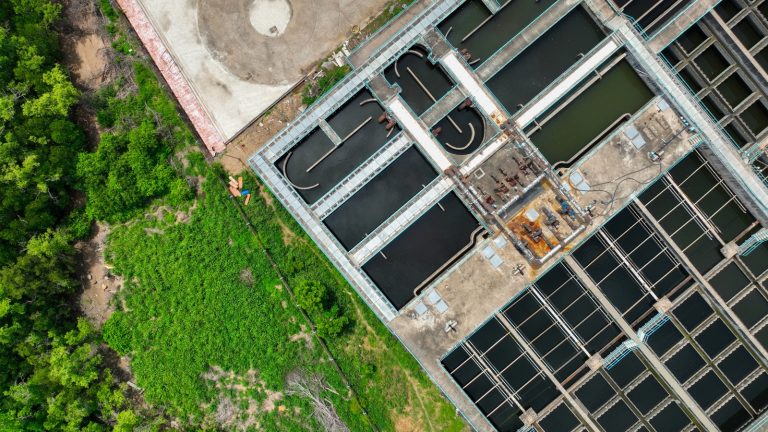
Measuring Sustainability Performance
If you wish to understand sustainability, you must think in terms of life cycles. Life cycle assessment in water treatment considers environmental impacts from construction, operation, and disassembly.
This methodology enables decision makers to compare technologies on a fair and equitable basis, which becomes increasingly important as life cycle GHG emissions are low. This way, sustainability benefits do not simply become an exercise in moving the burden elsewhere in the system.
Also, transparent measurement is conducive to better planning and investment choices.
Regulatory and Compliance Drivers for Sustainable Water Treatment
Water treatment regulatory compliance and sustainability are becoming ever-more intertwined. Reorganised regulations consider promoting the quality of emissions, energy efficiency, reuse, and discharge quality.
This is why proactive utilities implement sustainability plans to be ahead of compliance demands. Linking treatment upgrades to regulatory trends mitigates risk and provides environmental benefits.
Emerging Trends Shaping Environmentally Sustainable Water Treatment
It is evident that environmentally sustainable water treatment is still the driving force of technology innovation. Apart from this, sustainable desalination methods lower energy and environmental requirements by generating enhanced membranes and energy-efficient recoveries.
Decentralised platforms, automation, and AI-based optimisation are also emerging. These shifts suggest treatment options that are more flexible, sustainable, and locally adapted.
The Economic and Social Value of Sustainable Water Treatment
Cost Savings and Long-Term Financial Resilience
Green water treatment is economically attractive due to reduced energy consumption, chemical usage, and maintenance costs through the service life of a product. There may be a level of investment up-front for the first few upgrades, but these efficient workstations will deliver savings on an annual basis.
Utilities that undertake energy-efficient design of power plants, process control, and other improvements are further protected from the volatility of fuel costs. As for direct savings, sustainable systems lengthen the life of assets and decrease emergency repairs.
This enduring financial stability gives municipalities and companies the opportunity to re-invest in continuous service improvement, infrastructure modernisation and community growth instead of responding to failures.
Public Health, Equity, and Community Trust
Water that is potable and safe to drink is a fundamental of social stability. In such a context, environmentally friendly water treatment will contribute to enhancing public health by providing high-quality water while minimising harmful by-products into the environment.
Sustainable systems also foster equity through more reliable and affordable water services for marginalised groups. At this point, public trust grows when utilities operate with transparency and sustainability.
Communities develop trust that water systems are built to serve not only today’s needs, but also to safeguard future generations and local ecosystems.
How Tigernix Smart Solution Supports Your Water Utility with Sustainable Water Treatment
Smart Water Asset Software, uniquely developed by Tigernix, allows water utilities to deliver efficient service for smarter use of resources. Our software observes treatment systems and possibilities to minimise sludge generation, recover energy, and reuse water for circular water management.
Its embedded Predictive Analytics optimise chemical dosing and energy use, performance dashboards enable operators to monitor environmental impact in real time. Utilities can now cut emissions, save on water consumption, and optimise resource recovery through the use of Industry 4.0 technologies.
Call for a free demo.
Tigernix-Sustainable Water Treatment is Highly Achievable.
FAQs About Sustainable Water Treatment
Sustainable water treatment reduces energy use, emissions, and resource waste while maintaining safe water quality. It integrates efficient technologies, renewable energy, reuse strategies, and lifecycle planning to protect ecosystems and ensure long-term water availability.
Sustainable wastewater treatment minimises pollution, recovers resources, and reduces freshwater demand. By reusing treated water and extracting energy or nutrients, it lowers environmental impact and supports circular water systems.
Green water treatment technologies often reduce long-term operating costs by lowering energy use, chemical consumption, and maintenance needs. While upfront investment may be higher, lifecycle savings and regulatory benefits improve overall cost efficiency.
Energy efficiency lowers operating costs and reduces emissions from water treatment facilities. Since treatment plants are major energy users, improving efficiency directly supports climate goals and system sustainability.
Water reuse supplies reliable alternative water sources, reducing pressure on freshwater systems. It strengthens drought resilience, supports industry and agriculture, and plays a vital role in sustainable water management strategies.