
In the face of growing water demands and scarce resources, water utilities have a difficult time guaranteeing a consistent and safe supply of water. Water leaks are frequently caused by ageing supply and distribution networks, which exacerbate the problem, especially in urban areas. In order to satisfy end users’ demands for reliable service and high-quality water, water infrastructure management is essential.
However, there is a serious risk to the operation of water distribution networks. Addressing these difficulties necessitates careful study and the application of relevant tools and approaches.
In this article, we reveal the main problems in the water sector along with the best approaches to tackle them.
Challenges in Water Distribution Systems
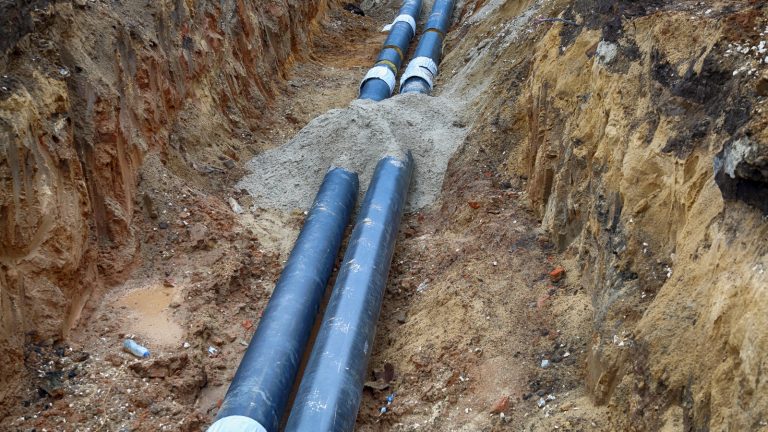
The following lists the major challenges that water distribution networks are now facing.
Key Takeaways
- Urban water distribution systems ensure reliable delivery of clean water to homes, businesses, and public facilities.
- Effective network monitoring, leak detection, and infrastructure maintenance help reduce water losses and improve distribution efficiency.
- Smart technologies and proactive asset management can enhance system reliability, optimise operational costs, and support sustainable urban water supply.
High Energy Consumption
Water has been considered a resource that can provide energy. However, hydropower has already reached its zenith in wealthy nations, with massive plants already constructed. Since transporting water and restoring it to its previous condition requires enormous quantities of energy, water is now examined as an energy-hungry process rather than as an energy generator due to increased sensitivity to environmental disturbances.
Even basic steps require a significant amount of energy. Additionally, energy is a finite and essential resource whose cost fluctuates with an increasing trend and affects choices like pipe renewal, the adoption of demand reduction strategies, pressure reduction, etc.
According to industry reports, the water industry accounts for 4% of total energy use. Three per cent of the world’s electricity expenditures in Europe are related to the water sector.
The urban water cycle’s energy footprint varies based on a number of factors, including geography, treatment technology, and the source of the water.
Keeping Up with Water Quality
In order to prevent its possible occurrence, Australia’s drinking water quality directive for human consumption needs to be closely maintained. Reducing possible hazards and their effects is part of source water protection.
When it comes to preserving, protecting, and enhancing the amount and quality of drinking water, protection programs can be highly economical. Governments enforce adherence to regulations pertaining to water protection under current legislation.
As a result, programs are set up to provide water utilities with financial and technical assistance to complete source water protection responsibilities. Water quality issues are frequently caused by physicochemical and biological processes. Microbiological issues pose a risk when consumed by humans.
Agricultural and animal operations (fertilisers, pesticides), waste and sewage discharges, fuels, runoff, dissolved oxygen, pH, global warming (temperature), etc., are the main causes of water quality issues. These are impacted by factors including rainfall, climate, soil, vegetation, geology, and groundwater that the network manager cannot alter.
Only human actions that compromise the quality of the water can be controlled by the network manager. There are numerous causes, including cholera, diarrhoea, and hepatitis A.
Ageing Infrastructure
To maintain service standards and provide clean, safe water, water distribution networks require investment and upkeep.
Ageing infrastructure results in a waste of limited resources and a decline in the quality standards of water supply services. While ageing is one of the primary causes of broken and leaky pipes, fluid pressures and the amount of time spent looking for the leak and fixing it (after it has been discovered) also have an impact.
Since many pipelines have been in place for a long time, there is a considerable chance of pathogenic intrusion, inadequate maintenance, etc.
Leakage
In addition to meeting demand, reducing network leaks helps prevent a number of issues with system management, quality, overpressure, etc.
Water leaks use up available water resources and provide utility managers a constant headache.
Additionally, asset consumption for water that escapes through cracks occurs during all of the early phases of the water cycle (catchment, treatment, and distribution).
How Tigernix Water Distribution Asset Solution Overcomes Water Distribution Challenges
Are you seeking modern ways to overcome water distribution challenges? Then, it is the best time to collaborate with Tigernix Water Distribution Asset Solution, which is designed to help utilities improve network reliability and operational efficiency. Since the Tigernix software platform is powered by Industry 4.0 capabilities, it integrates real-time asset monitoring, IoT connectivity, predictive maintenance, automation, and intelligent analytics all under one screen.
With our solution in place, water authorities can spot potential issues, decrease downtime, enhance maintenance, control costs, boost asset performance, and make data-driven decisions for smarter, more reliable water distribution.
Call for a free demo.
Tigernix-Upgrade To Digital Water Distribution Network
FAQs About Challenges in Water Distribution Systems
Common challenges include deteriorating pipes, water leaks, pressure swings, contamination threats, infrastructure malfunctions, growing maintenance expenses, and the growing need for dependable water sources.
Water losses commonly arise from leaky pipes, poor connections, imprecise meters, unapproved consumption, high pressure, and insufficient distribution network performance monitoring.
Water utilities can increase efficiency through data-driven maintenance planning, real-time monitoring, smart metering, pipeline rehabilitation, leak detection, and pressure management.
IoT sensors, GIS mapping, AI analytics, and smart monitoring systems assist utilities with leak detection, pressure anomaly detection, water delivery optimisation, and operational loss reduction.