
What you may have noticed in recent times is that Australia’s water sector is operating in an increasingly unpredictable climate environment where intense rainfall events, prolonged droughts, and sudden flood conditions can occur within the same catchment system. According to Australia’s Bureau of Meteorology, extreme rainfall events have become more intense in many regions due to a warming atmosphere that can hold more moisture, creating additional pressure on dam owners and water authorities responsible for managing critical water infrastructure.
As a result, BOM rainfall forecasting has become an essential capability for organisations seeking to improve dam resilience, operational readiness, and long-term asset performance.
Modern dam operations require more than observing current conditions. They demand the ability to anticipate future hydrological behaviour before rainfall reaches reservoirs and waterways. This shift is driving greater adoption of intelligent forecasting platforms that combine meteorological information, operational data, and advanced analytics within a unified environment.
The Tigernix Catchment Solution enables water organisations to transform weather intelligence into operational action. Through sophisticated integration capabilities, the platform helps dam managers understand potential impacts before events occur, supporting safer, more efficient, and more proactive decision-making across complex water networks.
The article covers
- Why Rainfall Forecasting Matters for Dam Management in Australia
- What Is the Tigernix Catchment Solution?
- How Does BOM Rainfall Forecasting Work?
- How Does Tigernix Integrate BOM Data Into Catchment Operations?
- How Does This Integration Improve Dam Safety?
- How Does Rainfall Forecasting Support Flood Prediction?
- What Role Does GIS Mapping Play in This Integration?
- How Does Predictive Analytics Enhance Forecast-Driven Decisions?
- What Are the Operational Benefits for Asset Managers?
- Real-World Application: Forecast-Driven Catchment Management in Action
- FAQs About BOM Rainfall Forecasting
Why Rainfall Forecasting Matters for Dam Management in Australia
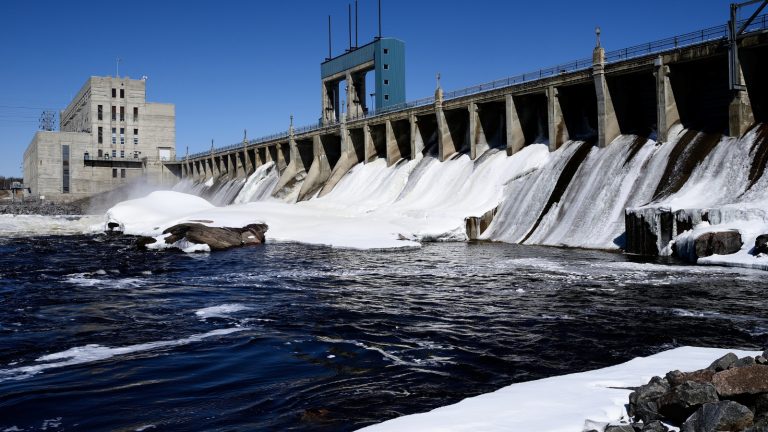
Accurate weather intelligence enables water authorities to prepare for hydrological changes before they affect critical infrastructure and public safety.
Key Takeaways
- Tigernix integrates BOM rainfall forecasts directly into dam management workflows.
- Forecast-driven operations help identify infrastructure risks before they escalate.
- Combined weather, sensor, and operational data improve decision-making accuracy.
- Automated forecasting tools support more resilient and efficient catchment management.
The Growing Risks of Extreme Rainfall and Climate Variability
Australian water systems are increasingly exposed to extreme weather patterns that create significant uncertainty for operational planning.
Sudden storm events, shifting seasonal conditions, and changing hydrological cycles can rapidly alter water inflows.
These evolving conditions require more sophisticated forecasting approaches that improve preparedness and strengthen resilience across critical water infrastructure networks.
Why Traditional Dam Monitoring Methods Fall Short
It is common to see that conventional monitoring approaches usually rely heavily on current observations rather than future conditions.
While useful for understanding present asset status, they may not provide sufficient lead time for operational intervention. This is where effective dam safety monitoring requires forward-looking intelligence that helps organisations anticipate threats before infrastructure performance becomes compromised.
The Case for Forecast-Driven, Proactive Catchment Management
Modern catchment management strategies increasingly focus on prediction rather than reaction. When they incorporate forecast information into operational workflows, organisations can evaluate future hydrological scenarios, identify emerging risks, and implement preventive actions earlier.
This proactive approach improves planning accuracy while supporting more effective resource allocation during critical weather events.
What Is the Tigernix Catchment Solution?
The Tigernix platform provides a centralised environment for monitoring, analysing, and managing water infrastructure across complex catchment systems.
Core Capabilities of Tigernix Catchment Solution
The platform delivers advanced capabilities for catchment asset management through integrated monitoring, forecasting, analytics, and reporting functions.
Water organisations can manage diverse infrastructure assets within a unified operational environment while improving visibility across interconnected systems, supporting informed decision-making throughout the asset lifecycle.
How the Platform Centralises Dam and Catchment Data
Water authorities often manage information originating from multiple operational systems. Tigernix consolidates data relating to dam infrastructure, environmental conditions, field assets, and operational activities into a single platform.
This centralised architecture improves information accessibility, eliminates data silos, and supports enterprise-wide situational awareness.
The Role of Digital Twin Technology in Catchment Monitoring
A digital twin provides a virtual representation of physical infrastructure and environmental conditions.
Within the Tigernix environment, digital twin capabilities enable operators to visualise system behaviour, simulate operational scenarios, and evaluate future outcomes.
This enhanced visibility supports strategic planning and improves confidence in operational decisions.
How Does BOM Rainfall Forecasting Work?

The effectiveness of forecast-driven dam operations depends on understanding how meteorological intelligence is generated and applied to water infrastructure management.
Understanding the Bureau of Meteorology's Forecasting Models
The Bureau of Meteorology uses sophisticated atmospheric, oceanic, and hydrological models to generate forecasts across multiple temporal and spatial scales.
These models analyse evolving weather patterns, atmospheric pressure systems, temperature variations, and moisture conditions to estimate future precipitation behaviour across Australia’s diverse climatic regions.
Key BOM Data Services Used in Water Asset Management
Water organisations rely on several forecasting products, including rainfall outlooks, severe weather advisories, hydrological guidance, and climate forecasts.
These services help operators assess changing environmental conditions, understand future hydrological risks, and improve operational preparedness across complex water networks and storage systems.
How Rainfall Forecasts Translate Into Actionable Warnings
A rainfall forecast becomes operationally valuable when translated into measurable asset impacts.
Forecast information can be analysed against reservoir operating rules, hydraulic models, and infrastructure thresholds to generate timely notifications, helping operational teams respond before conditions escalate into larger risks.
How Does Tigernix Integrate BOM Data Into Catchment Operations?
The value of forecasting increases significantly when weather intelligence is combined with operational asset information in real time.
Connecting BOM Feeds With Tigernix’s Predictive Analytics Engine
The platform incorporates BOM rainfall forecasting feeds directly into advanced predictive analytics models.
Forecast data is continuously analysed alongside operational variables to identify future trends, estimate asset performance outcomes, and support risk-based decision-making before weather events affect infrastructure operations.
Combining Rainfall Forecasts With Sensor and SCADA Data
Tigernix combines meteorological information with operational data generated from IoT sensors, field instruments, and SCADA integration frameworks.
This unified approach allows organisations to correlate forecasted weather conditions with actual infrastructure performance, providing greater operational visibility and improving decision accuracy across water systems.
Automating Alerts Based on Forecasted Rainfall Thresholds
When forecast conditions exceed predefined operational limits, the system can trigger automated notifications.
These proactive alerts help operational teams prepare for potential disruptions earlier, enabling faster responses while reducing dependence on manual monitoring processes and improving organisational readiness during severe weather conditions.
How Does This Integration Improve Dam Safety?
Forecast-informed operations provide earlier visibility into emerging risks, allowing organisations to implement preventive actions before infrastructure performance is compromised.
Predicting Dam Overtopping Risks Before They Occur
Advanced hydraulic models use BOM rainfall forecasting outputs to estimate future inflow conditions and identify potential dam overtopping scenarios.
This capability enables operators to assess vulnerabilities earlier, evaluate mitigation options, and implement operational controls before water levels approach critical thresholds.
Supporting Spillway Capacity Planning With Forecast Data
Understanding projected rainfall conditions allows engineers to evaluate available spillway capacity under anticipated inflow scenarios.
This information supports more effective water release planning, infrastructure preparedness, and operational coordination while helping maintain safe storage conditions during significant weather events.
Enabling Faster, Forecast-Informed Emergency Response
Forecast-driven operational awareness strengthens emergency preparedness by providing additional decision-making time. Integrated systems can activate an early warning system framework that supports communication workflows, resource mobilisation, and coordinated incident management activities before critical thresholds are exceeded.
How Does Rainfall Forecasting Support Flood Prediction?
Forecast-driven hydrological analysis helps organisations anticipate downstream impacts and improve preparedness across broader catchment systems.
Modelling Catchment-Scale Runoff Using Rainfall Inputs
Hydrological models use forecast precipitation information to perform runoff modelling across entire watersheds.
These calculations estimate how rainfall may move through drainage networks, supporting a better understanding of inflow behaviour, storage impacts, and downstream flood risks before events occur.
Improving Flood Inundation Forecasts With Integrated Data
Combining BOM rainfall forecasting with operational and environmental datasets enhances assessments of potential flood inundation impacts.
More accurate predictions support community preparedness, infrastructure protection, and emergency planning while improving confidence in flood-related decision-making processes.
Reducing Blind Spots Across Multi-Dam and Multi-Catchment Networks
Large water authorities frequently manage interconnected assets distributed across extensive regions. Integrated forecasting improves visibility across every catchment area, helping organisations understand cumulative impacts, coordinate operational responses, and reduce uncertainty when managing multiple storage systems simultaneously.
What Role Does GIS Mapping Play in This Integration?
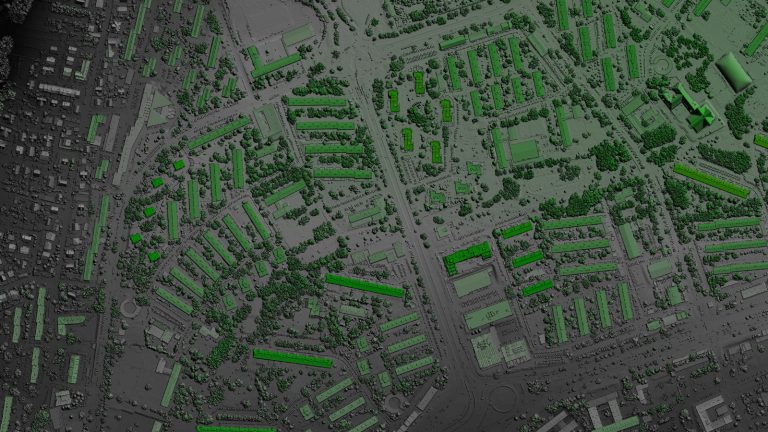
Spatial intelligence transforms complex forecasting information into visual insights that support faster and more accurate operational decision-making.
Visualising Rainfall Forecasts Across Catchment Areas
Advanced GIS mapping capabilities enable users to display forecast precipitation patterns geographically across operational regions.
Visual overlays help teams identify high-risk zones, compare forecast conditions between locations, and understand how expected rainfall may influence infrastructure performance throughout connected water systems.
Drilling Into Dam-Specific Risk Data Via Interactive Maps
Interactive geospatial interfaces allow users to investigate asset-specific performance indicators, environmental conditions, and operational risks.
These visual tools support detailed dam risk assessment activities by linking forecast information directly to infrastructure locations, enabling more targeted planning and operational responses.
Supporting State-Wide Dam Monitoring With Spatial Intelligence
Large organisations responsible for multiple assets require broad situational awareness.
Spatial dashboards support real-time monitoring across extensive infrastructure portfolios, allowing operators to identify emerging risks, monitor environmental conditions, and coordinate operational activities more effectively across geographically dispersed facilities.
How Does Predictive Analytics Enhance Forecast-Driven Decisions?
Advanced analytics convert forecast data into meaningful operational intelligence that supports strategic planning and risk reduction.
Turning Rainfall Data Into Dam Performance Predictions
Sophisticated analytical models evaluate forecast conditions alongside operational variables to predict future asset behaviour.
By analysing incoming rainfall data, organisations can estimate infrastructure responses, identify emerging vulnerabilities, and improve planning accuracy before environmental conditions begin affecting asset performance.
Using Historical and Real-Time Data to Refine Forecasts
Forecast accuracy improves when historical observations are continuously compared with current operational conditions.
Through machine learning techniques, analytical models learn from previous events and evolving system behaviour, enabling more reliable forecasting outcomes and improved decision support capabilities over time.
Supporting Investment and Maintenance Planning With Data Insights
Predictive intelligence provides valuable information regarding asset condition, operational performance, and future risks.
Understanding asset criticality enables organisations to prioritise investments, optimise maintenance schedules, and allocate resources more effectively while supporting long-term infrastructure sustainability objectives.
What Are the Operational Benefits for Asset Managers?
Integrated forecasting environments streamline operations, improve visibility, and strengthen governance across water infrastructure portfolios.
Reducing Manual Monitoring Through Automated Data Feeds
Automated data acquisition eliminates many labour-intensive monitoring activities traditionally performed by operational teams.
Continuous weather data integration ensures critical information remains available without manual collection, improving efficiency while reducing administrative workload and enabling personnel to focus on higher-value operational activities.
Improving Decision Making With Consolidated Dashboards
Centralised operational dashboards provide a unified view of environmental conditions, infrastructure performance, and forecast information.
For asset managers, this consolidated visibility improves situational awareness, accelerates decision-making processes, and supports more informed responses to changing operational conditions.
Strengthening Compliance With Dam Safety Regulations
Modern regulatory frameworks require comprehensive evidence of operational oversight and risk management practices.
Integrated forecasting platforms support compliance activities by improving documentation, strengthening risk control processes, and providing auditable records of operational decisions related to infrastructure management and emergency preparedness.
Real-World Application: Forecast-Driven Catchment Management in Action
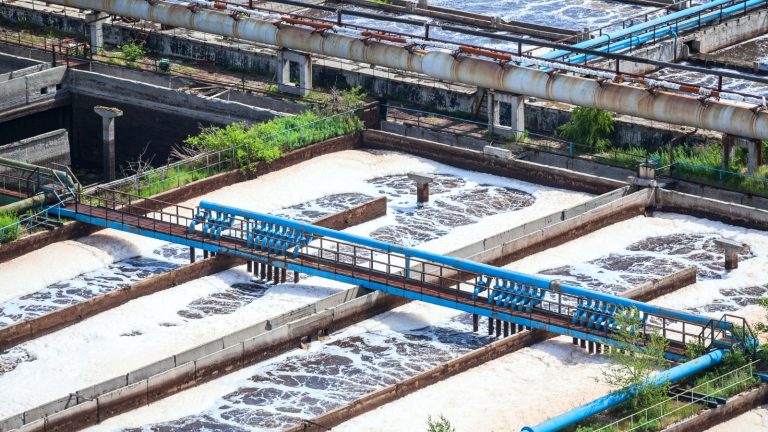
Forecast integration delivers measurable operational benefits when applied to real-world water infrastructure management challenges.
Responding to Extreme Rainfall Events With Early Alerts
When severe weather conditions are anticipated, integrated forecasting systems can generate an automated flood warning before operational thresholds are exceeded.
This additional preparation time enables infrastructure operators to initiate contingency plans, mobilise resources, and reduce potential impacts on critical water infrastructure.
Coordinating Multi-Agency Response Using Shared Forecast Data
Emergency management agencies, infrastructure operators, and local authorities benefit from access to common operational intelligence.
Shared forecasting information improves coordination, strengthens communication, and supports collaborative response planning when significant weather events threaten critical infrastructure and surrounding communities.
Measurable Improvements in Dam Safety Outcomes
Organisations implementing integrated forecasting solutions often achieve improvements in preparedness, operational efficiency, and infrastructure resilience.
Enhanced visibility supports stronger dam safety practices while helping reduce uncertainty, improve response times, and strengthen long-term asset performance across complex water networks.
Why Choose Tigernix for Catchment and Dam Management?
Tigernix Catchment Asset Solution delivers purpose-built technologies that help water organisations transform forecasting intelligence into operational action across complex infrastructure environments.
Purpose-Built Water Asset Solutions for Australian Conditions
Unlike generic platforms, Tigernix has been designed specifically for Australian operational requirements.
The solution supports diverse environmental conditions, regional compliance obligations, and the unique challenges associated with managing large-scale water management Australia operations, enabling organisations to improve resilience and operational performance.
Seamless Integration With BOM and Other National Data Sources
The platform supports sophisticated rainfall forecast integration capabilities that allow organisations to combine meteorological information with operational datasets from multiple sources.
This interoperability creates a comprehensive operating picture, enabling more accurate forecasting workflows and supporting enterprise-wide infrastructure management objectives.
Proven Expertise in Catchment, Dam, and Water Asset Technology
Tigernix possesses extensive experience delivering advanced water asset solution technologies for critical infrastructure operators.
Its expertise spans forecasting, monitoring, analytics, digital transformation, and operational optimisation, helping organisations modernise infrastructure management practices while improving visibility across complex water environments.
Tigernix-Forecasting On Point
Ready to Strengthen Your Dam Management Strategy?
Organisations that combine forecasting intelligence with operational analytics are better positioned to anticipate risks, protect infrastructure, and improve long-term performance.
Request a Free Consultation With Tigernix Water Asset Experts
Tigernix specialists work closely with utilities, government agencies, and infrastructure operators to identify operational challenges and develop tailored technology strategies.
Whether supporting a regional water utility or a large enterprise network, the team provides practical guidance for implementing modern forecasting and asset management capabilities.
Connect with us today.
Explore How Forecast Integration Reduces Dam-Related Risks
Integrating BOM rainfall forecasting into operational workflows helps organisations identify vulnerabilities before they become incidents.
Improved visibility supports better planning, enhanced preparedness, and stronger operational confidence when responding to changing environmental conditions and emerging infrastructure risks.
Begin Your Journey Toward Smarter, Forecast-Driven Catchment Management
Modern water infrastructure requires intelligent technologies that transform data into action. By combining forecasting intelligence, operational visibility, and advanced analytics, Tigernix enables organisations to improve resilience, strengthen infrastructure performance, and achieve more proactive outcomes across complex catchment environments.
FAQs About BOM Rainfall Forecasting
Forecast integration combines meteorological forecasts with hydrological and operational datasets to estimate future inflows more accurately. This approach helps dam managers evaluate changing conditions earlier, improving planning, water release decisions, and operational preparedness before rainfall events occur.
Forecast-driven dam management commonly integrates rainfall forecasts, reservoir measurements, catchment conditions, hydrological models, asset performance data, and operational telemetry. Combining these datasets provides a comprehensive view of current and projected conditions, enabling more informed infrastructure management decisions.
Predictive models analyse forecast rainfall, expected inflows, storage availability, spillway performance, and catchment response characteristics. These calculations simulate future water levels and hydraulic behaviour, allowing operators to identify overtopping risks and implement mitigation measures before thresholds are reached.
Real-time operational data allows organisations to compare actual field conditions with forecast predictions. Continuous validation improves model reliability, supports calibration processes, enhances forecasting accuracy, and helps operators make more confident decisions during rapidly changing weather events.
Digital twin technology creates a virtual representation of dam assets and surrounding catchments. Engineers can simulate operational scenarios, evaluate infrastructure responses, test emergency strategies, and assess future risks, supporting more effective planning and long-term asset resilience.