
Can you picture having water flowing out of the tap within minutes, providing clean and pure water? The behind-the-scenes reality is a sophisticated engineering system that includes collection, purification, transportation, storage, and distribution of the water using coordinated infrastructure. All cities, utilities, and institutions are dependent upon this sophisticated system for the provision of housing, health care, manufacturing, agriculture, and emergencies. With increasing population growth in urban areas and changing climatic conditions, the issue of resilience of the water infrastructure has become a strategic priority rather than just operational.
Based on information from the United Nations, there are 2.2 billion people in the world who require safe drinking water, emphasising the need for investment in water delivery infrastructure that will be reliable and efficient. This international problem has helped speed up the implementation of digitalisation, predictive maintenance, and intelligent automation to ensure the dependability of services and decrease the rate of water loss.
In this article, we are addressing the topic ‘What are the 5 components of the water supply system’, and it gives detailed insights regarding the process of water distribution from natural sources to the taps of consumers.
We will explore
- What Is a Water Supply System?
- Why Are Water Supply System Components Important?
- What Are the 5 Components of the Water Supply System?
- How Do These Five Components Work Together?
- Common Challenges Across Water Supply Systems
- How Smart Water Management Improves Every Component
- FAQs About the 5 Components of the Water Supply System
What Is a Water Supply System?
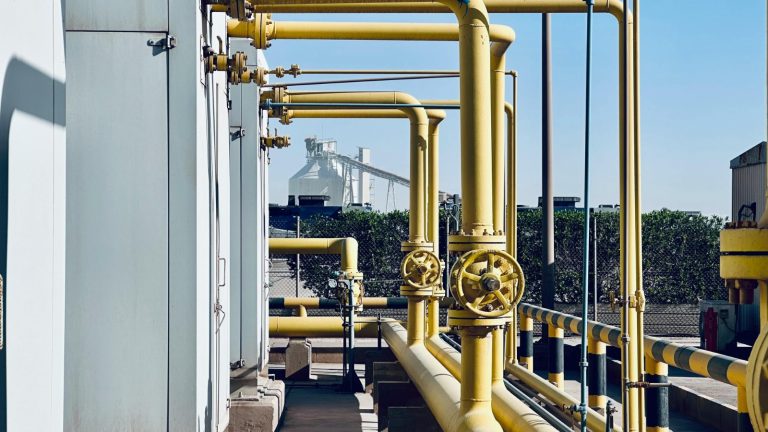
A water supply system is an interconnected system through which water is collected, treated, transported, stored, and supplied to the consumers.
The ‘Water supply system’ refers to a complex system whose purpose is to extract water from either natural or man-made sources, treat it, and distribute to consumers in an effective manner. Each element of the system serves a particular function to ensure that the water is supplied to consumers in the required quantity and pressure.
Modern drinking water supply systems are based on a variety of different engineering streams such as hydraulics, environmental sciences, civil engineering, mechanical engineering, and automation technology. Instead of operating separately as individual units, every asset is a part of the process, which constantly maintains the balance between supply and demand.
Based on the geographical locations, density of population, and needs of industries, water supply systems are classified into various categories.
Key Takeaways
- The five components work together to deliver safe and reliable drinking water.
- Each component plays a critical role in maintaining water quality and system performance.
- Smart technologies improve monitoring, efficiency, and regulatory compliance.
- Modern water supply systems are essential for long-term sustainability and resilience.
Municipal Water Supply Systems
These systems serve cities, towns, and metropolitan regions by supplying treated drinking water to residential, commercial, and institutional consumers. They typically operate large treatment plants, transmission mains, storage reservoirs, and extensive distribution networks capable of supporting millions of users.
Rural Water Supply Systems
Rural systems typically deliver water to small communities from underground wells, local reservoirs, or treatment plants located within the communities themselves. These systems are simple but have to be safe and cost-effective.
Industrial Water Supply Systems
In many cases, industrial water systems use specific processes of water purification according to their production requirements.
No matter how large and what function the water system serves, there are several goals common to all water systems:
- To provide safe water for consumption;
- High levels of service reliability throughout the year
- High pressure throughout the entire service area
- Provide an uninterrupted water supply during the periods of maximum consumption;
- Low risk of disruptions in service.
Why Are Water Supply System Components Important?
Each element of the water supply system serves an individual engineering purpose which together serve to ensure high-quality water, reliable supply and efficient utility operations.
The efficiency of a water utility company lies in the performance of its individual infrastructure elements as one system. Each step in the supply process has individual duties that have a direct impact on consumer satisfaction and sustainability.
Certainly, the first advantage is the protection of public health through prevention of water contamination and provision of water that meets all the quality standards.
The reliable operation of infrastructure also provides for economic growth, as different sectors require steady water supply to continue production and other activities.
Effective design of the system will also reduce the operational wastage. Proper maintenance of the systems will ensure there is minimal wastage of water through leaks, energy efficiency, less costly treatment process, and reduced maintenance activities. The other key activity is the preservation of natural ecosystem. This includes proper management of the sources and operations which will conserve rivers, lakes, reservoirs and groundwater resources for future generations.
This interlinked system will contribute to preparedness in case of any disaster that may arise such as droughts, floods, infrastructure failure, contamination, and unexpected increases in the demand of water supplies.
Ultimately, effective water supply system components will be the base for strong and stable communities because their performance will affect many aspects of life, including customer satisfaction, ecological considerations, and financial stability.
What Are the 5 Components of the Water Supply System?
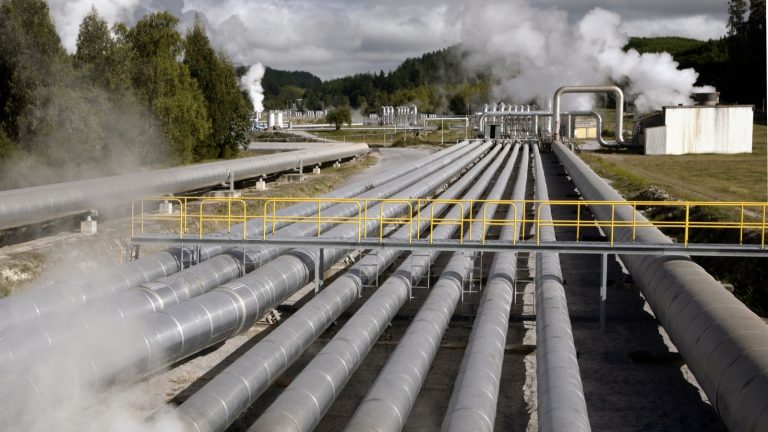
There are five major elements of the water supply system, which include the water source, water treatment facility, transmission, water storage, and distribution system. These elements are responsible for collecting water, treating water, transporting water, storing water, and delivering water to users through controlled quality and pressure.
1. Water Source (Collection System)
Water is the starting point for all supply chains since it defines not only the amount but also the quality of the water going into the chain. Water sources are assessed by engineers in terms of sustainability, environmental factors, treatment needs, seasonality, and anticipated population growth.
Surface water remains the most common option for large urban supplies and includes rivers, lakes, reservoirs, and impounding dams. While these sources often provide abundant volumes, they are generally more susceptible to pollution, algae blooms, sediment accumulation, and climate-related fluctuations. Groundwater extracted through boreholes and aquifers usually offers greater natural filtration and microbiological stability but may contain elevated concentrations of dissolved minerals such as iron, manganese, or arsenic.
When there is a long period of drought in some areas or a lack of fresh water, the processes of rainwater collection and desalination play an important role in providing additional water resources. Desalination has become widespread among coastal cities recently.
Selecting the most appropriate source depends on several engineering considerations, including water availability, catchment protection, seasonal reliability, accessibility, environmental impact, abstraction costs, regulatory requirements, and future demand forecasts.
Source protection is equally significant. Watershed management projects, pollution control, buffer strips, and catchment surveillance help in preventing any contamination before treatment takes place. Physical, chemical, and biological attributes are monitored using regular sampling and automated sensors, which help in dealing with changing source water parameters quickly. Source protection makes treatment easier, helps save money, and makes the entire water supply infrastructure sustainable.
2. Water Treatment Plant
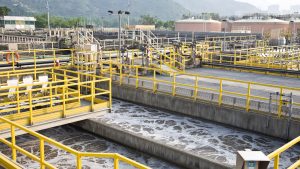
After collection, raw water enters the treatment plant, where it undergoes multiple carefully controlled processes to meet drinking water standards before distribution. The primary objective is to remove suspended solids, harmful microorganisms, dissolved contaminants, organic matter, and undesirable taste or odour compounds while maintaining regulatory compliance.
The process starts with the screening stage, which involves the removal of rough particulates such as tree limbs, leaves, and litter in order to prevent damage to machinery down the line. Coagulation is accomplished by adding substances to the water that will destabilise the fine suspended particulates.
Sedimentation tanks allow heavier flocs to sink naturally, substantially reducing turbidity before filtration. Water then passes through filtration systems containing sand, activated carbon, membrane filters, or other specialised media that remove remaining fine particles and microorganisms. Finally, disinfection using chlorine, ozone, or ultraviolet light destroys pathogenic organisms, ensuring microbiological safety throughout the distribution process.
Modern treatment plants constantly measure parameters like turbidity, pH, residual chlorine, conductivity, TOC, and microbes using online instruments. Lab tests then confirm adherence to the standards of national drinking water laws.
Automation platforms optimise chemical dosing, monitor equipment performance, and generate operational alerts whenever treatment parameters deviate from acceptable ranges. This highly controlled water treatment process ensures consumers consistently receive safe, high-quality drinking water despite variations in raw water conditions.
3. Water Transmission System
Water that has undergone treatment should be transported effectively from the water treatment plants to water storage tanks or to distribution areas. It is the job of the transmission system to achieve this by transporting water using big pipes with a lot of water flowing within them.
The construction of transmission mains can be done from ductile iron, steel, concrete, or high density polyethylene, among other materials that are chosen depending on their hydraulic capacity, durability, and anti-corrosion properties. The energy required to pump water over level surfaces or elevated landforms is provided by pumping stations. For hilly areas, the use of gravity-flow transmission lines reduces energy requirements.
Booster pumping stations maintain pressure across extensive transmission corridors, particularly where elevation differences or increasing demand create hydraulic challenges. Pressure-reducing valves, flow control valves, surge protection equipment, and air release valves work together to stabilise system performance while protecting pipelines against pressure transients and water hammer events.
Water quality is an important factor in maintaining the quality of the water. Pipeline integrity helps in ensuring this. Utility companies can use leak detection, pressure monitoring, acoustic sensors, corrosion monitoring, and inline inspection techniques in detecting structural degradation. Preventive maintenance will help reduce costs and prevent wastage of treated water by minimising disruptions. Transmission becomes the most critically managed components of water distribution system.
4. Water Storage Facilities
Water storage systems give operational flexibility through balancing variations that exist between the amount of production capability and the amount of consumption demands during the day. Instead of producing the exact amount of water necessary per hour, there are storage systems that ensure stability in supply situations.
Common storage infrastructure includes elevated water towers, ground-level reservoirs, clear water tanks located adjacent to treatment plants, and service reservoirs distributed throughout the network. Elevated tanks use gravity to maintain pressure across surrounding service areas, reducing dependence on continuous pumping and improving energy efficiency.
The storage structures have a number of operational functions other than simply storing water. These include provision of extra capacity for peak hours of demand in the mornings and evenings, emergency stocks during electrical blackouts or breakdowns of equipment, and provision of water supply for firefighting purposes in times of crisis. The plants can also run on a steady schedule without having bursts in production.
Maintaining stored water quality requires continuous turnover, residual disinfectant monitoring, mixing systems, tank inspections, and periodic cleaning to prevent stagnation or microbial growth. Advanced level sensors, automated valve controls, and predictive demand forecasting further optimise the operation of modern water storage systems, allowing utilities to improve both reliability and energy efficiency while extending infrastructure lifespan.
5. Water Distribution Network
The final component delivers treated water directly to customers through an extensive network of interconnected pipelines and supporting infrastructure. This network represents the most visible part of the water supply system because it directly connects utilities with homes, businesses, hospitals, schools, and industrial facilities.
These include primary and secondary pipelines, distribution pumps, isolation valves, pressure reducing valves, fire hydrants, residential connections, and customer water meters. All of these components work together to ensure that water is delivered to all consumers through proper pressure without compromising water quality.
Engineering involves subdividing the larger service areas into pressure zones so that hydraulic stability is maintained at different elevations and demands. Besides improving the quality of services rendered, the control of pressures helps in minimising bursting of pipes and reducing the amount of leakage. The utilities companies have programs aimed at leakage detection through acoustic logs and other methods.
Customer metering helps in proper billing while helping utilities track their consumption trend, identify abnormal patterns, and forecast demand. More often than not, it is through smart meters that utilities receive up-to-date consumption information.
Maintaining a reliable water distribution network requires continuous inspection, asset renewal, hydraulic modelling, and network optimisation. When effectively managed, the distribution network ensures every consumer receives safe drinking water with consistent pressure, minimal interruptions, and dependable service regardless of seasonal demand fluctuations.
How Do These Five Components Work Together?
All five elements form an integrated process, through which water is acquired, treated, conveyed, stored, and supplied throughout the whole process while ensuring water quality, water pressure, and operational efficiency.
While each element performs its own specific task, it is the integration of all those assets that determines the efficiency of a water supply system. Each process step relies on the successful completion of the previous one.
The process starts with the abstraction of water, whereby untreated water is withdrawn from various sources such as rivers, lakes, reservoirs, or from groundwater aquifers and other sources. Afterward, the water passes through the water treatment process where any form of pollutants, contaminants, and pathogens is effectively eliminated using well-controlled physical and chemical procedures.
When clean water has been produced, it is channeled to storage through transmission mains, where it is stored for further regulation of supply flow as well as system pressure. Eventually, the water is distributed through an interlinked pipe network.
In the course of this process, utilities regularly track the performance through the use of sensors, telemetry, lab tests, and automation controls. Various parameters like flow rates, pressure, residual chlorine, turbidity, reservoir levels, and pump performance are tracked in order to ensure proper service delivery.
This constant operation is further facilitated by adequate pressure control, preventative maintenance, quick identification of any faults, and contingency plans. In case of equipment breakdown or any contamination, operators can be able to disconnect the affected areas, divert the supply, and restore the services while ensuring that the safety of people is not compromised.
Common Challenges Across Water Supply Systems
Modern water utilities face multiple operational challenges that affect infrastructure reliability, water quality, sustainability, and long-term service delivery.
Ageing Infrastructure
A great number of water systems incorporate pipelines, valves, pumps, and storage facilities that are already past their design life expectancy. The degradation of the materials used results in a higher chance of pipeline leaks, pipe bursts, and even interruptions to service, and thus the renewal of those assets is vital.
Water Leakage and Non-Revenue Water
Water losses through hidden leaks, unauthorised consumption, inaccurate metering, and operational inefficiencies reduce available supply while increasing production costs. High levels of non-revenue water place significant financial and operational pressure on utilities and often require comprehensive leakage reduction programmes.
Climate Change and Water Scarcity
Climate change impacts on changes in precipitation patterns, drought periods, high temperatures, and increased occurrence of extreme weather phenomena, directly influencing water source availability.
Energy Consumption
Water treatment, pumping, and transmission require substantial electrical energy. Inefficient equipment, poor hydraulic performance, and ageing infrastructure increase operating costs, making energy optimisation an important priority for modern utilities.
Water Quality Risks
Contaminants, contamination of source water, aging pipes, and microbial contamination can pose a risk to the quality of drinking water. There is a need for continuous monitoring, quick action when an event occurs, and proper treatment of the water to reduce these risks.
Increasing Urban Demand
An increase in population, industrialisation, and urbanisation adds more burden to the available infrastructure. It is necessary for utilities to increase capacity without affecting their efficiencies.
How Smart Water Management Improves Every Component
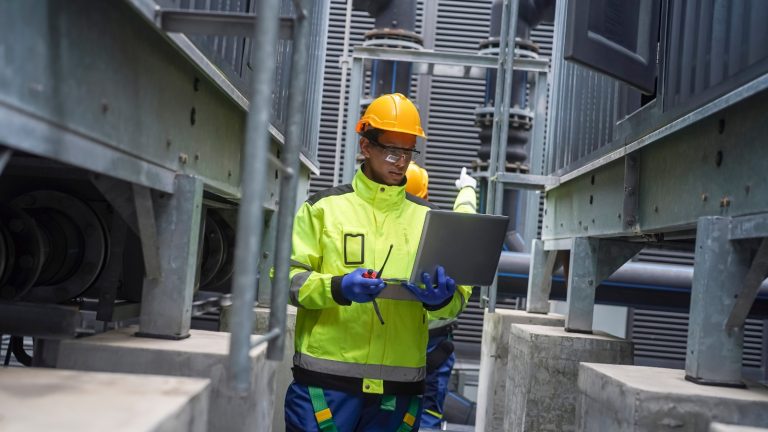
Digital technologies enhance every stage of the water supply process by providing real-time visibility, predictive insights, and automated control that improve reliability, efficiency, and long-term infrastructure performance.
Internet of Things (IoT)
Among the key advancements is the use of IoT sensors within the system. Flow sensors allow the monitoring of water flow constantly to enable the detection of any abnormal water usage or leakages. Pressure sensors allow the detection of any changes within the system to prevent any potential problems.
Level sensors keep an eye on tank levels to help in managing demand and emergency situations.
Finally, online water quality sensors help monitor parameters such as turbidity, pH, conductivity, dissolved oxygen, and disinfectant residuals.
SCADA Systems
The supervisory control and data acquisition system combines all the operational information from the treatment plant, pump station, water reservoir, and field apparatus to one control centre.
The operators are able to oversee the operational status of the equipment, set operational parameters, conduct performance trend analysis, and react promptly to any alarms without having to go physically to the different facilities.
GIS Mapping
Geographic Information System (GIS) mapping is another important aspect that has proven itself indispensable in infrastructure planning and maintenance.
With the help of GIS maps, it is possible to integrate data about assets and relate this information to their location, maintenance, service connections, and the configuration of the network.
Artificial Intelligence
AI is increasingly supporting leak detection by analysing pressure, flow, and historical operational data to identify anomalies that traditional monitoring methods may overlook.
Machine learning algorithms can distinguish between normal operational variations and early indicators of pipeline deterioration, enabling maintenance teams to intervene before costly failures occur.
Predictive Maintenance
Furthermore, predictive maintenance improves the reliability of the infrastructures through the use of historical data of the condition of the equipment together with sensors to predict failure of the components.
As such, utilities do not have to replace their assets based on age or a predetermined schedule but only when necessary.
Digital Twin
Digital twin technology represents one of the most advanced developments in utility management. By creating virtual models of physical infrastructure, engineers can simulate hydraulic conditions, evaluate operational scenarios, assess emergency responses, and optimise future expansion plans before implementing physical changes.
These simulations reduce uncertainty while supporting evidence-based decision-making.
Real-time Dashboards
These platforms help consolidate the operational information from various systems in an easily understandable visual format for operators and managers to continuously track important metrics.
Automated warnings alert the staff instantly in case of any irregularities like reduction in pressure, machinery breakdowns, poor quality of water, or any unusual consumption pattern.
How Tigernix Smart Water Asset Software Optimises the Entire Water Supply Process
Tigernix Smart Water Asset Software unifies every stage of the water supply process—from source management to distribution—using AI, IoT, digital twins, predictive analytics, and automated workflows.
Our software’s real-time visibility enables utilities to optimise asset performance, minimise downtime, reduce water losses, and deliver safe, reliable water more efficiently.
How Its Industry 4.0 Capabilities Enhance End-to-End Water Supply Operations
Through Industry 4.0 capabilities such as IoT connectivity, AI-powered analytics, SCADA integration, GIS visualisation, predictive maintenance, and real-time dashboards, the Tigernix solution transforms water operations by enhancing decision-making, reducing downtime, and improving network resilience.
Tigernix solution enables utilities to detect issues early, optimise asset performance, improve compliance, reduce operating costs, and build resilient water infrastructure.
Call for a free demo.
Tigernix-For An Uninterrupted Water Supply
How Modern Technologies Are Shaping Water Supply Systems
The process of providing safe water is a very complex process, which involves more than just water treatment. There are different parts of the system, such as water sources, water treatment plants, water transmission systems, water storage systems, and water distribution systems, all of which have their specific tasks and roles.
Since all the above mentioned elements form an infrastructure together, any flaws in one of the stages can impact the performance of the whole system. Therefore, proper planning, regular maintenance, constant monitoring, and good operational management become critical.
As the need for water increases along with urbanisation, climate unpredictability, and aging infrastructure, digitalisation is now taking center stage in the water industry’s future. The use of intelligent monitoring, predictive analysis, automation, and better asset management allows water companies to operate at their optimal levels, reduce wastage of water, enhance their resiliency, and make smarter decisions on infrastructure investment. Through the adoption of these innovations, the water company becomes more sustainable and flexible to meet future demand.
FAQs About the 5 Components of the Water Supply System
Water pressure is maintained using elevated storage tanks, booster pumping stations, pressure-reducing valves, and hydraulic zoning. Continuous pressure monitoring ensures consistent service, reduces pipe stress, prevents backflow, and maintains adequate flow across the entire distribution network.
Engineers evaluate water availability, seasonal reliability, raw water quality, environmental impact, treatment complexity, abstraction costs, regulatory requirements, and long-term demand forecasts. These factors ensure the selected source can provide a sustainable and dependable water supply.
Residual disinfectant monitoring verifies that sufficient disinfectant remains throughout the distribution network to inhibit microbial growth. Continuous monitoring helps maintain water quality, protects public health, and ensures compliance with drinking water regulations until water reaches consumers.
SCADA systems collect real-time operational data from treatment plants, pumps, reservoirs, and pipelines. They enable remote monitoring, automated process control, rapid fault detection, performance optimisation, and faster decision-making, improving system reliability and operational efficiency.
Hydraulic modelling simulates water flow, pressure, and demand across a network under various operating conditions. Utilities use these models to optimise pipe sizing, identify pressure deficiencies, evaluate infrastructure upgrades, and improve emergency response planning.