
Water is becoming one of the most critical global challenges of our time. According to the United Nations, over 2 billion people lack access to safely managed drinking water, while global demand is expected to rise by 20–30% by 2050. At the same time, urbanisation, climate change, and ageing infrastructure are placing immense pressure on utilities.
This is where water management technologies step in. These systems combine data, automation, and intelligent infrastructure to improve efficiency, reduce waste, and support long-term sustainability.
In this article, we look into what water management technologies are and how smart solutions help with resource conservation.
We will explore
- Why Is Water Technology Innovation Critical for Australia’s Driest Continent?
- What Are the Seven Categories of Smart Water Management Technologies?
- How Do IoT Sensors Transform Water Infrastructure Monitoring?
- What Role Do Smart Meters Play in Achieving Sustainability Goals?
- How Does Nanotechnology Revolutionise Water Purification?
- What Advanced Leak Detection Methods Reduce Non-Revenue Water?
- How Do CCTV and Laser Technologies Enable Pipe Condition Assessment?
- What Is the Automatic Variable Filtration (AVF) Innovation?
- How Does Big Data Analytics Optimise Water Utility Operations?
- How Can Australian Water Utilities Implement Technology Transformation?
- What Emerging Technologies Will Define Water Management’s Future?
- FAQs About Water Management Technologies
Why Is Water Technology Innovation Critical for Australia’s Driest Continent?

Australia is the driest inhabited continent, making water security a national priority. This section explains why technological innovation is essential to balance supply and demand, improve resilience, and ensure long-term sustainability in a climate-affected environment.
Key Takeaways
- Water management technologies are essential for addressing global water challenges, improving efficiency, and ensuring long-term sustainability in the face of climate change and growing demand.
- Smart systems such as IoT sensors, AI analytics, and digital twins enable real-time monitoring, predictive maintenance, and better decision-making across water infrastructure.
- Advanced solutions like smart metres, nanotechnology, and leak detection significantly reduce water losses, lower costs, and improve operational performance.
- Adopting modern technologies helps utilities achieve sustainability goals, enhance resilience, and build smarter, data-driven water management systems for the future.
Australia’s 493 Litres Per Capita Daily Consumption vs Global Scarcity
Australia’s average daily water consumption is approximately 493 litres per person, significantly higher than that of many countries facing shortages. This high usage increases pressure on limited water supplies, especially during drought periods.
While Australia has strong infrastructure, inefficiencies still exist across distribution networks.
This is where adopting smart water conservation solutions can reduce unnecessary consumption and improve allocation. As we see, behavioural insights, real-time monitoring, and pricing strategies help utilities manage demand more effectively while encouraging sustainable usage patterns.
Only 3% of Earth’s Water Is Fresh, 1% Accessible for Human Use
Globally, only about 3% of water is freshwater, and less than 1% is accessible for human use. This highlights the urgency of better managing existing resources rather than relying on new supply sources.
The concept of water scarcity is no longer limited to arid regions. The truth is that it is becoming a global concern.
That is the point where technologies that improve storage, reduce losses, and enhance reuse are essential for long-term water security. Efficient management ensures that limited freshwater resources are used wisely and equitably.
Climate Change Intensifying Droughts and Infrastructure Stress
Climate change is increasing the frequency and severity of droughts across Australia. Reduced rainfall and higher temperatures are affecting reservoirs, groundwater levels, and agricultural productivity.
At the same time, ageing infrastructure struggles to cope with these changes. Pipes, treatment plants, and distribution systems are under constant stress.
Integrating climate adaptation strategies with modern technologies enables utilities to predict risks, respond faster, and maintain a reliable supply even under extreme conditions.
Two Billion People Globally Lacking Safe Drinking Water Access
As we mentioned before, globally, more than 2 billion people still lack access to safe drinking water. This statistic highlights the need for scalable and affordable solutions that can be deployed in both developed and developing regions.
Modern water systems focus not only on supply but also on resource conservation. By reducing losses, improving treatment efficiency, and enabling reuse, technologies can extend the availability of clean water to more communities while supporting global sustainability goals.
What Are the Seven Categories of Smart Water Management Technologies?
Smart water systems combine multiple technologies to create an integrated ecosystem. This section introduces the key categories that are transforming how utilities monitor, manage, and optimise water infrastructure.
IoT Sensor Networks for Real-Time Monitoring and Data Collection
Modern utilities rely heavily on IoT sensors for water monitoring to collect real-time data across networks. These sensors track flow rates, pressure levels, and environmental conditions continuously.
Using IIoT sensors, utilities gain visibility into system performance at every point in the network.
This data enables faster decision-making and reduces manual inspections. By automating monitoring, organisations improve reliability and reduce operational risks, ensuring consistent service delivery.
AI and Machine Learning for Predictive Analytics and Optimisation
Artificial intelligence is transforming water systems through AI-powered leak detection and advanced forecasting models. These systems analyse historical and real-time data to identify patterns and predict failures before they occur.
With machine learning, utilities can continuously improve their models, making predictions more accurate over time.
This approach supports proactive maintenance strategies and reduces downtime, helping organisations move toward fully optimised operations.
Digital Twin Technology for Virtual Infrastructure Simulation
A digital twin water infrastructure creates a virtual model of physical assets, allowing utilities to simulate different scenarios without affecting real operations.
These models support planning, testing, and optimisation.
This way, engineers can evaluate system behaviour under stress conditions, forecast demand, and plan upgrades. This technology enhances decision-making and reduces risks associated with infrastructure investments.
Advanced Filtration Innovations (Nanotechnology, AVF Systems)
It is a proven fact that advanced filtration technologies are improving water treatment efficiency. Innovations such as nanotechnology and Automatic Variable Filtration systems remove contaminants more effectively than traditional methods.
These systems reduce chemical usage and energy consumption while improving output quality. Not to mention, they play a crucial role in delivering sustainable water solutions, especially in regions facing increasing pollution and resource constraints.
Smart Metering with >95% Failure Prediction Accuracy
Modern smart meters provide detailed consumption data at the household and industrial levels. These systems can predict failures with over 95% accuracy, allowing utilities to address issues before they escalate.
Smart metering improves billing accuracy, enhances transparency, and supports conservation efforts. It also empowers consumers to monitor their usage and make informed decisions about water consumption.
SCADA Integration Connecting Operational and Information Systems
SCADA integration connects physical infrastructure with digital control systems. The result is that it enables centralised monitoring and control.
These systems automate operations such as pump control, pressure regulation, and treatment processes. Since it links operational data with analytics platforms, utilities improve responsiveness and reduce manual intervention, leading to better system performance.
GIS Mapping and Spatial Analysis for Network Visualisation
GIS mapping provides a visual representation of water networks. This helps utilities understand spatial relationships and infrastructure layout.
Moreover, this technology supports asset tracking, maintenance planning, and emergency response. As it can combine geographic data with real-time information, utilities can quickly identify problem areas and allocate resources efficiently.
How Do IoT Sensors Transform Water Infrastructure Monitoring?
IoT sensors are the foundation of modern water systems. This section explains how they enable real-time monitoring, improve accuracy, and support proactive maintenance strategies.
Pressure and Flow Sensors Detecting Anomalies in Milliseconds
Pressure and flow sensors continuously monitor water movement across pipelines. They can detect sudden changes that indicate leaks, blockages, or system failures within milliseconds.
These sensors improve operational efficiency by reducing response times and preventing major disruptions. Early detection minimises water loss and protects infrastructure from further damage, ensuring reliable service delivery.
Water Quality Sensors Tracking pH, Turbidity, and Contamination
You may be aware that water quality sensors play a vital role in ensuring safe drinking water. They monitor parameters such as pH levels, turbidity, and contamination in real time.
With real-time water quality monitoring, utilities can quickly identify and address issues before they affect consumers. This proactive approach improves public health outcomes and maintains regulatory compliance.
Acoustic Leak Detection Pinpointing Pipeline Failures
Acoustic technology uses sound waves to detect leaks within pipelines. By analysing noise patterns, these systems can identify the exact location of leaks with high accuracy.
Using acoustic sensors, utilities can reduce repair times and minimise water losses.
This method is particularly effective in large networks where traditional inspection methods are time-consuming and costly.
Level Sensors in Tanks, Reservoirs, and Treatment Facilities
Level sensors monitor water levels in storage tanks, reservoirs, and treatment facilities.
They ensure optimal storage and prevent overflow or shortages. These sensors support efficient resource allocation and help maintain system balance. By providing real-time data, they enable better planning and reduce the risk of supply disruptions.
Integration with Advanced Metering Infrastructure (AMI)
IoT sensors integrate seamlessly with Advanced Metering Infrastructure systems, creating a comprehensive monitoring network.
This integration supports predictive maintenance of water systems by combining data from multiple sources. Utilities can identify trends, forecast demand, and plan maintenance activities more effectively, ensuring long-term reliability.
What Role Do Smart Meters Play in Achieving Sustainability Goals?
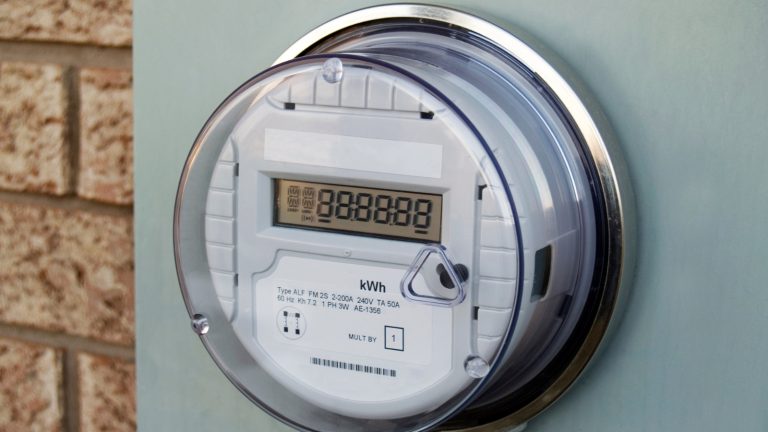
Smart meters are digital devices that measure water usage in real time and transmit data automatically to utilities. They help reduce waste, improve billing accuracy, and support conservation by giving both utilities and consumers better visibility into water consumption patterns.
Real-Time Consumption Data Promoting Conservation Behaviour
Smart meters provide continuous insights into water usage, allowing consumers to see exactly how much water they use daily. This transparency encourages more responsible consumption habits and reduces unnecessary usage.
By understanding patterns, households and businesses can identify areas where water is wasted. This supports drought resilience by encouraging behavioural change, especially during periods of limited supply.
Utilities can also use this data to design targeted conservation programmes and incentives.
Automated Billing: Eliminating Manual Reading Errors
Traditional water billing systems rely on manual readings, which are often inaccurate and time-consuming.
Smart meters automate this process by transmitting data directly to billing systems.
These automated systems eliminate human errors and reduce operational costs. Utilities benefit from faster billing cycles, while customers receive accurate invoices based on actual consumption, improving trust and transparency.
Early Leak Detection Reducing Non-Revenue Water Losses
Smart meters can detect unusual consumption patterns that indicate leaks. This early detection helps prevent significant water loss and reduces infrastructure damage.
We all know that reducing non-revenue water is a major priority for utilities worldwide. When identifying leaks quickly, smart meters help utilities recover lost revenue and improve system efficiency, making them essential tools for modern water management.
Consumer Engagement Through Usage Transparency
Providing customers with access to their usage data increases engagement and accountability. Mobile apps and dashboards allow users to track consumption and set usage goals.
This transparency empowers consumers to make informed decisions, contributing to long-term sustainability. It also strengthens the relationship between utilities and customers by fostering trust and collaboration.
Meeting $131–140 Billion Annual SDG Investment Requirements
The United Nations estimates that achieving water-related Sustainable Development Goals requires $131–140 billion annually. Smart metering plays a key role in meeting these targets by improving efficiency and reducing losses.
Since it is possible to optimise resource use, utilities can allocate funds more effectively and support global sustainability initiatives.
Smart meters are a critical component in building financially viable and environmentally responsible water systems.
How Does Nanotechnology Revolutionise Water Purification?
Nanotechnology uses extremely small materials to remove contaminants from water more efficiently than traditional methods. It improves purification performance, reduces energy use, and enables scalable solutions for regions facing water shortages.
Carbon Nanotube Filtration Removing Organic, Inorganic, and Biological Impurities
Carbon nanotubes are highly effective at filtering contaminants due to their unique structure. They can remove organic compounds, heavy metals, and microorganisms from water.
These advanced materials improve filtration efficiency and reduce reliance on chemical treatments. As a result, utilities can deliver cleaner water while minimising environmental impact and operational costs.
Acoustic Nanotube Technology from NASA’s Space Applications
Originally developed for space missions, acoustic nanotube technology uses sound waves to enhance filtration processes. This innovation allows for more efficient separation of contaminants.
When they adapt space technology for water treatment, utilities can achieve higher purification standards. This approach demonstrates how cross-industry innovation can solve critical challenges in water management.
Photocatalytic Purification Using UV and Catalysts
Photocatalytic purification uses ultraviolet light and catalysts to break down harmful substances in water. This method is effective against bacteria, viruses, and chemical pollutants.
It offers a chemical-free solution that improves safety and reduces environmental impact. This technology is particularly useful in regions where traditional treatment methods are not feasible.
Energy-Efficient Alternatives to Pressure-Based Conventional Methods
Traditional filtration systems rely on high pressure, which consumes significant energy. Nanotechnology-based systems operate more efficiently, reducing energy requirements.
Improving energy efficiency lowers operational costs and reduces environmental impact. This makes nanotechnology an attractive option for utilities aiming to modernise their treatment processes.
Scalable Solutions for Water Scarcity Regions
Nanotechnology systems are highly scalable, making them suitable for both large utilities and small communities. They can be deployed in remote or resource-limited areas.
These solutions support sustainable water access by providing reliable and affordable purification methods.
As demand increases, scalable technologies will play a key role in addressing global water challenges.
What Advanced Leak Detection Methods Reduce Non-Revenue Water?
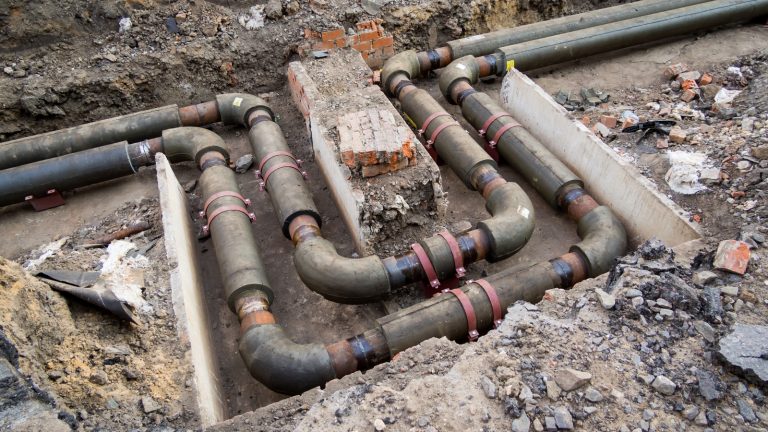
Advanced leak detection technologies use data, sensors, and analytics to identify and locate leaks quickly and accurately. These methods reduce water loss, improve efficiency, and extend the lifespan of infrastructure.
Acoustic Sensors Correlating Leak Signatures Across Pipeline Networks
Acoustic systems analyse sound patterns within pipelines to detect leaks. Correlating signals across multiple utilities can pinpoint leak locations with high precision.
This approach improves pipe burst detection and reduces repair times. It is particularly effective in large networks where traditional methods are inefficient.
Satellite Monitoring Detecting Surface Moisture Anomalies
Satellite technology can identify leaks by detecting changes in surface moisture levels. This method provides a large-scale view of infrastructure performance.
By monitoring vast areas, utilities can identify hidden leaks that are difficult to detect through ground inspections. This enhances overall system reliability.
Pressure Transient Analysis Revealing Hidden Leaks
Pressure transient analysis examines fluctuations in pipeline pressure to identify anomalies. These changes often indicate leaks or structural issues.
This method supports pressure management by helping utilities maintain stable system conditions.
It also reduces the risk of major failures.
AI Algorithms Distinguishing Leaks from Normal Hydraulic Events
Did you know that advanced algorithms analyse data patterns to differentiate between leaks and normal system behaviour? This reduces false alarms and improves accuracy.
Using predictive analytics, utilities can identify issues before they become critical. This proactive approach minimises disruptions and improves operational performance.
17% Overall Water Savings Achieved (Nuevo León Case Study)
In Nuevo León, advanced leak detection technologies resulted in a 17% reduction in water losses. This demonstrates the effectiveness of modern solutions.
Such case studies highlight the importance of investing in innovative technologies. By reducing losses, utilities can improve efficiency and ensure long-term sustainability.
How Do CCTV and Laser Technologies Enable Pipe Condition Assessment?
CCTV and laser technologies allow utilities to inspect pipelines without excavation. These tools provide detailed insights into pipe conditions, helping utilities plan maintenance and avoid unexpected failures.
Remote Visual Inspection: Eliminating Excavation Needs
CCTV cameras are inserted into pipelines to capture real-time video footage. This eliminates the need for costly and disruptive excavation.
Using CCTV inspection, utilities can quickly identify issues such as cracks, blockages, and corrosion. This approach reduces downtime and improves maintenance efficiency.
Laser Measurement of Crack Lengths, Pothole Widths, Seam Deterioration
Laser technologies provide precise measurements of pipeline defects. They can detect even minor structural issues that may lead to future failures.
These measurements support accurate assessments and improve decision-making. Utilities can prioritise repairs based on severity and risk.
Predictive Replacement Scheduling Based on Condition Data
By analysing inspection data, utilities can predict when pipes need to be replaced. This reduces the risk of unexpected failures.
This approach supports asset management by optimising maintenance schedules and extending infrastructure lifespan. It also reduces costs associated with emergency repairs.
Integration with Asset Management Systems for Renewal Prioritisation
Inspection data can be integrated with digital platforms to prioritise infrastructure renewal projects. This ensures resources are allocated effectively.
By combining inspection results with historical data, utilities can make better decisions and improve overall system performance.
Australia Leading CCTV and Laser Analytics Adoption
It is a popular fact that Australia has been at the forefront of adopting advanced inspection technologies. Utilities are investing in digital tools to improve infrastructure management.
This leadership demonstrates the importance of innovation in addressing water challenges and ensuring long-term sustainability.
What Is the Automatic Variable Filtration (AVF) Innovation?
Automatic Variable Filtration is an advanced filtration method that improves efficiency without requiring complex mechanical systems. It offers a cost-effective and energy-efficient solution for large-scale water treatment.
Upward Influent Flow Through Downward Filter Media
AVF systems operate by allowing water to flow upward through filter media, improving filtration efficiency. This design enhances contaminant removal.
It ensures consistent performance while reducing operational complexity. Utilities benefit from improved treatment outcomes and reduced maintenance requirements.
No Moving Components or Power Requirements
One of the key advantages of AVF systems is their simplicity. They do not require moving parts or external power sources.
This reduces maintenance costs and improves reliability. Utilities can operate these systems with minimal intervention, making them ideal for remote locations.
Eliminating Supplementary Filtration and Cleaning Processes
AVF systems eliminate the need for additional filtration stages and frequent cleaning. This simplifies operations and reduces costs.
By streamlining processes, utilities can improve efficiency and focus on delivering high-quality water to consumers.
Economical and Energy-Efficient for Large-Scale Applications
AVF systems are designed for large-scale operations, making them suitable for municipal and industrial use. Their efficiency reduces energy consumption.
Lower costs and improved performance make AVF an attractive option for utilities seeking modern solutions.
Addressing Water Shortage and Quality Simultaneously
AVF technology addresses both water availability and quality challenges. It ensures efficient use of resources while maintaining high treatment standards.
This dual benefit makes it a valuable addition to modern water management strategies.
How Does Big Data Analytics Optimise Water Utility Operations?
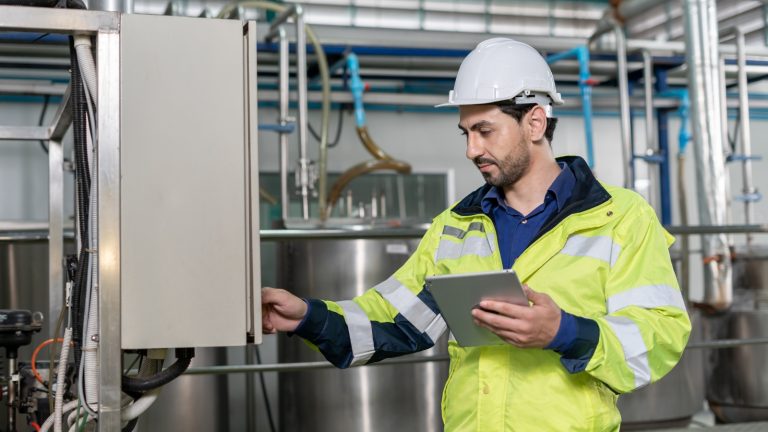
Big data analytics in water management refers to processing large volumes of data from sensors, meters, and infrastructure systems to improve decision-making. It helps utilities optimise performance, reduce waste, and plan future investments more effectively.
Processing Vast Datasets from Distributed Sensor Networks
Modern water systems generate massive amounts of data from sensors distributed across networks. These datasets include information on flow, pressure, consumption, and system performance.
By using cloud computing, utilities can process and store this data efficiently. This enables faster analysis and supports real-time insights, helping organisations manage complex systems with greater accuracy and reliability.
Identifying Consumption Patterns and Demand Forecasting
Big data allows utilities to analyse historical and real-time usage patterns. This helps predict future demand and identify trends across different regions.
Accurate forecasting improves planning and ensures that supply meets demand. It also supports better allocation of resources, reducing waste and improving system performance.
Optimising Pump Efficiency and Energy Consumption
Pumping systems consume a significant portion of energy in water utilities. Big data analytics helps optimise pump operations by analysing performance data.
This improves efficiency and reduces costs, while also lowering environmental impact. Utilities can adjust operations dynamically to meet demand while minimising energy usage.
Supporting Evidence-Based Capital Planning and Asset Renewal
Data-driven insights enable utilities to prioritise infrastructure investments. By analysing performance and condition data, organisations can identify which assets need replacement or upgrades.
This approach supports data-driven decisions, ensuring that limited resources are used effectively. It also reduces the risk of unexpected failures and improves long-term planning.
Cloud and Edge Computing Enabling Real-Time Decision-Making
Cloud and edge technologies enable real-time processing of data at both centralised and local levels. This improves responsiveness and reduces latency.
This way, utilities can make faster decisions, respond to issues immediately, and maintain system stability. This combination of technologies is essential for modern water management systems.
How Can Australian Water Utilities Implement Technology Transformation?
Technology transformation in water utilities involves adopting digital tools and modern systems to improve efficiency and sustainability. A structured approach ensures successful implementation and long-term benefits.
- Assessing Current Infrastructure and Identifying Digital Readiness Gaps
The first step is evaluating existing infrastructure and identifying areas that need improvement. Utilities must assess their current capabilities and determine readiness for digital transformation.
This process highlights gaps in technology, skills, and processes. Addressing these gaps ensures a smooth transition to modern systems.
- Phased Deployment Prioritising High-Impact Applications
Implementing new technologies in phases reduces risks and allows utilities to focus on high-impact areas first. This approach ensures measurable results at each stage.
When they prioritise critical applications, utilities can demonstrate value and build momentum for further adoption.
- Building Institutional Capacity and Technical Skill Development
Successful transformation requires skilled personnel who can manage and operate new systems. Training and development programmes are essential.
Investing in human capital ensures that utilities can fully leverage new technologies and maintain long-term success.
- Securing Financial Resources and Aligning Regulatory Frameworks
Funding is a key factor in technology adoption. Utilities must secure financial resources and align with regulatory requirements.
This ensures compliance and supports sustainable investment in infrastructure upgrades.
- Public-Private Collaboration Accelerating Innovation Adoption
Collaboration between the public and private sectors can accelerate technology adoption. Partnerships provide access to expertise, funding, and innovation.
This approach supports faster implementation and improves overall system performance.
What Emerging Technologies Will Define Water Management’s Future?
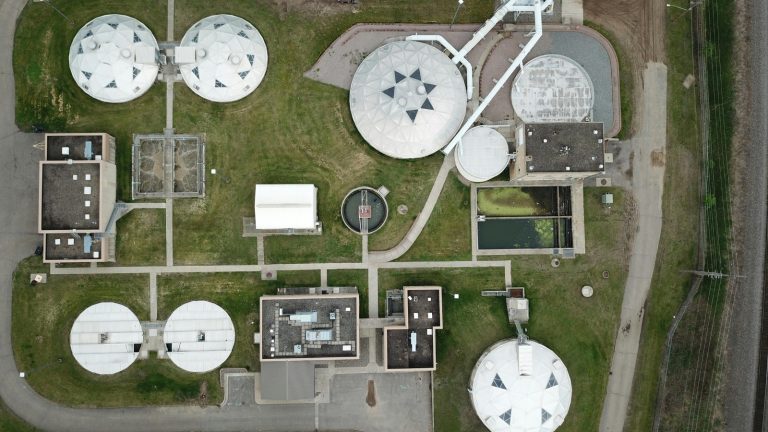
Emerging technologies are shaping the future of water management by introducing new ways to optimise systems, improve transparency, and enhance sustainability. These innovations will play a critical role in addressing global water challenges.
Quantum Computing for Complex System Optimisation
Quantum computing has the potential to solve complex optimisation problems in water systems. It can analyse vast datasets and identify optimal solutions quickly.
This technology could revolutionise planning and operations, enabling utilities to manage resources more efficiently.
Blockchain Ensuring Water Data Transparency and Security
Blockchain technology provides secure and transparent data management. It ensures that water data is accurate and tamper-proof.
This improves trust and accountability, especially in regulatory and reporting processes.
5G Connectivity Enabling Seamless IoT Communication
5G networks enable faster and more reliable communication between devices. This supports real-time data transmission and improves system responsiveness.
Enhanced connectivity is essential for large-scale IoT deployments in water systems.
Decentralised Treatment Systems with AI Orchestration
Decentralised systems treat water closer to the point of use, reducing the need for large centralised infrastructure.
AI-driven orchestration ensures efficient operation and resource allocation, improving overall system performance.
Integration with Circular Economy and Carbon Accounting
Water management is increasingly linked to sustainability initiatives such as the circular economy and carbon accounting.
By reusing water and reducing waste, utilities can lower their environmental impact and improve resource efficiency.
Why Choose Tigernix for Smart Water Asset Management?
Tigernix’s Smart Water Asset Software provides advanced solutions designed to modernise water infrastructure through digital technologies. Our platform integrates data, analytics, and automation to deliver efficient and sustainable water management.
Industry 4.0-Powered Solutions with AI, IIoT, Digital Twin, and Predictive Analytics
Tigernix offers Industry 4.0 water management solutions that combine AI, IoT, and digital twin technologies. These systems provide real-time insights and predictive capabilities.
By employing advanced analytics, utilities can optimise operations, reduce costs, and improve service delivery.
Complete Catchment-to-Tap Asset Management Integration
Tigernix solutions cover the entire water lifecycle, from source to distribution. This integrated approach ensures seamless management across all stages.
Utilities gain full visibility and control over their systems, improving efficiency and reliability.
Proprietary Acoustic Leak Detection and Algae Monitoring Technologies
Tigernix suite includes advanced tools for leak detection and environmental monitoring. These systems use innovative technologies to identify issues quickly.
Features such as algae detection help maintain water quality and prevent contamination, ensuring a safe and reliable supply.
Proven Deployments Across Australian and International Water Utilities
Tigernix has successfully implemented solutions across multiple regions, demonstrating their effectiveness in real-world scenarios.
These deployments highlight the company’s expertise and commitment to innovation in water management.
Tigernix-Save Every Bit Of Water
Ready to Transform Your Water Management with Smart Technology?
Modern water challenges require innovative solutions that combine technology, data, and sustainability. This section highlights how organisations can take the next step toward transformation.
Schedule Consultation with Tigernix Water Infrastructure Specialists
Engaging with experts is the first step toward implementing advanced water management solutions. Tigernix provides tailored consultations to address specific needs.
Our expert team helps utilities identify opportunities and develop strategies for improvement.
Connect with us for a free demo.
Discover How Smart Solutions Reduce Non-Revenue Water by 30%
Advanced technologies can significantly reduce water losses and improve efficiency. Tigernix solutions have demonstrated the ability to reduce losses by up to 30%.
This improvement translates into cost savings and better resource utilisation.
Implement Cutting-Edge Water Management Technologies for Sustainable Operations
Adopting modern solutions ensures long-term sustainability and resilience. By investing in water management technologies, utilities can improve performance and meet future demands.
These innovations support reliable, efficient, and environmentally responsible water systems.
FAQs About Water Management Technologies
Water management technologies are digital and physical systems used to monitor, control, and optimise water resources. These include sensors, smart meters, AI analytics, and filtration systems. They help reduce waste, improve efficiency, and ensure sustainable water use across utilities, industries, and communities.
Water management technologies improve efficiency by using real-time data, automation, and analytics to monitor water systems. They detect leaks, optimise flow, and reduce energy use. This allows utilities to minimise losses, lower costs, and deliver water more reliably.
Water management technologies are important because they reduce water waste, support conservation, and improve resource use. They help manage limited freshwater supplies, lower environmental impact, and ensure long-term water availability for future generations.
Modern water management technologies include IoT sensors, AI-based analytics, smart meters, digital twins, and advanced filtration systems. These tools work together to monitor infrastructure, predict issues, and improve decision-making in water utilities.
Water utilities can implement water management technologies by assessing current systems, adopting digital tools in phases, and training staff. They should prioritise high-impact areas like leak detection and smart metering while ensuring proper funding and regulatory alignment.